I
nterested in plants and microbiology throughout her years as an undergraduate and master’s student, Amanda Deering wasn’t really sure of her career path.
But after arriving at Purdue to pursue her Ph.D., her interest in food safety led Deering, now an associate professor of food science at Purdue, into a career that has taken her around the globe.
Deering completed her post-doctoral research with Dole Fresh Vegetables, Inc., an opportunity she said occurred by chance.
“Dole had come to Purdue to meet with a professor in the food science department, and at the last minute they couldn’t be there, so they asked me to step in and talk about my research,” Deering said. “After that, Dole offered me the post-doc position and it kept rolling from there.”
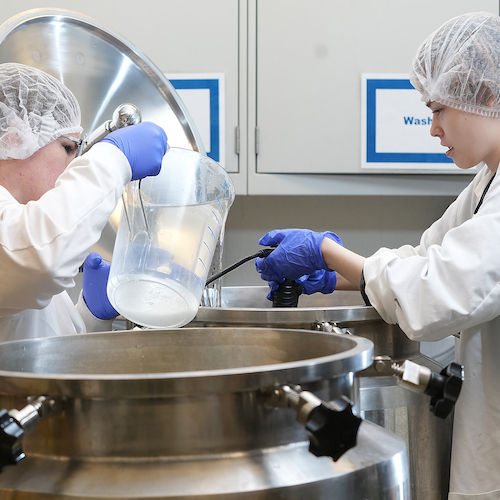
She spent her time with Dole at its California research facility, where Deering said she worked alongside other professionals to create a triple wash system for bagged leafy produce. Although the work was important for consumers, Deering said she also found the work to be fun.
“It was like a big play box for me,” she said. “And it was the perfect opportunity that led into the job I have now.”
The 2011 cantaloupe listeria crisis, a significant outbreak that was linked to 147 cases of infection and 33 deaths according to Center for Disease Control Data, sparked the need for an increase in food safety resources for growers and processors. This also led to Deering’s role at Purdue as the head of the ServSafe program as well as the Safe Produce Indiana team.
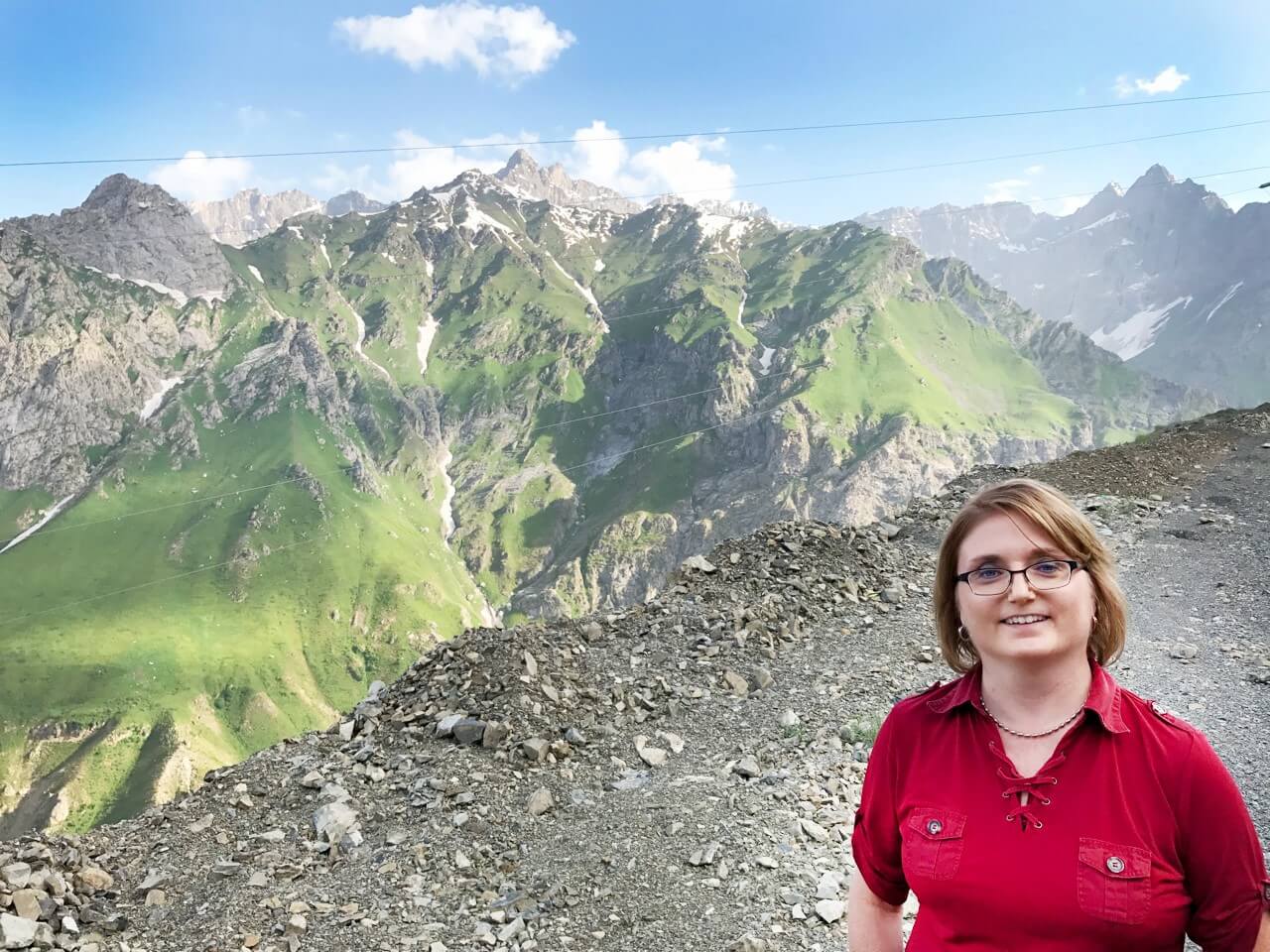
Her work in food safety has since taken her to Afghanistan, where she worked with government officials to train on how to test for pathogens alongside Haley Oliver, professor of food science, and Paul Ebner, professor of animal sciences. But her biggest accomplishment there, Deering said, was her work to create a food technology department at Herat University.
“Our first-year students there had a 100 percent job placement rate upon graduation, which never happens in Afghanistan,” she said. “The jobs were mostly related to the food industry in Afghanistan and neighboring countries, and it proved how much this was needed.”
With the high turnover of the food processing work force in the United States, Deering says work force development is needed to curb the losses it creates and to increase the safety in the foods we eat.
“I did work with a company in Chicago that imports saffron from Afghanistan, and at the time I got there they were rejecting 50 percent of what they imported due to E. coli contamination,” Deering said. “They needed our help, so we took some of the employees from Afghanistan over to India for training in good agricultural practices. The year following that training, they didn’t reject a single shipment. All of the product was safe to consume.”
Deering’s goal is to continue creating educational opportunities for facilities and their workers.
“A grad student and I went to Kentucky recently for a training, and the disconnect is that workers are told what to do and how to do it because of safety protocols, but no one takes the time to tell them why what they are doing is important,” she said. “Once that lightbulb moment of ‘why’ happens, it’s a total game changer for workers.”