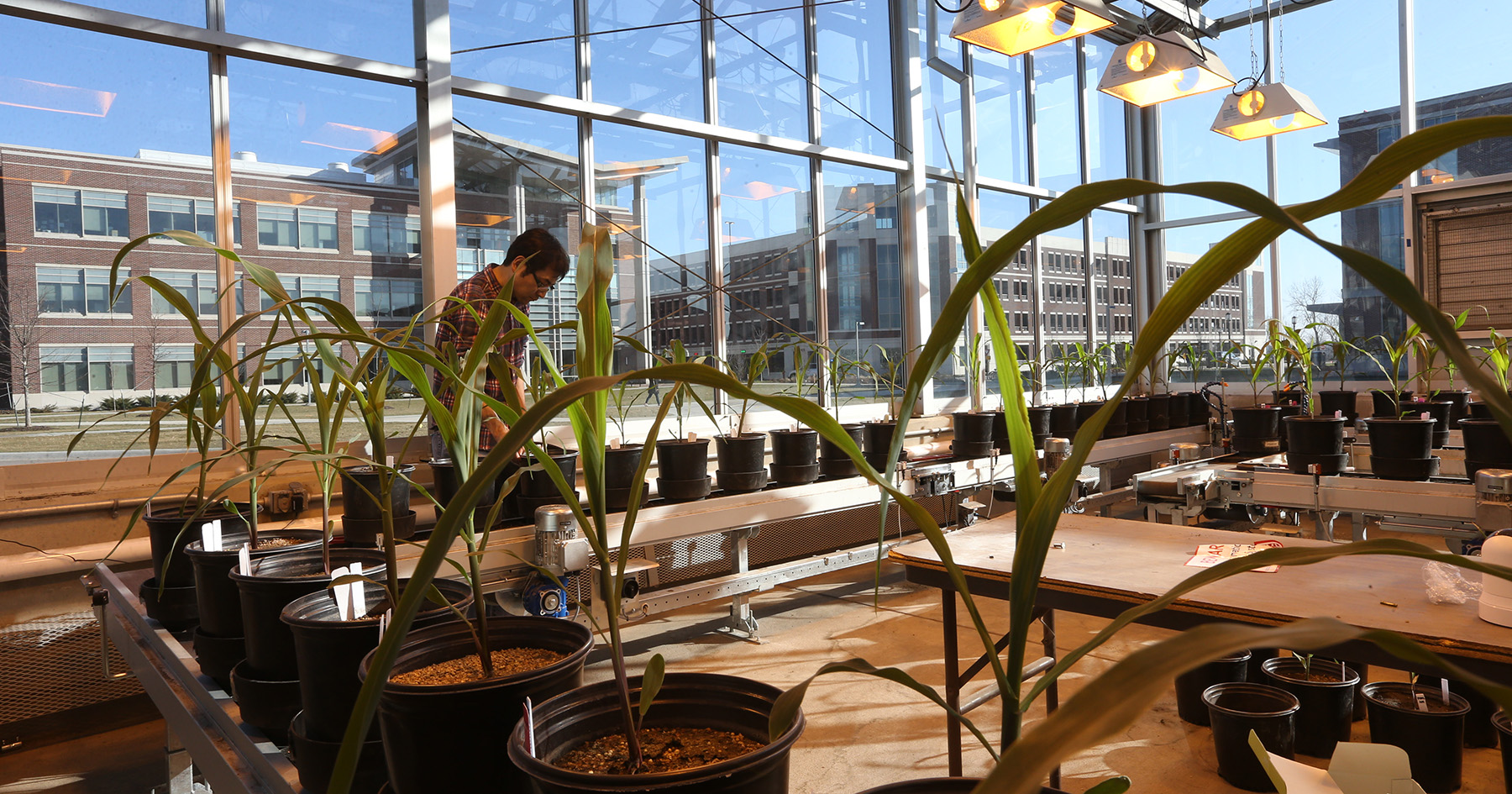
"Even if it’s a hard conversation, it’s good to gain perspective on where other people are coming from and why they have the beliefs they do. It can be emotionally draining, but it’s also very worthwhile.”
— Rob Weiner, PhD student, Department of Agricultural Sciences Education and Communication
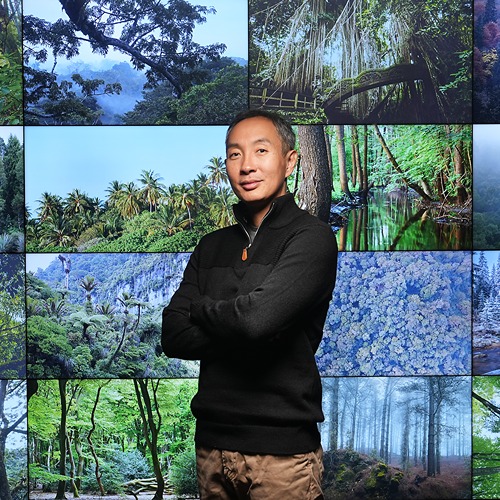
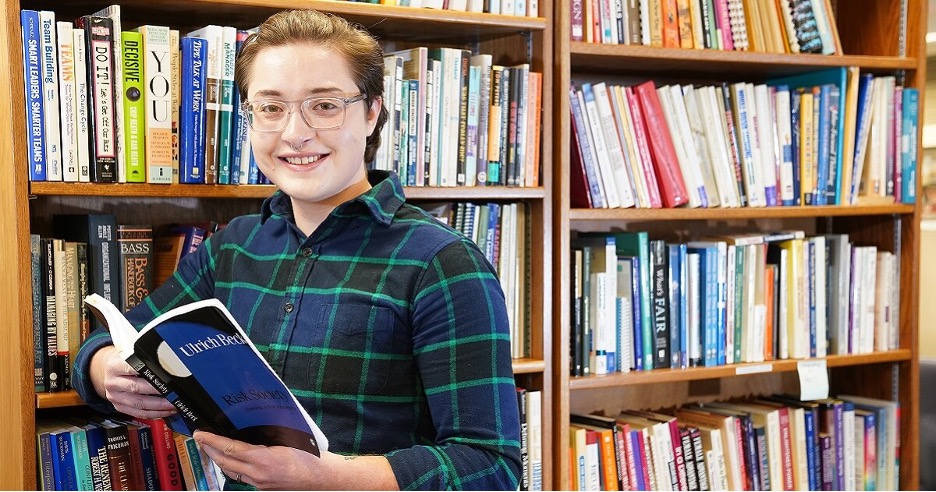 Rob Weiner (Photo by Tom Campbell)
 The Student
The 2006 documentary An Inconvenient Truth left Roberta (Rob) Weiner “terrified” of climate change. As a double major in environmental studies and political science at the University of Chicago, the West Lafayette native later would become involved in environmental justice work in that city. “It was largely about building new narratives around environmental problems, which could be pretty technical scientific issues with complicated technological causes,” Weiner says, citing discussions about fracking and coal mining in Illinois as examples. After living briefly in California and observing people’s reactions to the cutting-edge technologies being tested there, Weiner returned to West Lafayette to earn an MS in natural resources social science with guidance from Linda Prokopy, department head and professor of horticulture and landscape architecture. “I came back for the program because it specifically addressed interest in stakeholder engagement in different planning processes and action related to the environment,” Weiner says. As a master’s student, they explored climate communication in domestic and international contexts, and attended UNFCCC (United Nations Framework Convention on Climate Change) talks. When Linda Pfeiffer, associate professor of science communication and a member of Weiner’s MS committee, had an opening for a graduate research assistant, they decided to stay on at Purdue and begin a PhD in science communication in spring 2020. “The reason I was drawn from environmental justice to science communication is that there was a stark difference between what I saw in An Inconvenient Truth and the effects of climate change on real people — made worse by the disinvestment in their communities and local environments,” Weiner explains. "It is really important to me that people have access to the knowledge they need in an accessible way, so they can express and fight for their needs and wants.”
The Research
“My current research has to do with cutting-edge technology and how people interact with it and make decisions related to it — the area that falls right between sociology and psychology,” Weiner says. Through interviews and focus groups, Weiner collects and analyzes respondents’ opinions about wide-ranging topics, from climate change, to change in their communities, to technologies such as plant genetics and big data. Weiner hopes the research will inform communication strategies that make agricultural science accessible to the public and help people make decisions amid the influx of technologies that affect them. The work has led to publication of three articles in the journal Climatic Change and a fourth in Public Understanding of Science.
Opportunities
Weiner cites as a “great experience” helping Pfeiffer and Steve Hallett, professor of horticulture, design a new course, Environmental Communication (ASEC 48500) and working as a teaching assistant for that course and two others. Weiner’s background in community and labor organizing and coordinating campaigns around issues of environmental and economic justice led them to establish Graduate Rights and Our Well-being (GROW) at Purdue. The organization’s purpose to help graduate students “understand what rights we have as employees and how to stand up for those rights,” Weiner says.
Future plans
“I really enjoy the teaching aspect and the type of research I get to do in academia,” Weiner says of future plans, but they might also be open to working in a public sector climate office, science communication position or emerging technology agency. They credit Pfeiffer with insisting her graduate students maintain a healthy work-life balance. As a result, Weiner carves out time to understand and enjoy local ecology and to forage for edible and medicinal species in nature.