

Shell Egg Academy: Purdue’s program improves safety across US egg industry
The U.S. produces close to 110 billion eggs per year (yes, “billion” with a “b”). More than 10 billion of those eggs are produced on farms throughout Indiana making our state the #3 largest egg producer in the nation. Darrin Karcher, Associate Professor of Animal Sciences, has built an award-winning Extension and research program that focuses on ensuring not only the quality of eggs produced but the sustainability of the farms that produce them.
Karcher came to Purdue Animal Sciences in 2016. It was a homecoming of sorts as he received his PhD in poultry growth and development in the department under Dr. Todd Applegate in 2007. Early in his career at Purdue, Karcher conducted a national needs assessment of U.S. egg producers in an effort to build a timely and relevant Extension program that responded to real challenges in the U.S. egg industry. Through this needs assessment, U.S. egg producers identified two primary challenges faced by both large and small producers: ensuring the safety of their eggs and meeting the growing regulatory requirements of both the United States FDA and USDA.
As a result, Karcher created the Shell Egg Academy (SEA), debuting the program 2019 as the first of its kind to bring together not only egg producers and researchers but regulators and inspectors as well. To date, over 300 individuals have gone through SEA and by enabling productive discussions between egg producers and government regulatory agencies, compliance with food safety standards has increased across the industry.
Karcher delivers SEA in two forms each year. The fall SEA program is targeted toward managers with the spring SEA program focused on individuals working on the farm or in the processing plant. In both cases, participants are introduced to best practices during both live production and processing. While egg safety is the focus, both forms of SEA include professional development sessions where participants can improve communication, team building and management skills. As a result, participants report smoother operating businesses, better communication across employees and increased capacity to identify both challenges and successes.
Karcher works with an advisory board of egg producers, regulatory agencies and egg researchers to identify topics of each year’s SEA, which ensures the program stays timely and relevant. As a result, Karcher regularly sees return companies sending new participants like Lindsay Leiser of Vital Farms, who looks forward to what each year’s program offers, noting that SEA “was a wonderful opportunity to gain real knowledge and also network with other egg professionals around the country."
The success of SEA came about through a lot of hard work. Karcher had the insight to know that such a program, the first of its kind, would bring a lot of value to U.S. egg production if done well, but he was essentially starting from scratch. Egg producers, government agencies and other egg researchers now clearly recognize the program’s value and provide significant support through sponsorships and, in the case of regulators, active participation and open communication.
“Producers now know exactly who to call with questions about regulatory requirements or processes. The program has opened up those lines of communication, which allows producers to understand why a regulation is in place. Compliance is always greater when the producer has that understanding,” Karcher noted.
Notably, the Shell Egg Academy is just one of Karcher’s high-impact extension programs focused on egg safety. Together, these efforts provide confidence to consumers that U.S. egg producers are very dedicated to producing eggs that are as safe as they are nutritious. For 2025, the SEA program will be offered in April and September. You can learn more about SEA and how to participate here: https://shelleggacademy.org/. You can learn more on Karcher and his Extension programs here: https://ag.purdue.edu/directory/dkarcher.
Featured Stories
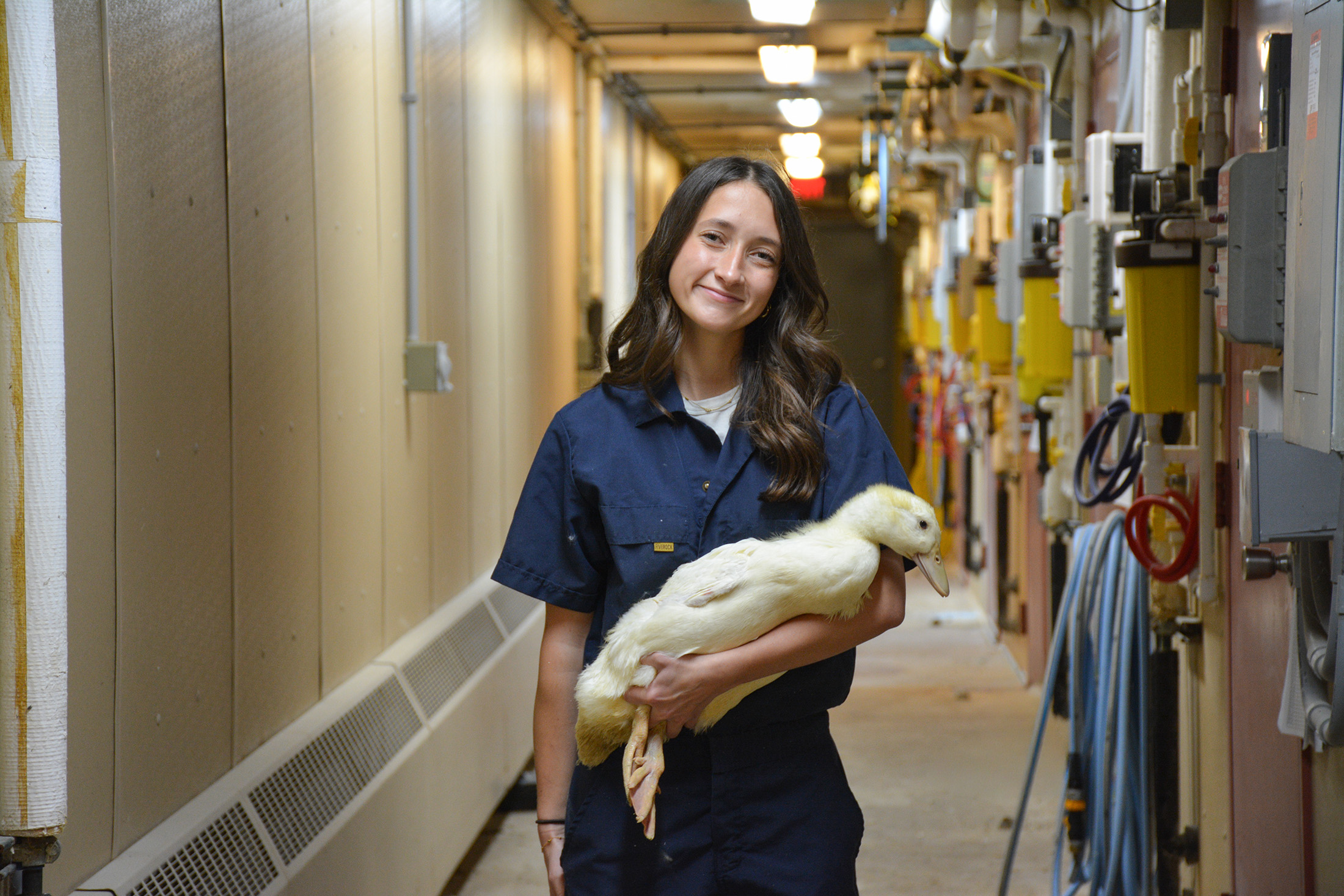
Kaitlyn Mossett gains hands-on experience in poultry research, leadership and industry internships.
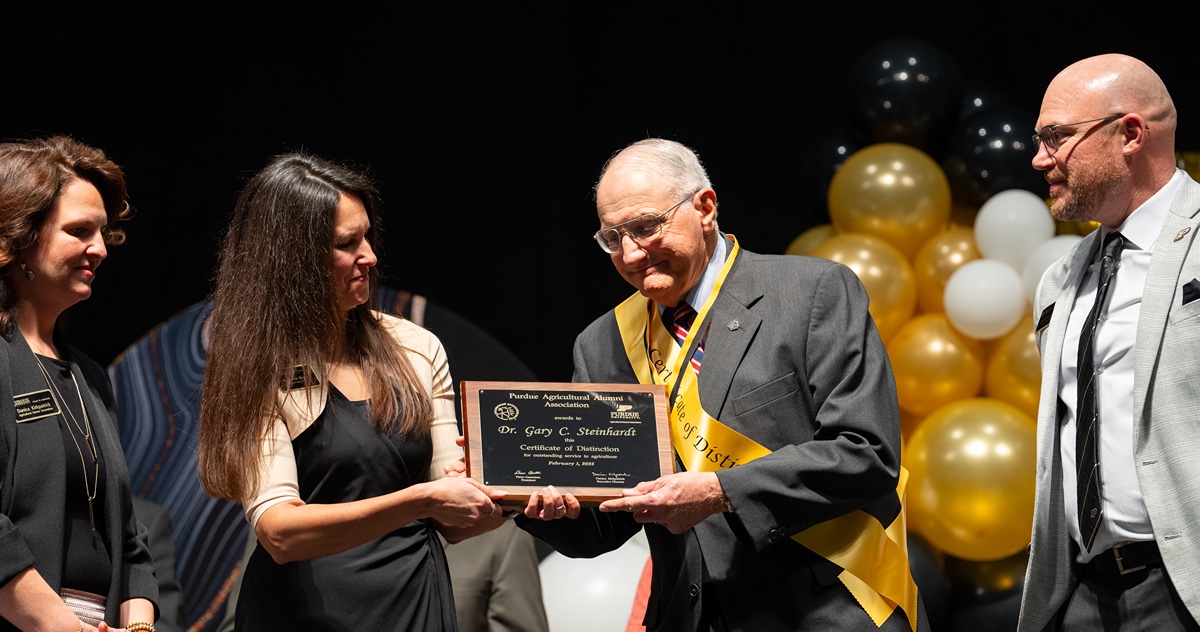
Gary Steinhardt’s father once told him that he would never leave their farm because living...
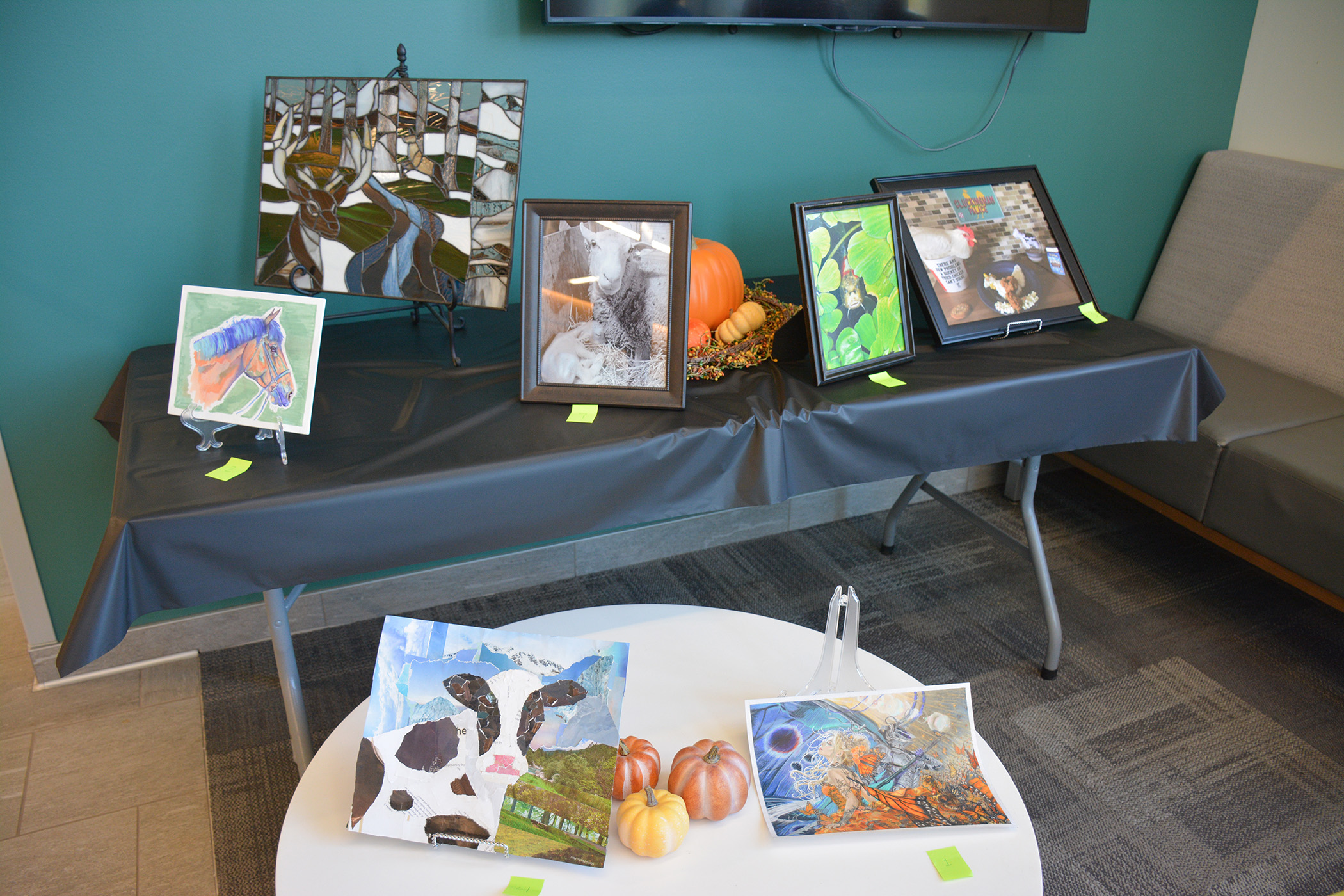
Purdue Animal Sciences celebrated student creativity with an art show and departmentwide costume...
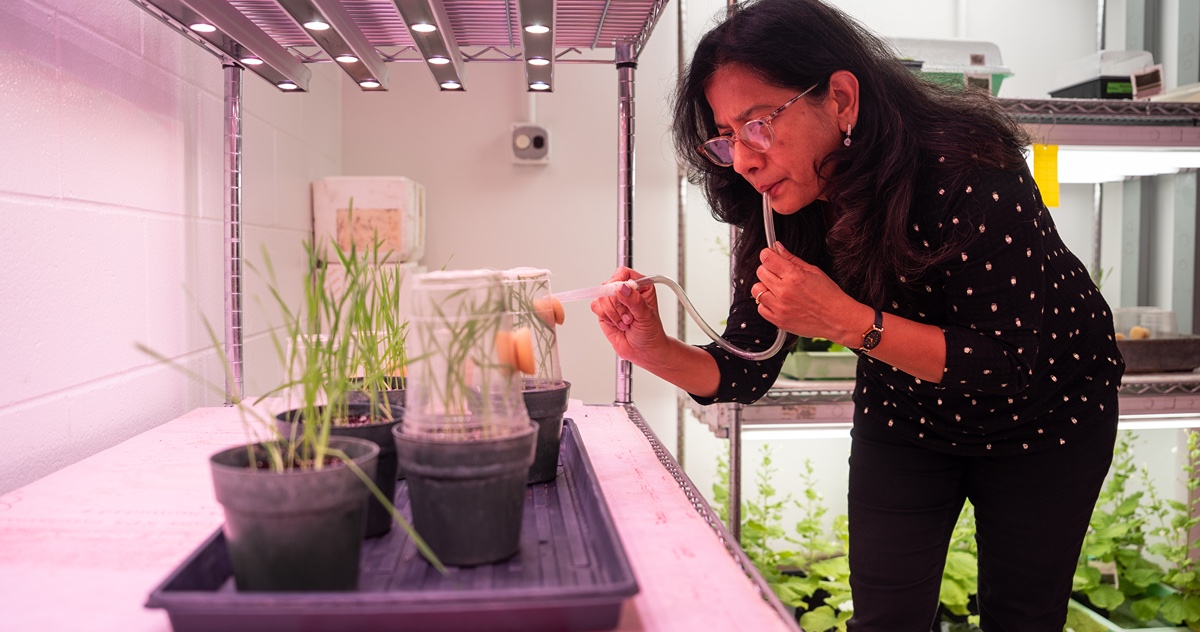
A tiny insect called the Hessian fly began plaguing U.S. wheat fields during the American...
Although Dean Zimmerman (BS Wildlife 1971) retired in 2015 after spending 43 years with the...
Dr. Jessica Gurevitch invites readers into a deeper understanding of the Earth system and its...