Making Honey Bee Genomics Routine
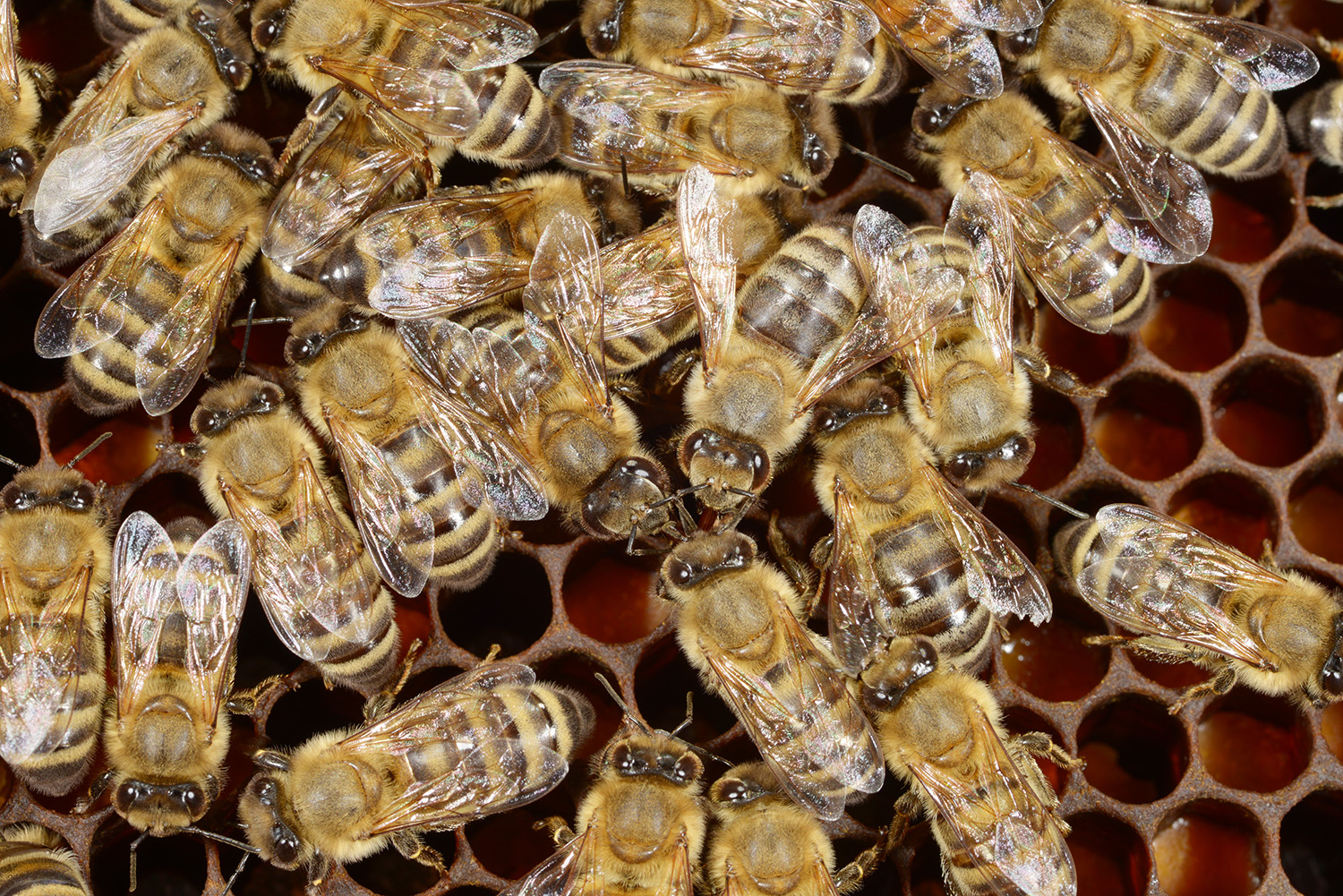
Dr. Brock Harpur’s lab in Purdue Entomology studies how honey bees evolve and adapt — questions that matter for the health of a pollinator agriculture depends on. To understand what a newly sequenced bee genome reveals, the lab first has to place it in the context of everything already known: thousands of bee genomes published in scientific databases over the years.
That comparison was the bottleneck. Building a library of gene variants from more than 5,000 published sequences, and rebuilding it every time a new genome arrived, was so slow and painstaking by hand that it stood in the way of the science itself.
Research Services partnered with the lab to take that work off the researchers’ plate. What once demanded constant expert attention, step by step, now runs start to finish on its own and can be repeated reliably whenever new sequences appear — freeing the lab to focus on the biology rather than the data wrangling. The collaboration helped Dr. Harpur earn a New Innovator in Food & Agriculture Research award from the Foundation for Food & Agriculture Research, and the approach has become a model others in the field can build on.
“It was great working with a flexible and skilled team that could adapt to my schedule while also working independently. The pipeline they’ve developed will be used by my lab and, hopefully, the field for many years to come. We’ve essentially set the standard for the field.”
— Dr. Brock Harpur