


Farmer Sentiment Rises Again in August as Future Expectations Improve
Michael Langemeier and Joana Colussi, Purdue Center for Commercial Agriculture
Farmer sentiment improved for the second month in a row, with the Purdue University-CME Group Ag Economy Barometer (AEB) Index increasing from 126 points in July to 135 points in August (see Figure 1). Both subindices also increased; however, the Index of Current Conditions rose by only 1 point, while the Index of Future Expectations increased by 11 points (see Figure 2). For the first time since June 2025, a higher proportion of respondents expect their operation to be better off financially (28%) than worse off (24%) a year from now. Optimism regarding export prospects over the next five years also improved this month, reaching an index value of 140, the highest since last December. Higher input costs, chosen by 45% of respondents, remained the biggest concern. The August barometer survey was conducted among 402 farmers across the country from August 10 to 14, 2026.
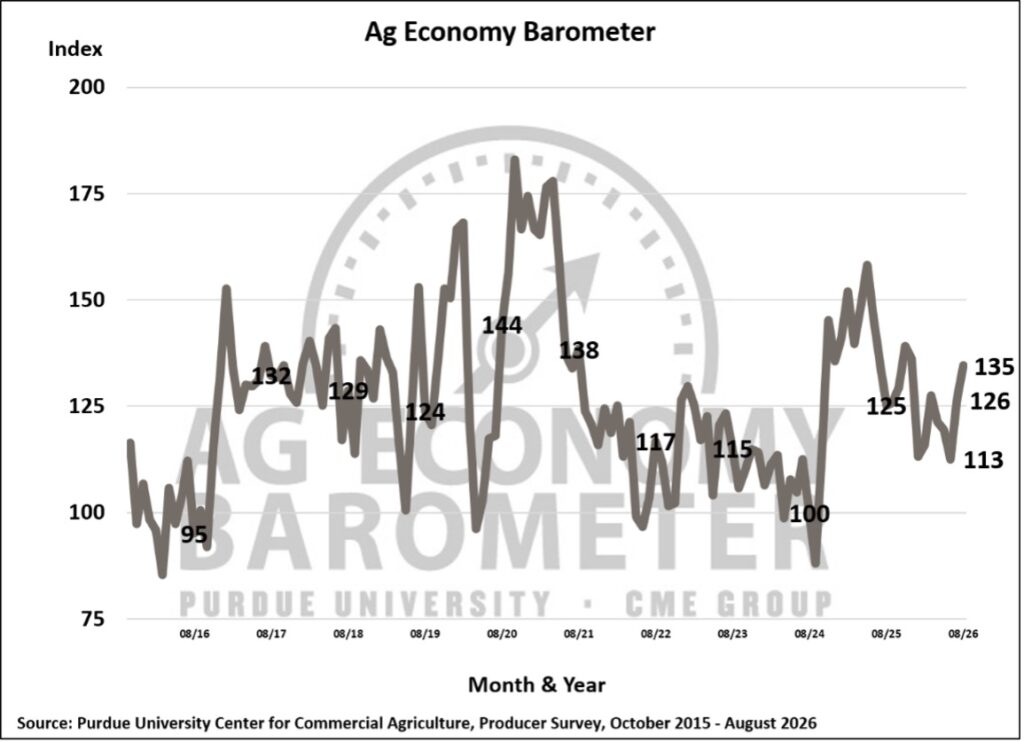
Figure 1. Purdue/CME Group Ag Economy Barometer, October 2015-August 2026.
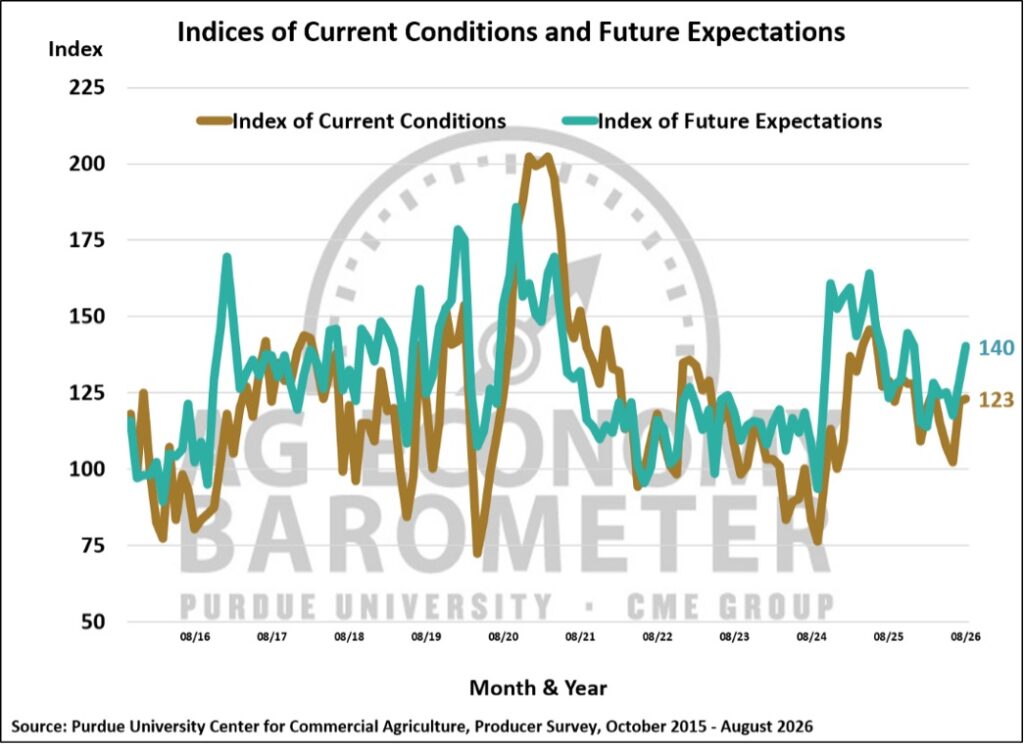
Figure 2. Indices of Current Conditions and Future Expectations, October 2015-August 2026.
The Farm Financial Performance Index increased from 90 at the start of the year to 103 in August, reflecting greater optimism among respondents about their financial prospects over the next 12 months. Despite this increase, the Farm Capital Investment Index dropped 5 points to 45 (see Figure 3).
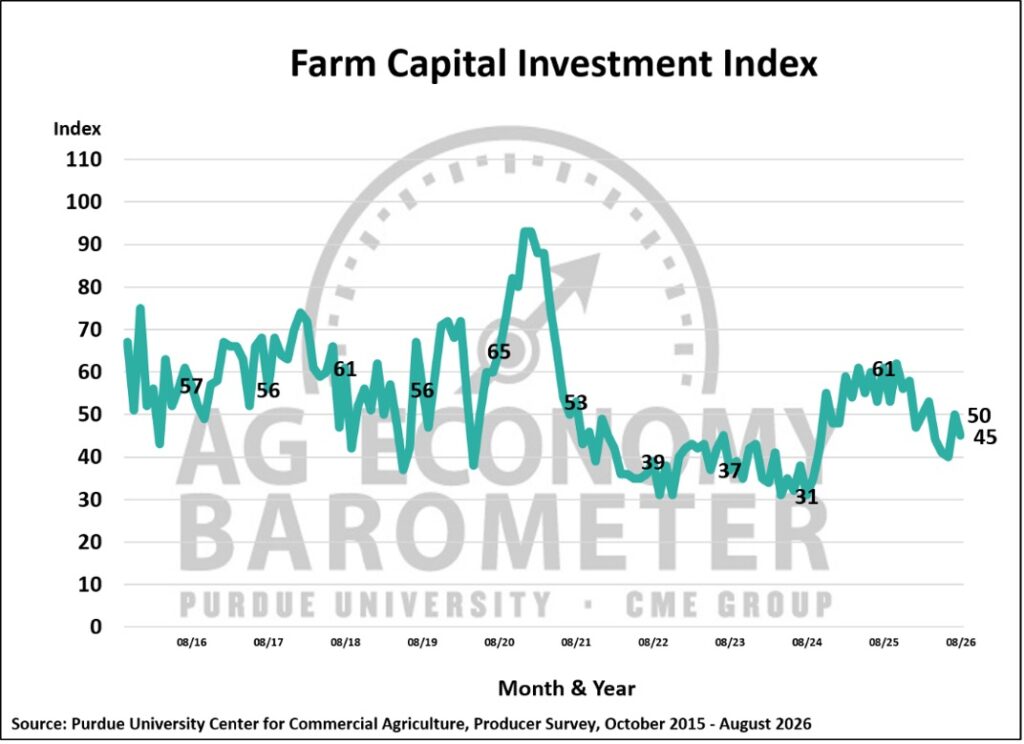
Figure 3. Farm Capital Investment Index, October 2015-August 2026.
This month’s survey included three questions about operator skills. The first question had respondents indicate the skill that generated the most return on investment on their farm. Production skills were selected by 29%, followed by financial management and analysis at 23%, strategic planning at 22%, selling products at 14%, and buying inputs at 11% (see Figure 4).
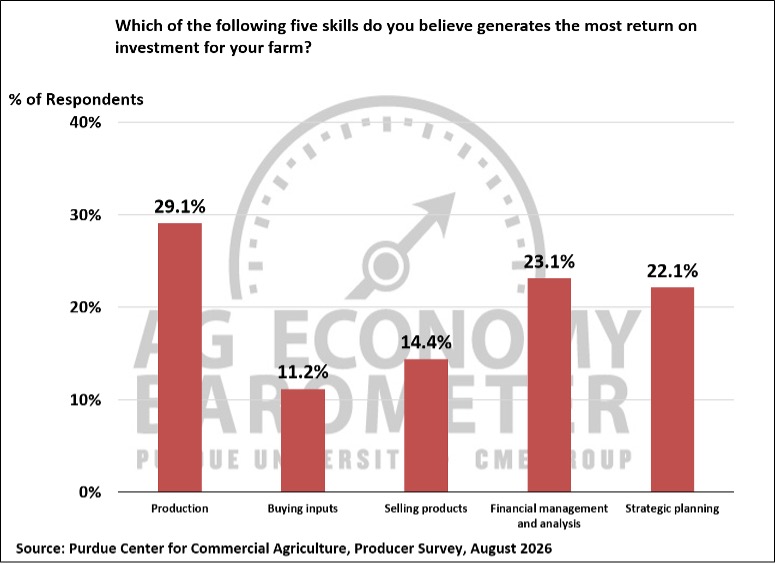
Figure 4. Skill Generating Largest Return on Investment, August 2026.
The second question asked respondents which skill their farm needed the most improvement in. Strategic planning was selected by 28% of respondents, followed by selling products at 20%, buying inputs at 19%, financial management and analysis at 17%, and production at 16% (see Figure 5). The third question asked respondents to indicate which skills they believed had the most potential for improvement using artificial intelligence. The top three choices, in order, were strategic planning (32%), financial management and analysis (28%), and production (18%) (see Figure 6).
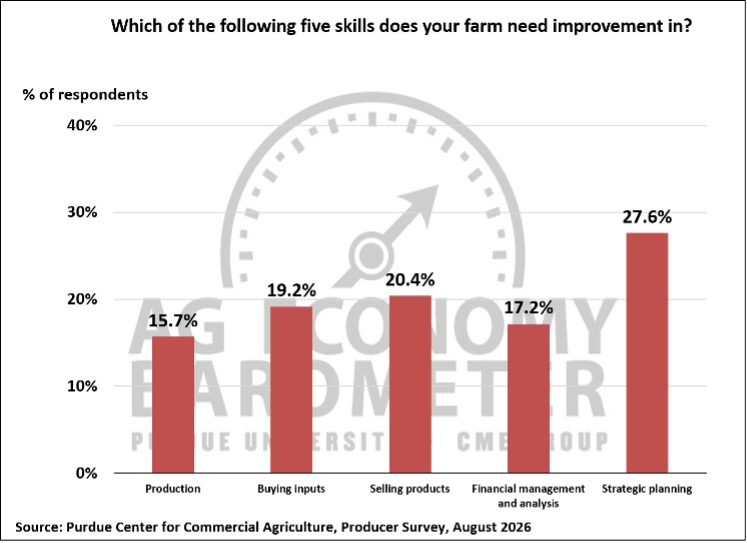
Figure 5. Skill Needing the Most Improvement, August 2026.
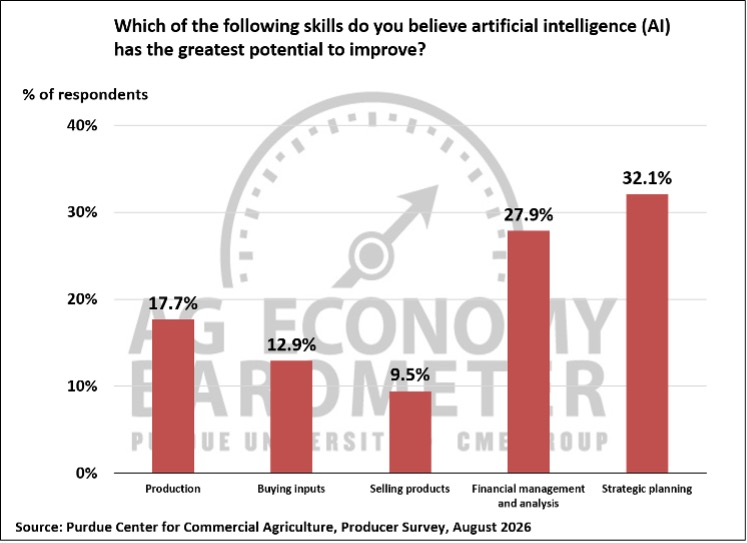
Figure 6. Skill that Could Be Improved with the Use of Artificial Intelligence Tools, August 2026.
The Short-Term Farmland Value Expectations Index increased by 8 points to 127 in August (see Figure 7). Alternative investments, interest rates, and inflation were cited as the three factors with the greatest influence on farmland values. Periodically, the survey includes a question asking respondents to rate farmland as an investment. In August, 65% of respondents indicated that farmland was a good investment, 17% indicated that farmland was a medium investment, and 18% indicated that farmland was a poor investment.
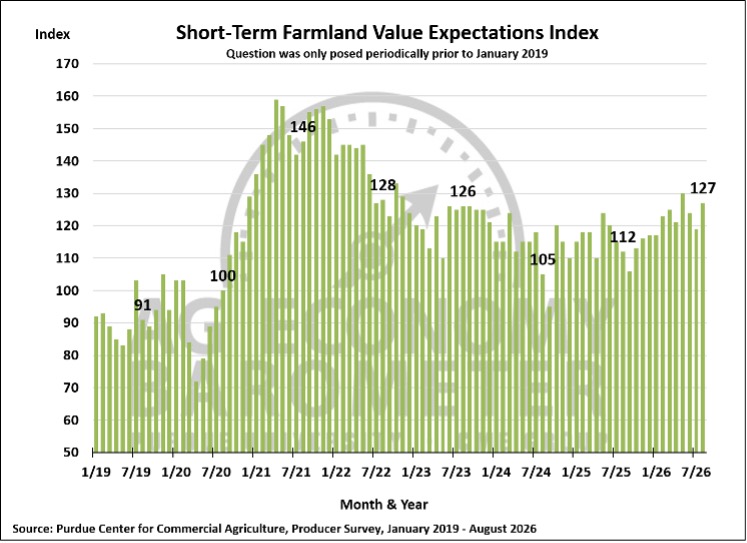
Figure 7. Short-Term Farmland Value Expectations Index, January 2019–August 2026.
Since July 2025, producers have been asked whether they think the U.S. is headed in the “right direction” or on the “wrong track.” After averaging 71% during the last six months of 2025 and 62% in the first quarter of 2026, the percentage of producers who said the U.S. was headed in the “right direction” has ranged from 51% to 57% since April, with 51% of respondents saying that the U.S. was heading in the right direction in August (see Figure 8).
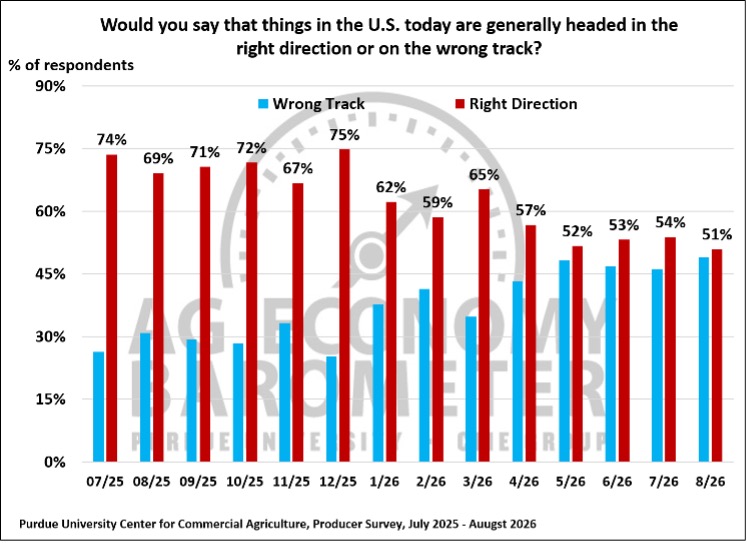
Figure 8. Are Things in the U.S. Today Headed in the Right Direction or on the Wrong Track?
Wrapping Up
Farmer sentiment increased again in August, with the largest improvement coming from the future expectations. The Index of Current Conditions increased by 1 point, while the Index of Future Expectations increased by 11 points. Respondents were more optimistic about their financial prospects and land values in the upcoming year and exports in the next five years, but were less confident about making new investments in machinery and buildings.
Despite the improvement in producer sentiment, important concerns remain. High input costs continue to be the biggest concern, followed by low crop and livestock prices and rising interest rates. Respondents were asked questions related to their farm’s key skills. Strategic planning was most frequently identified as the skill needing improvement. Interestingly, respondents also indicated strategic planning as the most likely skill that could be improved through the use of artificial intelligence (AI).