

Fall-applied Anhydrous Ammonia Best Practices – Dr. Jim Camberato
For those thinking about using anhydrous ammonia this year due to lower cost and greater availability. Please read this article by Dr. Jim Camberato, Soil Fertility Specialist at Purdue University.
To minimize the loss of nitrogen (N) from fall-applied anhydrous ammonia (AA), seal the application slot, avoid applications on poorly-drained or excessively well-drained soils, wait till soil temperatures approach freezing, and use a nitrification inhibitor*.
First things first, get a good seal on the application slot to avoid direct loss of ammonia to the air. This can be difficult when soils are either sopping wet or bone dry. If you can smell ammonia, N is being lost – this is especially troubling if you can still smell ammonia several days after application.
Ammonia that is trapped in the soil after application can be lost later by two mechanisms. On poorlydrained fields (heavy textured and wet) nitrate-N produced from ammonia can be lost to the air when soils are saturated. On excessively well-drained fields (sandy soils with low water holding capacity) the ammonium-N and nitrate-N produced from ammonia can be leached with excess rainfall below the rootzone. Fields with optimum drainage result in lower N loss than those that are poorly- or excessively well-drained. Nitrogen losses can occur throughout winter but the greatest losses occur
in spring when soils warm up and are ponded and/or the tile drains are flowing.
Delaying AA application until soils become cold is important because soil microorganisms convert ammonia to nitrate-N much more slowly as temperatures approach 32 oF, where conversion of ammonia to nitrate-N stops. The less nitrate-N produced the lower the chance of N loss. The standard advice is to wait till soils at a 4-inch depth are consistently below 50 oF and soil temperatures are expected to continue dropping to freezing. In the northern half of Indiana this could occur anywhere from the last couple weeks of October to the first weeks of December. Fall application of AA south of Interstate 70 is discouraged because of warm and fluctuating soil temperatures throughout winter.
A nitrification inhibitor is a substance that slows the activity of microorganisms that convert ammonia to nitrate-N, thus reducing the loss of N from fall-applied AA. Consider using a nitrification inhibitor* if you fall-apply AA.
Lastly, in addition to implementing agronomic best practices remember those practices necessary to keep everyone safe when handling, transporting, and applying anhydrous ammonia**.
*Nitrogen Extenders and Additives for Field Crops. 2017. D.W. Franzen and NCERA-103 Committee, North Dakota State University SP1581 (Revised).
**Anhydrous Ammonia – Understanding, Avoiding and Mediating Inherent Risks. 2021. F. Whitford and others. Purdue University Extension PPP-140.
Featured Stories
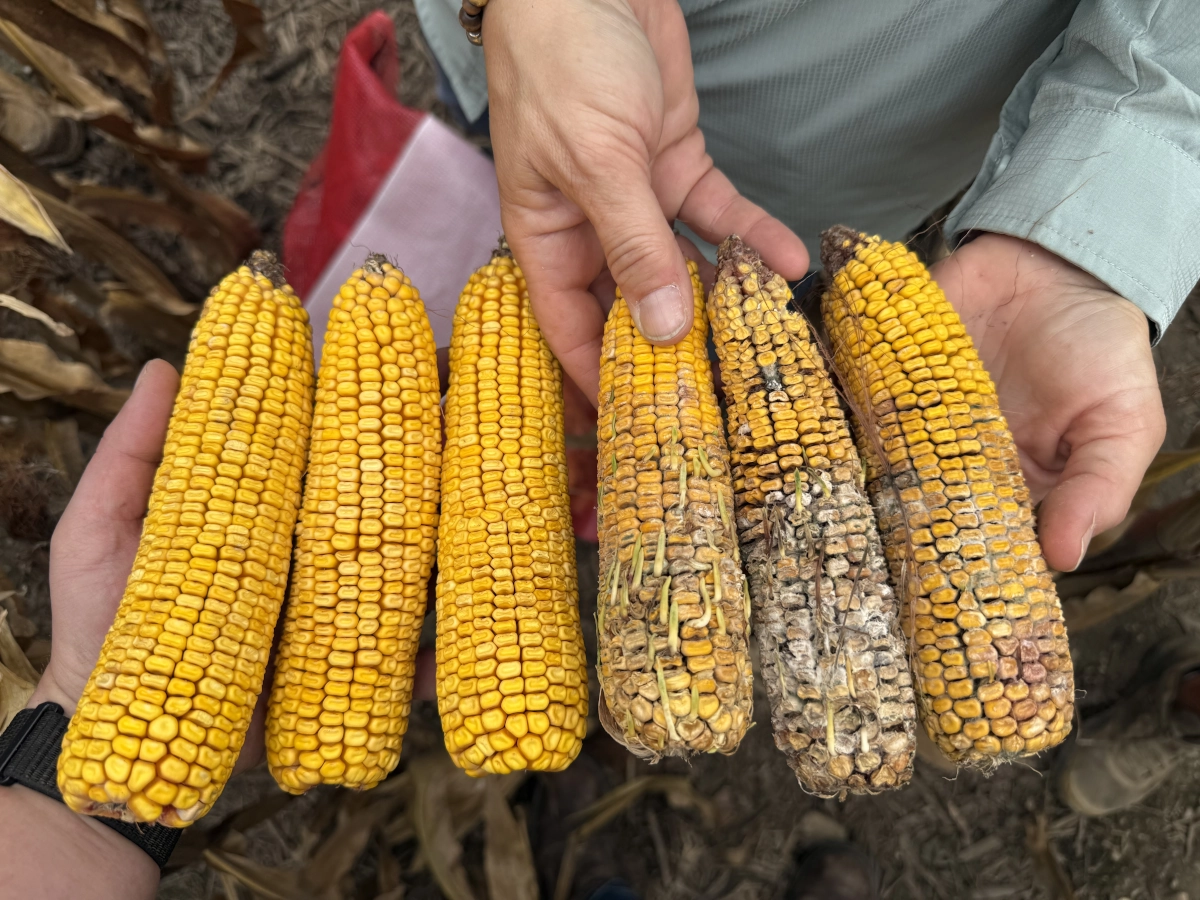
Risk & Mycotoxin Management in Indiana Corn
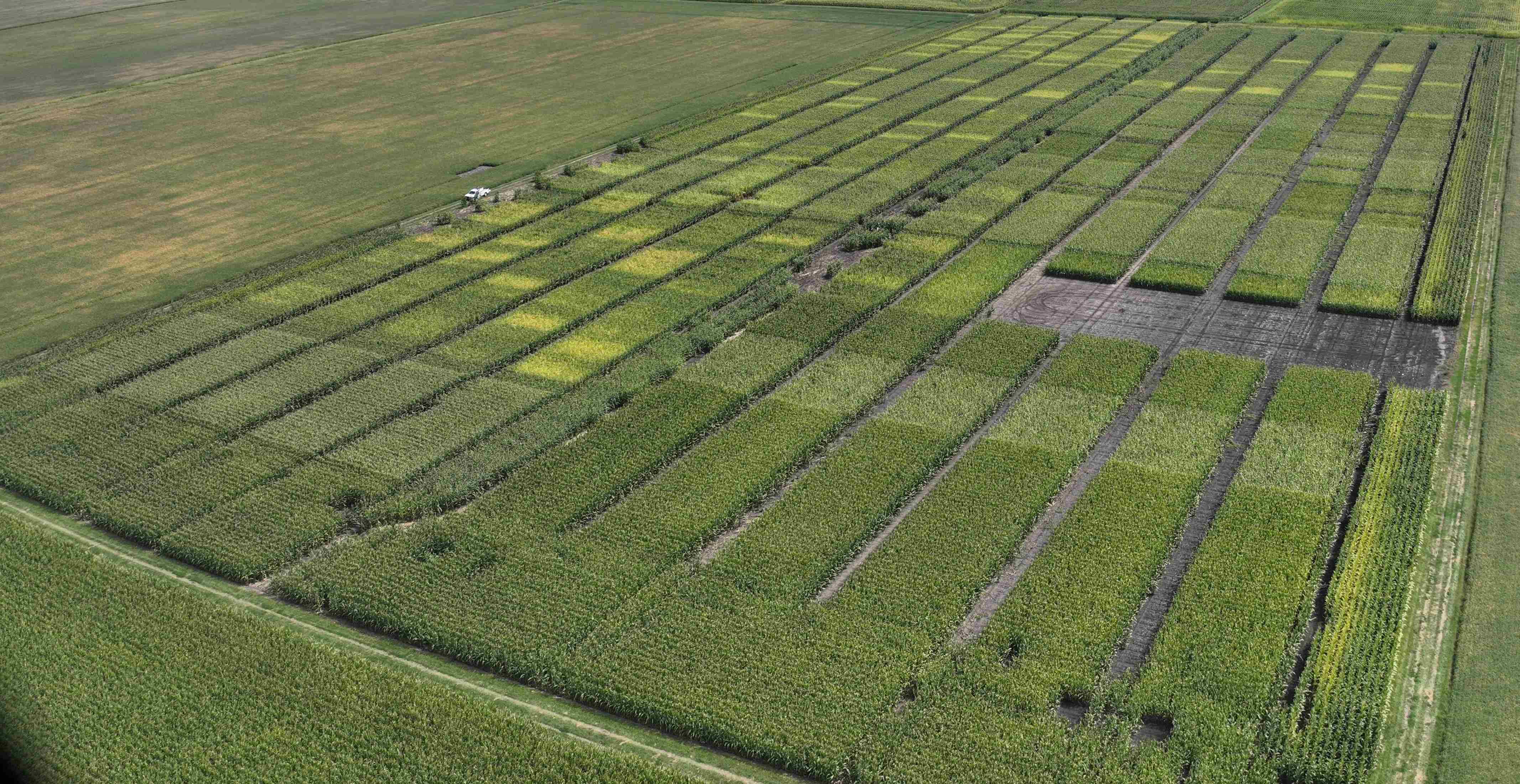
Indiana corn progress, Corn root architecture, corn anthers, USDA crop production forecast, weather.
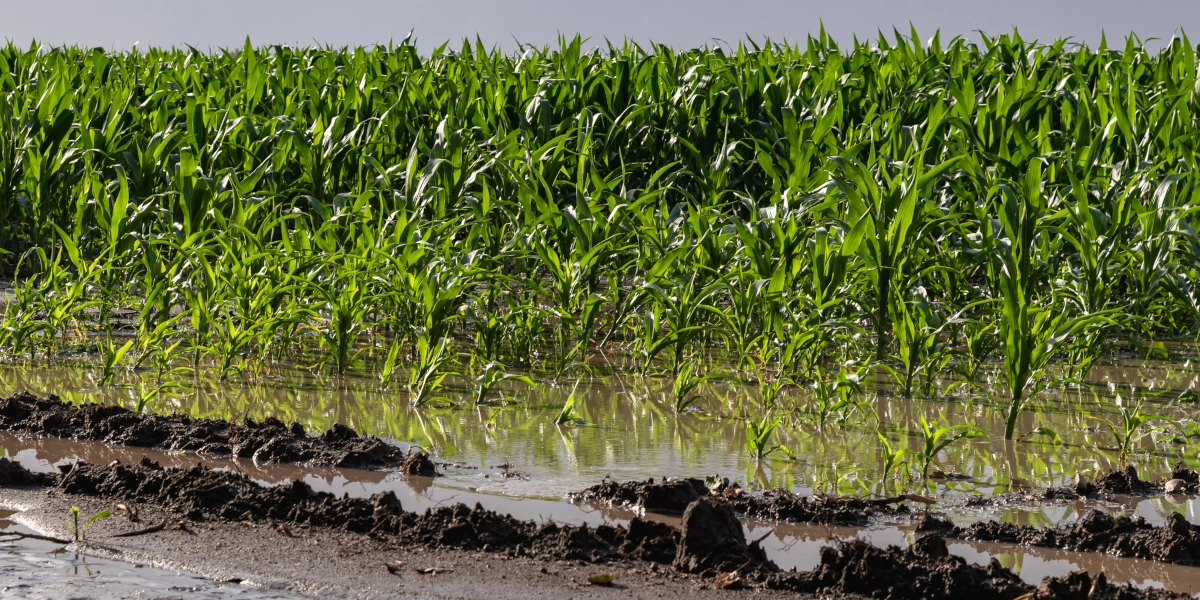
During the week of August 11, much of Indiana received excessive to record-setting rainfall...
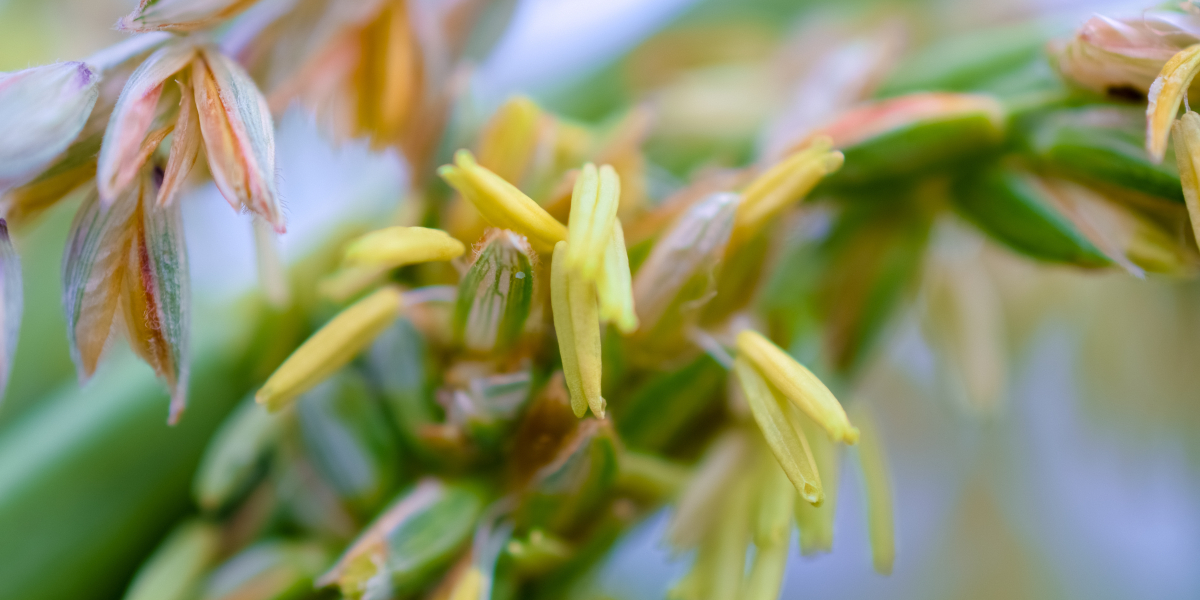
Throughout July in Indiana, tassels begin to emerge above the corn canopy, signaling the start of...
Indiana corn progress, mycotoxins & weather
Many areas of Indiana experienced excessive rainfall from mid-May through late June (Figure 1),...