

Introduction
Remember Grandma’s root cellar, which yielded crisp fruits and vegetables all winter long? Even though modern housing and central heating have pretty much done away with yesterday’s deep, dark cellars, you can still store fruits and vegetables at home without refrigeration.
Many fruits and vegetables picked in their prime can be stored in basements, cellars, out-buildings, and pits so long as adequate ventilation to allow cold outdoor air inside is provided. The storage areas described here are practical only where the average winter temperatures are below freezing from mid-November to mid-March.
Author
B. Rosie Lerner and Michael N. Dana
Conditions Necessary for Storage
Store only fresh, sound produce that is free from cuts, cracks, bruises, or other insect or mechanical injury. If any damaged, insect-infested, or diseased specimens are placed in storage, they could damage the entire supply. Handle produce carefully to prevent any mechanical damage. When harvesting and storing, use only containers that have smooth inner surfaces, free from any protrusions such as wire staples or splinters. Standard apple boxes and lug boxes for shipping tomatoes and grapes are good storage containers.
Vegetables should have as little field heat as possible when they are placed in storage. Harvest early in early morning on a cool day or let crops cool outdoors overnight before placing them in storage. Waxing vegetables is not recommended for home storage. The amount of wax to apply is critical and is difficult for the home gardener to control.
Keep your storage facilities clean. Get rid of any vegetables that show signs of decay or damage. Remove all containers from storage facilities at least once a year, and clean and air them in the sun. This is best done in early spring when old vegetables are being discarded, and in late fall when you are ready to store your new season’s crop.
Temperature and Humidity
Maintaining proper temperature will do much toward lengthening the time the produce can be stored (Table 1). In a large storage area or storage rooms, place one thermometer in the coldest location of the room and the other outdoors. Outdoor temperatures well below 32°F are needed to cool storage air to 32°F and to maintain that temperature. Once cooled to 32°F, the temperature will rise again if ventilators are closed, even though outdoor temperature is about 25°F. Close ventilators tightly whenever the outdoor temperature is higher than the storage temperature. Also be careful that produce doesn’t freeze during extremely cold weather.
Correct humidity levels maintain produce freshness and prevent excessive shriveling. A simple humidity gauge available at most hardware stores can be used to monitor relative humidity. Humidity can be elevated by sprinkling the floor of the storage area frequently, by placing large pans of water under fresh-air intake vents, or by covering the floor with wet materials such as straw or odorless sawdust. However, these methods will not produce enough humidity for root crop storage. The easiest and most efficient way to control moisture loss is to place produce in polyethylene bags or box liners. Be sure they have several 1/4 to 3/8-inch holes in the sides to permit ventilation. If moisture collects on the inside of the bag, punch a few more holes. See Table 1 for recommended humidity levels.
Home Basements
Most home basements which contain a furnace are too warm for storing fruits and vegetables. However, such location are ideal for ripening tomatoes and for short-term storage of potatoes, sweet potatoes, and onions.
For short-term storage (3-6 weeks) or ripening, partition off a north or east side of the basement, preferably one without heating pipes or ducts. Choose a location with at least one window for cooling, but prevent light from coming in the windows during the storage period.
Fruits, particularly apples and pears, should be stored in a separate area from vegetables. These fruits give off relatively large amounts of ethylene gas which could damage vegetables. Fruits may also absorb odors from such vegetables as potatoes and turnips. Store the fruits and vegetables on shelves or removable slatted flooring. Fruits and vegetables can also be stored in wooden crates and boxes or wooden bins. Some homes have unheated basements with dirt floors which are ideal for storage. An outdoor entrance or window will aid ventilation.
Pits
A cone-shaped pit can be constructed to store small amounts of vegetables such as potatoes, carrots, beets, turnips, salsify, parsnips, and cabbage (Figure 1). Such structures can also be used for storing winter apples and pears.
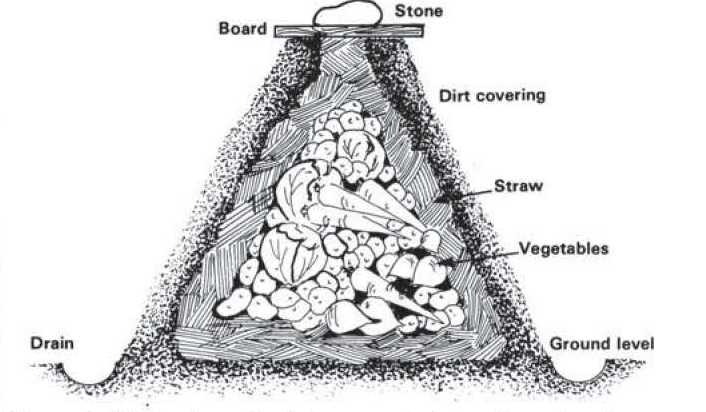
Figure 1. Cone-shaped pit showing details of construction.
Construct the pit at ground level or dig a hole 6-8 inches deep in a well-drained location. Place or spread a layer of straw, leaves, or other bedding material on the ground.
Then stack the fruits or vegetables on the bedding in the cone-shaped pile. Never store fruits and vegetables in the same pit. Cover the entire amount of produce with more bedding material and then cover the entire pile with 3-4 inches of soil. Firm the soil with the back of a shovel to make the pit waterproof. Finish by digging a shallow drainage ditch around the pit. Be sure the water drains away from the pit.
With small pits, allow the bedding material over the vegetables to extend through the soil at the top of the pile for ventilation. Cover the top of the pile with a board or piece of sheet metal to protect the produce. A stone or heavy object should be used to weight down the cover.
In large pits, place 2-3 boards or stakes up through the center of the pile of fruits or vegetables to form a flue. Cap the flue with two pieces of board nailed together at right angles.
Produce stored in this type of pit must all be removed once the pit is opened during cold weather, particularly when the soil is frozen. For this reason, it is better to construct several small pits rather than one large one.
When constructing small pits, place a small quantity of several different vegetables in each pit. Then you need open only one pit to get a variety of vegetables. When several vegetables are stored in the same pit, separate them with straws or leaves.
Late Cabbage
Cabbage may be stored in outdoor storage cellars, in cone-shaped pits (Figure 1), or in long pits (Figure 2). The advantage of long pits over cone-shaped pits is that you can remove a few heads of cabbage from a long pit without disturbing the rest of the produce.
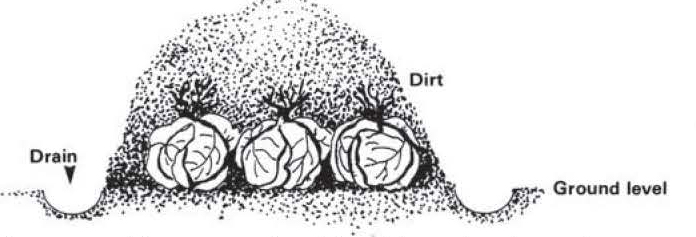
Figure 2. Cabbages are placed head down in a long pit.
To store cabbages in a long pit, pull the plants out by the roots, place them head down in the pit, and cover them with soil.
You can also store cabbage in a shallow trench that is framed with stakes or poles and covered with straw (Figure 3). To store cabbage this way, pull the plants out by the roots and set them side by side with their roots in the trench. After you put the plants in the trench, pack soil around the roots. Then build a frame about 2 feet high around the trench. The frame may be made of boards or poles or of stakes driven into the ground. Next, bank soil around the frame. Finally, place poles across the top of the frame to hold a covering of straw, hay, or corn fodder.
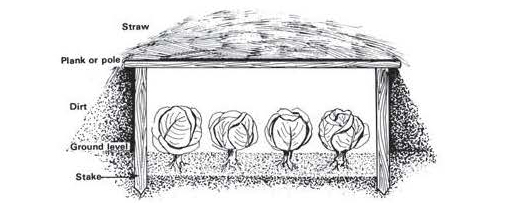
Figure 3. Cabbages are placed upright in a trench that is framed with
stakes and covered with straw.
Heads of cabbage may also be stored on shelves in an outdoor storage cellar. Do not keep them in your basement, because cabbage odor is likely to spread through the house.
Tile Storage
Tile storage will function in any well-drained outdoor area or where a basement can be excavated. The tile should be located away from possible overflow water from downspouts or eaves and where the area will be shaded in summer and winter. The shade may be from a north location or under some low overhanging shrubs. For convenience, located the storage near the kitchen door.
Tile size may vary from 18 x 30 inches, inside diameter and depth, to 24 x 24 inches or larger if available. When bushel basket containers are used, the 18-30 size (3 bushel) is most economical, while the 24 x 24 size (6.5 bushel) is best adapted for bulk.
Drain Tile is Best
Drain tile is best adapted for storing those fruits and vegetables which require a cool, moist place (Figure 4). Other types of tile may also be used. Metal conducts heat and cold. Wood may rot and the odor be absorbed by the stored fruits or vegetables. If more than one tile is desired, space them 2 feet apart.
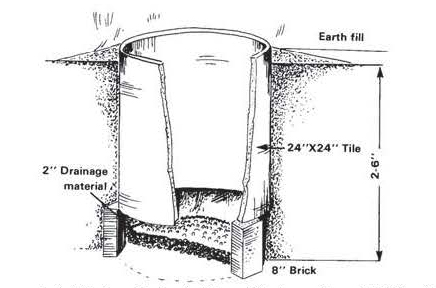
Figure 4. A 24- by 24-inch tile will store about 6.5 bushels.
Six Points for Good Tile Storage
- Dig a hole just large enough to let the tile fit snugly. Use a measuring stick for determining the outside diameter, and hold to that size. The hole should be dug 6 inches deeper than the length of the tile.
- After the hole is dug, place three standard size bricks (divide area into thirds) on ends, flat side to the wall, countersink if necessary, for a base. This will leave 8 inches of exposed soil below the tile. Lower the tile into the hole. Mound the soil up to the lip of the tile from the excavated soil.
- For proper aeration under the bottom basket, or bulked produce, a few shovelsful of coarse drainage material is placed in the bottom of the hole. The storage is now ready after pre-cooling. Do not place warm vegetables in the cooled tile because they will raise the temperature.
- Over the top of the tile lay a 36 x 36 inch square piece of 1/2-inch hardware cloth or gravel screen. This is to provide aeration, keep out rodents, and to prevent the insulating material from falling on top of the produce.
- Spread a bushel basket or so full of dry leaves over the hardware cloth. This should make 3-4 inches on insulation. Cover with a waterproof lid.
- An old, large size tub, which will keep out water but not hold water, may be used for 18 to 20-inch diameter tile. Old covers from brooder stoves, especially constructed wood, or metal covers may be used. The head space above the insulation should be at least 4 inches.
November Through May
The tile storage may be opened at any time. Lift back the lid, grasp one corner of the hardware cloth and lift back, exposing the produce. Two long-handled hooks may be made from heavy wire and used to lift baskets from the tile or to lift out open mesh sacks when they are used. To reseal the storage, let the hardware cloth drop, evenly redistribute the insulation, and press the cover down tight. Now and then it may be necessary to weight down the lid. Fruits and vegetables have been kept in crisp condition as late as June, although the recommended season is from November through May.
Other Storage Methods
A second refrigerator is a reliable alternative produce preservation method. While this involves increased cost of operation, efficiency is high if the refrigerator is opened infrequently. Also, a location in a garage or other unheated area will mean minimal electric costs during the winter.
A traditional cellar, separate from the house, is another option. Substantial costs of construction are usually involved, however, and such investment may be more wisely made in conveniently accessible basement storage.
Variations on in-ground storage include the use of a discarded barrel or plastic or metal garbage can sunk into the ground. Use of straw and plastic bags around produce for additional insulation and to prevent odor absorption is suggested. Some vegetables such as horseradish can be left in the garden and dug as needed until the soil freezes deeply. A 6 to 8-inch mulch layer will help delay deep freezing.
Table 1. Storage for Vegetables and Fruits
| Commodity | Freezing point (°F) | Temperature (°F) | Relative humidity (%) | Length of storage |
|---|---|---|---|---|
| Vegetables | No data | No data | No data | No data |
| Artichoke, Jerusalem | No data | 31-32 | 90-95 | 2-5 months |
| Asparagus | 30.9 | 32-36 | 95 | 2-3 weeks |
| Bean & Pea, dry (1) | No data | 32-40 | 65-70 | 1 year |
| Bean, Green or Snap | 30.7 | 40-45 | 90-95 | 7-10 days |
| Bean, Lima | 31.0 | 32-40 | 90 | 1-2 weeks |
| Beet (topped) | 30.3 | 32 | 95 | 3-5 months |
| Broccoli | 30.9 | 32 | 90-95 | 10-14 days |
| Brussels Sprout | 30.5 | 32 | 90-95 | 3-5 weeks |
| Cabbage, late | 30.4 | 32 | 90-95 | 3-4 months |
| Cabbage, Chinese | No data | 32 | 90-95 | 1-2 months |
| Carrot (topped) | 29.5 | 32 | 90-95 | 4-5 months |
| Cauliflower | 30.6 | 32 | 90-95 | 2-4 weeks |
| Celeriac | 30.3 | 32 | 90-95 | 3-4 months |
| Celery | 31.1 | 32 | 90-95 | 2-3 months |
| Collard | 30.6 | 32 | 90-95 | 10-14 days |
| Corn, Sweet | 30.9 | 32 | 90-95 | 4-8 days |
| Cucumber | 31.1 | 45-50 | 90-95 | 10-14 days |
| Eggplant | 30.6 | 45-50 | 90 | 1 week |
| Endive & Escarole | 31.9 | 32 | 90-95 | 2-3 weeks |
| Garlic, dry | 30.5 | 32 | 65-70 | 6-7 months |
| Horseradish | 28.7 | 30-32 | 90-95 | 10-12 months |
| Kale | 31.1 | 32 | 90-95 | 10-14 days |
| Kohlrabi | 30.2 | 32 | 90-95 | 2-4 weeks |
| Leek | 30.7 | 32 | 90-95 | 1-3 months |
| Lettuce | 31.7 | 32 | 95 | 2-3 weeks |
| Melon, Muskmelon (Cantaloupe) | 29.9 | 32-40 | 85-90 | 5-14 days |
| Melon, Honeydew | 30.3 | 45-50 | 85-90 | 3-4 weeks |
| Melon, Watermelon | 31.3 | 40-50 | 80-85 | 2-3 weeks |
| Mushroom | 30.4 | 32 | 90 | 3-4 days |
| Okra | 28.7 | 45-50 | 90-95 | 7-10 days |
| Onion, dry | 30.6 | 32 | 65-70 | 1-8 months |
| Onion, green | 30.4 | 32 | 90-95 | 3-5 days |
| Parsley | 30.0 | 32 | 90-95 | 1-2 months |
| Parsnip | 30.4 | 32 | 90-95 | 2-6 months |
| Pea, Green | 30.9 | 32 | 90-95 | 1-3 weeks |
| Pepper, dry | No data | 32-50 | 60-70 | 6 months |
| Pepper, Sweet | 30.7 | 45-50 | 90-95 | 2-3 weeks |
| Potato, late | 30.9 | 40-45 | 90 | 2-9 months |
| Pumpkin | 30.5 | 50-55 | 70-75 | 2-3 months |
| Radish | 30.7 | 32 | 90-95 | 3-4 weeks |
| Rhubarb | 30.3 | 32 | 95 | 2-4 weeks |
| Rutabaga | 30.1 | 32 | 90-95 | 2-4 months |
| Salsify | 30.0 | 32 | 90-95 | 2-4 months |
| Spinach | 31.5 | 32 | 90-95 | 10-14 days |
| Squash, Summer | 31.1 | 32-50 | 90 | 5-14 days |
| Squash, Winter | 30.5 | 50-55 | 50-75 | 2-6 months |
| Tomato - Green, mature | 31.0 | 55-70 | 85-90 | 1-6 weeks |
| Tomato - Colored, firm | 31.1 | 45-50 | 85-90 | 4-10 days |
| Turnip | 30.1 | 32 | 90-95 | 4-5 months |
| Fruit | No data | No data | No data | No data |
| Apple | 29.3 | 30-40 | 90 | 3-8 months |
| Apricot | 30.1 | 31-32 | 90 | 1-2 weeks |
| Blackberry | 30.5 | 31-32 | 90-95 | 2-3 days |
| Blueberry | 29.7 | 31-32 | 90-95 | 2 weeks |
| Cherry, Sour | 29.0 | 32 | 90-95 | 3-7 days |
| Cherry, Sweet | 28.8 | 30-31 | 85-90 | 2-3 weeks |
| Grapefruit | 30.0 | 40-50 | 85-90 | 4-6 weeks |
| Grape | 29.7 | 31-32 | 85 | 2-8 weeks |
| Orange | 30.5 | 32-40 | 85-90 | 3-10 weeks |
| Peach | 30.3 | 31-32 | 90 | 2-4 weeks |
| Pear | 29.2 | 29-31 | 90-95 | 2-4 months |
| Plum | 30.5 | 31-32 | 90-95 | 2-4 weeks |
| Raspberry | 30.0 | 31-32 | 90-95 | 2-4 days |
| Strawberry | 30.6 | 32 | 90-95 | 5-7 days |