Farmer sentiment slips again as high input costs remain top concern
Farmer sentiment declined slightly in May as the Purdue University/CME Group Ag Economy Barometer fell to 119, down from 121 in April. May’s...
There are a few constants in human life. Sleeping. Breathing. Using the bathroom. But the constant that captures the most of our time and attention, the one that’s central to our cultures, our families, our memories, is eating. From a baby’s first bite of banana to a child’s birthday cake to college pizza parties to anniversary boxes of chocolate, food is how we mark time, bond and show love. Increasingly, it’s clear that food is also the key to our health, in ways both obvious (candy rots your teeth) and less obvious (how certain fibers affect the microbiome).
READ MORE
Farmer sentiment declined slightly in May as the Purdue University/CME Group Ag Economy Barometer fell to 119, down from 121 in April. May’s...
Converting aquaculture sludge with a natural microbial process into a viable renewable biofuel presents a mind-numbing chess match of biochemical...
Are you curious about composting, but unsure how to do it — or if it even makes a difference? May 29 is National Learn About Composting Day.
Measuring the impact of education is never straightforward. A farmer who learns a better grain storage technique from an instructional video might...
This perennial question puzzles farmers and agricultural researchers alike: How much nitrogen fertilizer do corn fields need to ensure optimal...
What will it take for humans to survive — and thrive — in deep space? In this Space Day feature, Marshall Porterfield, professor of Agriculture and Biological Engineering at Purdue University, explains how bio‑regenerative life support systems could make long‑duration space missions possible.
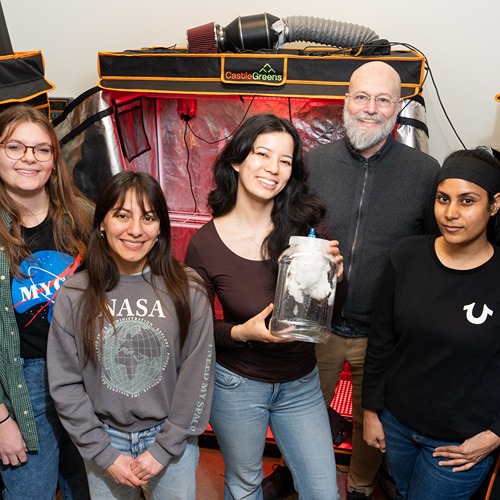
As NASA prepares for future missions to the Moon and Mars, scientists must answer a critical question: how do we grow food in space? In this Space Day feature, Anjali Iyer-Pacuzzi, Professor of Botany and Plant Pathology, and Denise Caldwell, PhD Candidate in Botany and Plant Pathology, share their research on how plants respond to microgravity and pathogens in spaceflight. Their NASA‑supported work studied tomato plants grown in microgravity to understand plant immunity, food security, and sustainability far from Earth.
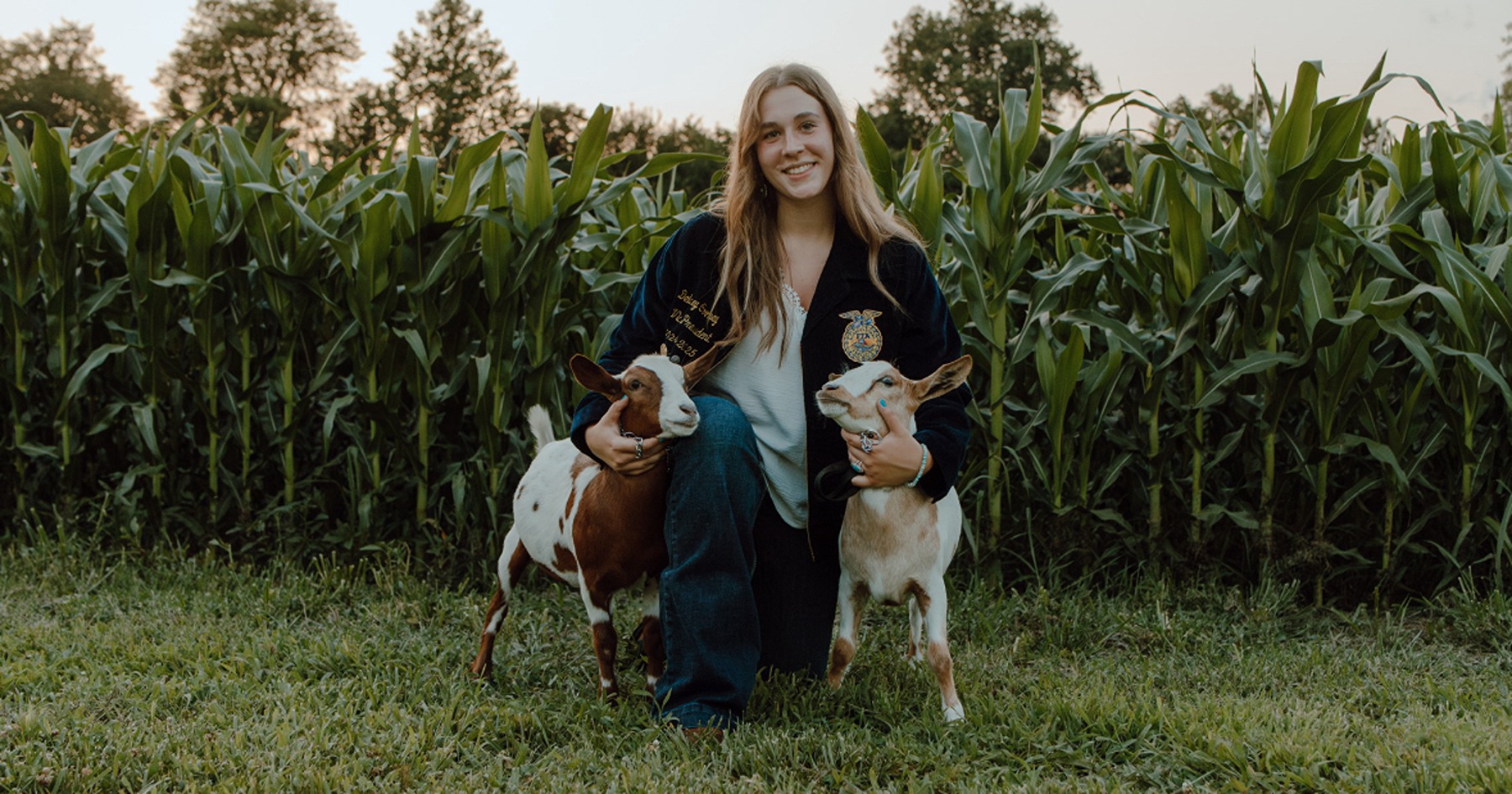
Taylor Neal is a Spring Start student in animal sciences with a concentration in pre-veterinary medicine. Hear how saying "Yes" to opportunities at Purdue helped her get involved and find her community.