

Land of Opportunity: A Conference for farmland owners
Everyone is invited to join us for the Land of Opportunity: A Conference for Farmland Owners!
This conference will be held in two locations to help better serve our audience.
October 5, 2026
Honeywell Center
275 W Market St.
Wabash, IN
October 6, 2026
Terre Haute Convention Center
800 Wabash Avenue
Terre Haute, IN
Registration check-in starts at 8:15 a.m. Eastern
Program begins at 9:00 a.m. to 3:20 p.m. Eastern
Price $40 per person
Registration Deadline: September 29th
REGISTER HERE
The Land of Opportunity: A Conference for Farmland Owners will be held at two locations on October 5 and October 6, providing farmland owners with valuable information and resources to help them make informed decisions about their land. The conference will feature keynote presentations, educational breakout sessions, and networking opportunities designed specifically for those who own, manage, or have an interest in farmland.
We are excited to welcome Roger McEowen, Professor of Agricultural Law and Taxation at Washburn University School of Law, and Howard Halderman, CEO and President of Halderman Farm Management Service and Halderman Real Estate Services, as our keynote speakers. Attendees will also have the opportunity to choose from breakout sessions focused on Land Leasing Dynamics, Conservation, Estate Planning, and Taxes.
Keynote Presenters
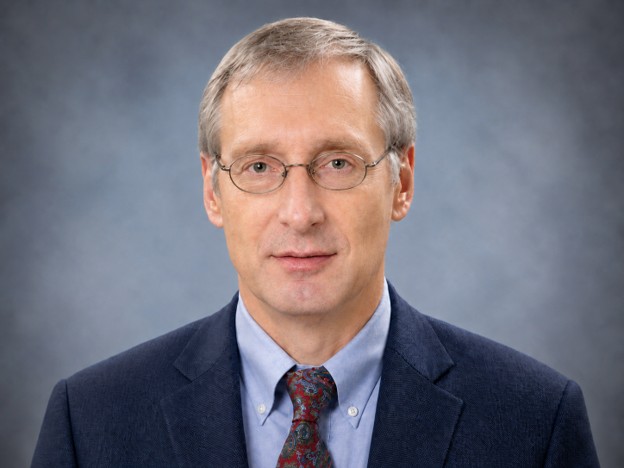
Roger McEowen, Professor of Agricultural Law and Taxation at Washburn University School of Law, will serve as one of the conference's keynote speakers. In his presentation, "So You Own Rural Land: What Legal and Tax Issues Do You Need to Know About?", Roger will provide practical guidance on the legal and tax responsibilities that come with owning rural property. Drawing on decades of experience, he will cover topics such as property ownership, farmland leasing, liability concerns, conservation issues, taxes, and estate planning strategies, helping landowners better protect their investment, avoid costly mistakes, and preserve the long-term value of their land. Whether attendees recently purchased acreage, inherited family farmland, or have owned rural property for years, this session will offer valuable insights to help them navigate today's complex legal and regulatory landscape. Participants will leave with a better understanding of the risks and opportunities associated with rural land ownership and practical strategies they can put to use immediately.
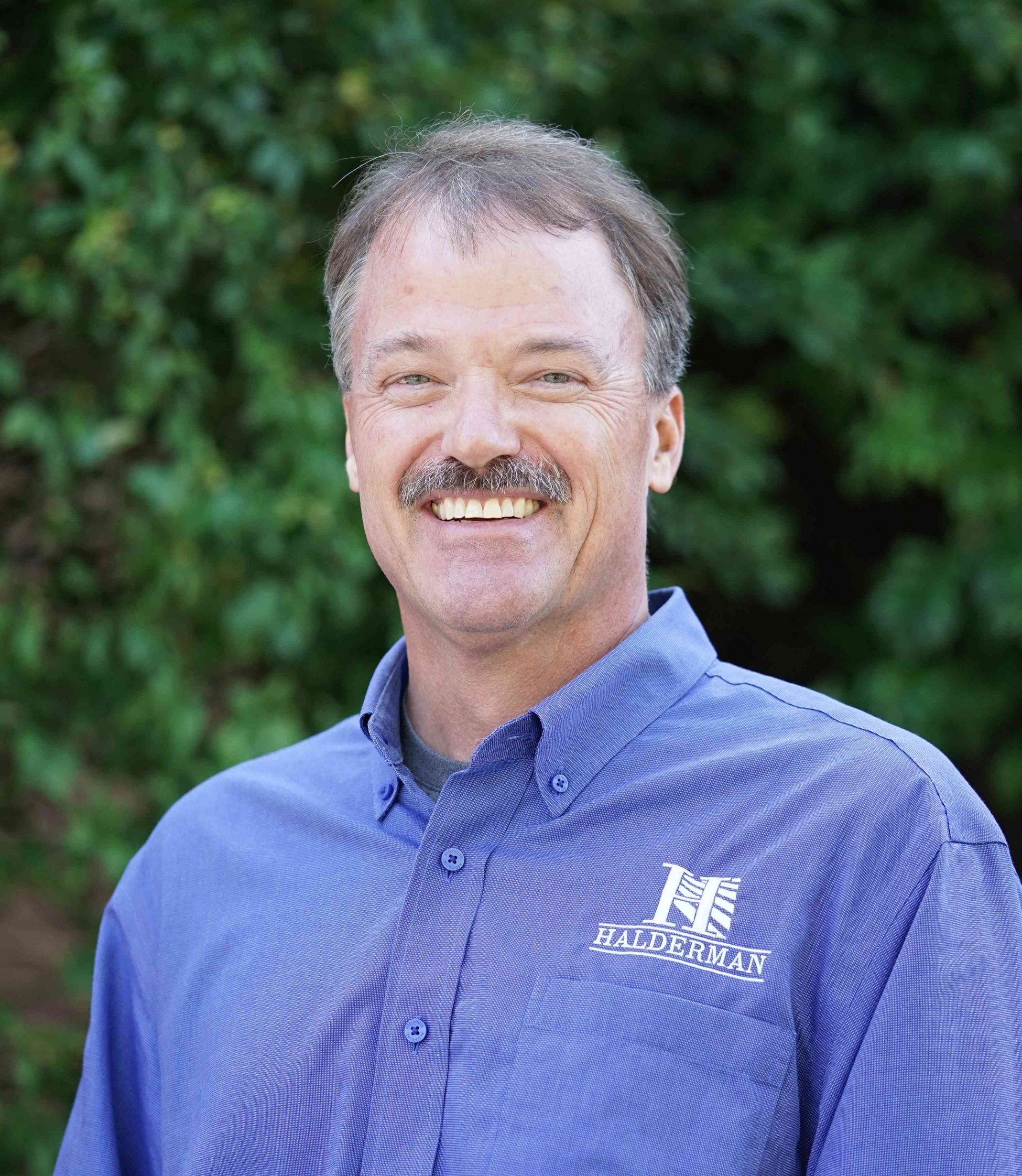
Howard Halderman, CEO/President of Halderman Farm Management Service and Halderman Real Estate Services, will serve as one of the conference's keynote speakers. In his presentation, "Where is Farmland Headed in the Fall of 2026? What is the Right Cash Rent for 2027?", Howard will examine the current state of the farmland market and the broader agricultural economy, highlighting the key factors driving farmland values and rental rates. Drawing on his extensive experience in farm management and real estate, he will provide insights into market trends and what they may mean for landowners as they make decisions for the coming year. Attendees will gain a better understanding of the opportunities and challenges shaping the agricultural landscape and leave with practical information to help inform their farmland investment and leasing decisions.
Capnote Presenter
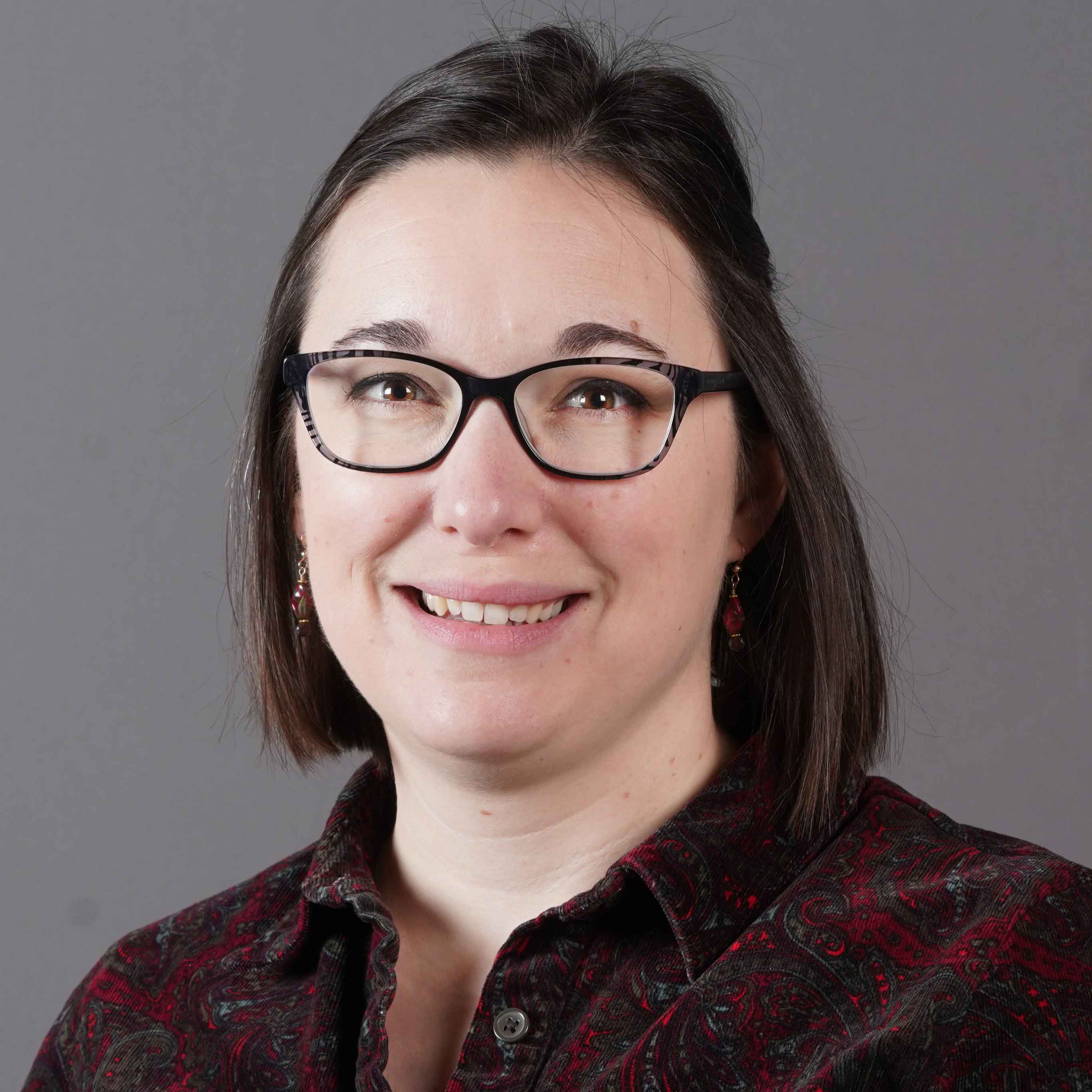
The conclude the conference, Tamara Ogle, Purdue Extension Community Development Regional Educator, will present a timely session on the fundamentals of Indiana farmland property taxes. Attendees will gain a better understanding of how farmland is assessed and taxes, recent trends affecting tax bills, and key considerations for landowners seeking to effectively manage this important aspect of farmland ownership.
Breakout sessions
When registering, participants will have the opportunity to customize their conference experience by selecting the breakout sessions that best align with their interests and landownership goals. These interactive sessions will feature presentations from Purdue Extension Educators and Specialists, as well as industry professionals, and will provide ample time for questions and discussion. Whether you are interested in leasing arrangements, conservation practices, estate planning, taxes, or other topics impacting rural landowners, the breakout sessions offer practical information and expert guidance tailored to your needs. Detailed session descriptions are provided below.
Breakout Session #1 Options
Want to know what USDA programs could benefit your land or farming operation? Join us for an update on current FSA and NRCS programs, including conservation incentives, financial assistance opportunities, and program changes that may impact your operation. Whether you're a longtime participant or exploring USDA programs for the first time, this session will help you identify opportunities to maximize the value and productivity of your land.
Landowners can choose between crop share arrangements, fixed cash rent arrangements, and flexible cash rent arrangements. This presentation will compare the net returns and riskiness of these three leasing arrangements. The presentation will also discuss cash rent and land value projections for 2027.
Presented by Michael Langemeier, Professor of Agricultural Economics, Purdue University.
Many rural landowners are being approached by renewable energy companies with potential lease or purchase agreements for new projects. This presentation will review the process of negotiating such a lease and will review typical contractual provisions in such an agreement. The presentation will also include ways for landowners to protect their real estate investment and ensure they (and their heirs) are protected.
Presented by Brianna J. Schroeder, partner at Janzen Schroeder Agricultural Law LLC.
Breakout Session #2 Options
A well-structured lease can help landowners achieve their goals while fostering positive relationships with tenants. In this session, we'll compare common lease types, discuss strategies for effective communication between landowners, family members, and tenants, and explore key considerations when developing lease agreements.
Participants will also learn about resources for determining rental rates, creating lease agreements, and navigating common leasing challenges. Whether you're establishing a new lease or reviewing an existing arrangement, you'll gain practical tools and insights to make informed decisions.
Presented by members of the Purdue Landlease Team.
Pasture leases present unique opportunities and challenges for both landowners and livestock producers. This session will focus specifically on pasture leasing, covering key elements of lease agreements, factors that influence fair pasture rental rates, and the responsibilities of both parties in maintaining productive grazing land.
Attendees will gain practical insights into developing effective pasture lease arrangements, avoiding common pitfalls, and fostering strong communication between landowners and tenants. Whether you are negotiating a new pasture lease or evaluating an existing agreement, this session will provide valuable tools and resources to support a successful partnership.
Presented by members of the Purdue Landlease Team.
Breakout Session #3 Options
Healthy soil is the foundation of productive farmland, strong crop performance, and long-term sustainability. In this session, attendees will learn the key characteristics of healthy soil, including soil structure, organic matter, biological activity, and nutrient cycling, and how these factors contribute to overall land productivity.
Participants will also explore practical strategies for improving soil health, such as cover crops, reduced tillage, nutrient management, and conservation practices. Whether you own farmland, manage acreage, or are simply interested in protecting your land's long-term value, this session will provide actionable steps to build healthier soils and support future generations of agricultural productivity.
Presented by Bryan Overstreet and Sarah Brackney with Purdue Extension and CCSI.
This session makes the case that farm succession is a process rather than a single event, including statistics to underscore urgency, then walks attendees through a Three-Level Goal Framework: Individual Goals (retiring generation, successors, and off-farm heirs each carrying distinct needs and unspoken fears), Business Goals (continuity, profitability, risk management), and Shared Family Vision. It also includes how families can navigate generational differences and structure productive, well-timed conversations in the right order (starting with values before roles), closing with four concrete 30-day actions: schedule the first conversation, write down personal goals, assemble a professional team, and set a 6-month accountability milestone.
Presented by members of the Purdue Succession Planning Team.
Questions or Concerns?
For questions concerning the Land of Opportunity: A Conference for Farmland Owners, please contact Jenna Nees at smith535@purdue.edu or 765-653-8411.
Email Jenna Nees HereThis work is supported by the North Central Extension Risk Management Education Center, project award no. 2025-70027-45398, from the U.S. Department of Agriculture's National Institute for Food and Agriculture.


If you are in need of accommodations to attend this program, please contact Jenna Nees prior to the meeting at 765-653-8411 or smith535@purdue.edu by September 18th.
For special dietary needs contact Jenna Nees prior to the meeting at 765-653-8411 or smith535@purdue.edu by September 18th.
If you need an interpreter or translator, please contact Jenna Nees prior to the meeting at 765-653-8411 or smith535@purdue.edu by September 18th.
Purdue University prohibits discrimination against any member of the University community on the basis of race, religion, color, sex, age, national origin or ancestry, genetic information, marital status, parental status, sexual orientation, gender identity and expression, disability, or status as a veteran.