What We Do

The Kernel provides the latest corn research and management information for farmers and agricultural professionals.
 

Latest Indiana Corn Production Research Report

INDIANA CORN RESEARCH & UPDATES WEEKLY NEWSLETTER

Latest Corn News

Latest Corn News

Indiana Corn Research & Updates logo
Second Place - ASA/CSSA/SSSA Educational & Outreach Material Award in Digital Communications
Subscribe to the Newsletter
Sunrise in a Corn Field at ACRE
Indiana Corn Update - Issue #32

Indiana corn progress, mycotoxins & weather

Read More
Sunrise in a Corn Field at ACRE
Indiana Corn Update - Issue #31

Indiana corn planting progress, & weather

Read More
Sunrise in a Corn Field at ACRE
Indiana Corn Update - Issue #30

Indiana corn planting progress, Late Planted Corn Hybrid Decisions, mycotoxins & weather

Read More
Sunrise in a Corn Field at ACRE
Indiana Corn Update - Issue #29

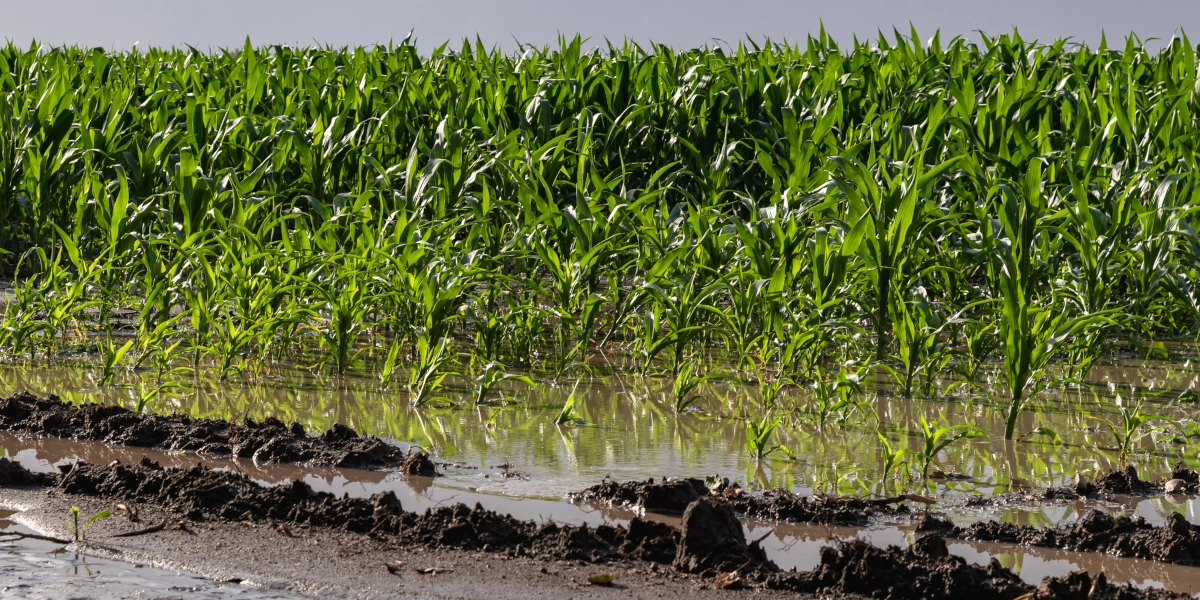
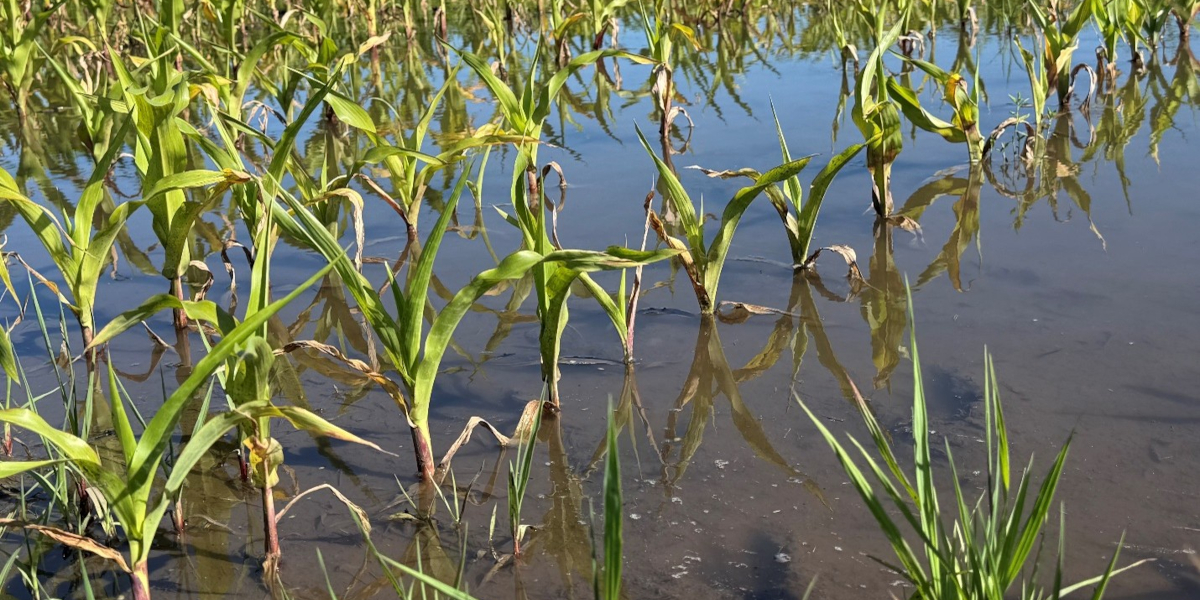
Indiana corn planting progress, flooding stresses, and corn ear rot & mycotoxins

Read More
Sunrise in a Corn Field at ACRE
Indiana Corn Update - Issue #28

Cover crop strategies for weed control, N₂O emissions in corn, and the impacts of harvest...

Read More
Sunrise in a Corn Field at ACRE
Indiana Corn Update - Issue #27

Early weed control, planting conditions, and nitrogen–sulfur management influence corn...

Read More


crop chat podcast logo
Purdue Crop Chat Podcast

Provided by the Purdue University Extension Service and Hoosier Ag Today - hosted by Eric Pfeiffer, a farm broadcaster from Hoosier Ag Today, Purdue Extension Corn Specialist Dr. Dan Quinn, and Extension Soybean Specialist Dr. Shaun Casteel.

Listen to the latest episode on Spotify
Latest Research Presentations

Transcript for How Foliar Disease Control Increases Corn Yields and Kernel Weight

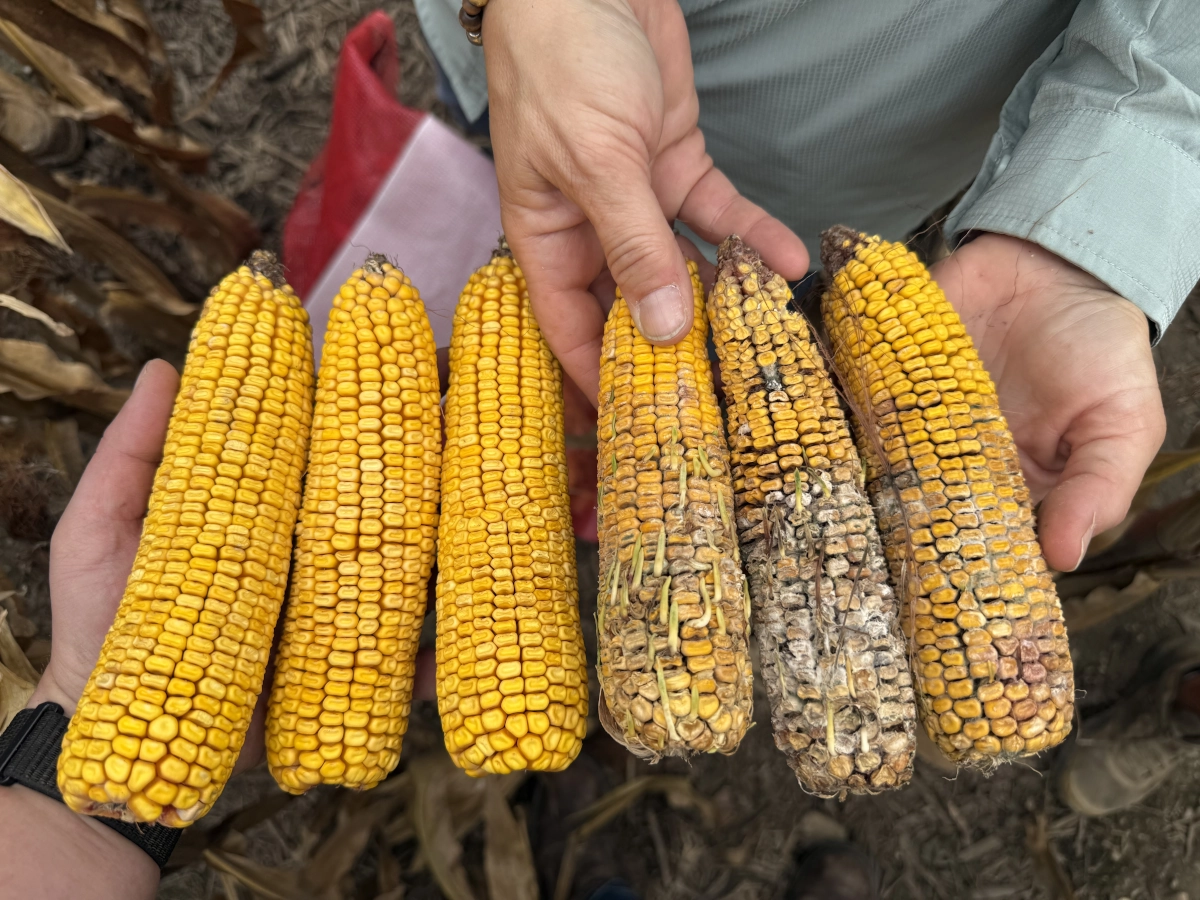
All right. So, my name is uh Dan Quinn, corn aronomist uh assistant professor and and corn aronomist here at Purdue. And I'll also introduce uh Darcy who's with me as well. >> Yep. So Darcy Teleno, extension plant pathologist at Purdue and here to back up Dan as we talk about this. >> Yep. So title of our talk is folure disease control impacts on on corn grain filter duration and kernel weight accumulation in corn. And you know, I'll jump right in and and one thing that that I often present when I when I give a lot of presentations in terms of just corn management in general is just kind of taking a a step back and and looking at just overall yield components and and how yield is determined and formed in corn and also understanding that, you know, a lot of these components are developed throughout the entire season. And I think this kind of leads into to where we're going with with some of this information and also kind of gives a perspective of of where we wanted to look in terms of, you know, not only just looking at grain yield as a whole with with disease control, but actually what specific components are are impacted uh when we when we control disease and corn. Um so, you know, the first thing is that corn yield components are are really developed throughout the entire season. you know, they start with, you know, one of the first main components is just the number of yield producing plants. So, your final harvest population up until about the V6 growth stage, you know, 18 to 20in tall corn, you know, then we move into, you know, the more rapid growth phase in corn when you you see that really rapid vegetative growth. What's interesting about this portion is is that the corn plants are determining how big their ears are going to be. Um, so this is more so of when that corn plant's determining what the potential um kernel number is going to be. So potential row number and and potential kernels um per row. So even before you can visually see that ear um that corn plant is is starting to determine how big it's its ear is going to be. You think about you know pollination. You know pollination is is so critical for corn period. Um corn is really sensitive during this this period of time from you know all sorts of stressors you know predominantly water stress, nutrient stress, disease stress. Um this is often the growth stage that corn will has the highest percent yield loss per day uh when we have certain stressors um in corn. But you know a lot of that that yield component aspect is specific to actual kernel number um per ear. So, you know, earlier this was, you know, potential kernel number. Now, we're determining actual kernel number. And a lot of that has to do with both pollination success and and kernel survival. And then lastly, really the last uh yield component and what we look at and and where kind of this presentation is going to focus some and and where some of the research that we've we've looked at this a little bit more intensively is actually kernel weight. Um so getting into the later reproductive stages you know R2 R3 all the way to physiological maturity in corn is is really looking at yield in terms of the size and the weight and the amount of dry matter in these kernels or that grain filling period. Uh so this was an an area specific yield component that we wanted to to look at a little bit further when it comes to folure disease control and and yield improvement in corn. So you know overall corn is yield is a very complex process. We we do a lot especially on my side in in aronomy realm to to understand and keep improving corn yield but it really boils down to how do we optimize kernel number per unit area um and how do we optimize kernel weight and there's a lot of trade-offs between you know if kernel weight is increased a lot of times we see lower kernel numbers kernel numbers increase per year uh we also see kernel weight. So there's an inverse relationship between those two. Um but trying to understand both of them and and how we can improve e both of them at the same time is important and a lot of that has to do with you know reducing yield limiting factors throughout the season right and there's a lot of yield limiting factors a lot of stressors that we have to address and manage for and the one we'll largely focus on today is is folure disease and corn. So I I share this um a little bit further in terms of the table. Um some of this work was data from from our own program. Some of it's actually out of out of Iowa Iowa State University as well. But I feel this this table, you know, looking at late reproductive stages. So R5 would be Dent all the way to physiological maturity. You know, this is just estimated kernel nut kernel moisture at that point in time. So you think about, you know, as corn approaches physiological maturity, that moisture in that grain is is decreasing all the way to harvest. But we often look at this uh specific column here just looking at at dry matter or what the percent of total dry weight, dry starch, dry matter in that kernel. And also showing that even at dent, you know, which is pretty progressed in terms of reproductive stages, only about 45% of that kernel dry matter has been achieved. So that shows you that even you know stressors that are you know R3 R4 leading into R5 can still impact um grain yield as well and a lot of it has to do with you know not only grain filteration but just the size and weight of those kernels. You know yield bushels per acre is a volumetric measurement but farmers are going to be paid off of weight per acre. Um so this just illustrates again you know the stressors in those late reproductive stages um can still impact yield. A lot of that has to do with the specific weight of those kernels. Then we also have you know the growing degree days between these individual stages and also the estimated number of days uh between each one of those those stages. So now I'll let Darcy uh take over here. >> Yep. And so the other aspect of this is is just asking you know what is the folure disease impact on yield. And what I did here is just pull the overall estimated yield losses across the United States and Canada for folure diseases in corn. And you can kind of see since 2015 there's a general trend downward. You know as we get hybrids with good disease resistance packages you know our risk towards those diseases um is seem to does seem to decline. But you can see there are points in in this this tracking since 2012 that we have outbreaks. Right. So 2018 and 2021 that's where we got hit really hard with tar spot or other folure diseases that may impact yield. Then you can kind of see on 2024 um again each year to year is going to depend on the environmental conditions for the folure diseases on which disease may appear in that crop canopy and also lead to that potential loss in yield. So if we tease it apart um particularly here in Indiana I think there are four important diseases that we track that are on that can impact yields in the full upper canopy. uh one being gray leaf spot I would say is the one uh that is most predominant across the state and been a disease we've been tracking for a long num period of time. Generally gray leaf spot we get good management at that applying a fundicide at that VTR1 stage um for protecting yields against that disease. Um northern corn leaf blight can appear in pockets. So it's important to understand if you've had a history of that disease if you can select hybrids that may have better disease resistance for that. um lately in the last this last year. Southern rust has been a big concern in 2025. So that is a disease you know we track and I'll get into a little bit more in each one specifically but you know whether how soon southern rust moves into the state is going to dictate the potential yield impacts of that disease. And then finally a disease that I've been dealing with a lot is the tar spot. And then um for protecting the canopy from tar spot uh our window is a little wider than that standard BTR1 fungicide application. we may want to go a little later since this disease really seems to move in after that R3 um time frame. And so if we just pull out each disease just kind of explore what's happening across the United States and Canada, you can kind of see the yield losses for southern rust where we have fluctuations of whenever that disease moves in. The good news on southern rust is it does not overwinter here in the United States. So every year we start with a clean slate and the question is when do those spores move into your particular area. Um you can kind of see what the map looked like for 2025. So it started in the south in Texas and Florida moved into those southern states in Mississippi, Arkansas and then actually if we had the animated map it actually jumped over to Nebraska. There was a county that turned on before norm um before it really blew across Iowa and into Indiana. Um but again when we found it here in Indiana was about middle of July. So there was some concern if it could blow up and cause some yield losses again, but it's just a disease we're tracking and and to be informed when it blows in whether we need to change our management tools for that or apply a fundicide that's directed for southern rust versus the other diseases. Again, gray leaf spots generally around everywhere. You can kind of see it has a general decline in disease. We maybe had had outbreak in 2018. Um but generally we can use hybrids with good disease packages for gray leaf spots. So we don't have to rely as heavily on our fungicides, but most of our work continues to show that at application at that silking R1 time frame is is really good for managing gray leaf spot. And then finally, tar spot. Again, a disease that we didn't really see any yield impacts until 2018. Uh we did first document it in 2015 here in the United States. So it's now been around over 10 years. Um this disease is highly influenced by environmental conditions. And so year to year, it's important to moni monitor where we see disease active and then are the environmental conditions conducive for the disease to develop. And for Indiana and some of the work we've done, um what we're seeing is we need moderate temperatures in that May to June time frame and with high moisture conditions for those spores to germinate. If the temperatures get too hot and dry, then we'll slow down this disease and it may not have those yield impacts that it that's had previous years. So again, it kind of changes year to year whether this disease is going to be a problem, but again, it is here and may influence how well our fungicides work. >> So, you know, where we started to go with with some of the the recent research was, you know, understanding and and you can kind of see it with some of the photos and information that that Darcy shared is that, you know, one thing with corn and and folure disease, right? If we have folar disease, that's limiting a lot of the green leaf tissue. It's taking over a lot of the green leaf tissue um in corn. And so it's reducing some of that that photosynthetic activity and capacity of that plant later in the season. So sometimes what we'll see with with fungicides is just you know an impact of stay green potential and a lot of that's just you know keeping that plant healthier later in the season controlling some of that disease. Um so we wanted to understand that you know if we are seeing polar disease control if we're seeing some aspects of of just healthier plants later in the season because we're controlling that disease right how does this impact both grain filteration and and kernel weight in corn. A lot of it has to do with okay, you know, if you control further disease, we see yield improvements in corn, but where specifically are some of those yield improvements coming from from a yield component and and physiological aspect um with the plant? And that's where this this publication, recent publication in crop science really highlights uh some of this work and and what I'm going to go through here uh over the next few slides. So, you know, one one aspect before I show some of the data is just helping people understand just the overall grain filling process in corn and and overall grain filter duration and and also where we were going with some of this research. Um here's a good example um from a study that was published out of Kansas State here just kind of highlighting you know that that overall process. Um you look at on this figure here we have days after flowering. Uh we have kernel dry weight. um you typically start with the kernel growth or the lag phase. Um so the lag phase is is really starting to determine okay what is what is that kernel's volume capacity um at that point in time. Um then we have the linear kernel filling rate. Linear kernel filling rate is really when kernels are filling with with water content. Uh there also is a point in time where we're starting to determine what that total uh kernel volume is. Um we see this you know being impacted just with genetics today period. Um hybrids today have actually a longer linear kernel filling rate period um than they used to. They actually have a longer kernel grain fill duration today than what they used to. And then eventually we're going to hit a maximum point and reach physiological maturity or or black layer in the corn. Um, so a lot of this research and and data I'll show is just understanding, you know, if we are able to control folure disease, maybe have a little bit healthier plant later in the season, how does that impact um this overall trend or this overall process, right? Um how does it impact both the duration period but also the maximum um kernel dry weight um in corn as well. So just some examples of of how we approached this. Um, so we actually had ear samples from each plot of each study. We had um studies in in West Lafayette, northwest Indiana, and southwest Indiana. A lot of this intensive sampling was done in in West Central Indiana, West Lafayette uh for for a couple years. Uh we actually took we actually pre-marked these plants. Um so these plants were pre-marked early in the growing season and so that we were able to determine which samp plants we're going to sample from. And then we pulled ears starting about one to two weeks after pollination. We pulled ears every single week. So starting when ears were, you know, kernels were very very small. Um, and we're determining, okay, what is the moisture content, what is the wet weight, and then what is the dry weight of those kernels? And we're doing that on a weekly basis to understand that that full grainful duration. Um, here's just some examples of some ears that we pulled from this research trial. We were actually pulling kernels from the center of the ears to just try and get a a consistent kernel size um in those ears. Um but doing it on a on a weekly basis from every plot for every replication um to see how trial or plots that had a fungicide application. So the fungicide was applied at R1 um versus plots that did not have fungicide application. Um so we track kernel moisture, we track kernel weight, dry matter, wand water content and then that data allows us to look at okay what is the maximum dry weight in those kernels achieved but also what is the grain fill duration and then how does that differ between when I have a fundicide application or when I have fer disease control versus when I don't. So, here's just some examples of of some of the research trials in this this um study. Just give you an example of of some of the disease levels that we had. Um it did vary based on location, but the majority of the I think all of the locations that we did this study in, we did have folure disease. Um in these these research trials, this is from southeast Indiana. Uh so we we took measurements in southeast Indiana looking at kernel dryweight and then looking at folure disease ratings. Uh this is my grad student Molina who who led this project. Um just showing you you know some of the examples you know the intensive plots were ones that had a folure fungicide application at at R1. Uh you can see the difference just in ear leaves right these are ear leaves fold when we had no fungicide application versus when we did in southeast Indiana in in 2022. Um here's just some some overall uh visual differences as well u between between the plots kind of showing you again some of that stay green aspect when we have that fuller disease control you know we'll see this you know with nutrition and moisture and temperature and aspects like that um but these plots were side by side in this research trial so same location same plots the only difference that we had is that we had a a fundicide application at at R1 on the plots here then this was a controlled uh where we had kind of our standard management, standard fertility management, standing seed standard seeding rate management, but no additional disease control um in these plots. And this is right near physiological maturity uh when those images were taken. So you can kind of see the the overall difference and and just plant color uh when you get later in the season uh when we're able to control some of the diseases versus when we're not. And then this is from West Lafayette in 2023. So, saw similar responsiveness um across a lot of our trials. Um we're able to control some of those stressors. We see that plant kind of maintain some of its photos synthetic health a little bit later um in the season versus when we're not able to control some of those stressors. So, control the lefth hand side and fungicide application on the right. So, I'll jump right in and and just show some of the data. Um the the grainfill duration and kernel weight data. Um this is from West Lafayette in 2022. Um you can see we have kernel dry weight here. So this is dry weight and milligrams per individual kernel on the left hand side. And then we have days after silking or days after that R1 growth stage. Um so you can see we probably took it about two weeks after siliconing we started sampling. Um, blue is without R1 fundicide, red is with the R1 fundicide. Everything else in the plots and the treatments were treated the exact same way. Uh, whether it be fertility, hybrid, seeding rate, planning date, all those aspects. Uh, so the only difference was if we had fundicide or not. Um, you can see we started sampling the the grain on a weekly basis and we're sampling that grain until we start to see this plateau occur or that maximum dry matter um, occurring. It's not so much that the plant has reached physiological maturity, but it's the point where we're just not seeing any more accumulation of dry weight um in the kernels. Um so, one thing we we did notice is that actually the linear filling rate was not different. Um so, the slopes were actually the exact same way, but what we did notice when we had some folure disease control is that that grainfill duration actually went a little bit longer. Um so without the disease control it took about 50 days post silking to reach maximum uh dry matter in those kernels about 270 mg per grain. Uh when we were able to control some of that disease um it actually went a little bit longer so about 4 days longer uh to 54 days to reach that maximum point here. Um and then you can see that when grainfill duration is extended um it actually keeps increasing. So when we're able to extend that grain fill, then we see a little bit higher uh kernel dry matter in in those kernels and in many cases that leads to to higher yield across the board when you look at a a per acre basis. Um so here's some of the overall numbers. I would say you know even with the fuller disease we still had relatively low uh levels in in 2022. Um this is actually a combination of of tar spot, northern core leaf blight and gray leaf spot. probably gray leaf spot and northern coral leaf flight were the main diseases in the site. Um but we did see a yield improvement. Um but overall, you know, relatively lower disease severity um lower yields as well in 2022, lower productivity for us at at this location. Um but it it just shows the evidence of hey that you know when we can maintain some of this plant health, we're we're seeing that that grain filation get extended a little bit longer. And then we'll jump to to 2023. So 2023 actually was a much more productive year period. It also was a year that we had higher disease levels as as well. Um so just in terms of higher productivity, we had higher grain filter duration period even when you just compare the controls in 23 versus 2022. Uh but overall same story, right? We have kernel dry weight in terms of milligrams for individual kernel. Uh we have days after silking here. Um again you can see the slope or that rate of of kernel dry weight accumulation is is very similar regardless of of fungicide application control took about 56 days. So actually about 6 days longer in 2023 versus 2022 period. Um but you can see the overall um kernel dry weight was much higher in in 23 than 22. Um but the rate was was very similar. response was was pretty similar as as 2023. We saw a little bit more of a pronounced response in 2023 than 2022 and I think that had to do with just elevated uh disease pressure in in 23 than 22. Um but overall this we found that you know when we were able to control that fuller disease we saw about 5 days longer of of grain filtration and when you see that extension that line keeps going up. Uh so we'd see that improvement on a per kernel basis of of seeing a little bit heavier uh kernels at that point in time. Um here's the overall yield about a 10 bushel difference between the control and the fundicide. Um a little bit higher uh disease. Again this is folure disease percentage um at that R5 growth stage. Um I know our tar spot severity was a little bit higher um but also had great leaf spot and northern core leaf plate and 23 as well. um but seeing that you know reduction in folure disease percentage on that R5year leaf um relating to yield but also rel relating to that that grain filteration. So just some some take take-home points on on this research trial is that you know one the first thing is that grain corn develops grain yield via different components throughout the entire plant life cycle. Um I always stress with folks that yield is not made at you know one day or one point in time during the growing season. There's a lot of components and aspects to it and that kernel and that corn develops yield in in different ways throughout the entire season whether it be number of plants number number of harvestable ears kernel number ear size okay actual kernel number and then we get into to kernel dry weight as well. So there's all aspects throughout the entire season and that we have to pay attention to but also in ways that that corn plant can be impacted negatively uh from a yield standpoint. um you know with with this research trial right we we did see that you know being able to control the folure disease with a welltimed fungicide application at R1 it was just one application um at at that silking stage did have the potential to extend corn grain field duration and then when we're able to extend that grain filation we see that the kernel weight increases and kernel weight increases on a per kernel basis then we see that that overall all yield response. Um, but I do always stress that, you know, with this research trial, we we did have conditions that were conducive uh for response. Uh, we did have polar disease across all the site years of of doing this trial. Um, I always get asked, you know, hey, did you see this without disease period? And and I can't answer that because we had disease um across these trials. Um and and that was one of the bigger stressors that we saw especially in 2023 um with this this research trial. And then you know lastly I think you know if we're able to control folio disease um it's able to to maintain some of that late season plant health some of that late season plant photosynthetic activity and capacity which is which is improvement is critical for improving uh corn grain fill and yield. And it's not just fungicide, right? It's not just folure disease control. It's just stress in general. Um if that plant is maintaining its health, it's it's maintaining um its photosynthetic act activity later in the season and doesn't have something that is you know negating that or reducing that in many ways that that grain filteration is going to to extend. Right? We have seen this and there's a lot of other research that's been published in terms of plant nutrition. You think about nitrogen levels, right? We see very similar responses with nitrogen. Uh we see very similar um responses with temperature. You know, typically cooler temperatures result in in extended grain filteration. Uh where that plant's not, you know, working as hard later in the season. Uh we see that with moisture as well. Um if you have drought conditions later in the season, that's going to impact grainfill duration and and shorten that grainfill. So it's it's not just uh you know the fungicide that's doing this and not just folure disease control. there's other aspects to it that can impact grain filteration and kernel weight accumulation. Now, I'll let let Darcy wrap up here. >> Yep. And so, what we just wanted to share is there are a number of tools that are available as we talk about folure disease management in corn. And the first one I want to direct you to is the crop risk tool. And you may have heard of the uh tarp spotter app. Well, this has all been moved to one nice centralized website on the crop protection network. And so what I'm showing here is I've gone in and selected uh the u risk for tar spot across the state of Indiana um from last year. And so this is a nice tool to just give you an idea of the environmental conditions been conducive for the disease and help predict whether we need to you know make a fungicide application if the disease risk is high in addition to what Dan has presented. Um but just a nice little tool that kind of track the season. Um in season we do have a forecast that's going out 5 days. Um, so you can kind of see as the trend, are we trending where we're going to be in a higher risk period where we're red in that area or is the risk going down? Um, just some additional tools to look at. So this has the crop risk tool has tar spot uh modeling available. It also has a greyleaf spot model and a gibberella model. So there's some three tools that are available for looking at corn foyer disease risk. In addition, as you're as you're trying to make that assess uh assessment and try to determine what fungicide you may want to use, we do have a fungicide efficacy table. We are currently in the process of updating it now and hopefully a new one will be released next month or so in February. Uh but that table is available for uh folure diseases and corn and you can cross reference if you you know what disease is of most concern on your farm. Uh there are some different ratings for southern rust versus tar spot and greyleaf spot. In addition, they've taken this this table and we've put it into a tool that you can search products and uh different modes of action to see uh what what gets what rating it gets for the particular disease of concern. So just another tool that can help you uh make an informed decision on what fungicide product you want. And in addition to that, and I think Dan, you can click one more time, we have an ROI calculator. So here's a summary. We have crop disease forecasting, fungicide efficacy tool, and then there's an ROI calculator for folure diseases in corn and then also white mold and soybean. Um, but just another tool that you can go in and play with. You know, you can put in your expected yield and based on our university data, you can assess, make an assessment of, you know, what's the potential ROI if I use this particular product and what's the likelihood of what are the odds of making that ROI. And so, just a neat little tool to make you informed decision. Um some things I you know would recommend as we move into 2026 monitoring just to get an idea of is the are the diseases going to be active? What products do we want to pick from and you know is there potential ROI on on using that product. So just some nice tools to help with disease management. And these of course are always available at the crop protection network. So a nice resource. >> I I will follow up and say that I use these tools regularly. Um, so even the the questions that I get, I use a fudgeicide efficacy tool all the time. I use the ROI tool, the tracking, the modeling. Um, so a tool even from an aronomous standpoint. Um, these these tools we use all the time. I use them all the time and and making decisions and and helping a lot of our farmers around the state. And then, you know, we'll wrap up and and share, you know, obviously we appreciate working with with Crop Protection Network and and being able to share this information. Um we we like the Indiana Corn Marketing Council, so our state check off dollars were were supportive of a lot of this research. And then I do have to highlight, you know, the new new pretty new corn outreach and research network uh which is a a new multi-state uh corn aronomous network uh that really started in in 2025. Um so you'll start to see a lot of us here populate in terms of working with crop protection at work and and working on getting a lot more information on the the aggronomic side. but also partnering with with Crop Protection Network to to be able to share a lot of this information uh moving forward. So, be on the lookout of of a lot more information coming from from that group here in in 2026.


Transcript for Assessing Hail Damage in Corn

foreign [Music] extension choreographist with Purdue University and today we're going to be talking a little bit about assessing hail damage um so the first slide I have here is just looking at you know two different time points during the the growing season where we are are looking at you know how hail can impact corn I'm going to kind of talk about corn in terms of hail damage early in the season so when corn is in that vegetative growth stages but also talk about some of the hail damage that can occur you know in the later season as well so the picture on the left is is corn that was injured by by hail um kind of earlier in the season um and the picture on the right here is is corn that was was damaged by by severe hail storm kind of later in the season um so when we we think about how corn can be impacted by by hail there's really three main components as to what causes yield loss in corn and how it's really impacted by by ale damage during the season the first one is is plant stand reduction so we think about you know severe hail you know severe hail storms that can actually you know kind of damage the stock of the plants can damage the growing point of the plants and actually you know really reduce that that plant stand and and reducing that plant stain can then you know translate to yield losses at the end of the year another area where where hail can impact corn and impact the yield is just through direct damage to the plant so it can occur from you know just you know hitting that stock bruising that stock you know causing issues on that stock but also later in the season you think about as the the ears being developed if if it's getting hit with hail that can actually damage into the ear damage you know outside the husk can damage the ear and cause yield loss in that frame too but probably the the most prevalent uh area where where corn is is damaged and where a lot of that yield loss comes from from hail damage is is due to Leaf defoliation right so that is is very dependent on you know what percentage of that leaf defoliation occurs but that's probably the the primary mechanism of where a lot of that that yield loss occurs when when corn is impacted by a hail storm so you know thinking about okay we have a hail storm okay how do we assess what what the damage is how do we assess what the potential yield losses is you losses are in the field and probably the most important Point um after a hail storm is to one understand what are my growth stages in corn that is you know very important for any crop Scout it's it's very important to assessing any types of stress or any types of damage and what that potential yield loss is going to be so in terms of hail damage in corn it's really important to understand okay what growth stage is that corn at so this this picture here on the left is is looking at you know the vegetative growth stages so I'm going to kind of separate it between the vegetative growth stages of corn but also the reproductive stages of corn so you know vegetative growth stages of corn are typically called the B stages they're they're often referred to or reference to the number of leaves of the number of Collard leaves on the plant and then we get into the the r stages so that the r stages the reproductive stages that's when we get past you know pollination and we'll get into ear formation and a lot of the the growth stages are are more dictated based on where that that ear is in development so we're going to talk kind of you know split up this talk in terms of hail damage in terms of impacts during the vegetative stages but also impacts of hail during the reproductive stages of corn and and another important point for those two is that you know total yield loss caused by hail damage and really in you know really focusing on the leaf defoliation impacts is directly related to what growth stage that that corn plant is at so that's why it's just so key to to really understand what growth stages they are and understand how to identify those in the field so you can properly assess you know what what is the total damage what does that potential yield loss going to be uh from the hail damage um so again this this slide here is just kind of giving a little bit of an overview and a little bit of detail um about some of the the growth stages in corn both in the vegetative side and the reproductive side highlighted in red some some really critical growth stages when it comes to you know assessing hail damage um you know so on the left hand side you're with the vegetative growth stages they start at ve which is emergence you know I've highlighted here in the B6 growth stage which is you know the sixth leaf on that plant has a visible collar that is important for a hail damage standpoint because that is the point in time when corn actually has that growing point so that meristematic tissue that growing point it's a really you know important part of that plant and that growing Point actually emerges out of the ground at that point in time so you think about corn that is pre-v6 it's going to be a lot more tolerant to severe hail damage because that growing point is below the ground and as we get to V6 and that growing Point comes out of the ground that corn plant is going to become a lot more susceptible to hail damage because that hail can actually directly impact that growing point and actually potentially kill that plant and you know severely stunt that plant and that's where some of that stain loss comes in I also have highlighted here that the VT um growth stage so the VT growth stage is is when that that tassel emerge or that lowest tassel branch on that corn plant is visible when we think about hail damaging corn you think about Leaf defoliation corn this is the growth stage that is the most critical in terms of leaf defoliation if we have 100 Leaf defoliation at this point in time we could have 100 yield loss so it's it's a very very critical uh growth stage for corn for understanding what is my potential yield loss due to hail damage and then this this next table I brought up on the slide on the right hand side is really looking at the reproductive growth stages of corn right so this is where we we switch from the vegetative growth to now that corn plant is is the tassels emerge the silks have emerged and now we're into those R growth stages we're really focusing on you know what is the development of the ear at that point in time to to help us determine what that growth stage is and and here I have highlighted and read the R1 growth stage so the R1 growth stage you know very similar timing to that BT um that tassel emergence so R1 is when those silks are emerging outside the husk that is another very critical uh growth stage in terms of potential yield loss caused by hail damage so if we have severe Leaf defoliation at that point in time we're probably going to see a pretty severe yield loss and and as we work our way more towards maturity so R6 is that corn plant gets more mature it's closer to Black layer closer to harvest our chances of potential yield loss caused by handle damage actually goes down so kind of opposite on the vegetative side as that corn plant progresses through that vegetative stages stages get closer to pollination our potential yield loss caused by hail goes up but on the reproductive side as we move from pollination through grain fill and closer to maturity and harvest that potentially a loss caused by hail damage actually reduces or decreases over that point in time so I'm going to first start you know start out by assessing hail damage and young corn plants so I kind of talked about we're going to focus on you know the young corn plants the vegetative growth period and then we're going to switch to what that hail damage can be and the reproductive period in that late season hail damage so when it comes to assessing hail damage and young corn plants um there's really two primary mechanisms where yield is impacted in corn from hail damage and young corn the first one is we kind of touched on this is reduced plant stand and that's you know typically a function of it's is that growing point out of the ground did it cause severe damage of that growing Point did it actually cause some plants to to desiccate or die and we actually reduce that overall plant stand and also Leaf defoliation so Leaf defoliation we're losing a lot of leaves defoliating a lot of leaves that can also cause an impact on on corn yield depending on what vegetative growth stage that corn plant is in so again it's really important when assessing hail damage in corn is is really understanding okay what current growth stage is that corn at so we know what the growth stage is we can get a better idea of how much that corn plant is going to be impacted by the hail and the first important point I touched on this was was really understanding okay the V6 grow staging corn so right around you know V5 V6 growth stage that is when that growing Point actually moves out of the ground and that growing Point moves out of the ground that corn plant is going to become much more susceptible to hail damage than if say that growing point was below the ground so it's important to understand what that growth stage is and then if we understand okay maybe it's V6 or more progressed that growing point is going to be out of the ground so now we need to assess what is the the health of that growing point so if the growing point is above the ground it'll be important at that point in time to actually split some stocks you know find that growing Point reason and really look at the overall health that growing point region is if we can assess the overall health of that growing point region that'll give us a pretty good idea of whether or not that corn plant Will Survive or where maybe that corn plant won't survive and also a really important point with hail damage and something you know we we gotta try to stress to both Scouts and Farmers is to be be patient right so a lot of times with hail damage especially in the young stages the vegetative stages it can often look a lot worse than what it actually is you know you look at pattern torn leaves you know corn plants that maybe just completely knock down at that point in time but it's important to give it some patience so we can assess the survival survivability of those plants so typically you'll start to see regrowth and corn in about three to five days so it's important to you know be patient give that corn plant some time so we can truly assess what that regrowth potential is going to be and then especially if that growing point is above the ground there's a very good chance that growing point is above the ground where that growing Point wasn't severely damaged that corn plant is is going to recover and it's going to recover well but we have to be patient to understand stand and assess what that regrowth potential is so the pictures on the left so I share this picture here and this is just looking at okay what is that growing point region looks like where do we we look for that growing point region so I have talked a lot about the growing point so this corn is you know I split this is a split stock image this corn is about the V6 B7 growth stage you can see that the nodes in this plant but overall there's there's kind of a triangle area and you can actually actually see where the the tassel is at this point in time and that corn plant and it almost looks like a telescope where those nodes are and you can actually see that tassel and I kind of highlight have it highlighted here on this this figure of actually where that growing point region is so you know it's important if we're past V6 okay we've got severe hail damage okay now we need to go out look split some stocks assess where the growing point is and also understand whether or not there is severe damage to the growing point is there severe bruising does it look like there's just severe damage to that growing point where there's a pretty good potential that corn plant isn't going to survive and then on the the right hand side um is a picture looking at you know the the Total Recovery or the plant recovery of that corn plant so you can see in this picture you know young corn that was pretty devastated by hail damage um but that that growing Point um at that point in time was preserved it wasn't severely damaged um and you can actually see we're starting to see some pretty adequate regrowth from that corn plant so that's why it's it's really important to to be patient when assessing hail damage and to look at the the survivability of those plants after say three to five days before we make the final call on whether or not that corn is is going to survive or not another issue that can happen with hail damage at this point in time is both stem bruising and also World damage so you think about whirls and the unrolling of those leaves especially during the vegetative stages those can be damaged due to hail damage and also Leaf defoliation right we talked about Leaf defoliation um in terms of of stem bruising and World damage it's often very difficult to quantify yield losses but if you have severe damage to that rural area that can cause restriction of newly emerging leaves from the world that can cause issues in the plant and also too in terms of stem bruising it's kind of similar to assessing the damage to the growing point where we're actually want to understand okay how deep is that bruising is it really going to impact maybe the translocation of water and nutrients in that plant so again splitting those stocks assessing the help health of the stem both the growing point and the stem to see if there's any potential issues at that point in time another big area is obviously Leaf depoliation that's probably the big thing that comes to mind in terms of hail damage in corn um leave damage in defoliation and caused by hail a lot of times it just looks worse than it actually is and that's kind of why we're back to you know being being patient and then especially at those young growth stages the young vegetative growth stages corn can tolerate a lot of leaf loss at that point in time it's just not going to lose a lot of yield it can recover quite well at that point in time and another you know important aspect about this is when we're looking at and evaluating Leaf defoliation what we're really trying to look at is actually what the leaves that have been completely detached from the plant so if you're seeing you know tattered leaves torn up leaves that are still attached to that corn plant those leaves can actually still photosynthesize and and that's important because those leaves are still going to help that plant so we we often don't refer to those as you know complete defoliation because those plants are those leaves are still photosynthesizing still attached to that plant and still can help that that plant produce yield so I shared this this graph right here and and or this table right here and this is really common that you see this is from the USDA the USDA corn loss adjustment standards handbook um and this is where you know a lot of work has been done at looking at okay what are the yield loss impacts caused by percent Leaf area destroyed or what percent Leaf area or percent Leaf defoliation and it's based on growth stages right so if you think about the the seven leaf so the seven leaf what's interesting about these these tables is you know I often talk about vegetative stages B stages and the collared Leaf stages here and a lot of times the crop insurance and also the the corn loss adjustment handbooks they refer to actually the number of Leafs they don't roll by Collard growth stages they go by more so the the leaf State the number of leaves at that point in time so that's important to understand when looking at these these tables so you look at the you know the top of this table here seven leaf you look at the seven leaf growth stage if we have a hundred percent Leaf defoliation or Leaf loss we're only losing nine percent yield right so that that's the point that that corn plant can really tolerate a high amount of leaf damage or Leaf loss at those young vegetative stages and another important point to do is look on this right hand side you know 100 percent yield or 100 Leaf loss Leaf area destroyed that begins to increase as our growth stage progresses so as we move up to say a 12 Leaf row stage now with 100 Leaf damage or Leaf defoliation we're losing about 30 percent yield so as we progress more towards that pollination period we are going to lose more yield from percent Leaf to foliation and that's that's the important part of really understanding what growth stage are we at out in the field to truly assess what is our potential yield loss caused by hail so in terms of you know assessing hail damage caused by by young porn you know these are just some examples and how to approach it for maybe a scout standpoint you know the first point and we've talked about this and I'm going to keep you know referring to this is really to determine what vegetative Crow stays that corn is at that is very important to truly assess yield loss and it's also important to assess is that corn at you know say the B5 B6 growth stage if it is is that growing point out of the ground and then do we need to split that stock and assess the health of that growing point so check for any growing Point damage so we can get a pretty good idea is there any Stan loss issues occurring in that field and also be patient right we talked about this but wait three to five days in terms of assessing what that regrowth potential in that plant survival potential is so you can also look at you know taking stand counts at that point in time so if we we find that we do have severe growing Point damage severe plant damage that are that are causing um you know plant stand losses then we can one assess the survivability two we can take stand counts at that point in time to even give us an even better understanding of what that potential yield loss is going to be and also it's important to understand with corn is that stain loss reduction is not linear relationship to yield loss corn can can tolerate and can compensate at pretty low plant population so it's important to understand to look at replant guides to look at you know a lot of those studies that have assessed corn plant corn yield responses to plant populations to understand okay what is our potential yield loss going to be if we lose a significant amount of sand and also assess that that leaf defoliation for potential yield loss estimate based on that growth stage of the Corn so now I'm gonna you know quick switch gears here to looking at you know we talked about the early Seasons vegetative growth stages but what about you know late season hail damage and damage during the reproductive growth stages of that horn um at this point in time you know yield losses are predominantly caused by both defoliation and also stock and ear damage at this point in time and again I'm going to keep highlighting this it's important to understand what growth stage that corn plant is at if we know what the growth stage is it can help us understand what is our yield loss severity especially due to to Leaf defoliation at that point in time so this picture here on the right you can see just some of that fairly severe hail damage Leaf defoliation caused by a late season uh hail event so Leaf defoliation from late season corn again kind of similar to early season corn it often looks a lot worse than it actually is tattered leaves so tattered and torn leaves but they are still attached to that plant still will photosynthesize and we simply don't don't classify those as you know a percent Leaf damage or complete Leaf loss if they're still attached even if they are tattered and torn they can still photosynthesize and help that plant produce yield yield loss from hail damage is and I've talked about this before it's just its greatest point during critical pollination period so that BT R1 and as we move from vtr1 go through the Greenfield stages get closer to maturing and harvest that yield loss potential it's going to go down so you think about 100 yield or 100 Leaf defoliation at VT could potentially lead to 100 yield loss so it's very significant at that point in time and again so again it's important to understand what is our percent yield loss to estimate yield loss and another interesting aspect too is you know kind of maybe one benefit I don't know if there is a true benefit from from hail damage but if we do have leave defoliation that can actually help Advance green grain drying at Harvest and this is just due to some of that increased air movement between throughout that canopy of that crop so this is a kind of similar table that I showed before just looking at okay what is our percent Leaf area area destroyed what is our growth stage here on the left hand side and again this is from the the USDA corn loss adjustment standards Handbook of 2020. but you can see that leaf defoliation yield loss at this point in time is way more significant than what it would be at those younger vegetative growth stages you look at VT tassel again if we have 100 Leaf area destroyed that's going to result in a hundred percent yield loss but that that number that percentage or that total leaf or that total yield loss caused by 100 Lee Ferry damage does decrease as we move towards maturity and and another aspect too of potential yield loss and something to watch for in terms of late season hail damage is really looking at ear damage so it can if we have severe hail you know large size hail that can actually impact yield specifically by Straight damage to that ear so you can see from this picture here about softball size hail from this this field actually cause pretty severe damage to those ears so in addition to both Leaf loss Leaf defoliation you can actually also impact that year and actually damage that year itself another aspect too can be severe stock damage which potentially can cause lodging uh you know severe stock bruising severe stock damage you know that's in very severe cases but that can actually lead to some lodging on the back end of the season um so to wrap up here um just some take-home points in terms of assessing heel damage and corn um again kind of back to one of the most important things I talked about was really understanding what the growth stage of that corn is we know what the growth stage of the Corn is that can give us a better idea of one word we need to look and also to what is going to be a pretty good estimate of what my percent yield loss is due to that hail damage so again if I'm in the vegetative growth stages you know what is my vegetative growth stage is that growing point out of the ground okay it is out of the ground do we need to split that stock do we need to pay attention to that growing Point Health and then give us a better idea of whether or not we do have some stain loss on top of also some Leaf defoliation at that point in time and and also another important part is is just to be be patient with hail damage and a lot of times that's easier to set it down as said than done especially for the farmers but but be patient you know Leaf defoliation a lot of times looks looks worse than it is it's important especially in those vegetative growth period those unicorn plants to give it about three to five days to really assess is that plant going to regrow is there some survivability of that plant or is it not going to survive and do we count that as potential stand loss tattered leaves again tattered torn leaves but are still attached to that plant can still photosynthesize and still can contribute to that plant in terms of yield development and lastly you know important part of about assessing hail damage is a lot of times you work with the crop insurance agents and something we always refer to as the crop insurance agents they typically have their specific guidelines and they are going to make that final call in terms of you know what is that that final yield loss estimate and so on so I'm working with those folks and under standing that the crop insurance agents do have their specific guidelines that they do follow and they are going to have the final call in terms of determining what that final yield loss um but overall um again that I thank you for listening uh if you have any questions or want any additional information uh my email and different information here are on this slide but thank you very much for listening

Transcript for Replant Considerations for Corn

[Music] [Music] my name is uh Dan Quinn I'm a extension corn agronomist and assistant professor of agronomy here at Purdue University uh we're going to talk a little bit about uh just replant uh considerations for corn what to look for how to make some of the decisions in in terms of you know whether or not we need to replant or or whether or not we we don't need to replant um in terms of corn so just jumping right in right you know these are a couple examples a couple pictures I have of you know issues you may run into or or calls you may get from some Farmers you know whether it be some some damage in their field in terms of you know missing plants or poor emergence in their plants or in their fields or in certain areas are based on certain patterns um you might have you know High residue issues you know cover crop issues no tail issues um just Emer issues in general and and typically the question is when you have these challenges right in terms of missing plants or poor emergences whether or not should we should we replant right should we replant should we leave it you know should we patch it in should we you know terminate it and start over those are some of the big questions uh that often arise into terms of replant decisions uh so the first question we have is okay where do we start right you you get to a field you see the the issues in the field certain questions of whether or not we should replant or not so so really where do we start um when it comes to making that decision um so really it it starts with stand assess assessment right and that really starts with with your stand counts out in the field um the stand assessment is is often really important in terms of the earlier you can do it the better uh so from emergence to the V3 growth stage or three colored leaves um is a really good time to assess that stand after planting um it's also important to note in terms of replant decisions that they are not easy right uh replant decisions are not easy because there's lots of different factors at play in terms of you know planning date and replant costs and you know trying to understand what the potential yield loss is or yield gain if we were to replant so uh replant decisions are not easy there's a lot of factors at play uh when we think about you know whether we should replant or not uh potential yield losses are often very difficult uh to estimate um there's really no kind of linear relationship between you know missing plants and and yield reductions um so there's a lot of factors at play right so potential yield losses are often very difficult to estimate um another big aspect right is the timeliness of decision um you want to make that that decision fairly timely so if we need to do something about it uh we can do it in a timely fashion right so we're not waiting weeks before we need to replant um so the timeliness of the decision um is important and also with replant decisions right it's often dictated by economics right it's dictated by do we have a replant policy or not do we have seed availability or not what's the cost going to be if we're going to replant or how late it is in the season so so I'm just trying to help you understand that there's a lot of factors at play there's a lot of decisions um and you know different aspects that we need to factor in whether or not we we are needing to replant so it really starts with assessing that stand and understanding okay what is the stand what are the stand counts what is the number of plants do I have in in certain areas that may be damaged out in the field right so how bad is it and what is remaining that is often our our first first step when it comes to making replan decisions um so you know when it comes to to making that decision and and understanding what is you know left on that field it's important to do stand counts right and an easy way to do stand counts is to look at it in terms of one 1,000 of an acre so you can get a pretty good estimate of what that population is or how far off are we from that targeted seating rate that that farmer may have um so here's kind of a quick you know reference table most of the time you'll be in 30in rows so if you measure out 17.4 ft of a certain row that can give you an estimate of 1 1,000 of an acre um it's really important to Target multiple random locations within that effective area of the field to kind of get a gaug and average of What the potential stand loss is it's not just targeting the really poor areas versus a really good areas it's taking multiple random locations throughout the poor areas um to get an idea of okay what is the average maybe plant population lost in those affected areas and it's also not only important to look at okay what the stand is in that specific area but also look at the plants right assess the viability of the plants counted you may take a stand count and you may have say you know 30 plants in in 17.4 ft or 20 plants but are all of those plants viable right so just because there's a plant there right is there any indications of regrowth right is there new green leaves on the plants that may have been damaged um is the seed germinated right so maybe you need to actually get down and dig out some of the seed so just because there's a missing plant there doesn't mean we don't have a germinated seed below that soil surface um so it's important to not only count the plants that are in the effective areas but also assess the viability of those plants right are they they still alive are they germinated do they still have a chance of of actually regrowing or are they no longer viable are they dead right are they are they you know are they dead and they're not going to survive that specific area so we can kind of factor those out um and this actually requires a little bit of patience right the reason I say a little bit of patience because you have to give those plants a little bit of time um in order to assess if they are going to regrow so if you think about you know flooding conditions or so crusting or any other instance that may have impacted the plants Frost damage right it's important to actually have some patients so that you can give it a little bit of an estimate you know might be three four days wait a little bit then you can actually accurately assess are we getting some level of regrowth some germination that is occurring and get an indication of whether or not some plants May survive or may not survive um but it really starts out with you know going going to those impacted areas assessing the stand counting the stand and then getting some estimate of what the viability is of those plants um within within those affected areas so we can start to understand okay how many plants are we losing how many plants per acre how much population have we lost in those impacted areas so not only is it is it important to assess the the overall stand and the overall viability of the plants often in in replant cases where you have poor stand or poor emergence in affected areas of plants is that you also will notice the evenness or the unevenness of that stand right so we might have corn plants that emerge two three four days ahead of their neighbors so if you notice and walk through that field you can kind of notice it here in this picture right here you might have some plants that are at say V3 V4 V5 growth stage and some plants in the impacted area that maybe are only at V1 or B2 um so it's still also important um to assess what is the level of evenness of those plants remaining try and get an estimate of okay here's my plant stand here's how many plants are still viable okay here is where maybe these plants are X growth stage Behind These certain plants um so just because plant population isn't impacted doesn't mean that yield still can't be lost um because often where we have plants that are two three four growth stages ahead um their neighbors that are behind often can't catch up or they may not be able to produce an ear or they're going to have you know some level of yield reductions in those areas so assessing you know not only the stand the viability but how even that stand is and is there some indication of how many growth stages behind are some of those plants in comparison to their neighbors in certain areas um in the field um so you still need to to assess the uniformity of the remaining stand you know try to get a gauge of what the growth stage differences are out in those areas and also if you can get a maybe a approximate days difference in that overall um emerence so now if you take your stand counts and you assess the viability and the evenness of the stand it's now starting to to try and understand what that potential yield loss is from the existing stand in those impacted areas and whether or not we should maybe make that decision to replant or not replant um this is an important aspect you know and and what we're showcasing here with this with this um figure right here is we're actually taking data from a lot of the seating rate trials um that had been done at Purdue University where you can look where we actually assessed you know what the plant population was at Harvest and how it actually related to yield and when you look at this figure what's really interesting is that you see that you know even when we get to plant populations that are below 26,000 per acre or even when we're down to plant populations of say 23,000 plants per acre we can still maintain quite a bit of yield right so just because you may have had a farmer that targeted say 32,000 seeds per acre and we're down to say 23,000 plants per acre you may think to yourself hey we need to to replant this field but if you look at some of this data right some of those a lot of those plants still have the ability to yield they still have the ability to compensate so we may not actually need to replant when we're down to about you know 23 24,000 plants per acre um So based on this figure and a lot of the data that we have at Purdue in terms of plant populations in relation to yield is that around 95% of yield can still be achieved at lower populations so you look at a PL plant population difference between 28,000 to 35,000 there's only a 05% difference in yield you went from 26,000 to 37,000 plant population there was only a 1% um difference in yield um so it's not really a onetoone relationship where if I lose you know one two plants in a certain area I lose x amount of bushels per acre right so it's not a onetoone linear relationship a lot of those plants can still yield pretty well at some of those lower lower U plant populations so often a starting point uh for us is is often when you get to plant populations lower than 20,000 plants per acre they that may be a good starting point to start assessing whether or not we need to make that replant decision um you can see just by this figure you get around 23,000 as we start decreasing that overall um relative corn grain yield is going to start to decrease um so that could often be you know as gauging a starting point we're at 20,000 or we're below 20,000 plants per acre you know then we're starting to assess we may be losing some significant yield so that may be a good starting point when assessing um regand decisions here's some more data um out of Iowa um Iowa State uh guide to to Iowa corn planting um this is based on you know abim crop models um but this kind of goes a little bit further in terms of assessing when the the planning date occurred and actually what that final plant stand is so this can also be a very good resource to use where you know if we're planting a little bit later right then the plant stand um becomes a little bit more important right but if we pled say May 5th and we're down to say 24,000 20,000 we're still gaining 90% 80 to 90% of the maximum corn yield but if we're in a l later planning date right you look at 20,000 24,000 now we're only about 68% of the maximum corn yeld there's 61% of the maximum corn yield um so you still need to factor also factor in okay what date are we planting how late are we getting in terms of some of that replant um and then also assessing um that that uh average plant population per per acre in those impacted areas um so this is is another resource right that you can kind of dive a little bit deeper based on when that planning day was what is our existing plant stand this is kind of the estimate of of how much corn yield or what percent of that maximum corn yield will we still be at and then that can help you make that decision whether or not we need to replant or not another question probably one of the big questions we often get uh from farmers in in terms of when they're replanting because they may have targeted a certain date May took a little bit of time to assess whether or not we need to replant and then it's starting to get maybe a little bit later in May or we may be appro approaching early June is the question they they may ask is do I need to actually change my hybrid right so do I need to change the overall maturity of that hybrid um and there's some you know good resources out there to help you make this decision um I think the first part is okay if you're making the decision we need to replant what is the estimate on the date that we are going to make that replant right is it June 1st is it May 25th right try and get an estimate on when that replanning date will occur and then we can actually look at based on the certain hybrids look at Growing Degree Days to maturity right and this is often based on the hybrid maturity date you know hybrid maturity number but you can actually get these these numbers from the specific seed companies a lot of the seed companies will say you know this maturity hybrid and they can give you an estimate of okay what is The Growing Degree Days to maturity right and maybe based on planting it may be based on emergence um but get an estimate of what the Growing Degree Days Are to maturity and then you can actually use certain resources to try and gauge what the expected first Frost day is in your specific region because that's often the challenge right if we get too late in the season let's say a replant if we have a full season hybrid that we would have used if we planted much earlier is that plant going to mature in time before that first fraud date occurs um so here's a a research that that Purdue University has U from the Midwest Regional climate Center we can actually put in your your planting date put in the estimate of Growing Degree Days to maturity and it will also give you the expected first Frost dat as well um so this can be a resource that you can use and say well if I'm going to plant this certain hybrid at this certain maturity it may not mature in time based on that first frost date so maybe I need to make that decision of going to a little bit earlier um day maturity hybrid or based on the replant date we may see that you know hey that that hybrid still has time to mature before that first uh Frost aate occurs it's also important to work with the seed dealer right um what seed is still currently available you know if you're in really big regions that are impacted that have a lot of replants a lot of that really maturing seed may be gone already um or could be really hard to come by uh so what seed is still currently available there's a lot of different replant programs based on seed companies so do we have free seed or discounted replant seed that can also you know have a really big impact and factoring into a replant decision and also with certain hybrids right if you are going to replant a little bit later Target really good disease protection this is really really important important um because a lot of times later plantings can be impacted uh by more folar diseases based on that plant hitting more critical growth stages a little bit later in the season where we have you know differences in both moisture humidity and and temperature so Target really good disease protection and those hybrids that you're making uh with the replants at a little bit later uh planting date and then kind of lastly you know you think about estimation of replanting costs this is often the biggest deciding factor for replants of okay what is my potential yield loss and how does that relate to what is it going to cost me in order to make that that replant decision right so this certain factors to consider and is the cost of replant seed you know do I have the opportunity to get free replant seed or discounting replant seed is that provided you know factoring in what's the fuel what's the labor you know do I need a herbicide application to kill off the rest of the of the remaining plants you know do I need fungicide do I need drying costs at Harvest um because I'm planting later and I may Harvest later um and costs likely vary for every single farmer in every single environment so it's really important to work with those individual farmers and their individual you know locations or operations to help understand what that replant cost is going to be and how does that relate to the potential yield loss we may have and then lastly right another question is often do we patch in or do we destroy and start over right do I have you know kind of variable impacted areas throughout the field do I need to just bring my planter in and just patch in those areas or should I just terminate the entire field um and start over and and for the most part with corn right corn can often be very different than than soybeans when it comes to some of the replant decisions is that corn you almost always need to destroy and start over um in a field uh patch in really only in severe cases and what I mean by this is if you have really large areas of missing plants you may be able to patch in um and this is also where we're really severely impacted by the overall plant stand uh so the remaining population is is potentially less than 25% of the original Target so really severe you know cases we have a lot of missing plants then we may be able to patch in uh for the most part and the majority of time uh with corn you almost always need to to destroy and and T start over and this is due to you know corn often deals with the competition with surviving plants right we don't want large variability in plant maturity at Harvest right if you patch in that corn you might have certain plants that are maturing and certain plants that are not and then you think about you know the Harvest decisions and the challenges with harvests if we have really large swings or variability and plant maturity and harvest um targeted seaing rates right so if you think about starting over with the plants um targeted seaing rates can actually remain the same or slightly lower right so if we go a little bit later in the season with our replant um we actually may be planting into much warmer soils so we may have um much higher germination success uh with that later planting and warmer soils so often we don't see that you need to really alter your your seeding rate with a replant um and you may be able to go a little bit on the Lower Side um but you definitely don't need to go a little bit higher um with your your overall seating rate in terms of uh replants so to wrap up here right uh replant decisions for corn are not easy because there's so many different factors that play and there's also so many different I would say economic factors that are very different from farmer to Farmer or to operation to operation uh when it comes to making that decision um it's really important to to Really first okay assess what plant population have we lost in those impacted areas and not only assess that plant population but what is the viability of those plants also what is the uniformity of that stand in terms of the differences in emergence or differences in grow stage uh from those plants um and then try to get a gauge based on that data of what are potential yield losses are right and missing plants does not mean a direct relationship to yield loss and we kind of showed that with some of the graphs looking at you know plant populations in relation to yield right we can often see a difference in say 10,000 uh plants per acre and the yield difference may only be you know 0.5 or or 1% so um it's still important to to try and gauge you know at that certain point you know whether it be 20,000 plants per acre then we might start seeing significant um yield losses and also estimating replant costs right and this is going to vary based on operations and farmers and locations um but you know do we have tillage costs do we have pesticide cost what is the labor what is the fuel do I have replant seed cost right there's a lot of different factors um that come in and engaging you know is it going to cost is it worth it to do the replant or based on the estimation of yield loss you know is it not worth it um to to have all these additional costs uh for that replant and almost always need to start of with corn right corn does not do very well in terms of patching it in and competing with its neighbors you know in certain areas um and also the the challenge challenges with having a lot of large variability in in Harvest moistures um corn just just does not do very well in in patching scenarios in terms of replant you almost always need to start over except when I talk about the really severe cases where affected areas are very large and we're also missing say 25% you know less than 25% of our our targeted stand but you always almost need to start over with corn uh for replants um so that's kind of uh an overview of of you know assessing replants and making those decisions um I want to thank you for listening um as well and then you know also this is part of the crop protection Network as well so to give a shout out to them for for this presentation so thank you