

cucumber diseases
Anthracnose
Anthracnose of cucumber-Symptoms are similar to anthracnose of cantaloupe.
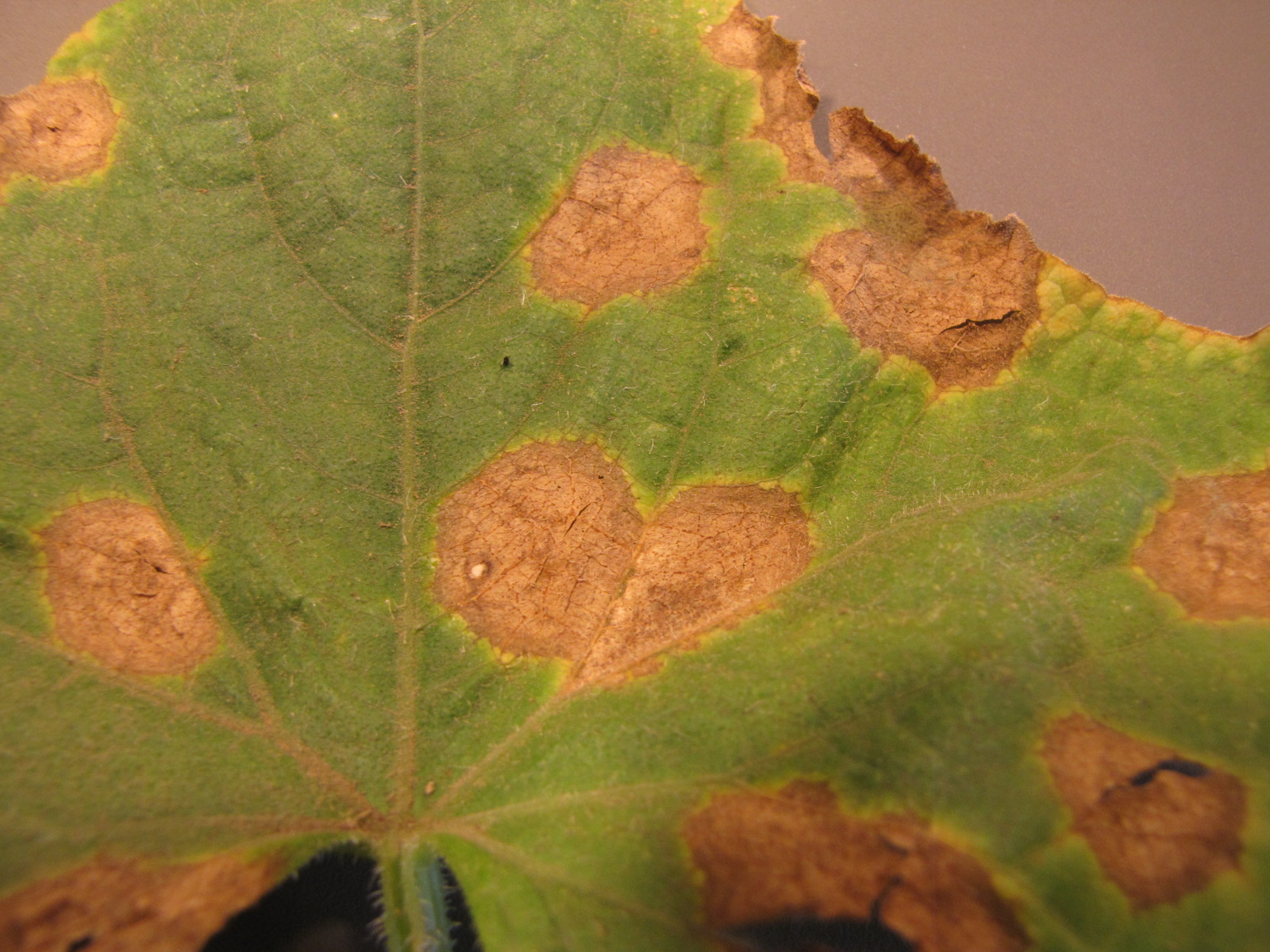 Figure 1. Anthracnose lesions on cucumber leaves. Note jagged margin of lesions.
 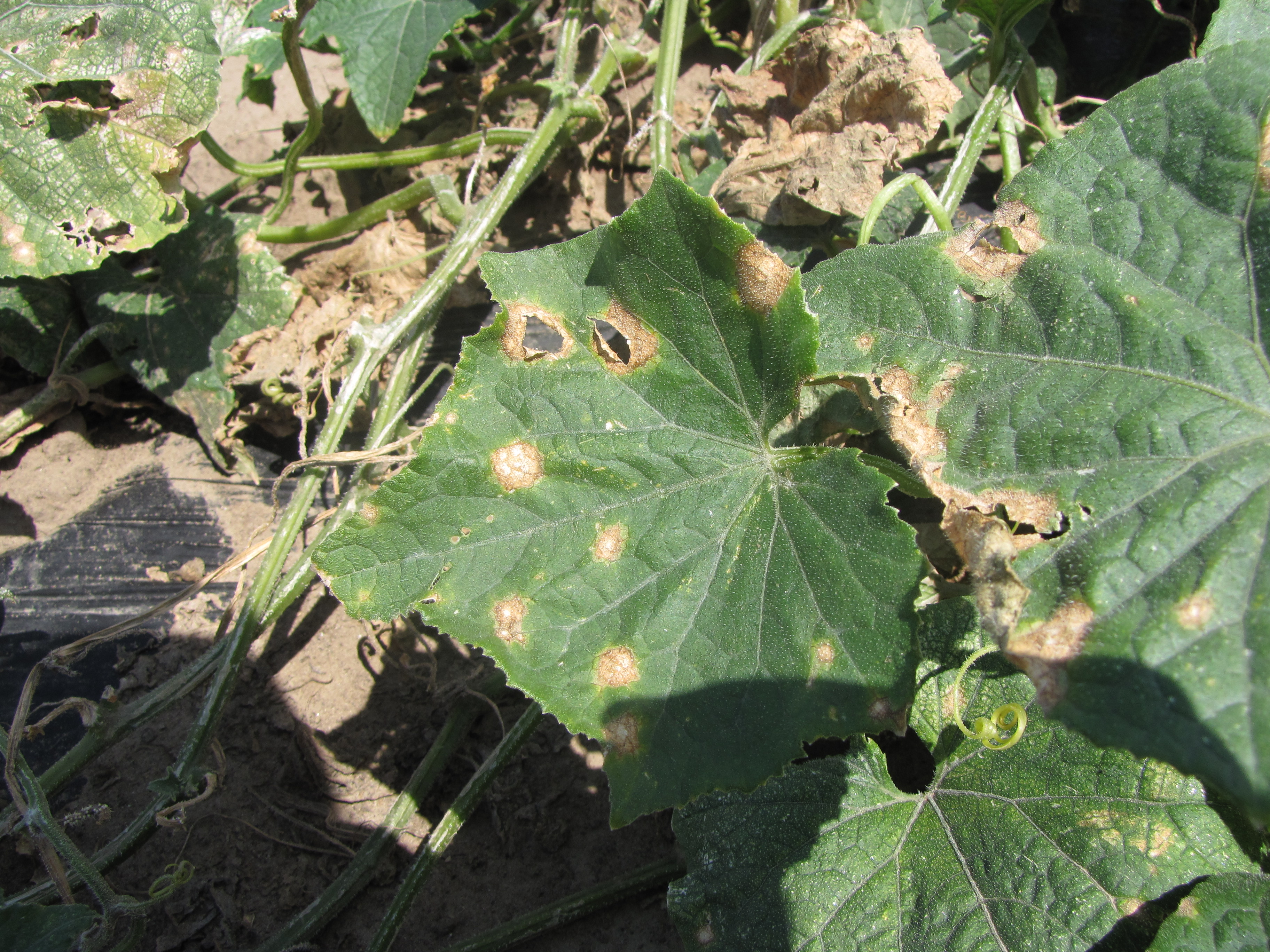 Figure 2. Anthracnose lesions on cucumber leaves. Note that some lesions have a shot-hole appearance.
 Bacterial wilt
Bacterial wilt-The complex biology of bacterial wilt makes managing this pest difficult. Bacterial wilt is caused by a bacterium vectored by the striped or spotted cucumber beetle. Bacterial wilt is quite common every year and can be recognized by the wilt and decline of affected plants.
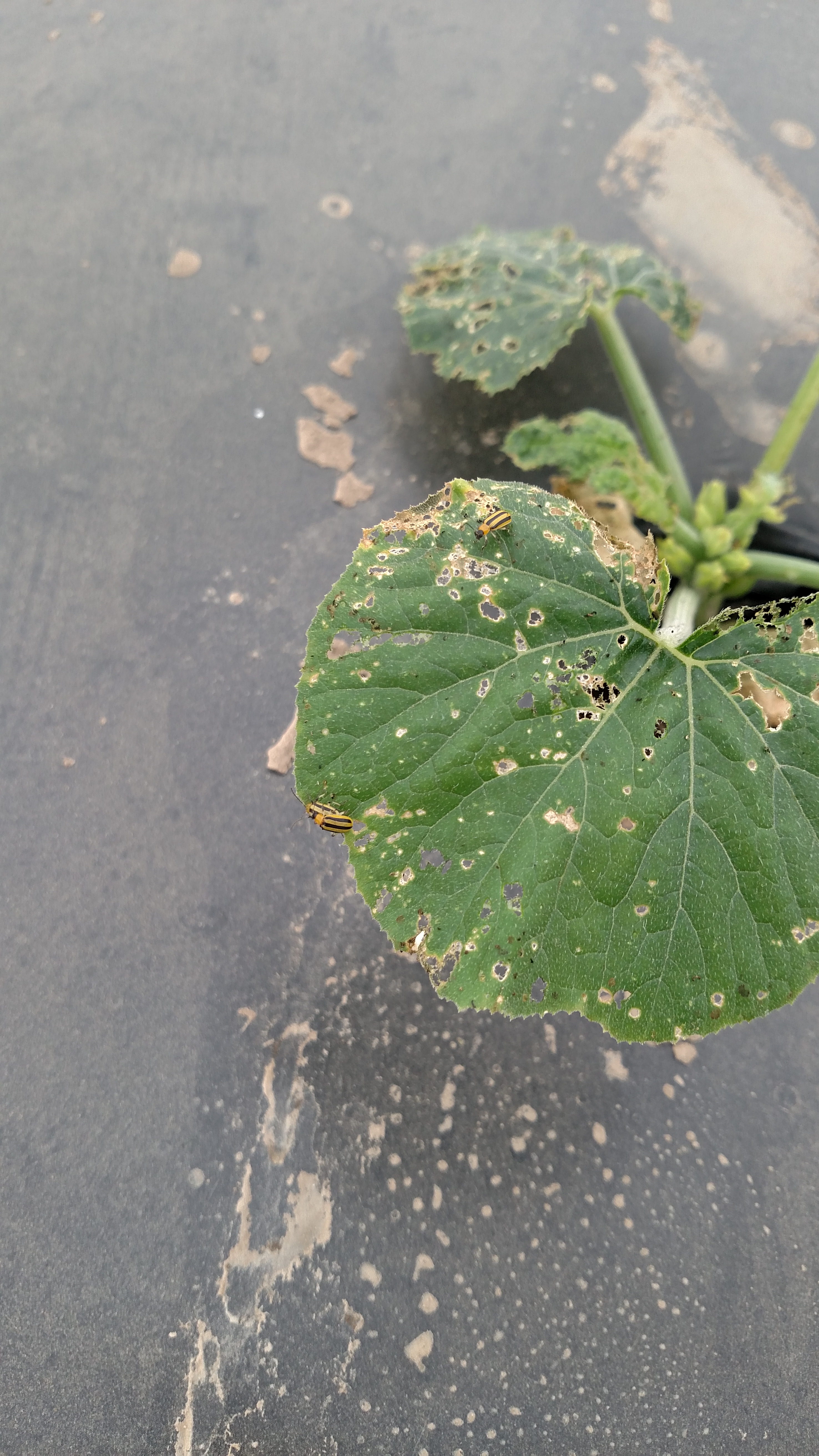 Figure 1. Striped cucumber beetles feeding on cucumber.
 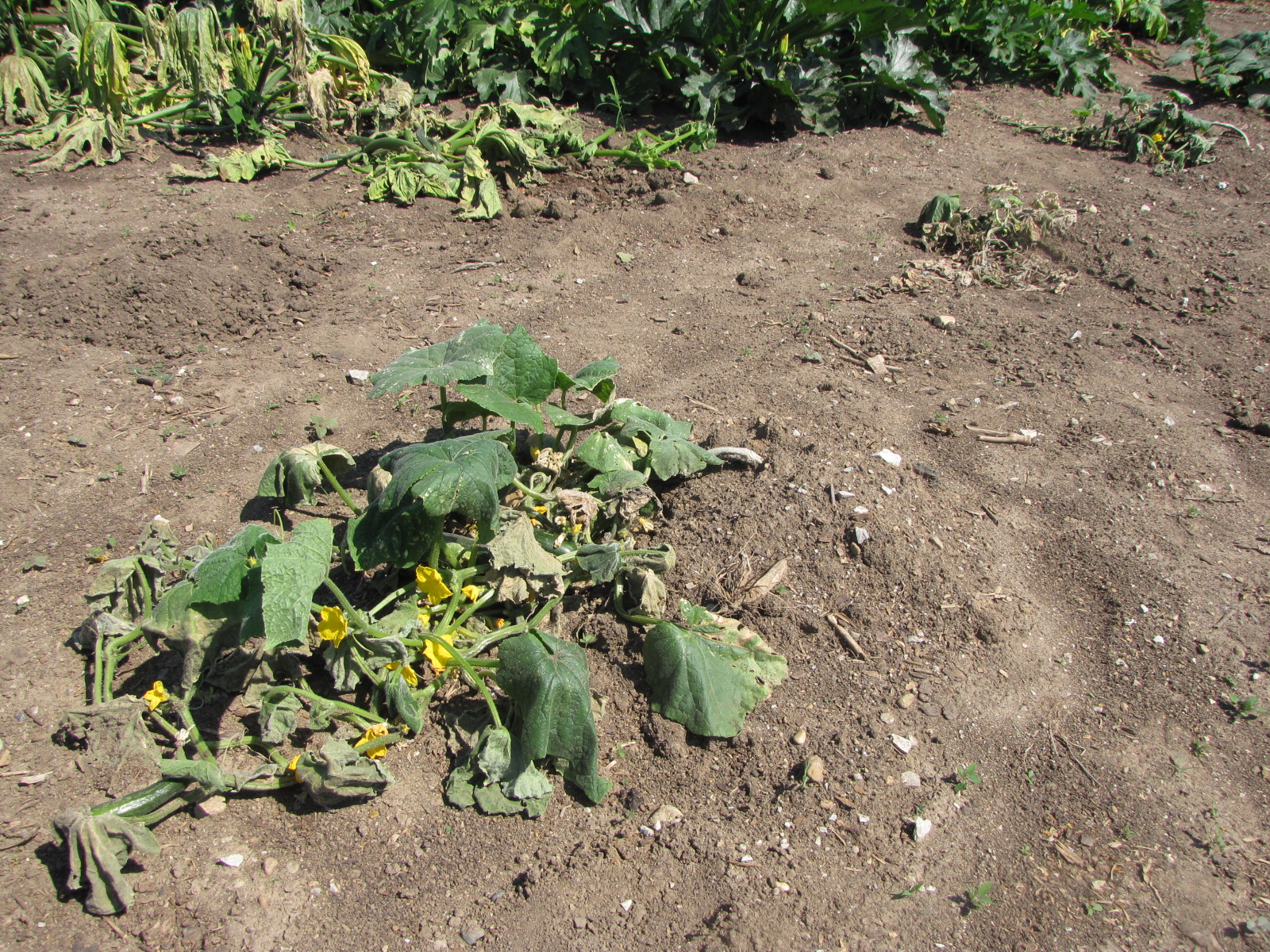 Figure 2. Bacterial wilt of cucumber.
 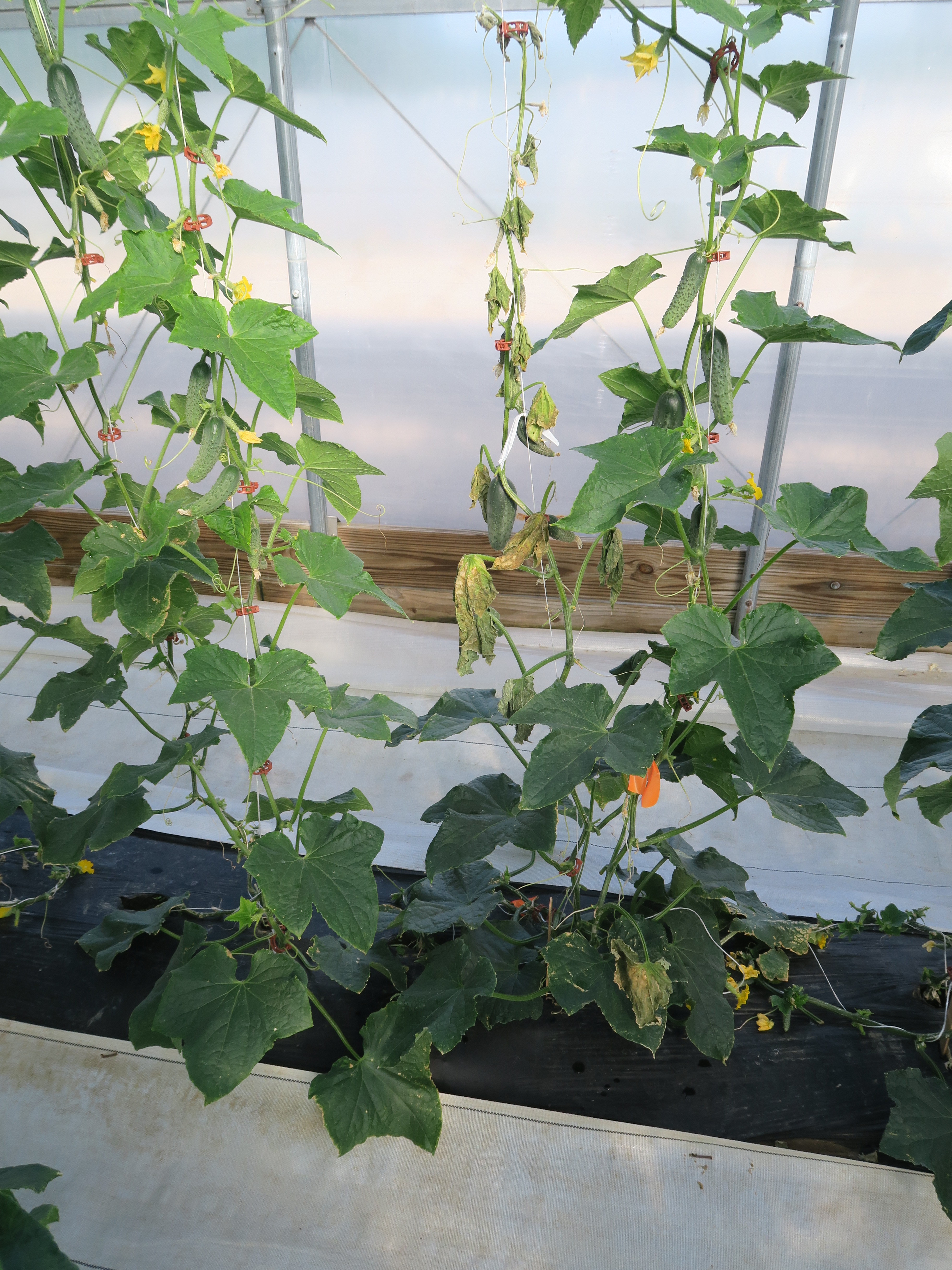 Figure 3. Bacterial wilt of cucumber.
 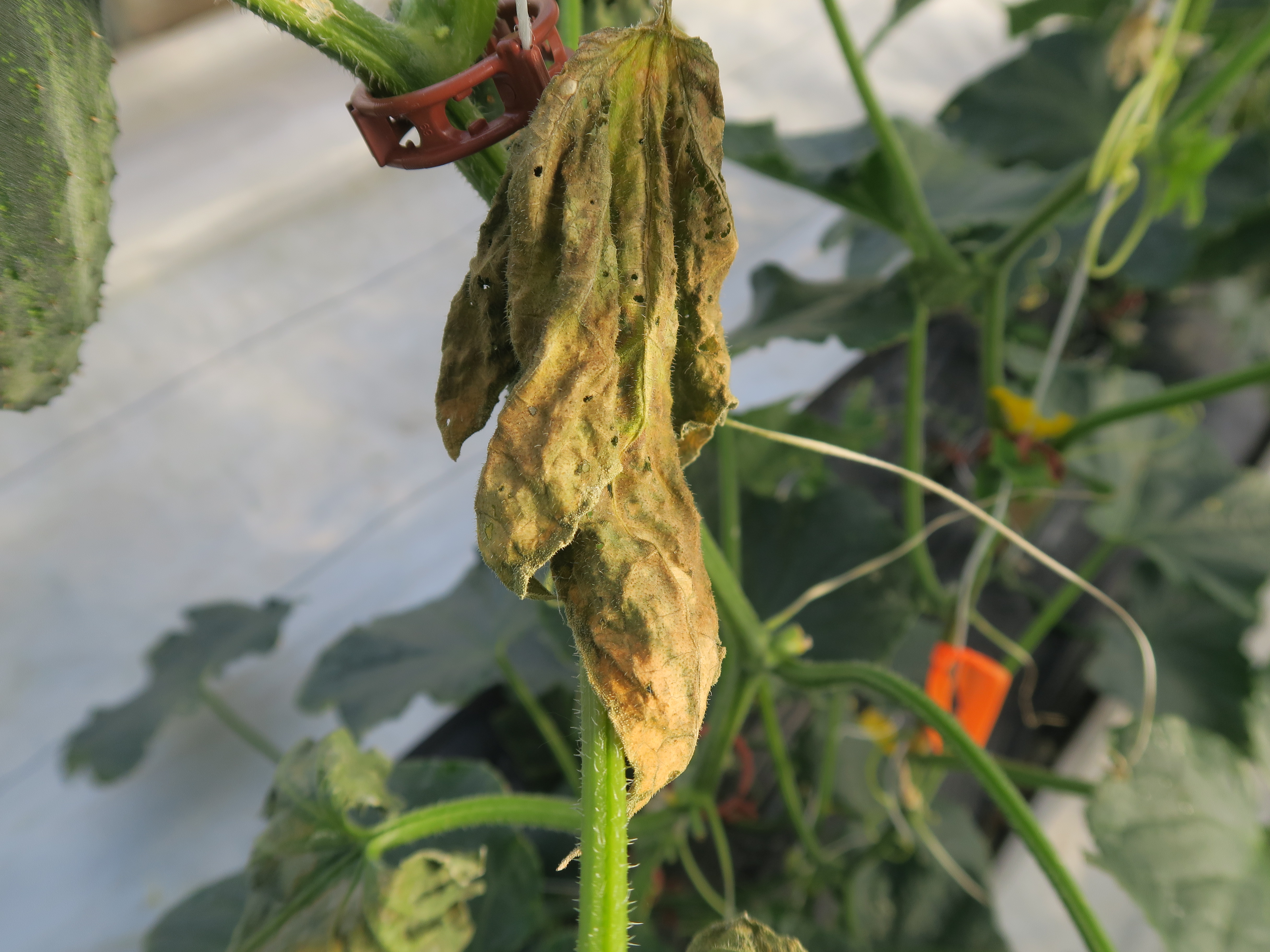 Figure 4. Cucumber beetle feeding visible on cucumber leaf affected by bacterial wilt.
 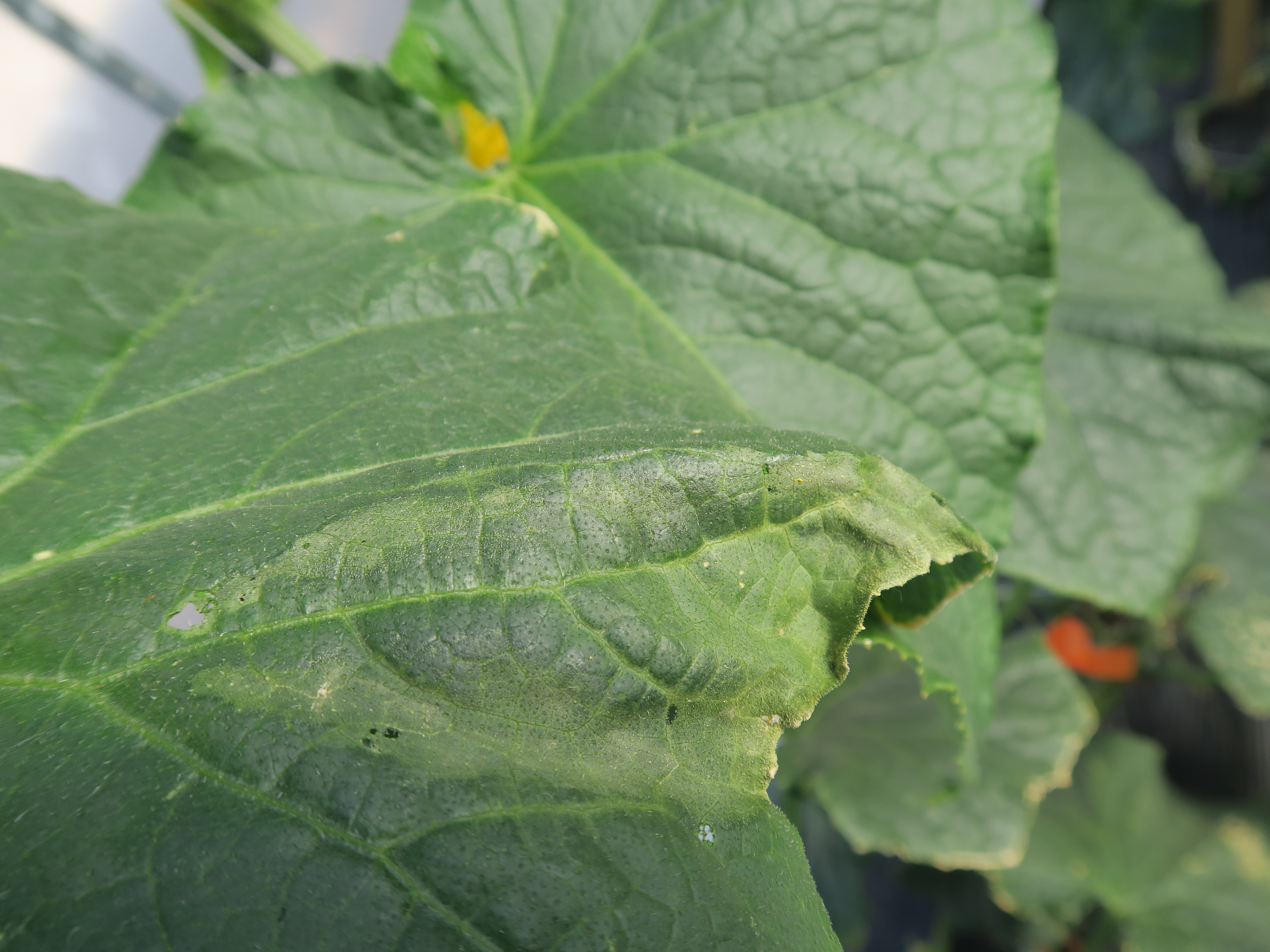 Figure 5. Striped cucumber beetle on cucumber leaf with bacterial wilt.
 Charcoal rot
Charcoal rot-The first symptom one is likely to observe of charcoal rot is the wilt of cucumber plants. Upon closer inspection, the affected plant has developed a light gray canker that encircles the stem. The canker may be dotted with myriad dark, microsclerotia. The causal fungus has a huge host range and prefers warm soils. This disease has not been common, but maybe become more so in soils under high tunnels.
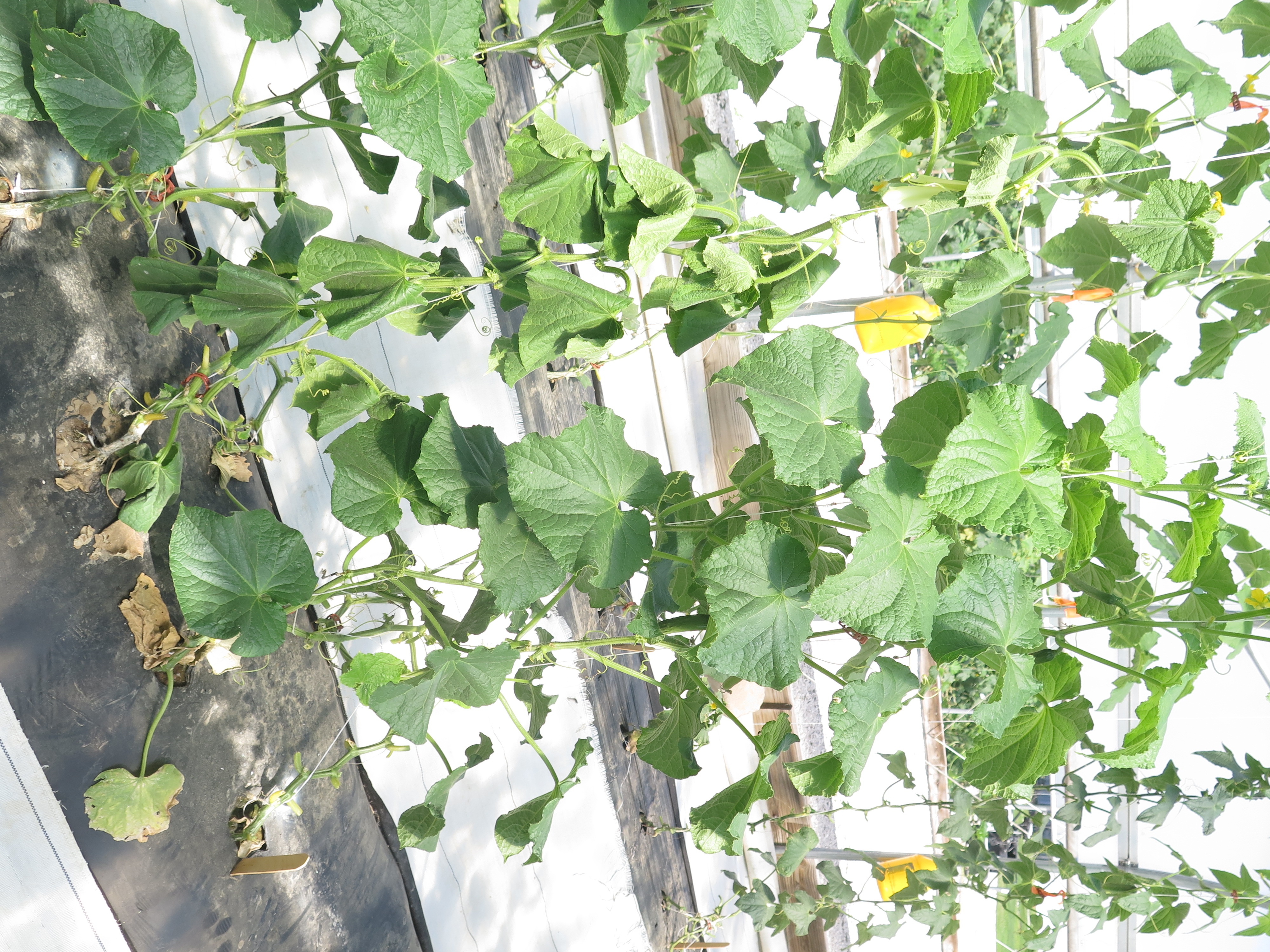 Figure 1. Charcoal rot of cucumber. Plant wilt is often the first symptom observed.
 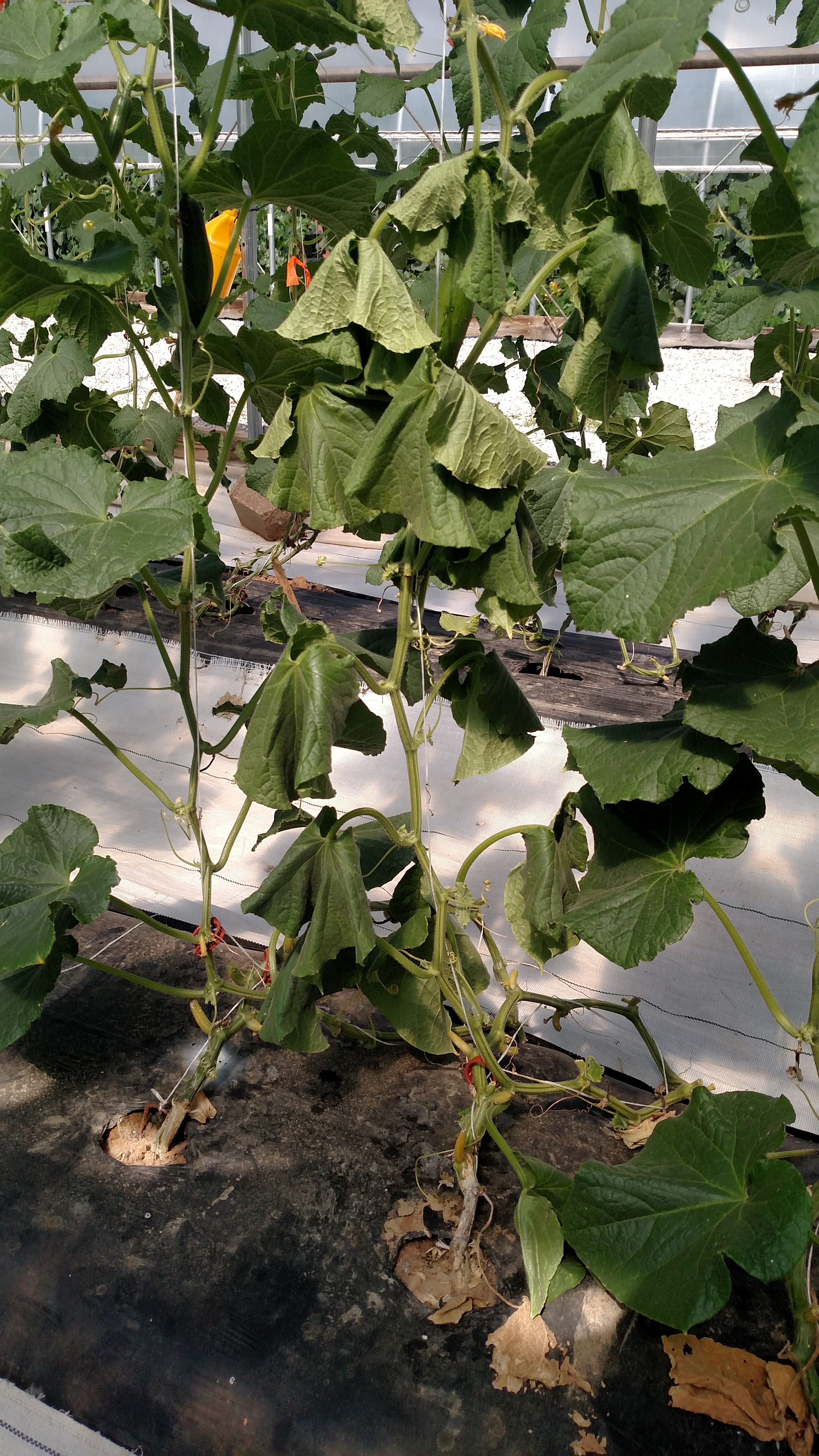 Figure 2. Charcoal rot of cucumber. Plant wilt is visible and lesion on lower stem.
 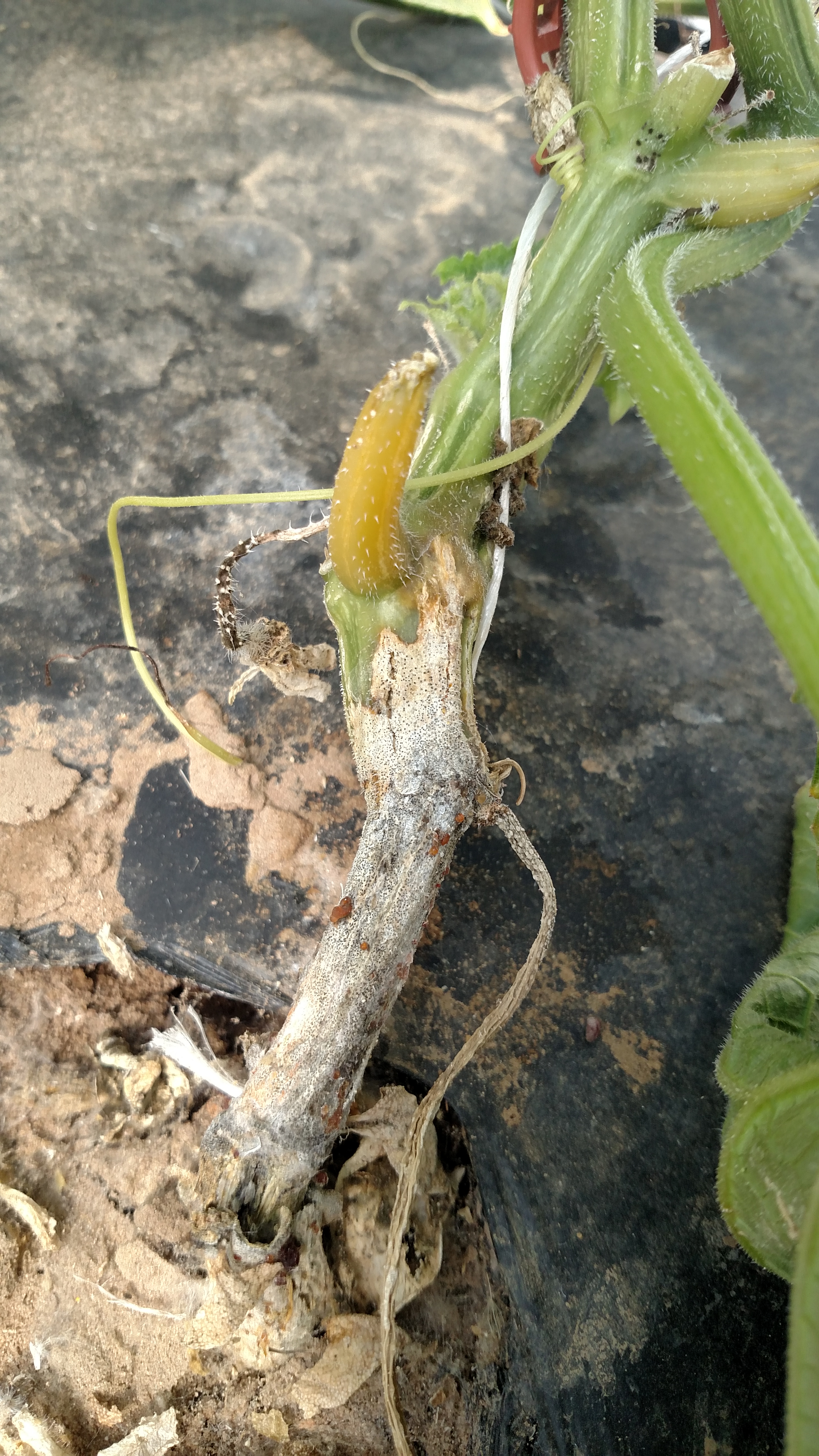 Figure 3. Charcoal rot of cucumber. Light gray lesion on stem with micro-sclerotia shown.
 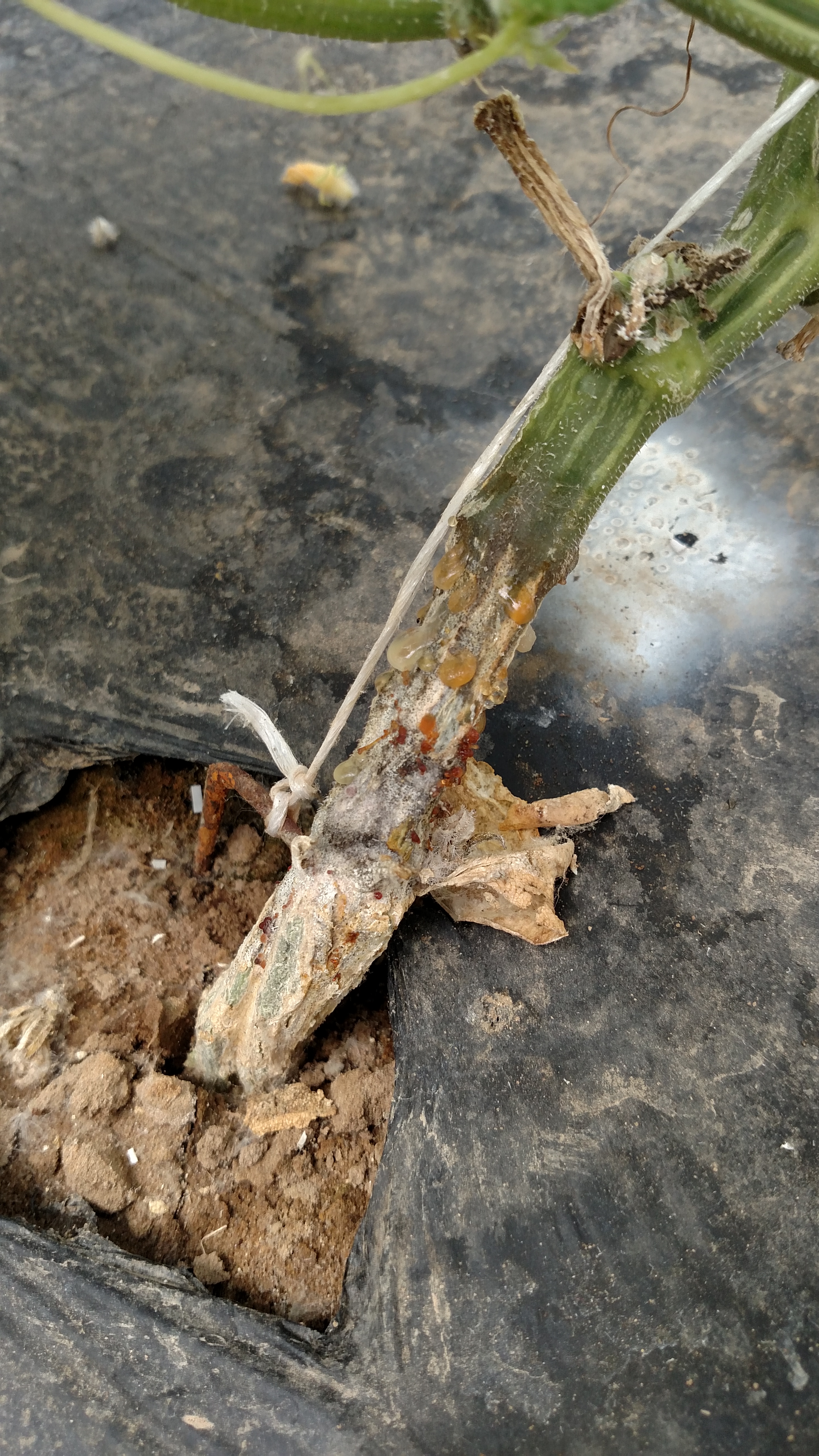 Figure 4. Charcoal rot of cucumber.
 Downy mildew
Downy mildew-The presence of this disease in Indiana depends on the arrival of spores of the causal fungus-like organism each year. Such spores are more likely to arrive in August or later. The chlorotic lesions of downy mildew on cucumber are angular. Multiple lesions may coalesce to encompass large areas of the leaf. Under moist conditions, the causal fungus-like organism may sporulate, becoming visible on the underside of the leaf. Stems and fruit are not directly infected.
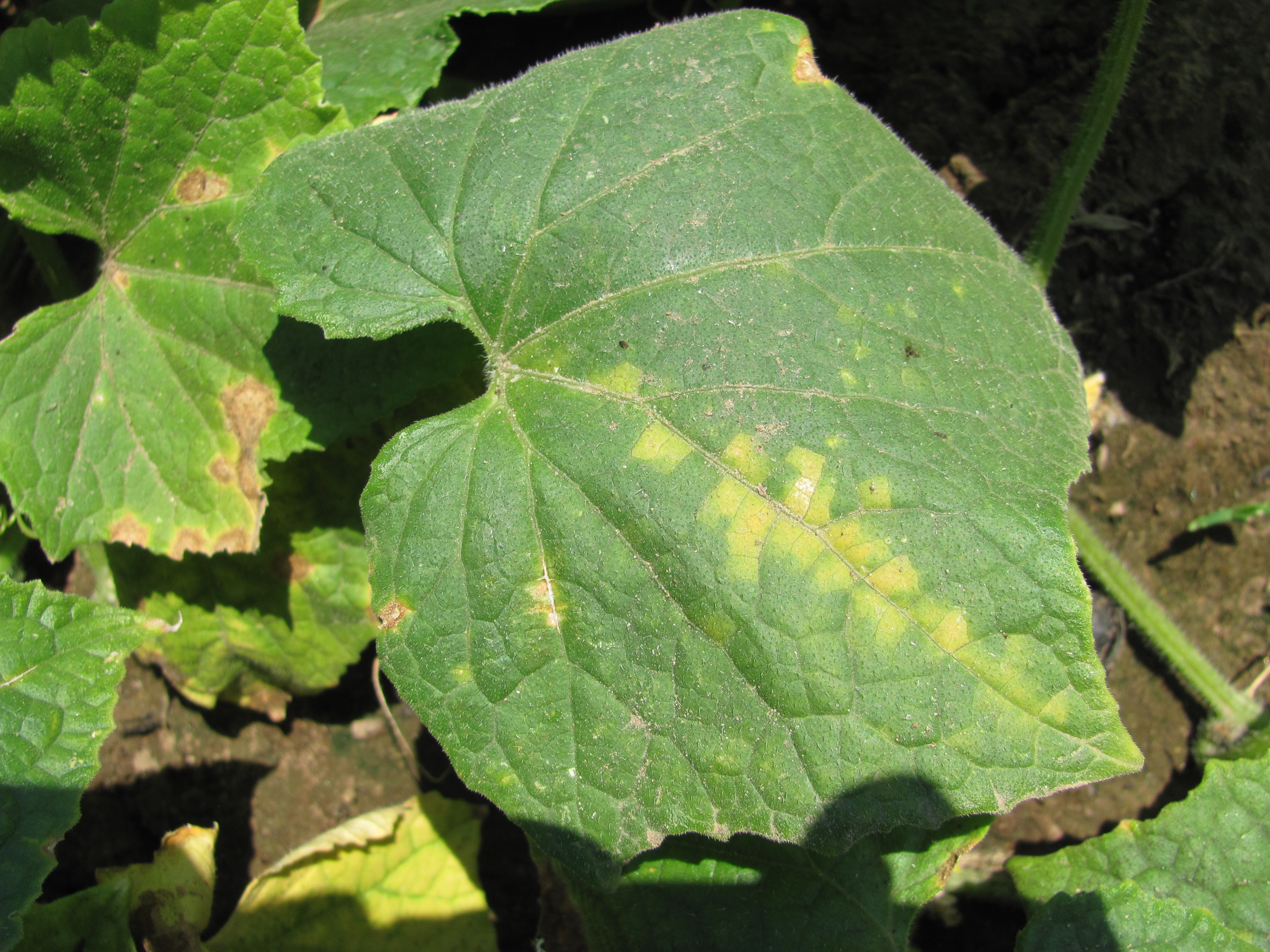 Figure 1. Downy mildew of cucumber. Note angular chlorotic lesions.
 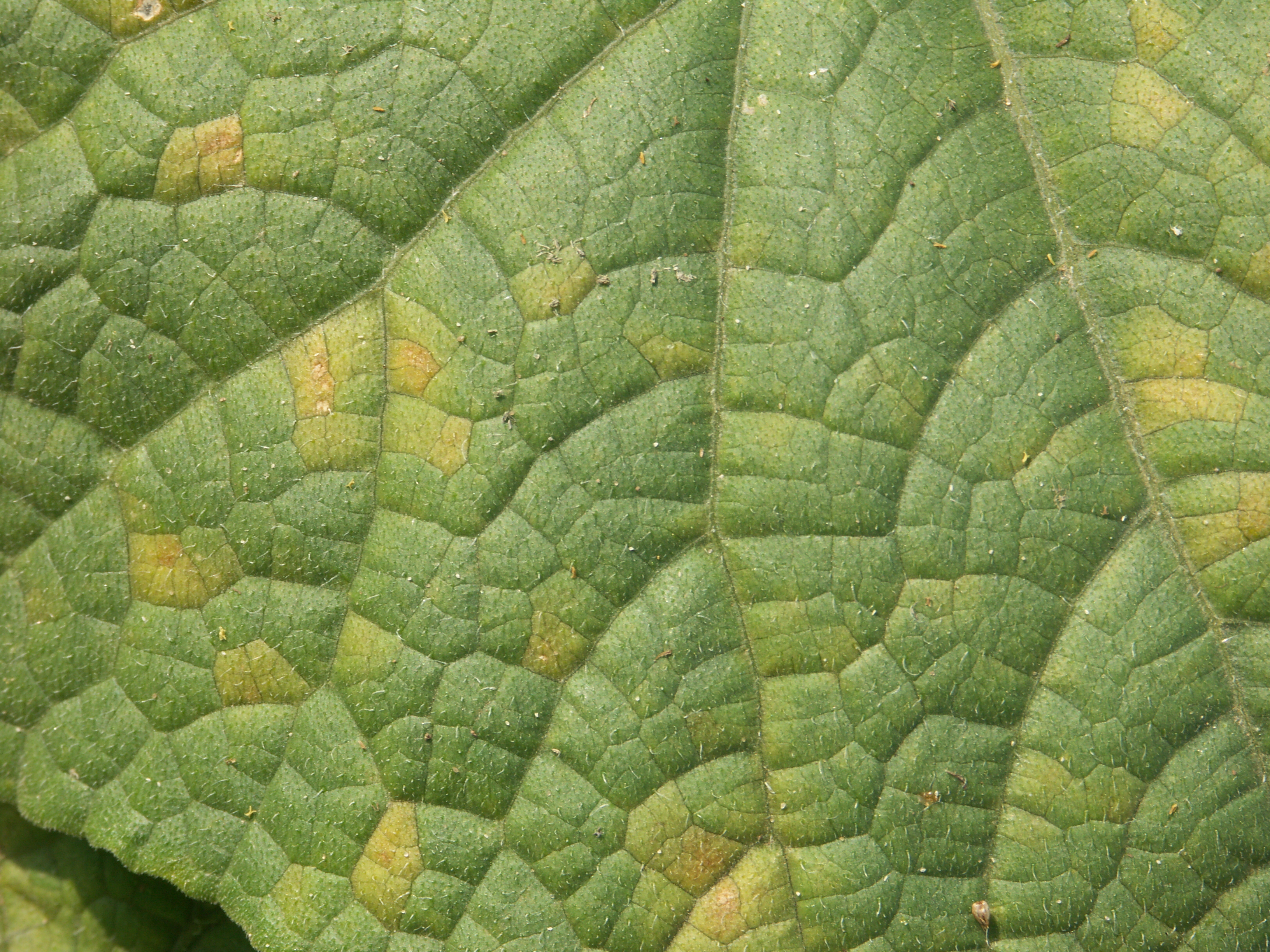 Figure 2. Downy mildew of cucumber. Note angular chlorotic lesions.
 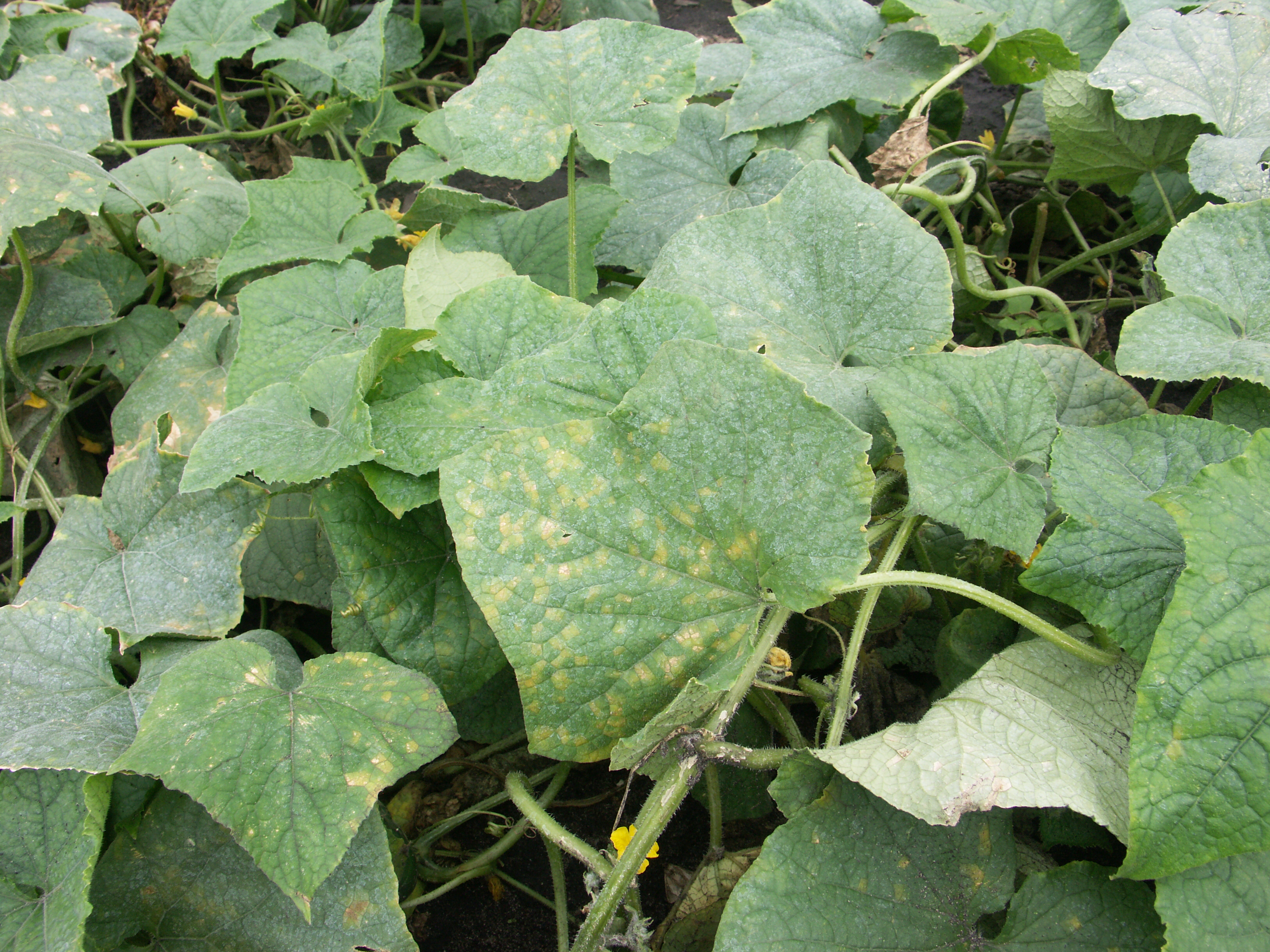 Figure 3. Downy mildew of cucumber.
 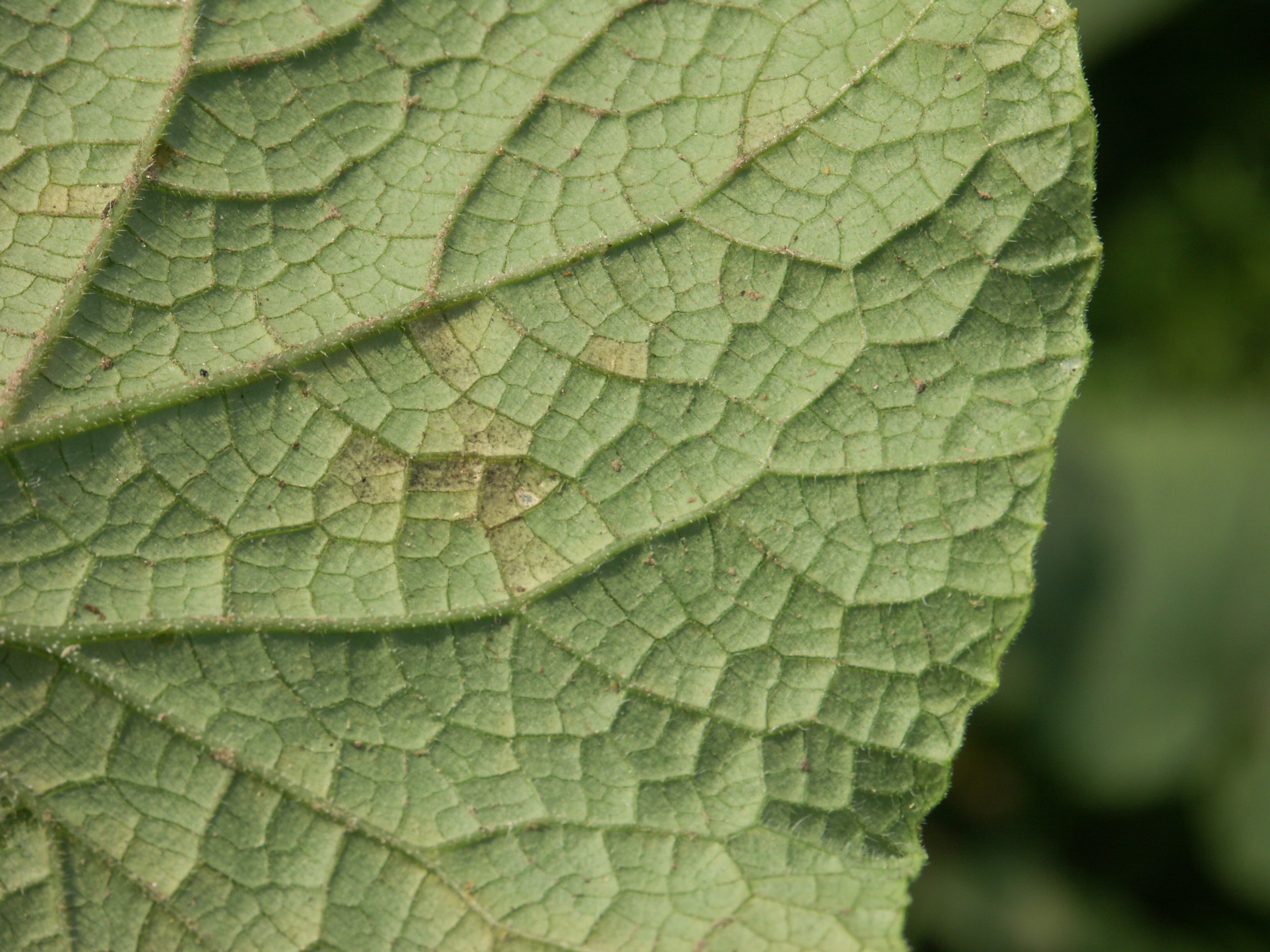 Figure 4. Downy mildew of cucumber. Note dark, sporulation visible on the underside of the leaf.
 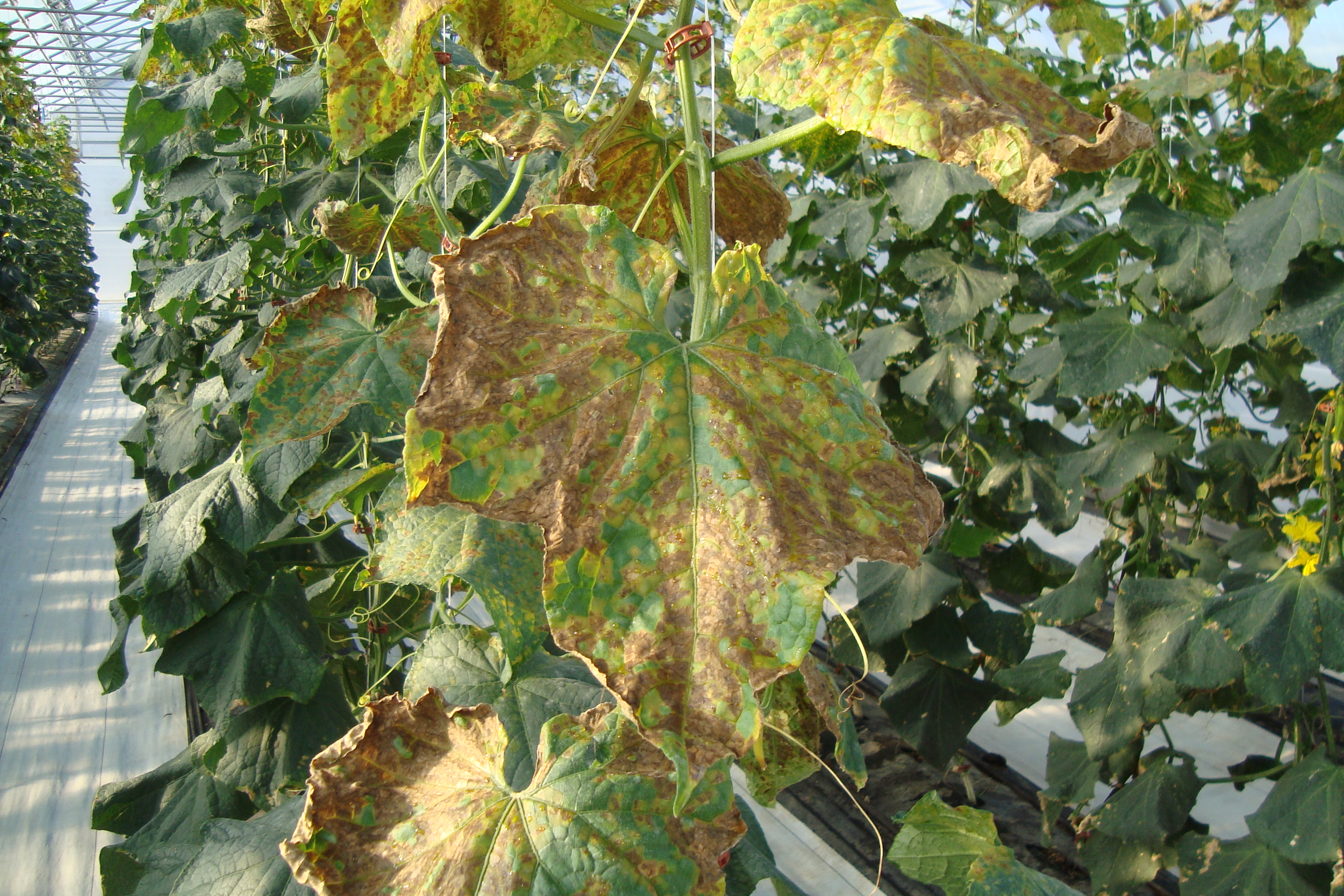 Figure 5. Downy mildew of cucumber. Note chlorotic and necrotic lesions.
 Gummy stem blight
Gummy stem blight-note dark, fungal structures (pycnidia) in center of mature lesions.
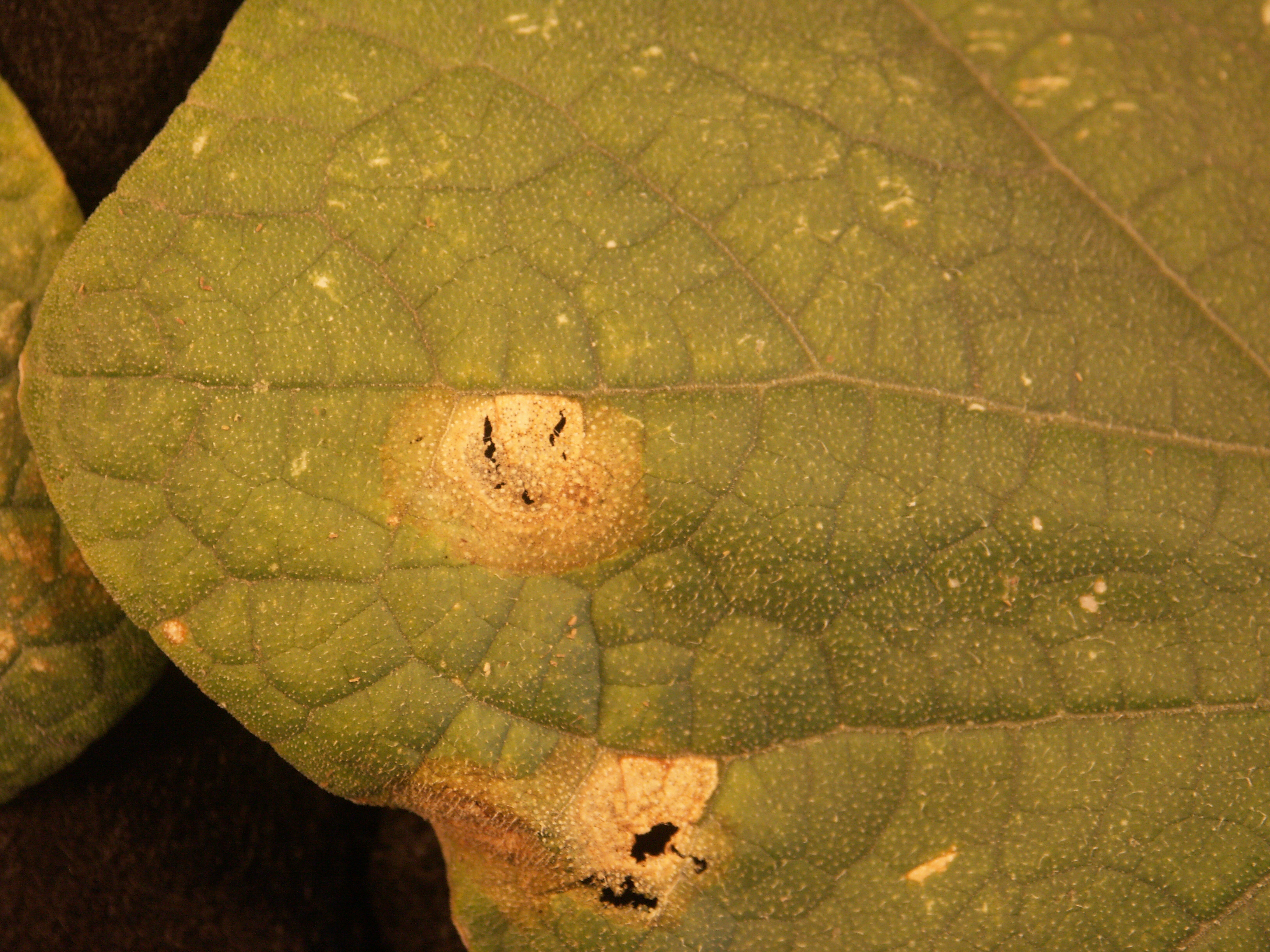 Figure 1. Gummy stem blight lesion on cucumber leaf. Note small fruiting bodies.
 Powdery mildew
Powdery mildew-Symptoms of this disease on cucumbers are relatively easy to recognize from the white talc-like appearance on leaves. This disease appears to be more likely on cucumbers grown in greenhouses or high tunnels.
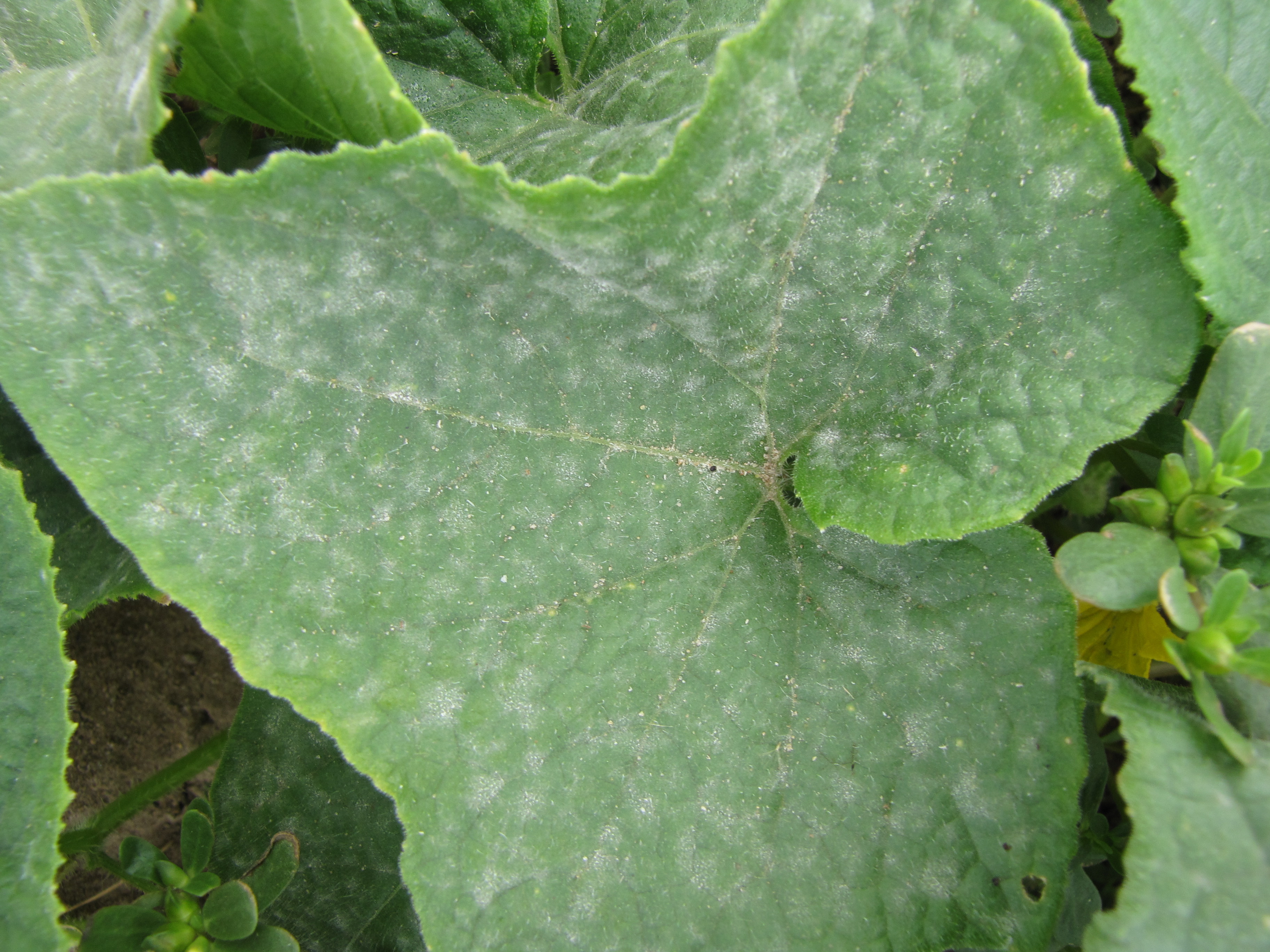 Figure 1. Powdery mildew of cucumber.
 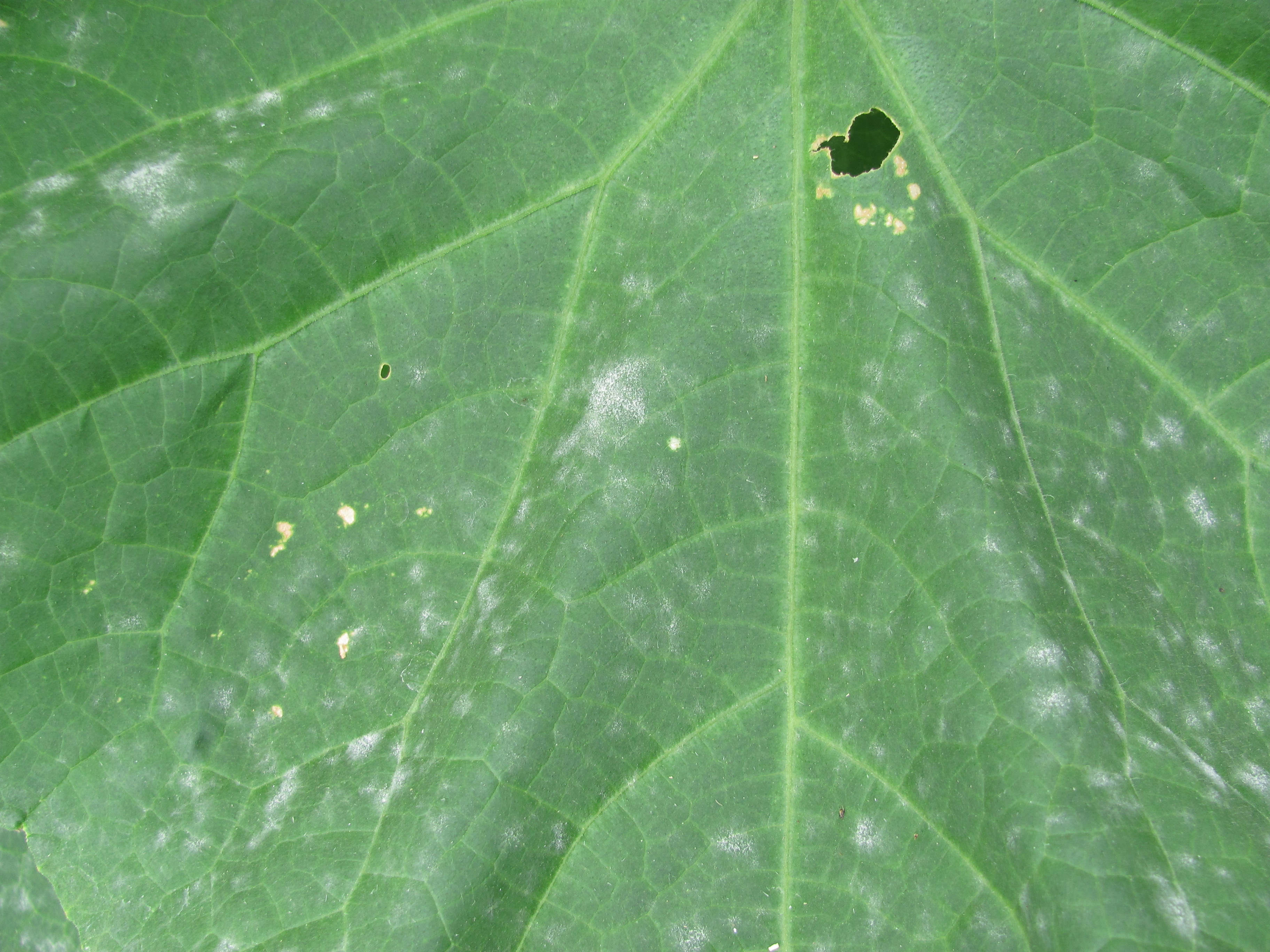 Figure 2. Powdery mildew of cucumber.
 White mold
White mold-Affected plants may begin to wilt due to lesions on stems. Dark, irregularly shaped sclerotia may be found inside or outside stems and are often associated with a white mold. Fruit may also be affected. Huge host range. More common in greenhouses than in fields.
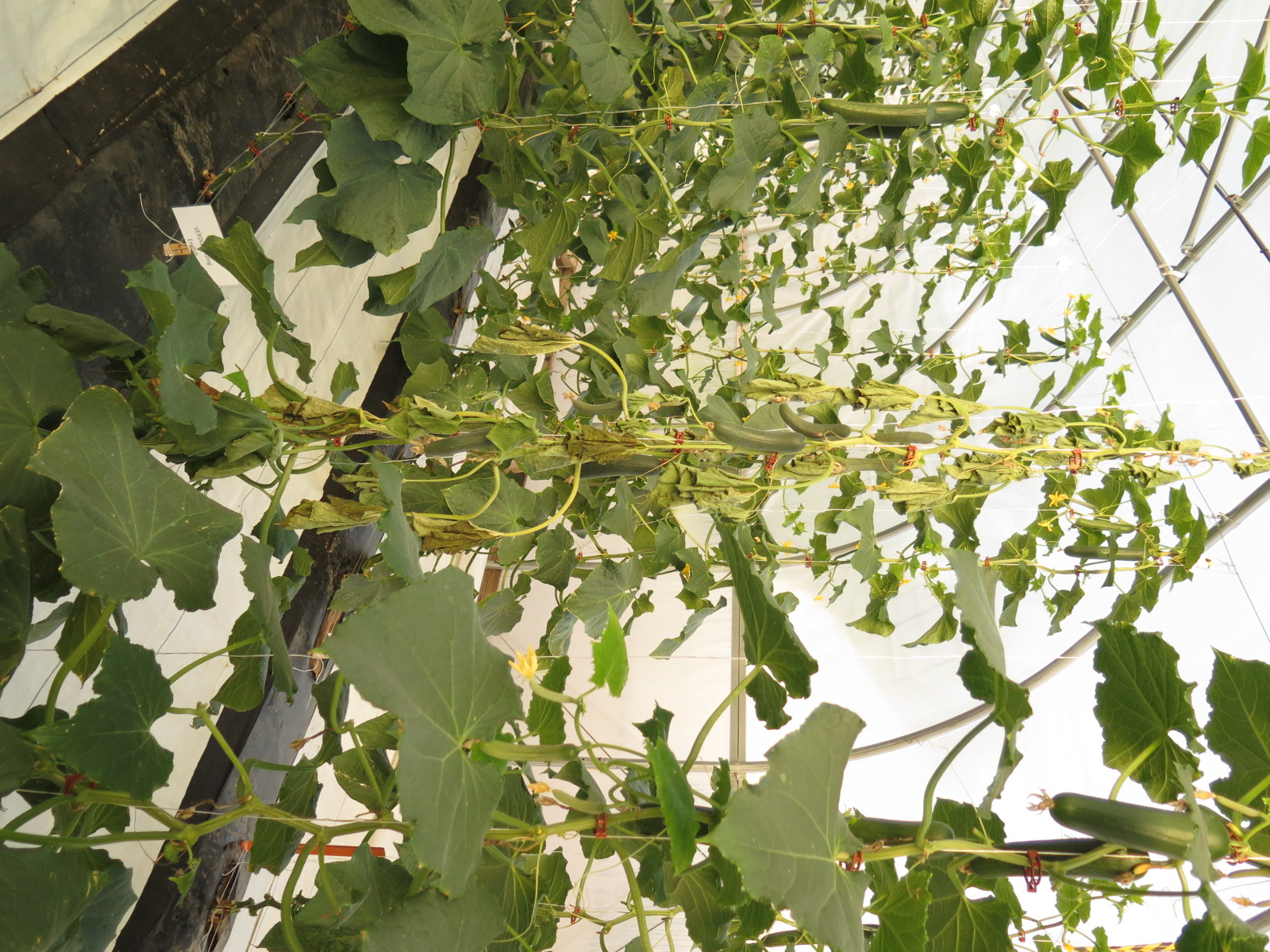 Figure 1. White mold of cucumber. Plant is wilting due to lesion on stem.
 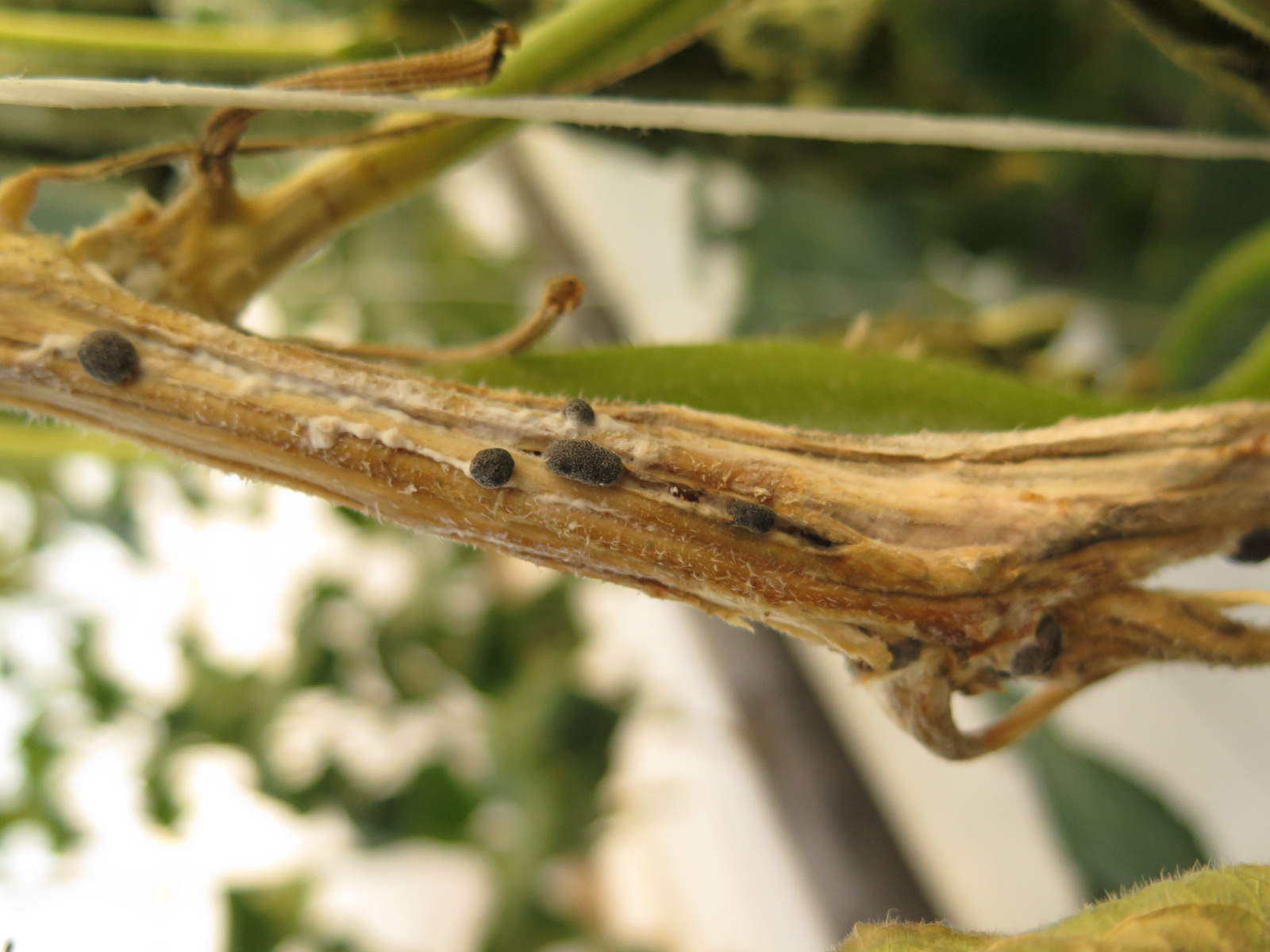 Figure 2. White mold of cucumber. Note dark, irregular sclerotia on stem.
 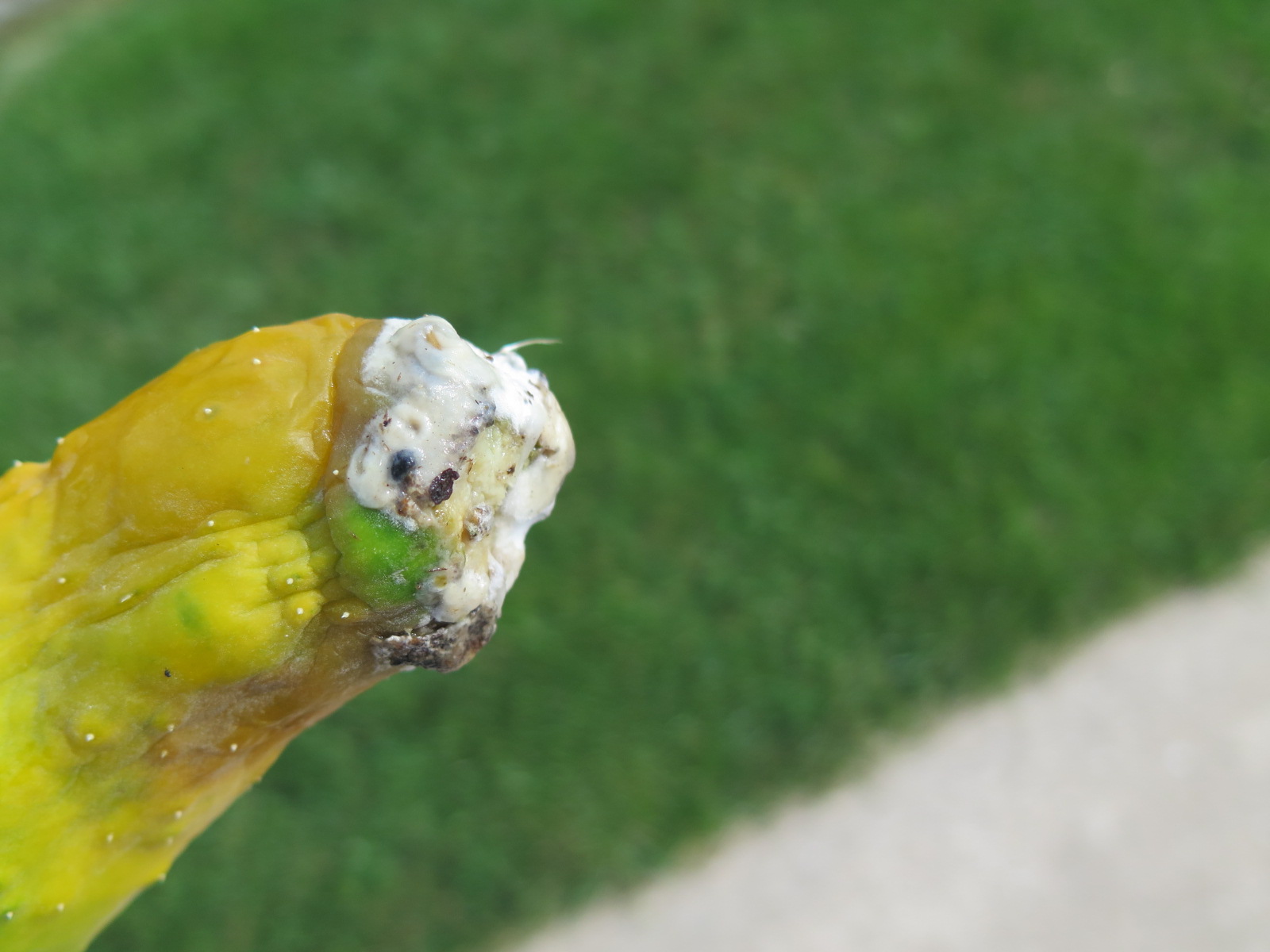 Figure 3. White mold of cucumber fruit. Note dark, irregular sclerotia on fruit.
 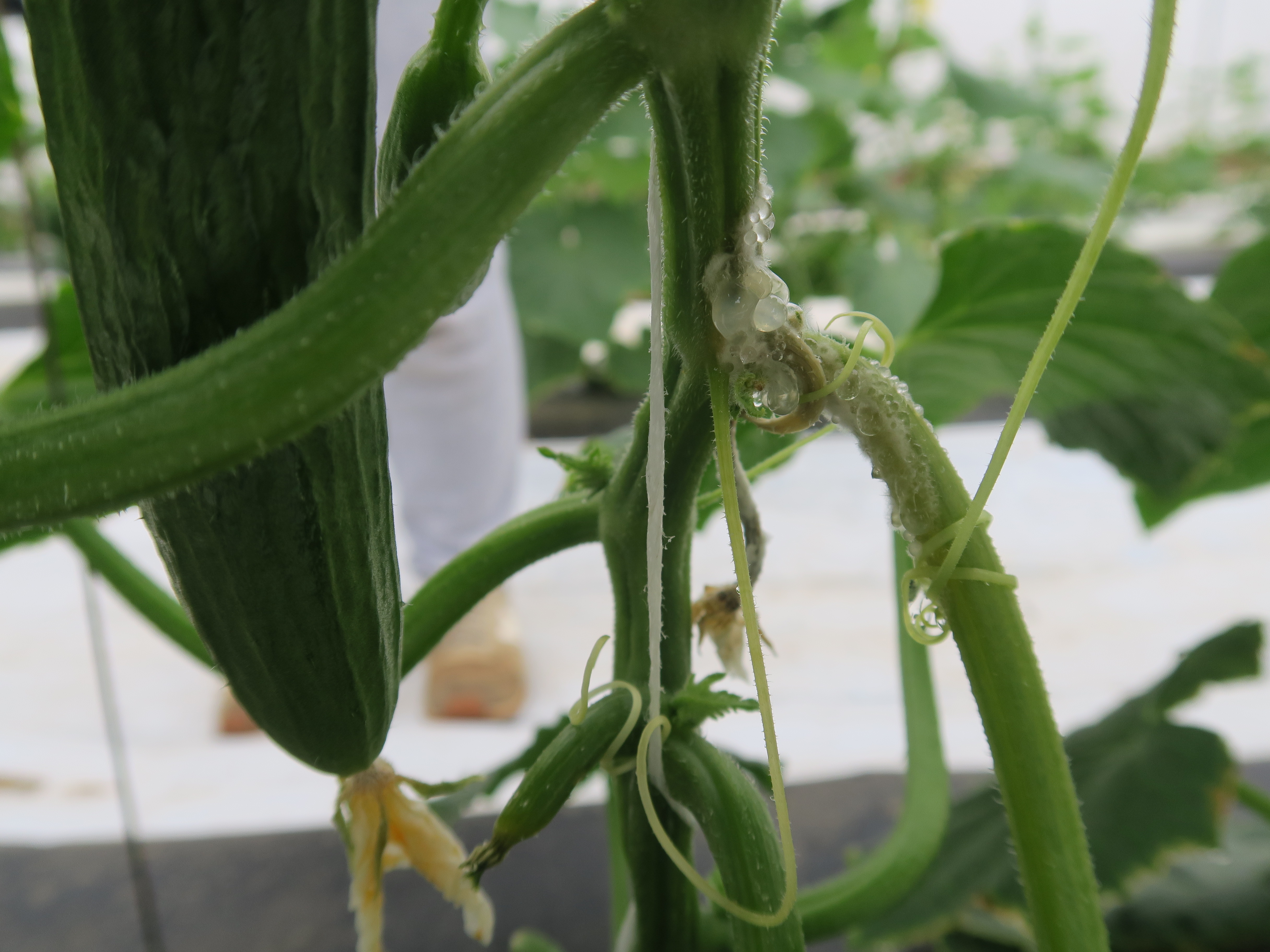 Figure 4. Early symptoms of white mold of cucumber.
 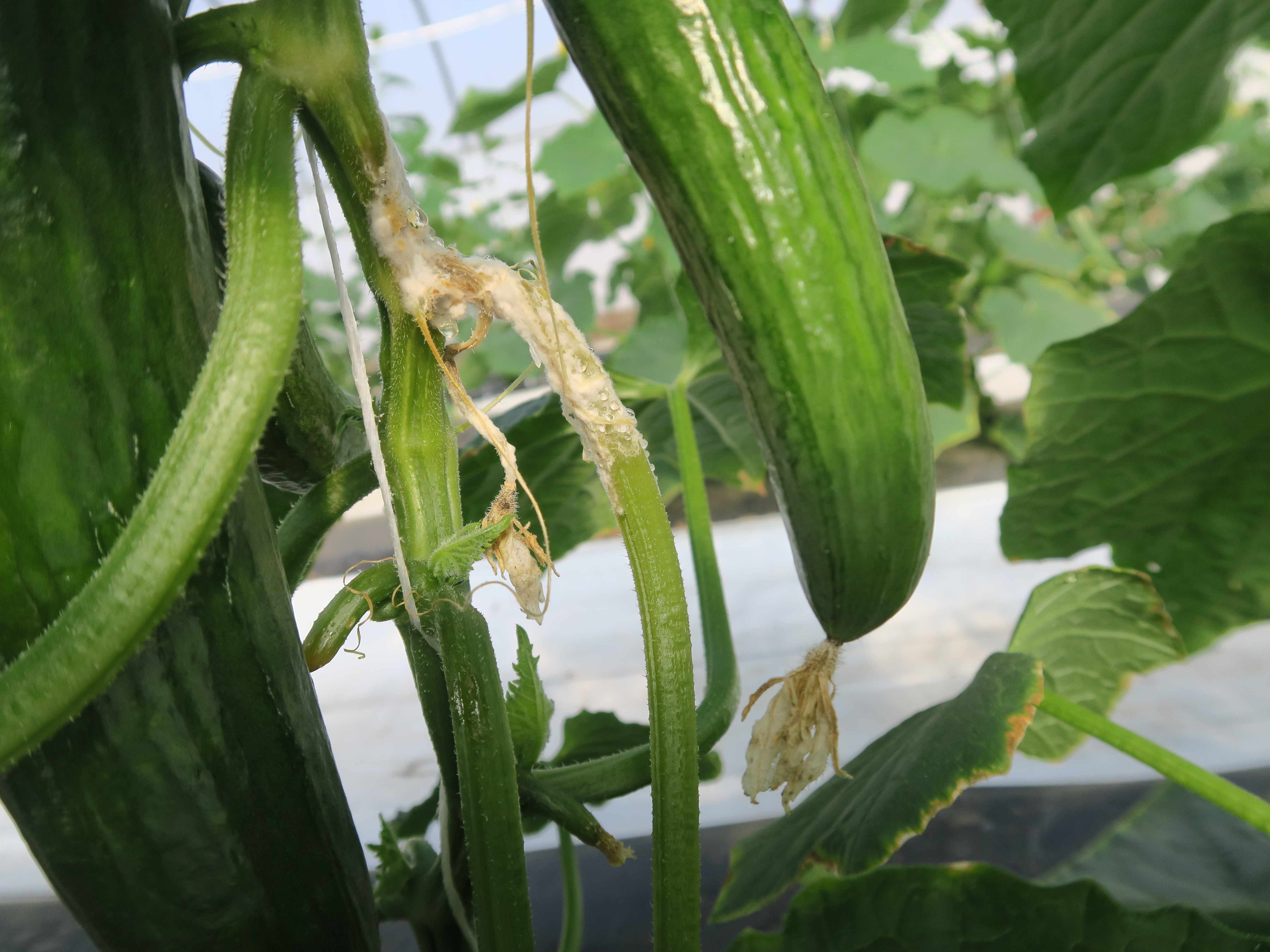 Figure 5. White mold of cucumber.