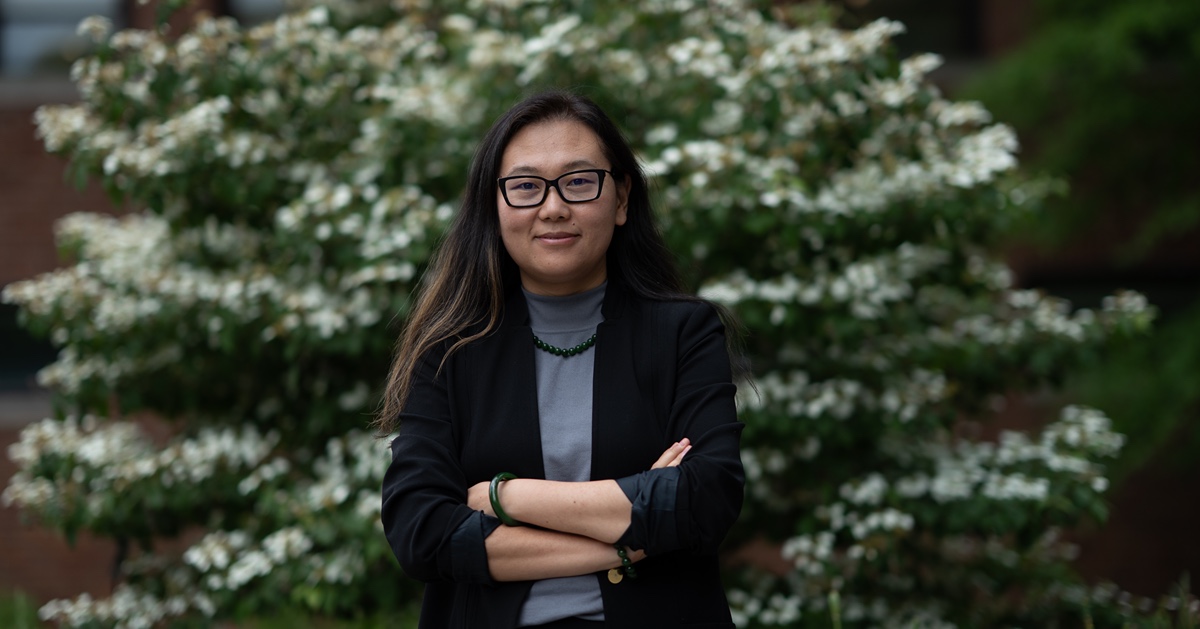
Jingxian An - Postdoctoral Scholar Feature
Jingxian An has always been interested in the science of what people eat and drink, whether pharmaceuticals, alcohol or food. As an undergraduate...
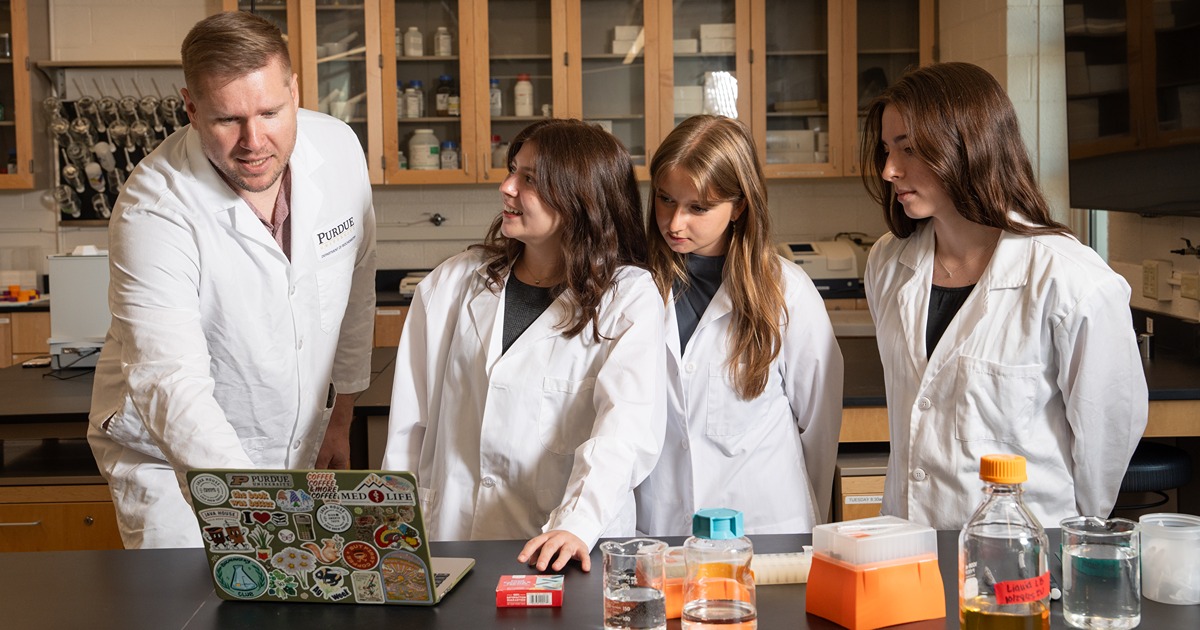
There are a few constants in human life. Sleeping. Breathing. Using the bathroom. But the constant that captures the most of our time and attention, the one that’s central to our cultures, our families, our memories, is eating. From a baby’s first bite of banana to a child’s birthday cake to college pizza parties to anniversary boxes of chocolate, food is how we mark time, bond and show love. Increasingly, it’s clear that food is also the key to our health, in ways both obvious (candy rots your teeth) and less obvious (how certain fibers affect the microbiome).
READ MORE
Jingxian An has always been interested in the science of what people eat and drink, whether pharmaceuticals, alcohol or food. As an undergraduate...
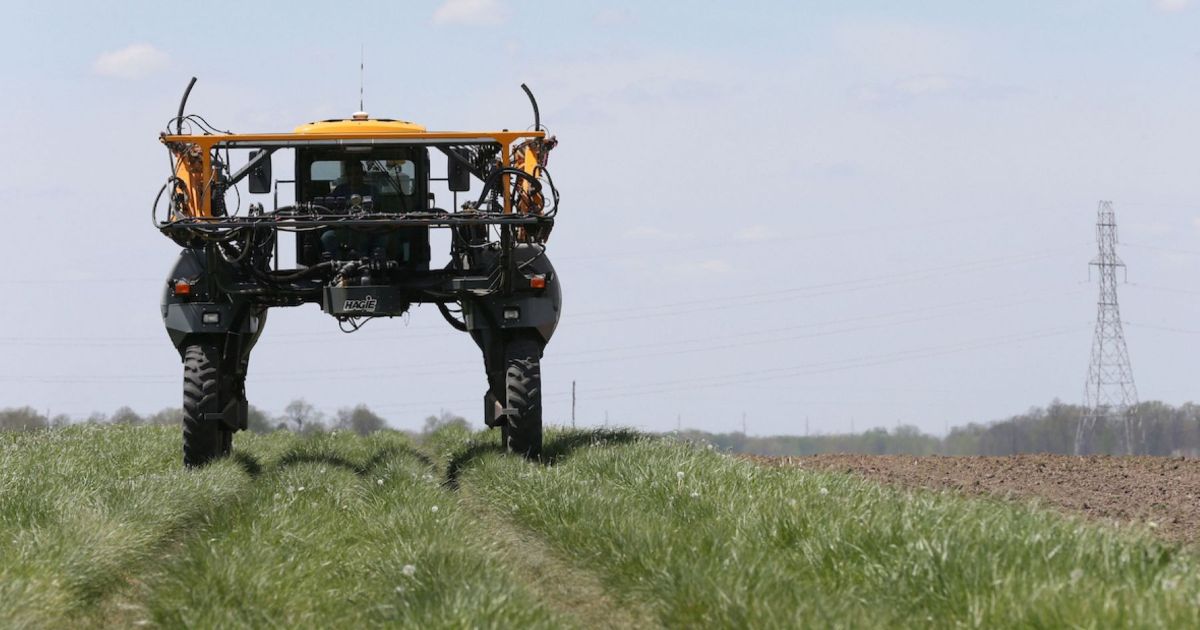
Roadside mowing is inherently dangerous, time-consuming and costly. The Indiana Department of Transportation (INDOT) spends approximately $18...
Even if you don’t know much about beef or dairy production, if you imagine a ranch or a milking barn, you probably picture different cattle...
Purdue’s American Society of Agricultural and Biological Engineers (ASABE) student chapter energized the campus this year by hosting its...
Purdue’s Department of Agronomy has acquired the KenAvis soybean germplasm collection.
What will it take for humans to survive — and thrive — in deep space? In this Space Day feature, Marshall Porterfield, professor of Agriculture and Biological Engineering at Purdue University, explains how bio‑regenerative life support systems could make long‑duration space missions possible.
As NASA prepares for future missions to the Moon and Mars, scientists must answer a critical question: how do we grow food in space? In this Space Day feature, Anjali Iyer-Pacuzzi, Professor of Botany and Plant Pathology, and Denise Caldwell, PhD Candidate in Botany and Plant Pathology, share their research on how plants respond to microgravity and pathogens in spaceflight. Their NASA‑supported work studied tomato plants grown in microgravity to understand plant immunity, food security, and sustainability far from Earth.
Taylor Neal is a Spring Start student in animal sciences with a concentration in pre-veterinary medicine. Hear how saying "Yes" to opportunities at Purdue helped her get involved and find her community.