Am I eating GMOs?
Key Takeaways
- You may have eaten or interacted with GMOs directly. Some produce, like non-browning apples or disease-resistant papayas, are introduced to grocery shelves after passing rigorous testing.
- Many GMOs are also consumed indirectly — some products contain genetically modified plants like canola and corn.
- Some GM animals are approved for human consumption, and livestock feed often comes from GM crops.
Are there GMOs in my food?
DNA is present in all foods that originate from living things, like plants, animals and fungi, whether or not they are genetically modified organisms (GMOs). Either way, this DNA is safe to consume.
It is highly likely that GMOs are a part of your daily diet. People have been eating them directly since 1994, when the Flavr Savr tomato, the first approved GMO, was brought to market. This tomato had a gene added that delayed its ripening, which reduced the softening of the fruit and gave it a longer shelf life than ordinary tomatoes.
Many GMOs are also consumed indirectly — GM canola, for example, is refined into cooking oil and transgenic beets become the sugar in your pantry.
You might also be wearing clothing that is made from GMOs, as most of the cotton grown around the globe has been genetically engineered to be resistant to insect pests.
What GMOs are being sold?
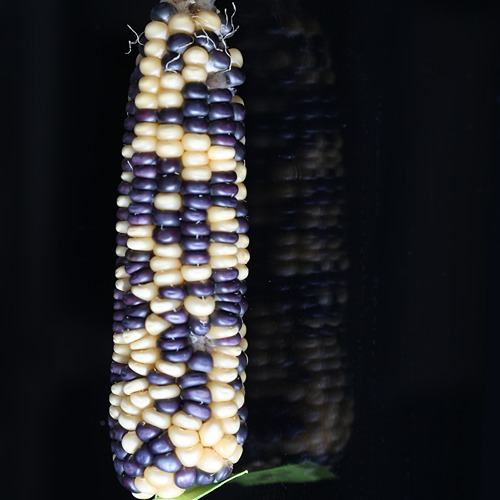
Corn and soybeans are the most common genetically engineered organisms, and you can commonly find them in ingredient lists on the back of your food, like in corn syrup. Corn, soybeans and alfalfa are altered to make farming them easier and more efficient.
Potatoes, apples and mushrooms have all been genetically engineered to reduce browning after being cut.
Some potatoes have also been genetically engineered for a resistance to late blight, the disease that led to the Irish potato famine. Also, most papaya in the U.S. are genetically modified to be resistant to papaya ringspot virus, a modification that saved the industry in Hawaii. Yellow squash, zucchini and banana were also modified for disease resistance.
The Purple Tomato was the first GMO marketed to home gardeners in 2023. It was engineered with snapdragon genes to produce more anthocyanins, which make the plant a deep purple and offer several human health benefits.
There are currently three genetically modified animals approved for human consumption, all of which make up a very small portion of the market in comparison to non-GM animals. The AquaAdvantage salmon grows more efficiently and faster than other salmon. A breed of heat-tolerant beef cattle has shorter, slicker hair that helps them keep cool. Pigs edited to resist porcine reproductive and respiratory syndrome were recently approved in Brazil and Colombia, and scientists hope to make chickens resistant to the avian flu to help prevent its spread to humans as well.
What is the impact of GMO feed on livestock?
Most GM corn, soybeans and alfalfa are made into animal feed, which is the largest recurring cost in livestock production. The higher yields and fewer inputs necessary for GM crops make them cheaper for farmers, which translates into more affordable animal products for consumers.
The Center for Veterinary Medicine within the Food and Drug Administration makes sure that all animal feed is safe for livestock to consume. They concluded that there is no impact of GM feed on the health of livestock or the safety of animal-sourced foods.
GMO FAQ