How are GMOs regulated and labeled?
Answers derived from an interview with Valerie Kilders, Assistant Professor of Agribusiness Marketing & Anam Ali, PhD student of Agricultural Economics.
Like with many products, genetically modified organisms (GMOs) are regulated by governments around the world to prevent or minimize risk and potential harm to the environment and human health. This regulation is then balanced with potential benefits to agriculture and trade.
Key Takeaways
- In the U.S., GMOs are regulated by three agencies to protect human and environmental health: the Department of Agriculture, Food and Drug Administration and Environmental Protection Agency.
- GMOs are often labeled “bioengineered.” The label may include a symbol, QR code, digital link or phone number to find more information.
- Products can also be certified as non-GMOs, and the market for non-GMO products is increasing.
- Other countries have different regulations around growing and importing GMOs, which can make trade of food products containing GMOs difficult.
Why are GMOs so prominent?
GMOs have many prospective benefits: they can save farmers money and increase the efficiency of farms. Producers use them to enhance crop yields, improve pest resistance, reduce the resources necessary to grow crops, and increase tolerance to climate change or harsher climates. In some cases, GMOs can also increase the nutritional value of food.
Because of the reliable yields that come from growing genetically modified crops, GMOs provide a more stable food supply. They bring more high-quality food products to the market, decreasing the overall cost to consumers.
GMOs also impact the job market, not only keeping farmers in business, but also creating jobs in the research, development and regulation of biotechnology.
Who regulates GMOs?
In the U.S., GMOs are regulated by three agencies, each responsible for specific aspects of the food system:
1. United States Department of Agriculture (USDA):
The USDA’s Animal and Plant Health Inspection Service regulates agricultural pests, diseases and crop safety. They make sure GM plants are not harmful to other plants.
GMOs may be regulated or producers may petition with the USDA to be non-regulated, depending on how they were produced. This regulation controls the imports, interstate movement and environmental release of organisms developed using genetic engineering.
2. Food and Drug Administration (FDA):
The FDA regulates food for both humans and animals, so they ensure GM foods and ingredients comply with food safety standards set for all food. They also set guidelines for labeling GM food products.
The FDA runs a voluntary Plant Biotechnology Consultation Program to provide assistance for companies and developers in navigating these regulations.
3. U.S. Environmental Protection Agency (EPA):
The EPA is responsible for protecting human health and the environment. Under the Federal Insecticide, Fungicide and Rodenticide act, they also regulate the safety, sale and use of GMOs with “plant-incorporated protectants,” like insecticidal toxins.
How are GMO foods labeled?
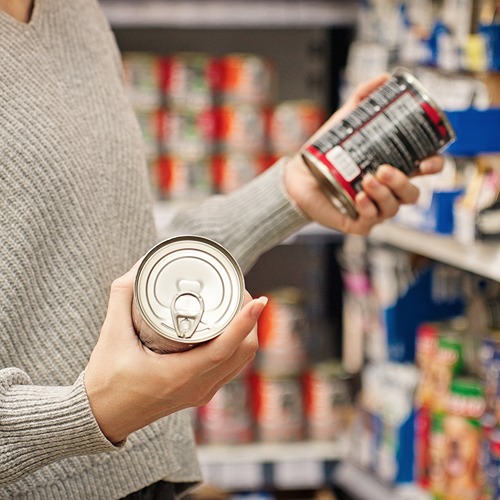
Many genetically modified organisms are labeled as “bioengineered,” which is defined by the USDA as foods “that contain detectable genetic material that has been modified through certain lab techniques and cannot be created through conventional breeding or found in nature.”
Currently, a label for products regulated as genetically modified or bioengineered must include one or more of the following:
- the phrase “Contains a Bioengineered Food Ingredient”
- a symbol
- a QR code
- a digital link
- or a phone number that consumers can text.
There are labeling exceptions, including:
- A threshold of less than 5% inadvertent bioengineered substances present in ingredients.
- Products with meat, poultry or eggs as primary ingredients.
- Highly processed foods like cooking oil and soda, where bioengineered material is undetectable.
- Food at restaurants.
- Small manufacturers.
The National Bioengineered Food Disclosure Standard was implemented in 2019 and updated in 2023. Regulations of GM food change regularly as technology changes, so frequent future updates are likely.
Products can also be certified as non-GMO by the Non-GMO Project, a nonprofit organization aiming to make food products more transparent through labeling. Businesses pay the Non-GMO Project to certify their products, and the market for non-GMO products is increasing.
Some countries have specific GMO bans or restrictions, and not all countries require GMO labeling.
The European Union (EU), for example, has stricter regulations on GMOs than the U.S. and its own regulatory framework for the production and import of GMOs across Europe. In addition, individual member states of the EU can prohibit the cultivation of GM crops within their territory.
Other countries like Russia and Peru have severely limited GMO cultivation and imports. Mexico recently lifted a ban on GM corn after a court challenge to the ban and Ghana recently launched GM cowpeas (the first GM food to be cultivated in the country).
These rules can make trade of food products between the U.S. and other countries with stricter GMO regulations difficult.
GMO FAQ