

Indiana Corn Update - Issue #34
From South to North: Tracking Indiana’s Corn Progress
(Jeferson Pimentel and Daniel Quinn)
What the numbers show
USDA NASS’s Crop Progress report released November 16, 2026, puts Indiana corn harvest at 93% complete (Fig. 1) for the week ending November 15. That’s up 6 points from 87% the week before, ahead of last year’s 91% and the five-year average of 90%. Harvest weather held steady, with 5.3 days suitable for fieldwork, the same as the week before and slightly below the 5.6 days a year ago.
Indiana is running ahead of the rest of the Corn Belt. Across the 18 major corn states, harvest is 88% done against a 92% average, with Iowa at 84% and Ohio at 80%. The soil numbers are the part to watch: Indiana topsoil is 13% very short, 30% short, 54% adequate, and 3% surplus, and subsoil is 14% very short, 31% short, 53% adequate, and 2% surplus. That puts roughly 43% of topsoil and 45% of subsoil short or very short heading into winter.
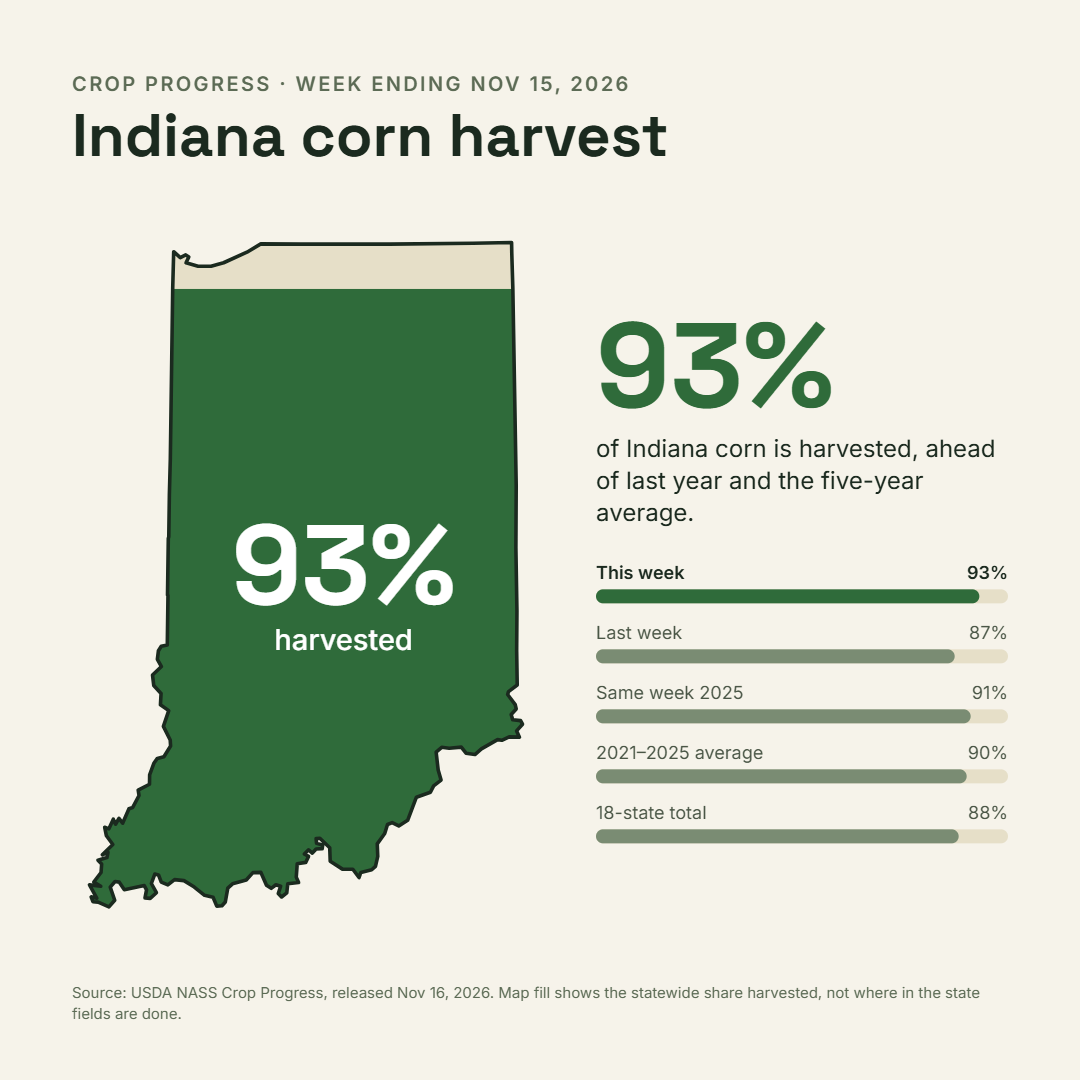
Figure 1. Image generated using Claude (Anthropic). Source: USDA NASS Crop Progress, release on November 16, 2026.
What this likely means agronomically
The last 7% still standing is likely weighted toward the summer’s problem acreage: fields that sat in water at dough-to-dent, and corn that went down to greensnap and root lodging. Those fields are slow to harvest, and every extra week in the field adds stalk rot, further lodging, and ear drop. If you still have corn out, put the weakest-stalked fields first rather than the driest ones. The dry topsoil works in your favor here; firm ground means less compaction and fewer ruts while you finish.
USDA Corn Production, Released November 10, 2026 (conditions as of November 1)
(Jeferson Pimentel and Daniel Quinn)
The national crop is shrinking, but it’s still the second-biggest ever. USDA cut corn for grain production to 15.9 billion bushels, down 1% from October and 6% from 2025’s record. Yield dropped to 179.6 bu/acre, 1.6 bushels below October and 6.9 below last year’s record 186.5. Harvested area holds at 88.5 million acres, down 3% from 2025.
Indiana’s record is gone. In August, USDA had Indiana on track for a record 206.0 bu/acre. Three months later, the forecast is 195.0 bu/acre: 11 bushels lower, and 9 below 2025’s 204.0. Production is forecast at 1.01 billion bushels (Fig. 1), down 6% from last year’s 1.07 billion. Indiana is off USDA’s record list. Arkansas, Iowa, Minnesota, Mississippi, Ohio, Tennessee, and Virginia are on it.
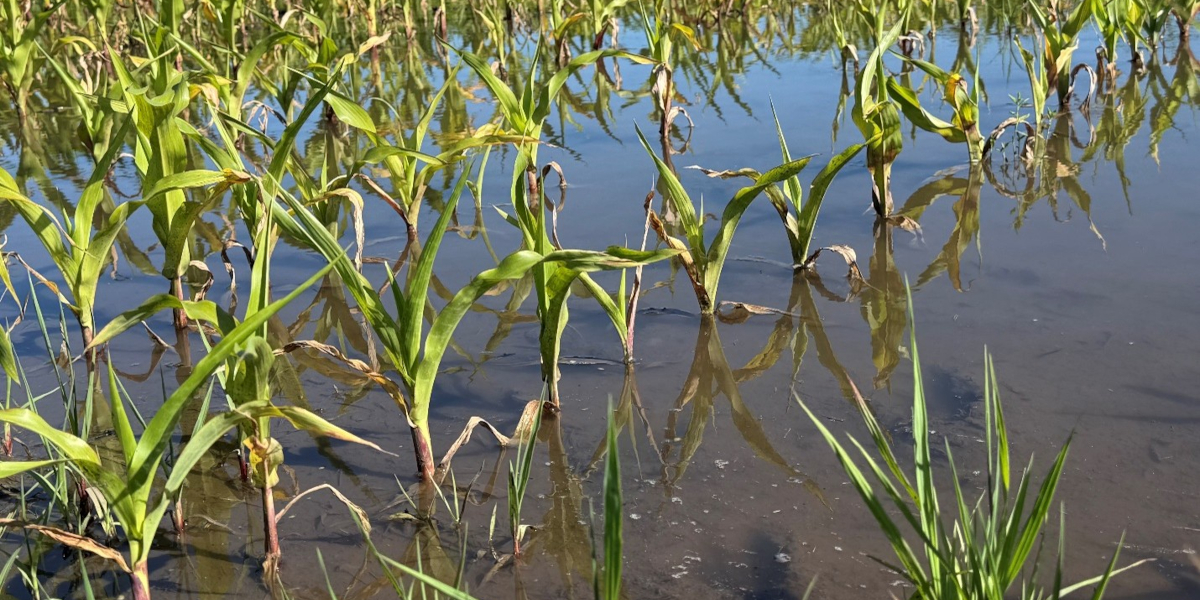
The stand losses finally showed up in the numbers. USDA’s plots count 28,550 ears per acre in Indiana, down from 29,050 last year and far below 2023 (30,950) and 2024 (30,750). Plant population fell to 29,250 from 29,800. That is May’s flooding and the late-summer waterlogging, now measured in ears instead of condition ratings.
Indiana fell behind its neighbors. Ohio is headed for a record 200.0 bu/acre, up 16 bushels from 2025. Iowa is at a record 219.0. Indiana now trails both. Illinois took an even bigger hit, falling to 200.0 from 214.0. Indiana remains the fifth-largest corn state, behind Iowa, Illinois, Nebraska, and Minnesota.
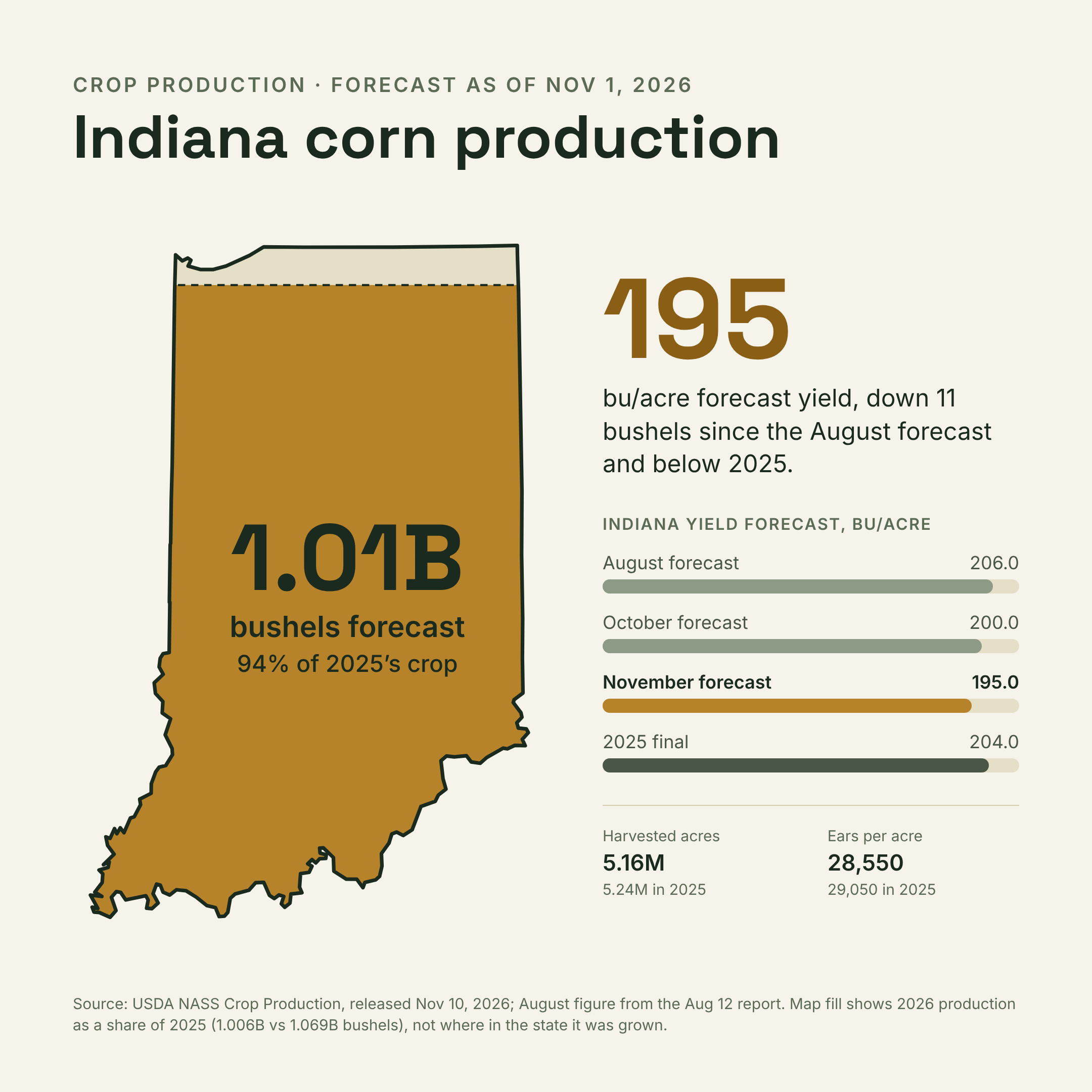
Figure 1. Image generated using Claude (Anthropic). Source: USDA NASS Crop Progress, release on November 10, 2026.
Late-season flooding creates multiple problems for 2026 Indiana corn
(Daniel Quinn, Assistant Professor of Agronomy, Indiana Corn Marketing Council Extension Specialist)
The 2026 growing season brought excessive rainfall and significant flooding to several areas of Indiana, raising concerns and questions about the potential impacts on corn yield, stalk health, grain quality and harvestability. For example, during the week of Aug. 11, portions of eastern Indiana received more than 15 inches of rainfall, resulting in prolonged soil saturation and flooding in some fields. Although corn is generally more tolerant of flooding during reproductive development than during early vegetative growth, extended periods of saturated soils and excessive rainfall can still negatively affect crop performance. These conditions become particularly concerning when combined with prolonged cloudy weather, reduced sunlight and floodwater reaching developing ears. Overall, this article helps to provide information and insights into the impacts of late-season excessive rainfall experienced in many areas of Indiana in 2026.
Saturated soils can Reduce grain Fill
One small silver lining of late-season flooding is that corn is generally less susceptible to waterlogging during grain fill than during early vegetative growth. However, the duration of soil saturation and the crop's growth stage remain important factors influencing potential yield loss.
Research has shown that six days of waterlogging shortly after silking can reduce corn yield by approximately 13%. Similarly, research evaluating waterlogging during the R3 (milk) growth stage reported yield reductions of approximately 16% and 25% following eight and 10 days of waterlogging, respectively. The primary concern with saturated soils is not necessarily too much water, but rather the lack of oxygen available to the corn root system. When soil pore spaces remain filled with water, oxygen availability declines, restricting root respiration, nutrient uptake and overall plant function.
During grain fill, maintaining a healthy root system and green leaf canopy is critical for supporting kernel development and dry matter accumulation. Prolonged saturation can accelerate leaf senescence, reduce photosynthesis and ultimately decrease kernel weight and grain yield. Flooding can also deposit mud and sediment on corn leaves, further reducing photosynthetic activity. These concerns become even greater when floodwater reaches the ear, where prolonged moisture and sediment accumulation within the husk can increase the risk of ear rot and grain-quality problems.
Cloudy Weather Adds Another Layer of Stress
An additional concern associated with the persistent rainfall experienced in 2026 is the reduction in sunlight reaching the corn canopy. For example, from July 31 through Aug. 17, central Indiana experienced approximately 20% less solar radiation compared with the previous five-year average, with individual rainy days experiencing reductions of 60% to 80%. Sunlight drives photosynthesis and the production of carbohydrates needed to support kernel development. Although a few cloudy days are unlikely to cause substantial yield losses, extended periods of reduced sunlight during grain fill can limit kernel dry matter accumulation.
The timing of reduced sunlight is especially important. Near pollination and early kernel development, insufficient photosynthesis can contribute to kernel abortion. However, during later grain-fill stages, such as R3 (milk) through R5 (dent), kernel number is largely established, and yield increasingly depends on final kernel weight. Previous research has demonstrated that prolonged reductions in solar radiation during grain fill can reduce kernel weight and final yield. When combined with saturated soils and reduced root function, cloudy conditions can further restrict the plant's ability to maintain adequate photosynthesis and support developing kernels.
Stalk Strength and Harvestability May Suffer
Another important consequence of prolonged wet and cloudy weather is the potential deterioration of corn stalk quality (Picture 1). During grain fill, developing kernels represent a strong demand for carbohydrates. When photosynthesis cannot produce enough carbohydrates to meet this demand, corn plants may increasingly remobilize stored carbohydrates from stalk tissues to support kernel development. This process, commonly referred to as stalk cannibalization, can weaken stalk tissues and increase lodging susceptibility.
Saturated soils may simultaneously compromise root health and anchorage, further increasing the risk of lodging. Therefore, fields experiencing prolonged flooding, reduced sunlight and premature leaf senescence may be particularly vulnerable to stalk deterioration and stalk rots as harvest approaches. Farmers should evaluate stalk integrity using pinch or push tests and closely monitor fields with prolonged saturation, poor drainage or premature plant death. Fields showing substantial stalk deterioration should be prioritized for earlier harvest to minimize potential harvest losses.
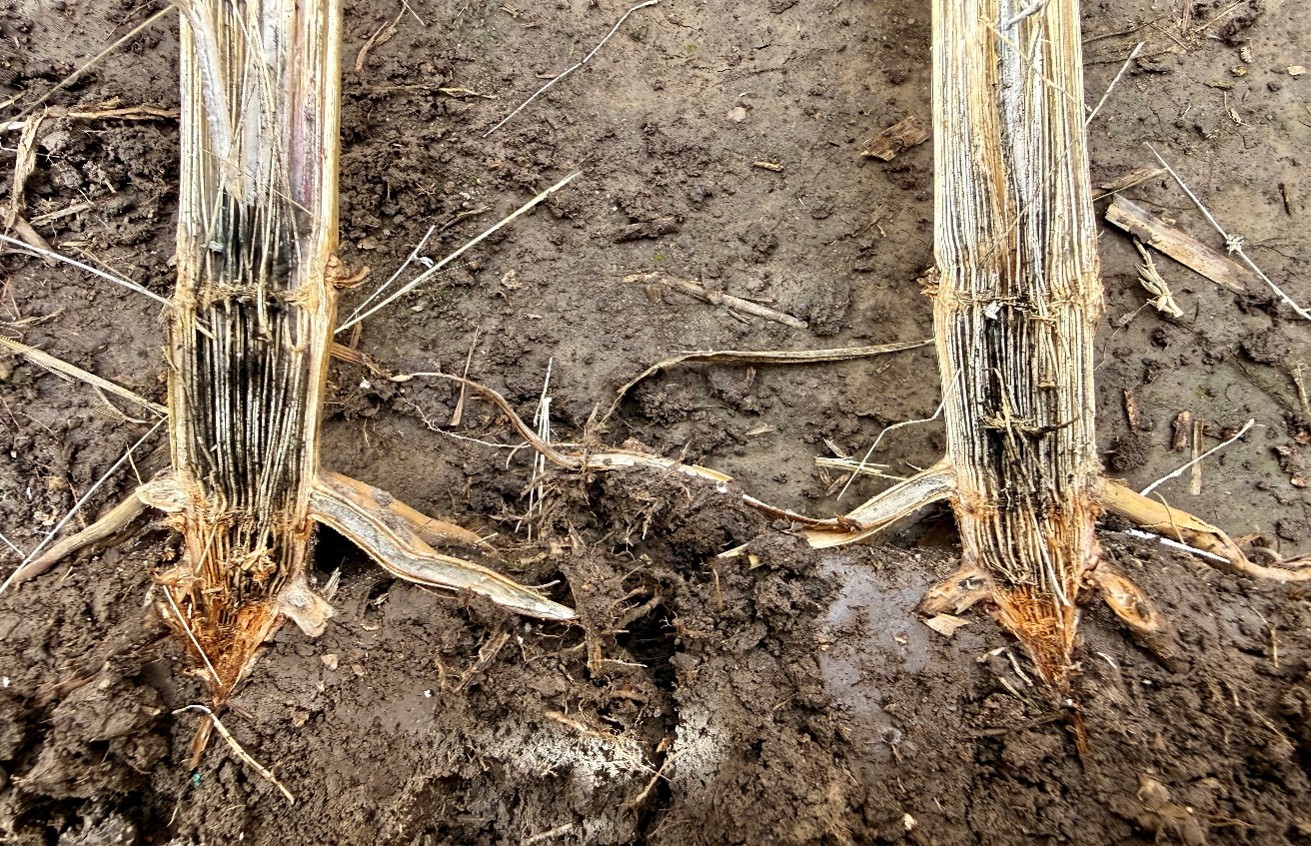
Picture 1. Stalk rot presence in corn impacted by persistent flooding in West Central Indiana, 2026. Picture by Dan Quinn, Purdue University.
Submerged Ears Face Greater Ear Rot and Grain Quality Risks
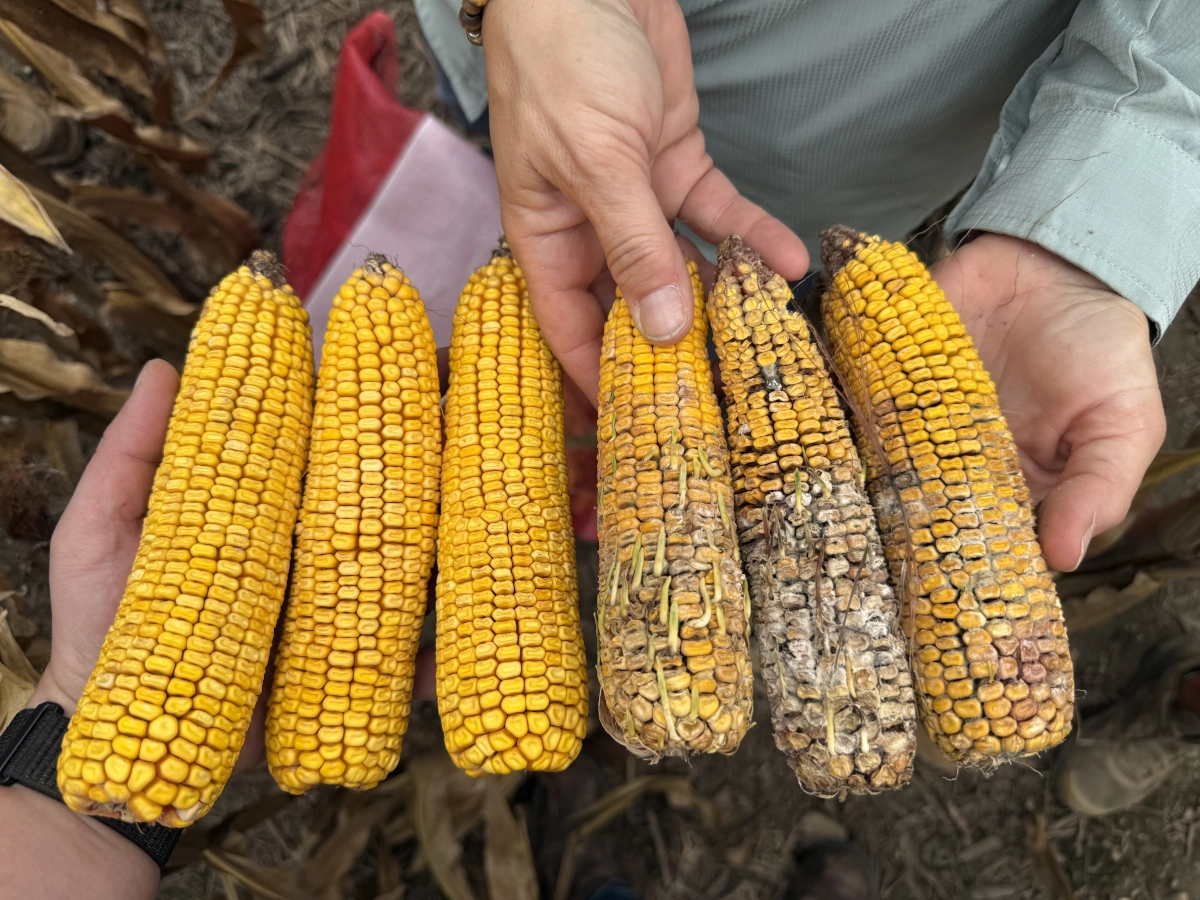
Beyond potential reductions in grain yield and stalk strength, late-season flooding can also increase the risk of corn ear rot development and subsequent grain quality concerns. In some of the most severely affected areas of Indiana in 2026, floodwaters reached the top of the corn canopy, completely submerging developing ears. Field observations indicated that the greatest ear rot incidence and severity occurred in areas experiencing severe August flooding, particularly where floodwaters rose above the ear (Picture 2). In contrast, areas within these same fields where floodwaters remained below the ear generally exhibited few to no visible ear rot symptoms. These observations highlight the importance of floodwater depth and direct ear exposure in influencing ear rot development and grain quality risks.
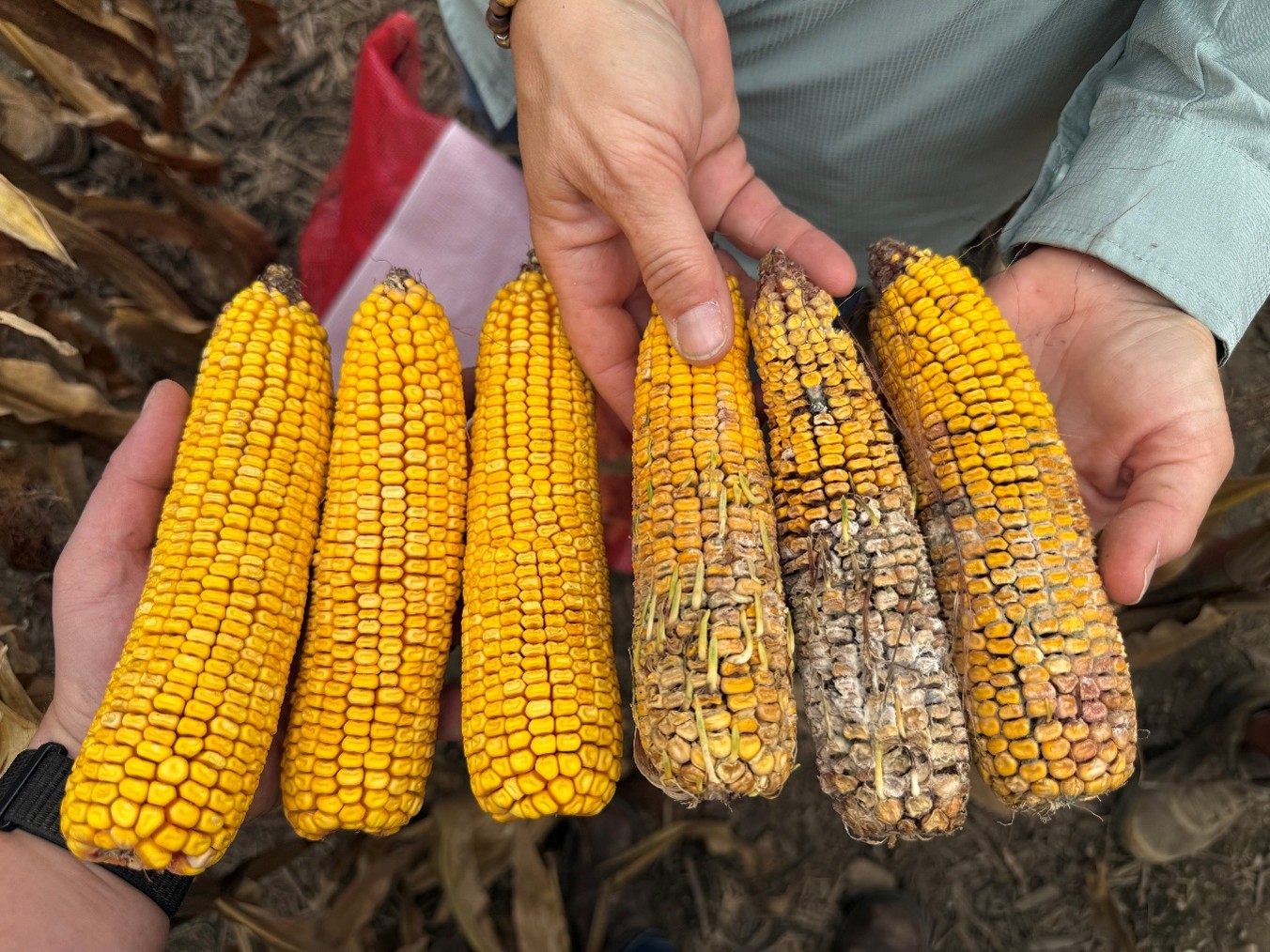
Picture 2. Presence of multiple ear rots and premature kernel sprouting (e.g., vivipary) on ears which were completely submerged in flood water in East-Central Indiana (right three ears) in comparison to ears in the same field that were not submerged (left three ears). Picture by Dan Quinn, Purdue University.
What Should Farmers Be Aware of Prior to Harvest?
Following prolonged rainfall and flooding, scouting and harvest management become especially important. Farmers should focus on identifying fields with the greatest potential for yield loss, stalk deterioration and grain-quality concerns.
Scout flooded areas first. Pay particular attention to fields that experienced prolonged soil saturation or where floodwater reached the developing ears. Examine multiple locations within fields because damage can vary considerably depending on drainage, elevation and flooding depth.
Evaluate ear and stalk health. Pull back husks to inspect for ear rots, kernel mold, premature kernel sprouting and other grain-quality concerns. Conduct stalk pinch or push tests to identify fields at increased risk of lodging.
Prioritize affected fields for harvest. Fields with substantial ear rot, weak stalks or deteriorating plant health should be considered for earlier harvest, even when grain moisture remains higher than desired. Delaying harvest may increase disease severity, lodging and harvest losses.
Manage potentially contaminated grain carefully. Where ear rot or mycotoxin contamination is suspected, harvest and handle affected grain separately when possible. Adjust combine settings to minimize kernel damage while removing lightweight, moldy kernels and fines.
Dry and store grain promptly. Rapid drying is essential to limit continued fungal growth. Grain should generally be dried to approximately 15% moisture for shorter-term storage and approximately 13% for longer-term storage. Keep stored grain cool, monitor bins regularly and avoid mixing potentially contaminated grain with healthy grain.
What Does This Mean for Indiana Corn Production?
The combined effects of late-season flooding, saturated soils and reduced sunlight can create multiple challenges for Indiana corn production. Prolonged waterlogging can restrict root function, cloudy conditions can reduce photosynthesis and kernel weight, and weakened stalks can increase lodging and harvest losses. In addition, when floodwater reaches developing ears, these concerns extend beyond yield to include ear rot development, mycotoxin contamination and grain quality. Ultimately, the severity of these impacts will depend on flooding duration, crop growth stage, sunlight availability, field drainage and whether developing ears were submerged.
Stabilizing Our Yields Begins with Stabilizing Our Nitrogen, Unpacking Nitrogen Stabilizers with Cody Hornaday, Koch Agronomic Services
(By: Evan Cohagan featuring Cody Hornaday (Technical Agronomist with Koch Agronomic Services))
As harvest rolls over, many of us will begin to apply fall anhydrous once ground temperatures begin to fall below 50 degrees. One piece of information that should be considered is the application of a nitrogen stabilizer with these nitrogen fertilizers. This is a very confusing piece that requires some thought on which stabilizer best suits your management on your farm. Today I want to unpack some thoughts on product placement and uses with Cody Hornaday, Technical Agronomist with Koch Agronomic Services.
What are nitrogen stabilizers?
Nitrogen stabilizers in a short sense are a way to ensure that the nitrogen fertilizer we apply stays where we apply it, and is available when we need it. We can think of stabilizers as a type of insurance that does not necessarily increase yield but rather stabilizes and ensures consistent yields. This was shown at an alarming rate during the 2026 growing season in Indiana. During this growing season many place experienced flooding conditions during late May and June and then dry conditions until an oddly wet and record flooding August. Because of environmental challenges and variability, it is hard to apply IPM principles to fertilizer management like other management practices, but stabilizers are a way we can minimize fertilizer applications and maintain yield potential because nitrogen stabilizers can help to retain nitrogen in forms that are able to bind to soil colloids and organic matter rather than leaching through the soil profile.
How many different nitrogen stabilizers are there?
To keep it simple, we can group nitrogen stabilizers into two different types of groups with above ground products and below ground products. If we consider the nitrogen cycle the two places, we tend to lose the most nitrogen from our fertilizer sources are volatilization above ground and leaching and denitrification below ground.
Above ground products
To break these up our above ground products tend to focus on the volatilization of urea were it inhibits the urease enzyme that hydrolyze urea to ammonium. By reducing this enzyme activity, it allows for activating rainfall (0.5 – 0.75 inches) to incorporate the urea into the soil into the soil where complete hydrolysis can occur with minimal ammonia volatilization due to incomplete hydrolysis.
Below ground
Below ground products tend to focus on inhibiting the nitrification process of nitrogen. This allows nitrogen to stay in the form of ammonium which binds to soil colloids and organic matter due to the positive charge rather than being converted to a leachable form such as nitrate or being converted to nitrous oxide gas.
How to choose which stabilizer you should use?
Choosing the proper products can be difficult and is not the same for all farms and not even all the fields on one farm. Considerations to note revolve around when we are applying the fertilizer, how we are applying it, when is the crop need it, and even environmental conditions. Choosing the proper product takes many considerations that vary from farm to farm.
Some general considerations for choosing a urease inhibitor
Recall, that urease inhibitors are limiting losses aboveground with the typical application in urea but can be used in UAN if being broadcasted in a weed and feed situation, or a side dress application. When considering the use of a urease inhibitor such as ANVOL, we need to ask the question are we incorporating the urea into the soil at least 2 inches deep. Some data has shown that a simple vertical tillage (VT) pass does not incorporate the urea deep enough to limit volatilization losses. When side dressing, the use of a urease inhibitor can still be used if conditions are present where the knife slot does not close (extreme drought or wet soil conditions) even when application depth is 2-4 inches deep.
Some general considerations for choosing a nitrification inhibitor
Nitrification inhibitors are intended for loss of nitrogen below ground with the focus on leaching or denitrification. These stabilizers should be considered when applying to a fall anhydrous or spring anhydrous application due to the long amount of time between crop need and initial application of the fertilizer. This will limit the transition of the ammonia to nitrous oxide or nitrate and leaching during spring rainfall. Nitrification inhibitors can also be paired with the application of UAN to help retain the nitrogen that is in the ammonium form and slow the transition of the urea fully converting to nitrate by retaining it in the ammonia form by slowing and inhibiting the conversation to nitrate. Some products of nitrification inhibitors include but are not limited to Centro, CentroAPro, and CentroUPro.
Understanding the active ingredients of nitrogen stabilizers
It is ever more critical in today’s world that we understand the products we are buying and applying. Make sure that that the label of the product matches the active ingredient you want to use, and that active ingredient you want to use stabilizes the process that you want and is inhibiting the greatest concern of the fertilizer product you are using.
Risk and Mycotoxin Management in Indiana Corn
(Camila Nicolli, Research Assistant Professor of Mycotoxin Fungal Biology Dept. of Botany and Plant Pathology and Daniel Quinn, Assistant Professor of Agronomy, Indiana Corn Marketing Council Extension Specialist)
Will 2026 be a bad year for DON?
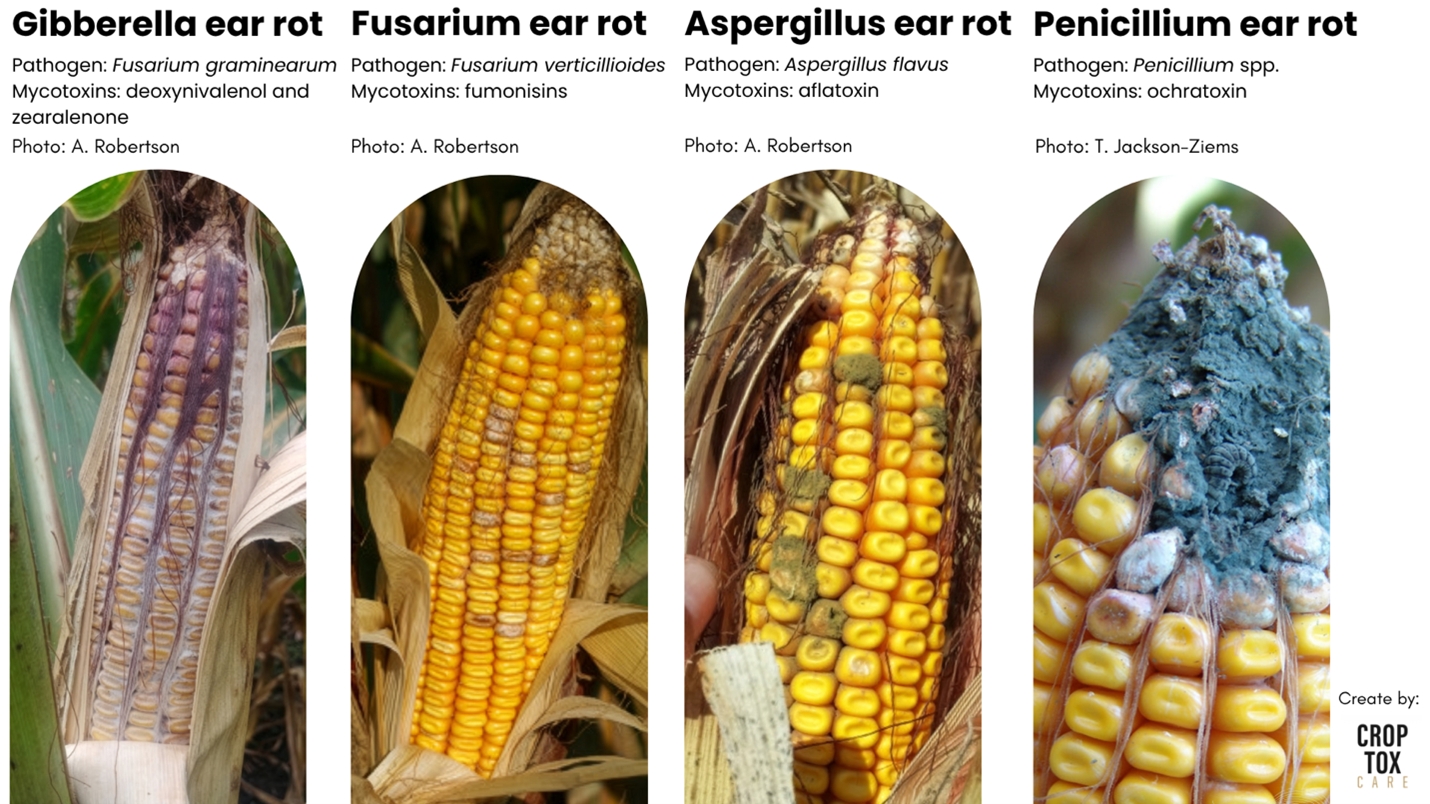
We wish there were a simple answer to this question, but as is often the case in agriculture, it depends. The risk of deoxynivalenol (DON), also known as vomitoxin, is strongly influenced by weather conditions during the growing season, the ear rot species present, and harvest and storage conditions. Several factors can increase the risk of DON contamination in corn. Cool and wet conditions around silking and flowering can favor infection and sporulation of Fusarium graminearum, the primary pathogen associated with Gibberella ear rot and DON production. In addition, delayed harvest and prolonged moisture can allow fungal growth to continue and potentially increase mycotoxin accumulation. Correct identification of the ear rot present in the field is therefore essential because different ear rots are associated with different mycotoxins. Gibberella ear rot, caused primarily by F. graminearum, is associated with DON and can also be associated with zearalenone, whereas Aspergillus ear rot is associated with aflatoxins, Fusarium ear rot with fumonisins, and Penicillium ear rot with ochratoxin (Figure below). Therefore, the presence of ear rot does not automatically mean that DON is present, and laboratory testing is needed to determine the actual mycotoxin concentration in harvested grain.
2. Current Observations from 2026 Corn Fields
The 2026 growing season has been particularly wet, with excessive rainfall and flooding affecting corn fields across several areas of Indiana. To better understand the potential impact of these conditions on ear rot development, we recently visited eight flood-affected corn fields. In some of the most severely affected areas, floodwater reached the top of the corn canopy and submerged developing ears. From two of these fields, we collected and evaluated 34 ears. Only seven showed no visible ear rot symptoms, while the remaining ears averaged approximately 30% of the ear area affected by symptoms consistent with Gibberella ear rot. Kernel samples from these ears were submitted for mycotoxin analysis on September 9, 2026, and results are pending to determine DON concentrations.
Thus far, the greatest ear rot incidence and severity have been observed in areas that experienced severe August flooding, particularly where floodwater rose above the ear (Picture 1). Encouragingly, areas within these same fields where water remained below the ear generally showed few to no visible ear rot symptoms. These observations further emphasize how localized field conditions can influence ear rot development and why scouting individual fields is important. In addition to these field observations, we are currently in the second year of research evaluating the effects of corn hybrid, harvest timing, and fungicide use on ear rot development and severity. Ear rots have been observed within these trials, with preliminary observations suggesting differences among hybrids and harvest timings (Picture 2). Although final results are still being collected, these observations reinforce two important management considerations: pay close attention to hybrid ratings for ear rot susceptibility and scout affected fields frequently as harvest approaches. Where ear rot is present, delaying harvest may allow disease severity and associated grain-quality concerns to increase.
Picture 1. Presence of multiple ear rots and premature kernel sprouting (e.g., vivipary) on ears which were completely submerged in flood water in East-Central Indiana (right three ears) in comparison to ears in the same field that were not submerged (left three ears). Picture by Dan Quinn, Purdue University.
What should I do now?
If ear rots are present or mycotoxin contamination is suspected, careful harvest, grain handling, and storage become especially important. Affected fields should be harvested as soon as possible and handled separately from healthy fields, even if this requires harvesting at a higher-than-normal grain moisture. Delayed harvest and slow field dry-down can increase ear rot incidence and severity and the potential for additional mycotoxin accumulation. During harvest, combine settings should be adjusted to minimize kernel and cob damage while removing lightweight, moldy kernels, fines, and dust, which can contain higher concentrations of mycotoxins. This may include matching concave clearance to cob diameter, reducing rotor speed, and increasing fan speed to improve separation and cleaning. Screening and cleaning can further reduce contaminated fines and broken kernels; however, these practices will not remove mycotoxins already present within intact grain. Representative grain samples should also be collected from multiple locations or points in the grain stream and tested for mycotoxins because contamination is often unevenly distributed within a field or grain lot.
Following harvest, affected grain should be dried as quickly as possible because rapid drying greatly reduces continued fungal growth, although it does not destroy mycotoxins already produced. Grain should generally be dried to approximately 15% moisture for storage of up to six months and approximately 13% for longer-term storage, particularly when grain will be held through warmer summer months. Avoid prolonged, low-temperature drying of wet or moldy grain because extended periods at elevated moisture can allow fungal activity to continue. After drying, grain should be placed in clean, dry bins, aerated and cooled to approximately 59°F (15°C) or lower when possible, and monitored regularly for temperature changes, moisture migration, condensation, crusting, unusual odors, and other signs of deterioration. When multiple bins are available, segregating grain based on field history and mycotoxin test results can help prevent mixing highly contaminated grain with cleaner grain. Overall, timely harvest, careful combine adjustment, representative sampling, rapid drying, cleaning, segregation, cooling, and continued monitoring are critical for maintaining grain quality and limiting further fungal growth and mycotoxin accumulation during storage.
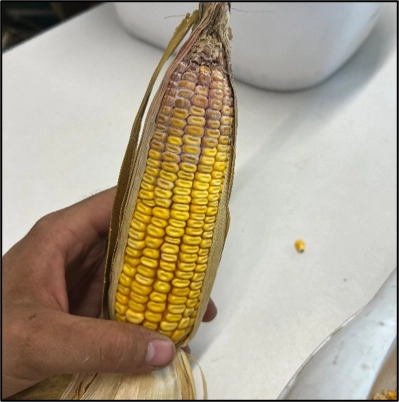
Picture 2. Presence of Gibberella Ear Rot on an Ear of a Susceptible Corn Hybrid. West Lafayette, IN 2026. Picture by Evan Cohagan, Purdue University.
5. Where should I send my corn samples for mycotoxin analysis?
Purdue Animal Disease Diagnostic Laboratory (ADDL) which offers fee-based mycotoxin testing. Current testing options include:
|
Test |
Mycotoxins included |
Sample required |
Cost* |
|
Mycotoxin Screen 1 |
Aflatoxins, DON/vomitoxin, zearalenone |
500 g |
$88.00 |
|
Mycotoxin Screen 2 + Fumonisins |
Aflatoxins, DON/vomitoxin, zearalenone, fumonisins |
500 g |
$110.00 |
|
Single Mycotoxin Test |
One selected mycotoxin |
500 g |
$36.50 |
*Fees should be confirmed with ADDL before submitting a sample because laboratory fees and requirements can change. Link: https://vet.purdue.edu/addl/tests/search.php
6. How should I collect my sample, how much sample is needed, and how should I submit or deliver the sample for analysis?
For mycotoxin testing, collect a representative sample of approximately 1 lb (500 g) of shelled corn kernels. Collect small portions from multiple locations within the grain lot and combine them to create one composite sample. Avoid selecting only visibly moldy kernels, as this may not accurately represent the entire grain lot. How to package the sample:
- Place approximately 1 lb (500 g) of shelled kernels into a clean, sturdy paper bag.
- Do not use a sealed plastic bag for samples that may have elevated moisture, because moisture can accumulate inside the bag and promote additional fungal growth.
- If possible, place the paper sample bag inside a second paper bag to reduce the risk of the bag tearing or kernels being lost during shipping.
- Seal or fold the paper bag securely.
- Clearly label the bag with the sample identification, field or farm information, date collected, and any other information required by the laboratory.
- Keep the sample dry and protected from additional moisture until it is submitted.
The sample should be submitted to the laboratory as soon as possible after collection. When shipping a sample, package it securely to prevent the paper bag from breaking during transportation.
Important: Check with the laboratory before sending the sample to confirm the current sample quantity, packaging requirements, testing options, fees, and submission instructions. A representative sample is essential because a small portion of contaminated kernels can contain substantially higher mycotoxin concentrations than the rest of the grain. Proper sampling therefore helps ensure that the laboratory result more accurately reflects the mycotoxin concentration of the grain lot.
7. What are we doing to improve mycotoxin management?
The CropTox Care Program (Dr. Camila Nicolli), in collaboration with Dr. Darcy Telenko’s Field Crop Pathology Program and the Corn Agronomy Program (Dr. Daniel Quinn), is conducting 10 field research trials in 2026 focused on Gibberella ear rot and associated mycotoxin risks. These trials include five at the Agronomy Center for Research and Education (ACRE) in West Lafayette, three at the Pinney Purdue Agricultural Center (PPAC) in Wanatah, and two at the Northeast Purdue Agricultural Center (NEPAC) in Columbia City. Supported by the Indiana Corn Marketing Council, this research is evaluating several potential management strategies, including host resistance, fungicide product and application method, hybrid selection and ear and husk characteristics (e.g., husk tightness and length), and harvest timing. Collectively, these trials will help identify factors that influence Gibberella ear rot development and mycotoxin contamination and provide additional research-based information to refine management recommendations for Indiana corn producers.
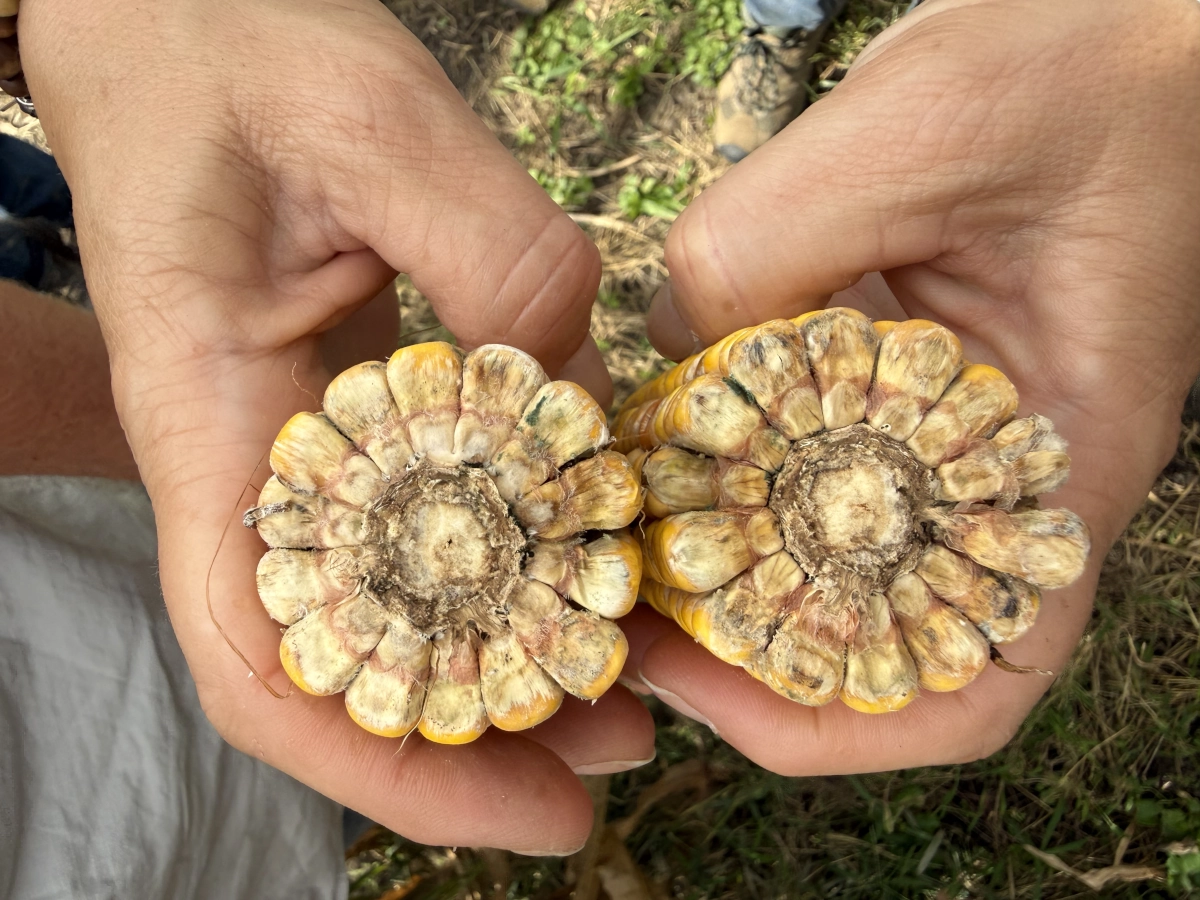
Picture 3. Ear rot presence in sampled ears in East-Central Indiana following severe August Flooding.
Acknowledgments
The authors greatly appreciate the feedback and contributions of all growers, county agents, consultants, and corn industry stakeholders.
Proudly Supported by: 
Get the Latest Corn Agronomy Insights
Subscribe to receive research highlights, field insights, and management updates from Purdue’s Corn Agronomy program.
SUBSCRIBEPurdue
Corn Agronomy
Related News
Risk & Mycotoxin Management in Indiana Corn
Indiana corn progress, Corn root architecture, corn anthers, USDA crop production forecast, weather.
During the week of August 11, much of Indiana received excessive to record-setting rainfall...
Throughout July in Indiana, tassels begin to emerge above the corn canopy, signaling the start of...
Indiana corn progress, mycotoxins & weather
Many areas of Indiana experienced excessive rainfall from mid-May through late June (Figure 1),...