

Visionaries: Building a community of researchers
When you watch the video below, you may notice a pair of hands manipulating fruit flies under a magnifying glass. These were the hands of a graduate student who had worked in the lab for a few years.
As Vikki Weake advises in the video, it’s a good idea for students interested in research to get into a lab as quickly as possible. Early lab exposure allows students to see if they like the work and, if they do, enables them to gain hundreds of hours of hands-on experience. After two, three, or four years in the lab, Weake said that many students are know more about their particular topics than she does.As we shot video, we asked the grad student researchers questions about what they were working on, and although they wished to remain anonymous, they happily obliged. The grad students whose hands you see, patiently explained she was looking for flies with red eyes instead of yellow and more hair as opposed to less. It was obvious to anyone listening how passionate she was about her work. More so, her fascination shone through even the tedious task of sorting through test subjects. Her voice was caught up in the details she was explaining to the very undereducated film crew, but her hands never faltered in their delicate work.
She gently pushed them on a carbon dioxide flowing mat with a paint brush, which kept them alive but completely unaware of the outside world. Only after lying in the bottom of their test tube homes did they begin to wake up enough to crawl and fly around once more. After shooting the video, we were even allowed to look at the fruit flies under a microscope. Although our cameras weren’t able to capture an image of the magnified flies, we were enthralled by them.
I thought I was lucky to visit Weake’s lab because I learned so much through this experience and I would have much preferred to sit and chat with the fly-sorting grad students about all they had done and all they hoped to accomplish than film. Yes, I was able to hear about fruit flies and their connection to degenerative eye diseases. But I took away a lesson about the passion behind STEM students and their extraordinary hope for the future.Studying fruit flies may provide insight on aging eyes in humans
Meet the Filmmaker/Blogger
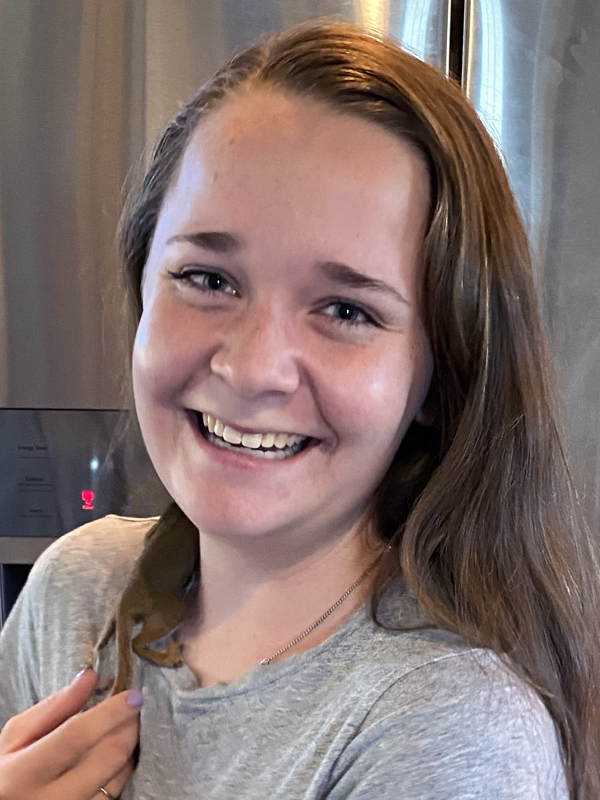 Alida Jackson, student filmmaker and blogger
 Alida Jackson, is an agricultural communication major from Danville, Indiana. She just finished her first full year in the major, and she is loving it! She has already created her own company, Prosper-Ag, and hopes to work on it full time after she graduates next year.
About Visionaries
Explore other videos and blogs created by our student-filmmakers
Videos are also available on the Purdue Agricultural Sciences Education and Communication YouTube channel
Featured Stories
In recent years attendees at Purdue Agriculture alumni, donor, and faculty and staff events have...
People think grass is simple. Lawns, right? Mow regularly and add some water and fertilizer. What...

The Office of Indiana State Chemist (OISC) is warning Indiana residents about an illegal...
A prominent protein on most human cells may be key to unlocking the code that makes humans...
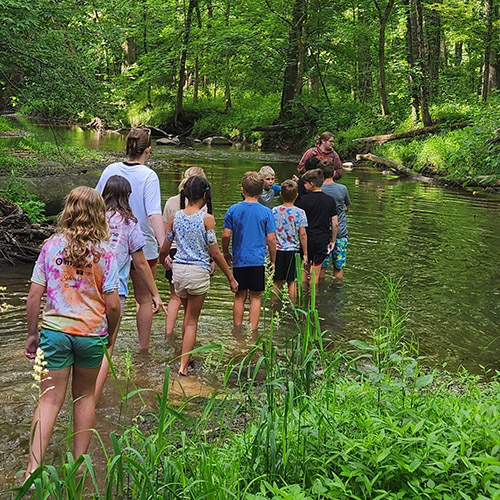
Ava Hoskins, a double major in aquatic sciences (fisheries concentration) and natural resources...
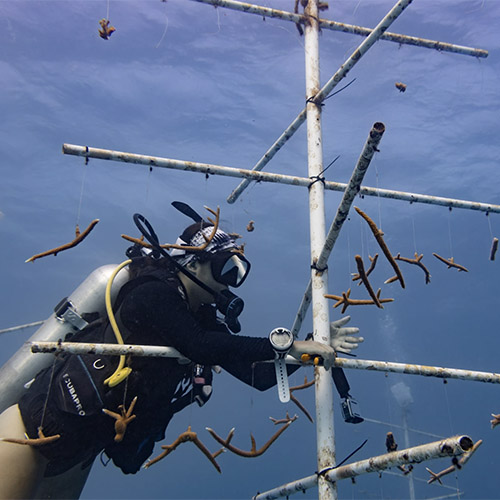
Ashlynn McLaughlin, a senior aquatic sciences major with a concentration in marine and freshwater...