

Ag Boilers Abroad: Studying sustainability beyond borders
Ag Boilers Abroad
Planning your next trip abroad? Learn about key strategies and experiences through the adventures of students and faculty in the Ag Boilers Abroad series. With over 400 programs in 60 countries on six continents, ranging from a week to a semester, Purdue College of Agriculture students have an abundance of study-abroad opportunities.

F
or Grace McRoberts, learning to navigate the world wasn’t just a phase — it’s at the core of who she is. She had already called the open ocean home for five years, sailing across half the globe with her family. From age 14 to 19, she lived aboard a sailboat, trading the familiarity of Fort Lauderdale, Florida, for the unpredictability of life at sea. Alongside her parents and sister, McRoberts visited more than 25 countries before anchoring in Australia, where she eventually disembarked to return to the U.S. for college.
Her parents had long dreamed of living off the grid, though they didn’t initially know how to make it happen. Living along the Intracoastal Waterway, they watched sailboats pass by each day until one day they decided, that’s what we’re going to do. They sold the house and cars, pulled their daughters out of school and set sail on an education of a different kind.
“My parents have always encouraged education,” McRoberts says. “I took my SAT in Australia and applied to over 16 schools.”
Without a guidance counselor, she navigated the college application process through independent research and the help of her dad. With few formal grades, most schools passed but Purdue said yes.
Now a rising senior majoring in natural resources and environmental science (NRES), Grace has had opportunities to continue travel through the Ag Study Abroad program. Her experience traveling the world has done more than fill her passport with stamps—it has helped define her sense of purpose.
Having seen firsthand how decisions by strong nations can adversely affect developing countries, “I decided I wanted to be in a position that will allow me to help make the world better," says McRoberts.
Since I was exposed to travel from such a young age, I've always wanted to keep learning what it means to live in other places," she explains. "Pushing myself outside my comfort zone has always been how I've learned."
That same drive led her to study abroad not once but twice. First to France, then to Norway for a semester.
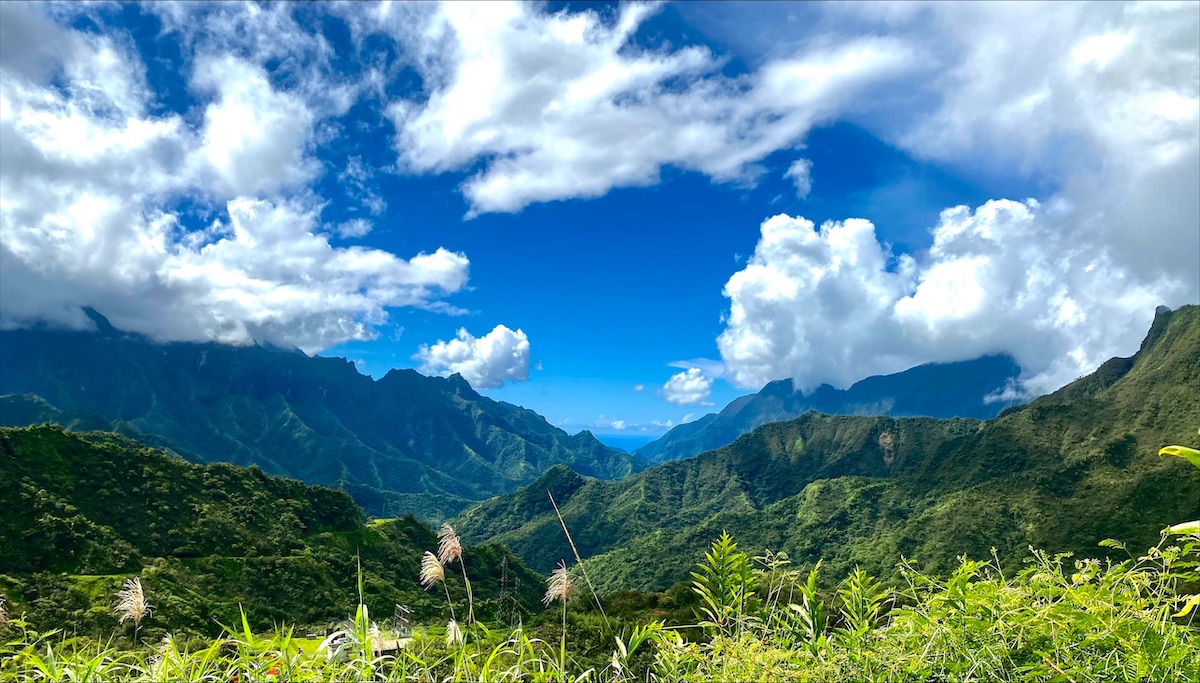
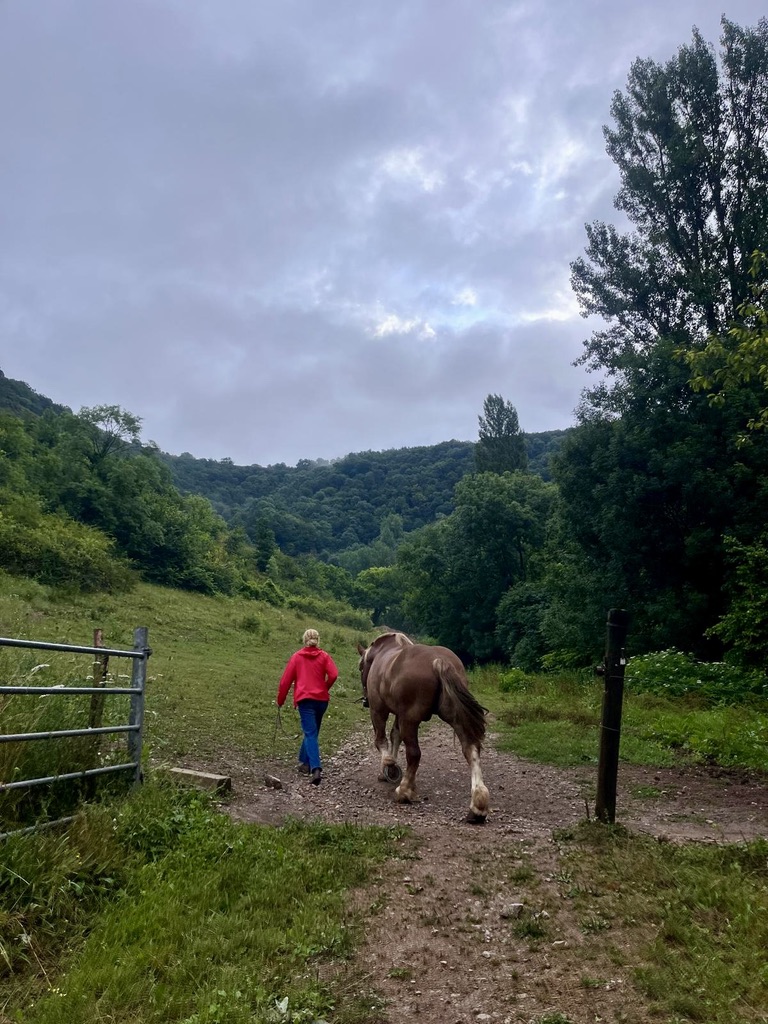
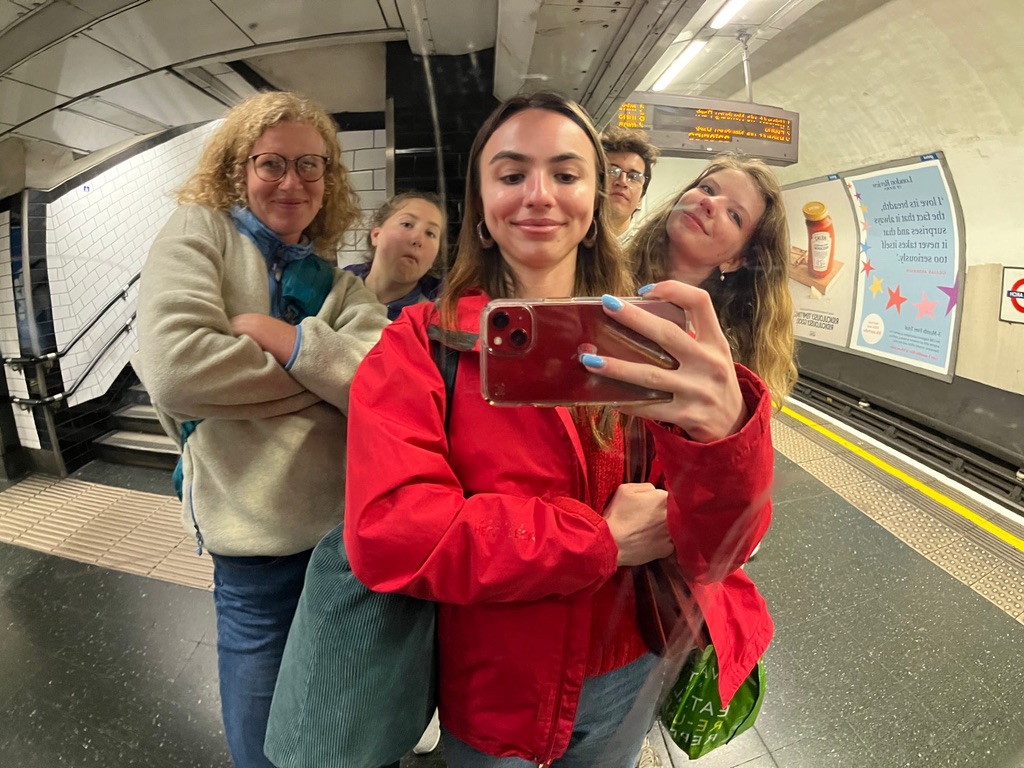
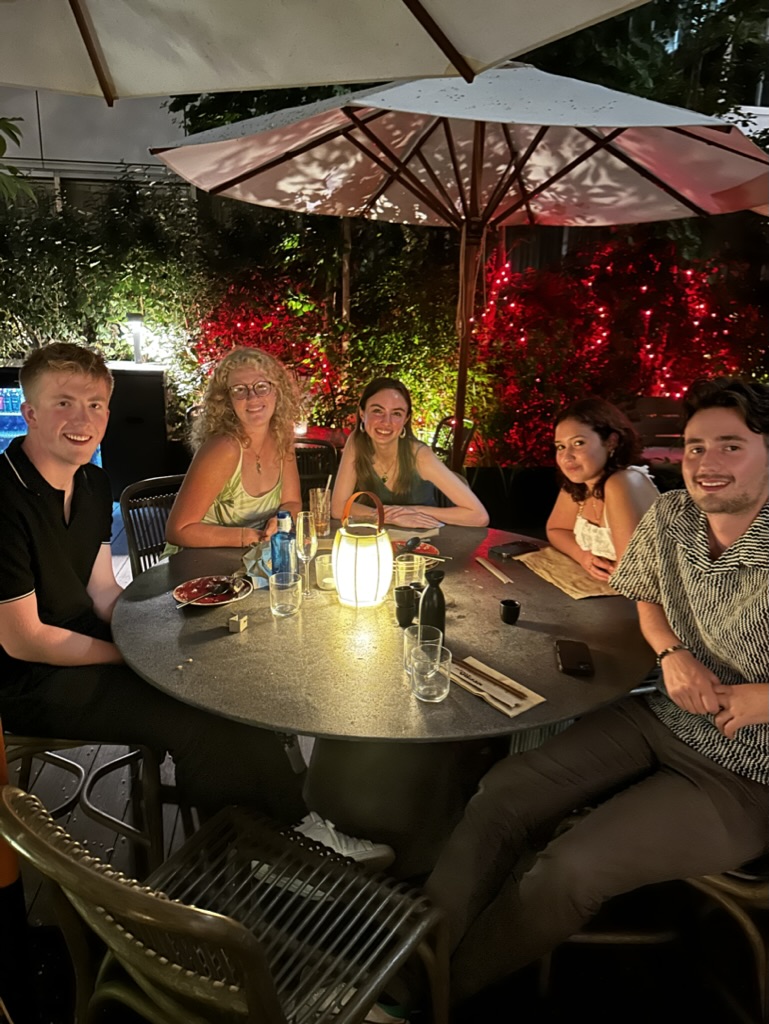
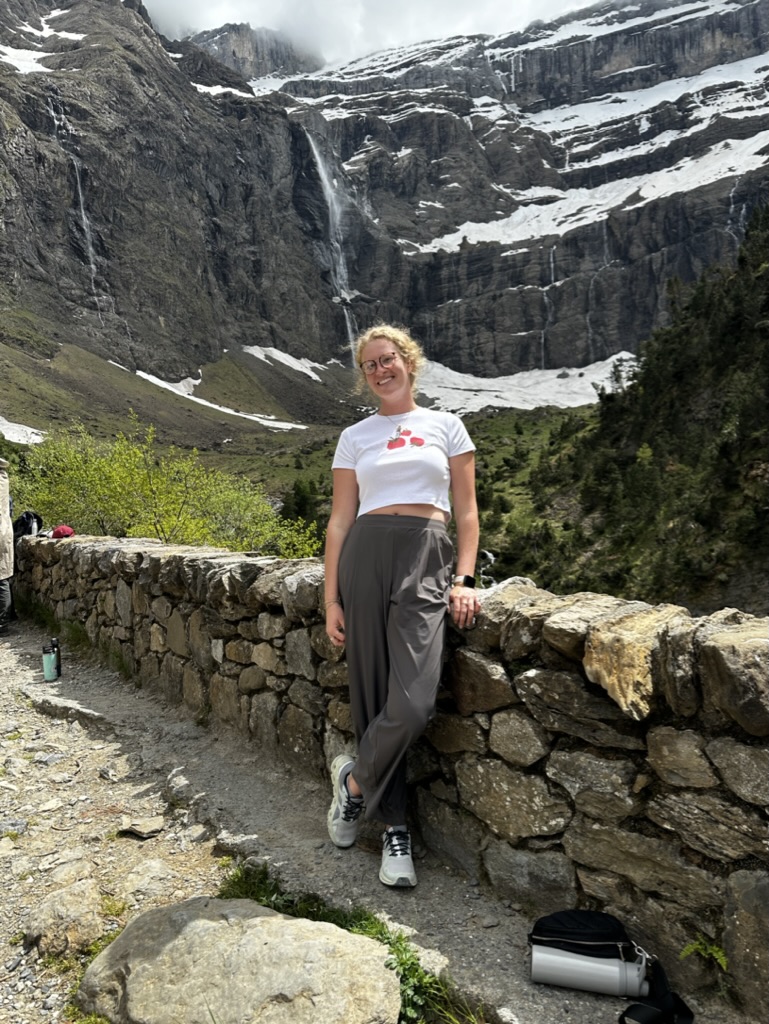
She chose France for its eight-week program, which combined four weeks of study with four weeks of internship experience. She selected Norway for its reputation in environmental leadership. Each country left a mark. In France, she found the culture’s directness both refreshing and challenging but built strong connections with her professors and host family.
Norway presented a different tempo: professors were distant, expectations were high and grades rested entirely on final exams. Still, McRoberts enjoyed taking political ecology.
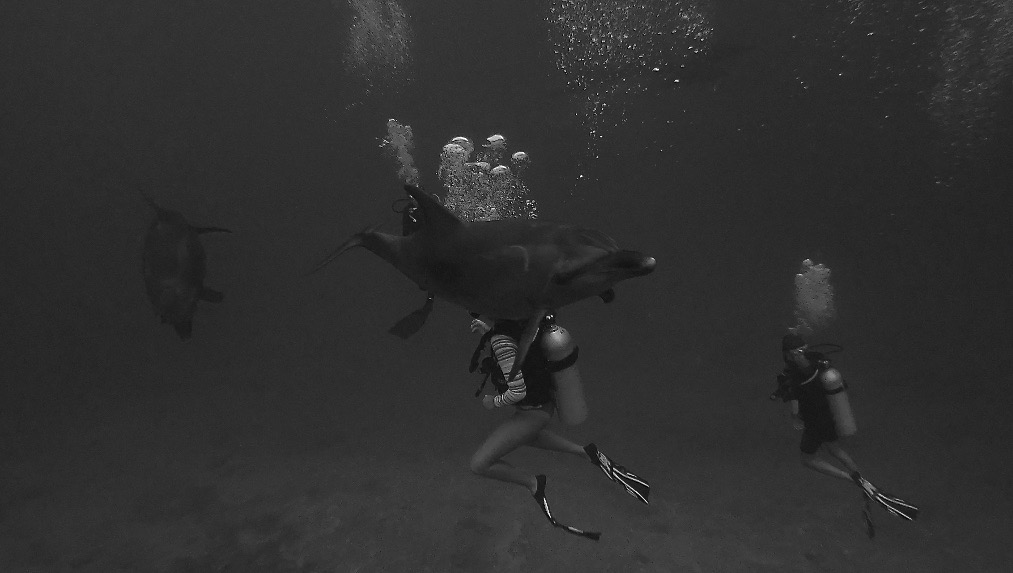
Looking ahead, McRoberts hopes to pursue graduate school and ultimately work in marine conservation.
“I’ve become the person I always dreamed of being. Someone who can figure things out, one way or another,” she says. “Things usually work out. Stressing doesn’t help. Be on top of things, sure. But stressing solves nothing.”
Her advice for others is simple: “Study abroad. Every person I’ve met has loved their experience. It’s vital to be exposed to different types of opinions and perspectives, not just locally but globally.”
Study Abroad Sustainability Beyond Borders


How to prepare for your study abroad program?
- Research cultural aspects of the country you’re traveling to
- Research the weather at the time of year you’re traveling
- Pack light — try to bring only a carry-on
- Talk to peers who have already embarked on a study abroad or traveled abroad
Featured Stories

For Brody Cox, preparing for the Indiana State Fair began long before he entered the show...
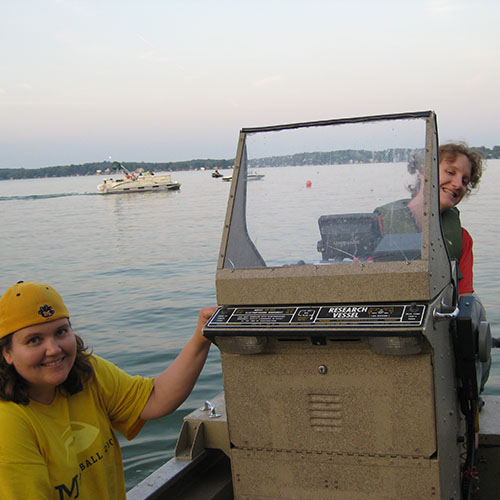
Carolyn Foley, a long-time member of the Purdue Forestry and Natural Resources (FNR) and...

In the September Purdue University/CME Group Ag Economy Barometer survey, 52% of respondents...

Purdue University’s College of Agriculture recognized nine alumni at the Distinguished...
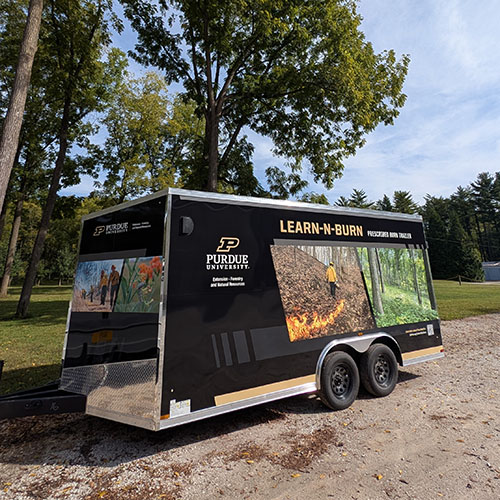
Keep your eyes peeled across Indiana for the newly minted Purdue Forestry and Natural Resources...
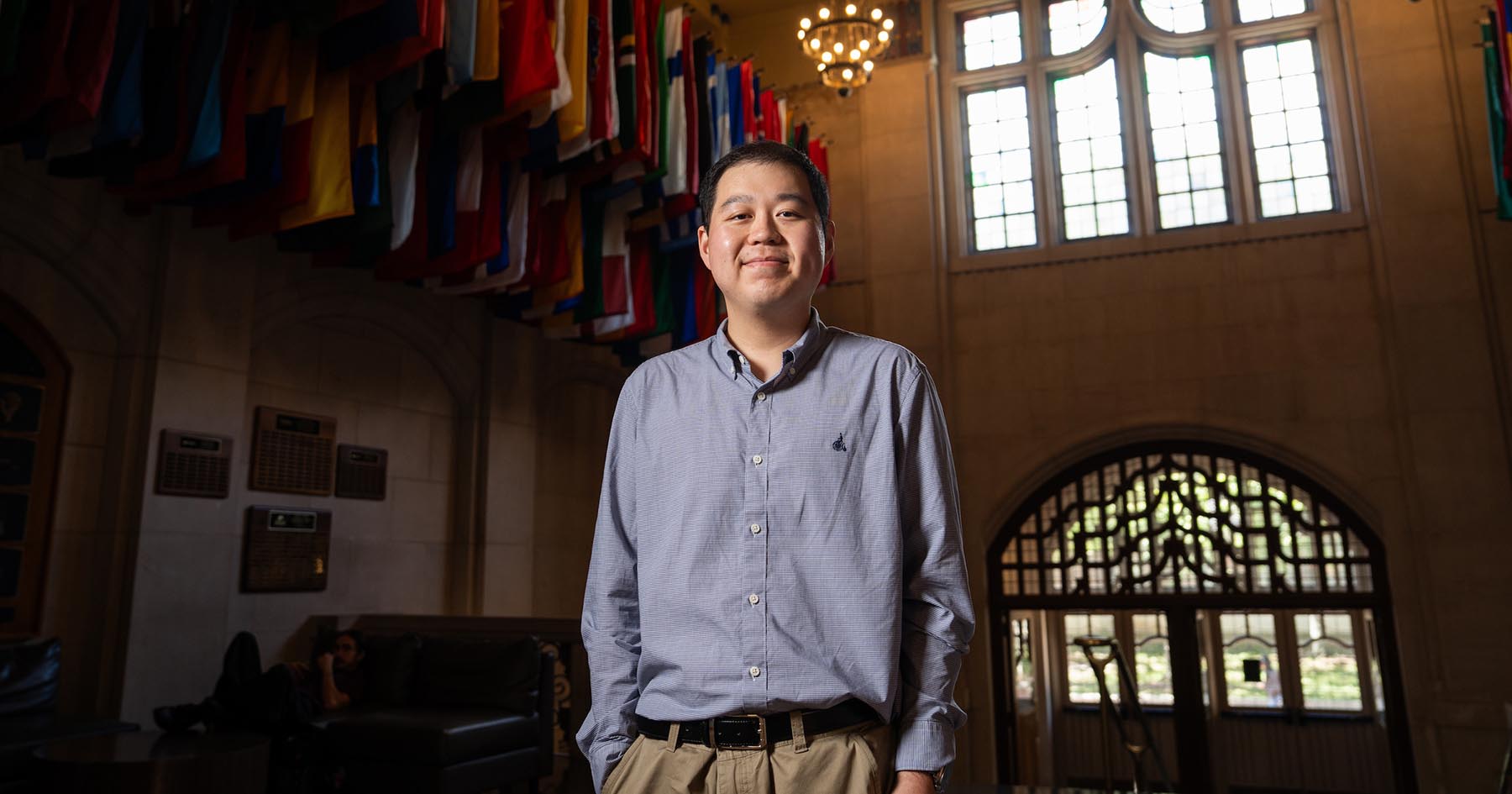
“Being at Purdue has changed my thinking entirely,” says Mingyu Zhao, a third-year...