

Ready to join the long legacy of Purdue botanists?
Contact Us
Department of Botany and Plant Pathology
Lilly Hall of Life Sciences, Room 1-446
915 W. State Street
West Lafayette, IN 47906
(765) 494-4614
botany@purdue.edu
What does a botanist study?
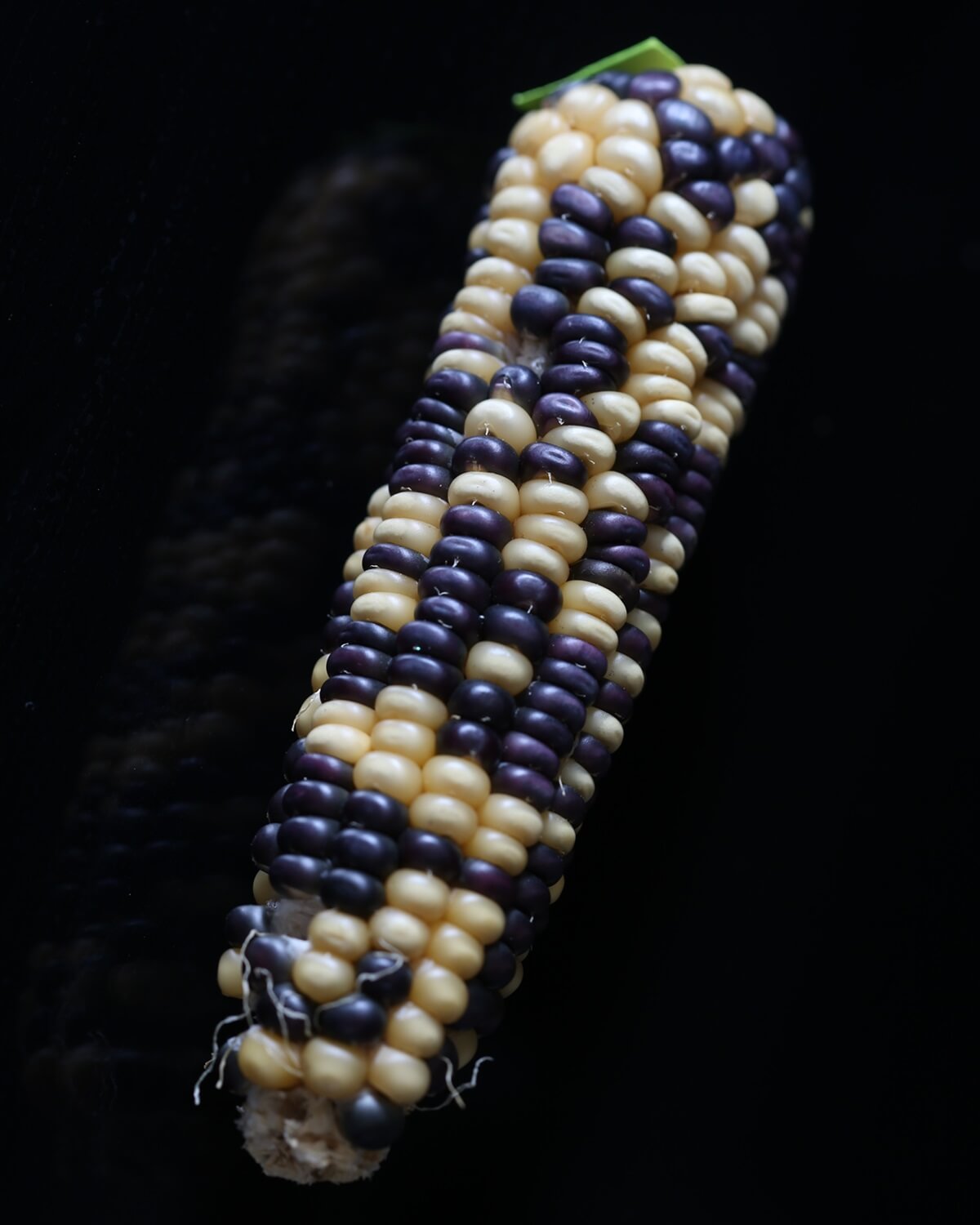
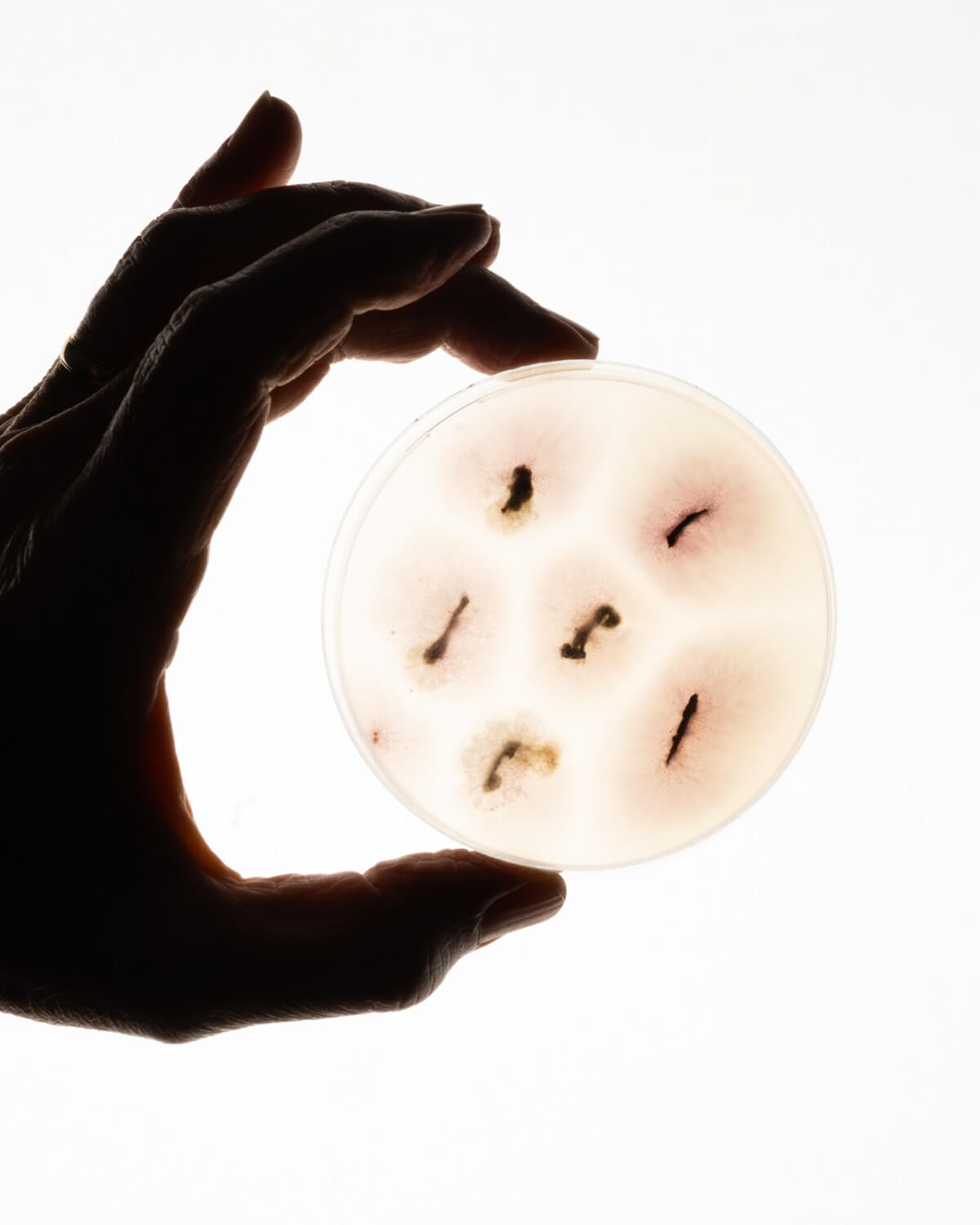
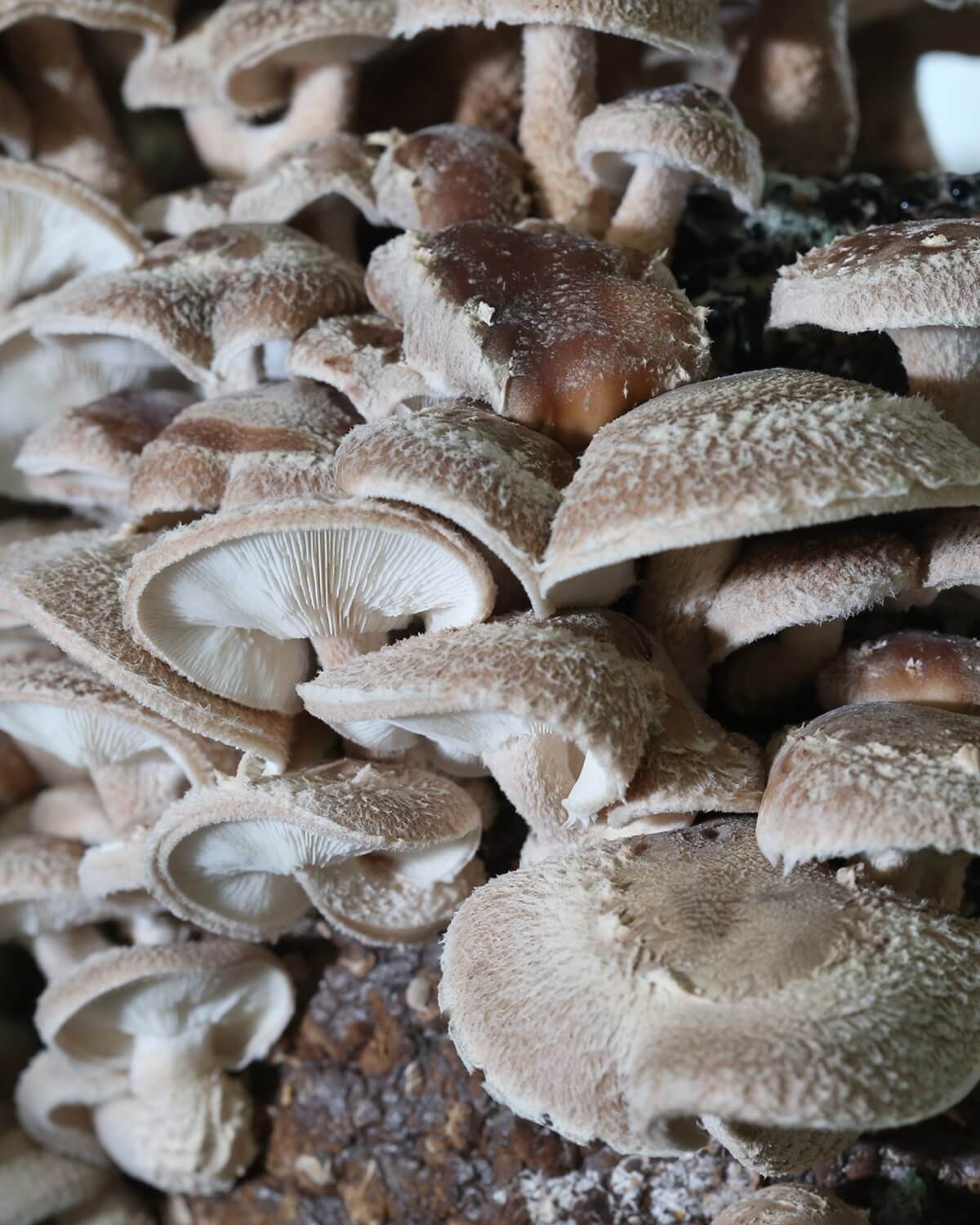
The Plant Sciences major explores biology through plant health, the environment and ecology, genetics, microbiology, plant anatomy and physiology and even mycology, the study of fungi.
Botany and Plant Pathology’s undergraduate program immerses students in how plants and microbes grow, evolve and influence their environments. Their classwork and research in labs on campus are generating knowledge necessary for global sustainability, climate resilience and agricultural productivity.
Majors and Minors
Botany and Plant Pathology offers one undergraduate major, Plant Sciences, and three undergraduate minors, which can act as concentrations for Plant Science majors or give students outside the department a chance to expand their horizons.
Are you interested in how plants and fungi grow and adapt to changes in their environment? Wonder about the complex relationships between pollinators and the flowers you stop to smell? Want to understand how plants stretch their leaves and stems toward the sun? Botany and Plant Pathology’s major, called plant science, was designed for curious minds like yours.
The plant science major prepares students for a variety of careers in industry, government and academia, where their strong foundation of science and understanding of the natural world enables them to work on solutions to the most pressing problems in agriculture, food systems and the environment.
Career paths of our graduates:
- Laboratory technician
- Agricultural production manager
- Biology & Botany educator
- Botanical & public garden director
- Biotechnology scientist
- Environmental & biological consultant
- National Park Service botanist
- Technical and sales representative
- Science writer
See the Course List to learn more.
Want to explore how plants grow, interact with their environments and contribute to ecosystems? Do you want to understand how plants are important for human wellbeing?
A plant biology minor offers a deep dive into the biology, ecology, evolution and use of plants. Equipping students with knowledge of plant physiology, genetics, diversity and cellular function is critical for them solving real-world challenges in food security, climate resilience and ecosystem restoration. Students in this minor gain practical skills in plant identification, physiology, genetics and biotechnology.
The plant biology minor is only available to students not majoring in plant science. See the Course List to learn more.
Did you know that plants get sick too? In fact, the Tobacco Mosaic Virus, discovered in the late1800s, was the first virus ever identified – leading to an entire field of virology! Plant diseaseshave also changed the course of history and influenced politics around the globe.
Plant diseases caused by fungi, bacteria, viruses and nematodes can devastate crops and ecosystems, but plant pathologists are the detectives who uncover these threats and help stop them. The plant pathology minor teaches students the skills to diagnose plant health issues and contribute to solutions in agriculture, biotechnology and environmental science.
Career paths include roles in crop consulting, greenhouse and nursery management, agricultural extension, research and development, international food security and even space biology. Whether you're interested in hands-on fieldwork or cutting-edge lab research, this minor opens doors to a world of opportunity — rooted in science and growing toward impact.
The plant pathology minor is open to all students and majors. See the Course List to learn more.
Interested in how chemistry connects to plants and agriculture? Weed scientists create products and solutions to help reduce competition for resources in fields, athletic turf and lawn with weeds. From ragweed to spotted spurge, weed scientists can identify the weed itself, the conditions that influence their presence in an area, and give recommendations to fight them.
Students minoring in weed science will gain a deeper understanding of plant biology and chemistry. With these skills, they are uniquely adept at finding solutions to efficient land management while minimizing environmental risk.
Learn more by visiting the Course Catalog.
Purdue University's plant science major is designed for students who are interested in the biology of plants; how they grow, develop and evolve; the interactions of plants with other organisms and their role in the environment; and how to manage plants that are grown for food, fiber, and fuel.
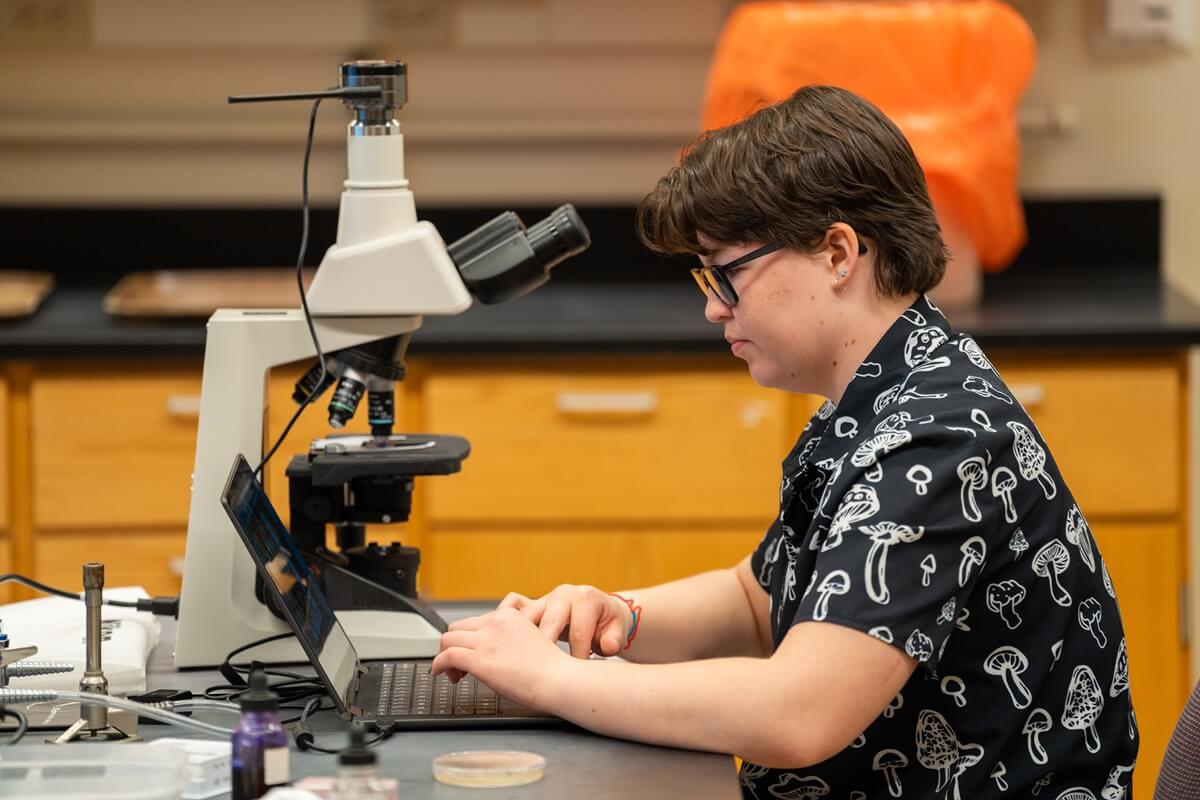
What do Botany classes look like?
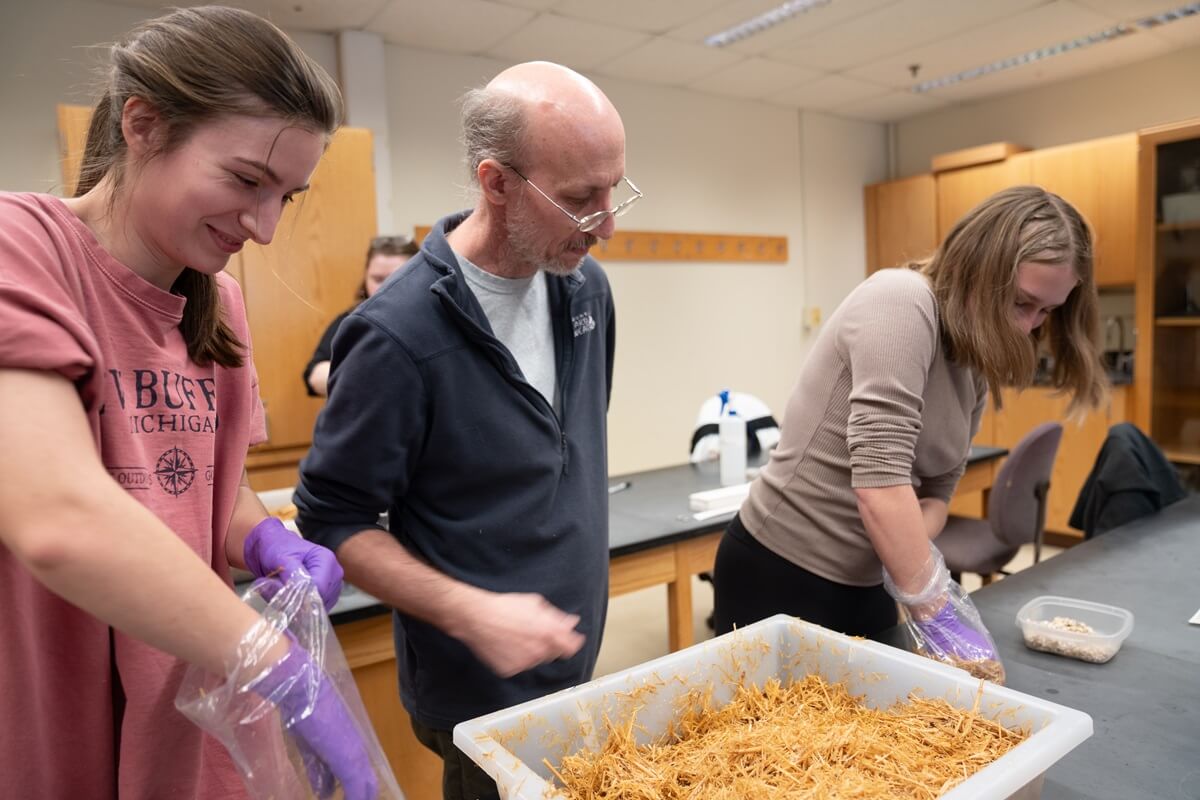
Students in the plant science major aren’t afraid to get their hands dirty. From field trips exploring different ecosystems to growing oyster mushrooms in the classroom to cutting and dying plant samples for a microscope, undergraduates are expected to be involved in hands-on research experiences both in the classroom and in labs.
The plant science undergraduate curriculum also offers flexibility in 18 credits of focus selectives. These allow each student to tailor their degree toward their individual interests and future plans, broadening horizons with everything from soil science to entomology to policy.
MEET YOUR ACADEMIC ADVISOR

Botany and Plant Pathology
Senior Academic Advisor
Email: klein85@purdue.edu
Room number: LILY 1446C
Lisa Klein
Senior Academic Advisor
Lisa Klein Senior Academic Advisor
Financial Information and Life at Purdue
Going to college is a big social and financial decision. We're here to help you understand the resources at your disposal and the communities waiting for you with open arms.
Purdue is proud to have kept tuition frozen and affordable for over a decade. To see the flat rates of tuition for Indiana, out-of-state and international students, please visit Purdue’s Undergraduate Tuition and Fees.
Want to calculate a personalized estimate?
Most federal aid is granted through the Free Application for Federal Student Aid (FAFSA). To make sure your application is sent to Purdue University, use the federal school code 001825. Submit your FAFSA prior to Purdue’s April 15 priority filing date to receive the maximum amount of consideration for financial aid.
If your Free Application for Federal Student Aid (FAFSA) offers you money for a federal work study, you can get a part-time job on campus, working for Purdue, or off campus working for a nonprofit, public agency or other approved organization doing work in the public interest. The money from a federal work study is used to help your employer pay your wages, encouraging more organizations to hire students.
Plant science majors may work in labs within the department or across the college as a federal work study, though they cannot use the same time in a lab for both a federal work study and undergraduate research credit.
College is an expensive investment toward the rest of your life, but scholarships are here to lighten the load and pay for some of your tuition, housing, fees and food costs while at Purdue. Your Free Application for Federal Student Aid (FAFSA) application influences your eligibility for need-based scholarships, but merit-based (often subject to GPA and SAT and ACT test scores) and other types of scholarships are also available.
We recommend you apply for scholarships associated with your high school, from the government and other external organizations, Purdue itself and from the Botany Department. Purdue scholarships have a November 1 deadline to apply, and more information can be found on the First-year Scholarship page.
Botany and Plant Pathology grants up to $85,000 each year in scholarships to new and continuing students in the department.
Students can choose from a variety of housing options on and off campus. From apartments to dorms to fraternities and sororities, each carries a different price point, and you have flexibility to find the room that best fits you. Plan ahead and look at different leases and housing contracts early — Purdue is a popular place to live!
Purdue also offers learning communities, where you live near and sometimes take special classes with people who share your interests. Some that might be of interest to Botany and Plant Pathology students include College of Agriculture Dean's Scholars, Women In Agriculture, Pathway to Purdue Agriculture (if coming from the Purdue-Ivy Tech Pathway program), and The Data Mine.
Clubs are a great way to make friends, stay active and learn new things while in college. Every year, the university hosts the Boilermaker B-Involved Fair in August, where clubs and organizations show off what they do and invite new students to join. You can also search online for clubs that fit your interest on the Boilerlink website. Callout posters for different groups line the hallways every fall and spring!
Want to hang out with more plant people? Plant science majors run the Botany Club, open to any major interested in learning more about plants, going on hikes with Botany and Plant Pathology professors and doing plant-centric arts and crafts.
If you want your education to take you outside of Indiana, the College of Agriculture hosts a wide variety of study abroad experiences, ranging from a week during one of your school breaks to entire semesters that immerse you in another country. While these are an extra cost on top of your tuition, scholarships are available to help you finance these trips. You can find more information about available study abroad experiences and people who can answer your questions on the College of Agriculture’s Study Abroad page.
All plant science students complete at least 3 credit hours of research in a plant science lab. This translates to roughly 9 hours of work a week for one semester, although it can be split up into smaller sections across multiple semesters and in different labs. Many students also work in labs as a part-time job or as a federal work study. You can join a lab without any experience and as early as your first semester of freshman year.
While you can work in labs outside of the Botany and Plant Pathology department to fulfill this requirement, many plant science students find their interests line up with the broad array of research available in their home department. Joining a lab is as easy as finding a professor who is researching something of interest to you, reaching out over email, and — if they have the funding and projects available — professors will be excited to have you join. You can find out who studies what on the Faculty Research Profiles page.
Hear from plant science graduates
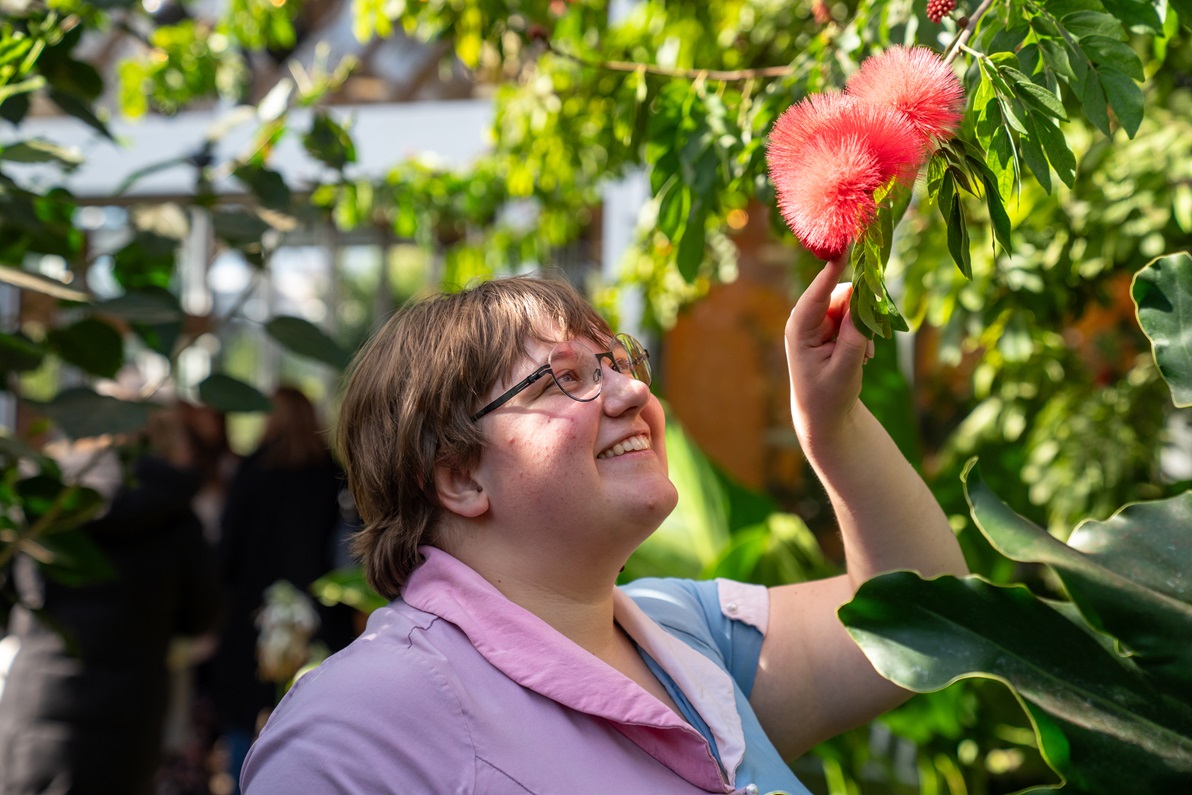
“Curiosity is a big part of who I am, and Botany fed that with hands-on classes and research opportunities. Because of how I understand plants at the chemical, cellular, environmental and field level, I have a grasp on science wide enough to ask the right questions for every story that comes across my desk.”
Lindsey Berebitsky
'23 | Science writer
Lindsey Berebitsky '23 | Science writer
Connect with us!
Connect with us!