

AgSEED 2026 Funded Projects
ACTIVE PROJECTS
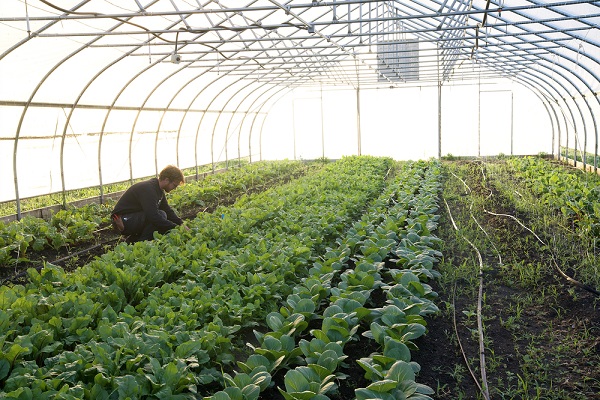
Specialty crops – fruits and vegetables, tree nuts, dried fruits, and horticulture and nursery crops – are an appealing option for newer farmers because of their lower land requirements and high per-acre returns. But these farmers must make the decision whether to invest $5,000-10,000 in unheated, plastic-covered structures known as ‘high tunnels,’ which can extend the growing season, protect crops from frost, and offer 25-40 percent yield increases. Lack of reliable economic information, combined with Indiana’s climate variability, makes the choice feel uncertain for many.
This project aims to test whether its HortCalculator – a tool designed to provide a user-friendly and dynamic budget framework – can provide valid data to beginning farmers – those with less than 10 years of experience. The project has four parts: 1) trialing HortCalculator with eight to ten beginning farmers, 2) developing high tunnel investment modules, 3) creating Indiana-specific protected cultivation benchmarks, and, 4) generating preliminary data to support future competitive federal proposals.
PROJECT LEADER
Ariana Torres
Associate Professor, Agricultural Economics / Horticulture & Landscape Architecture
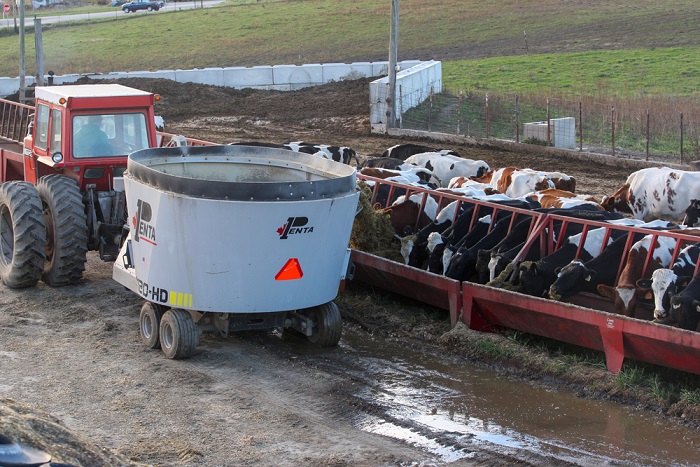
Total mixed rations (TMR), a method of feeding cows using a blended mixture of forages, grains, protein, vitamins and minerals, is the standard in the modern dairy industry, ensuring cows receive a balanced supply of nutrients in every bite. However, consistency of TMR is highly dependent on the performance of the mixer wagon, a piece of farm machinery used to weigh, mix and distribute feeds. If the mixer wagon doesn’t perform optimally, it can lead to nutrient imbalances in the cattle, which means economic losses for the farm.
This project aims to test whether its HortCalculator – a tool designed to provide a user-friendly and dynamic budget framework – can provide valid data to beginning farmers – those with less than 10 years of experience. The project has four parts: 1) trialing HortCalculator with eight to ten beginning farmers, 2) developing high tunnel investment modules, 3) creating Indiana-specific protected cultivation benchmarks, and, 4) generating preliminary data to support future competitive federal proposals.
PROJECT LEADER
Jackie Boerman
Associate Professor, Animal Sciences
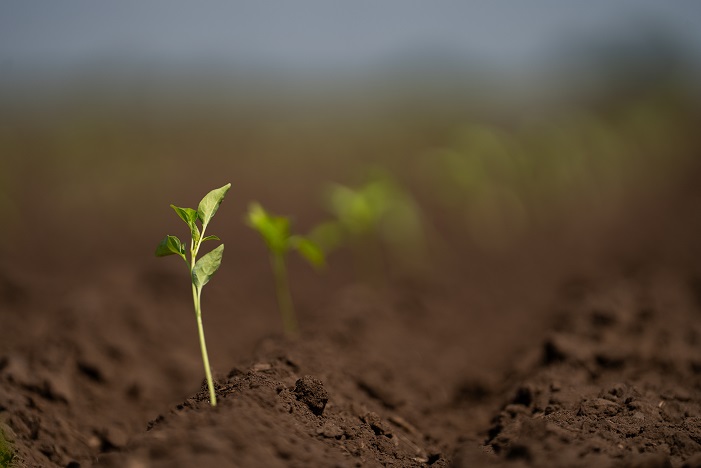
Nitrogen is essential for plant growth, but the amount is key. For corn farmers, too little nitrogen means less-than-optimal yields – and less-than-optimal profits. On the other end, too much nitrogen not only results in suboptimal profits, but also has an environmental impact. Unfortunately, Indiana lacks current data on yield responses to nitrogen for modern corn hybrids and tools that make it easy for farmers to apply research in practice.
This project will launch the Indiana Nitrogen Initiative (INNI), a public-private partnership to establish the first statewide network to give farmers data-driven recommendations on optimal nitrogen use. The pilot program will aggregate historical and current nitrogen trial data and establish on-farm experiments testing diverse hybrids, different management, and conservation practices.
PROJECT LEADER
Ignacio Ciampitti
Professor, Agronomy
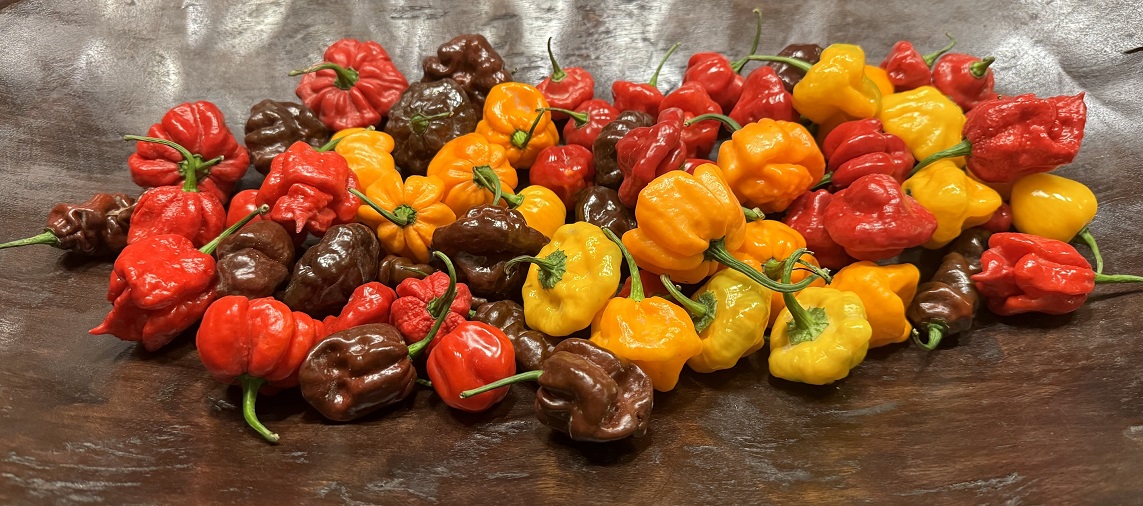
Scotch Bonnet peppers, traditionally grown in the Caribbean, are a significant untapped opportunity for Midwestern agriculture. However, labor-intensive hand-harvesting requirements limit commercial production. This project will evaluate 20 Scotch Bonnet varieties for fruit detachment force (FDF) - the force needed to detach the fruit from the plant - and agronomic performance. It will then conduct genetic studies to identify genes associated with low FDF. This will help researchers identify superior varieties of Scotch Bonnets that will thrive best in Midwestern conditions.
PROJECT LEADER
Petrus Langenhoven
Clinical Assistant Professor, Horticulture & Landscape Architecture
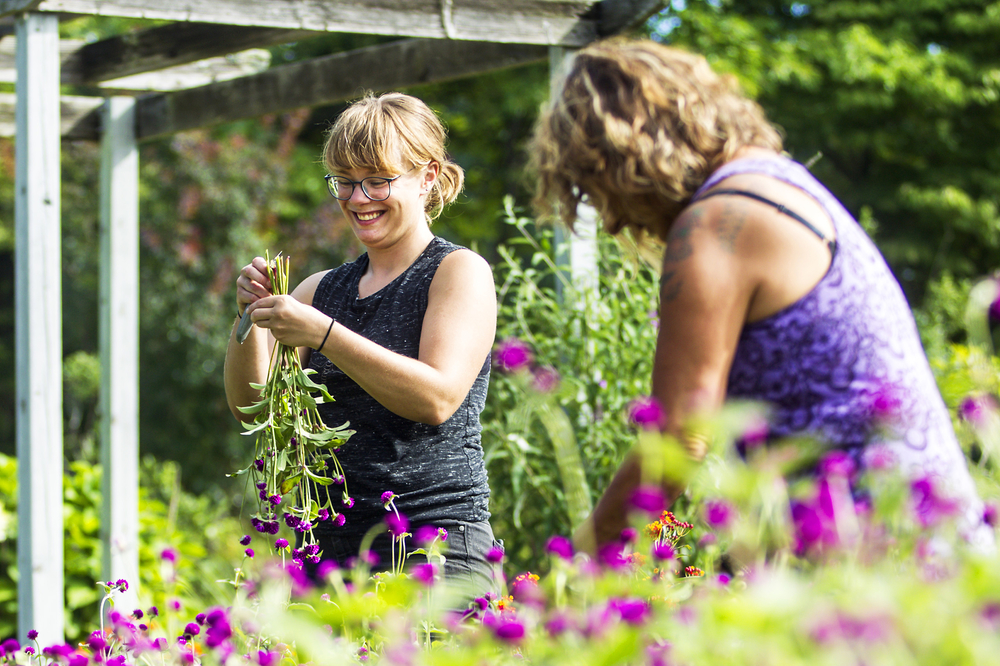
Cut flower production is among the fastest-growing agricultural sectors in Indiana. Building on the initial success of Purdue Extension educators, this project aims to further strengthen the foundation for cut flower research and Extension in the state. Team members will work directly with cut flower farmers and establish demonstration plots across the state in an effort to better understand production challenges under diverse farm conditions. The project will also support the continued delivery of high-quality educational programs for both beginning and established cut flower farmers, while building a robust network of farmers, educators, and specialists.
PROJECT LEADER
Wenjing Guan
Clinical/Engagement Associate Professor, Horticulture & Landscape Architecture
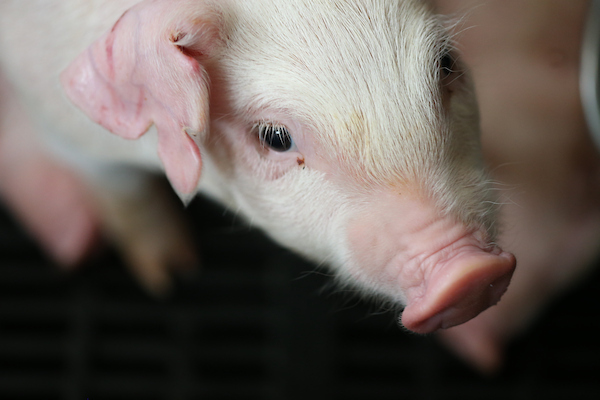
Weaning – transitioning from milk to a solid diet – can be a major stressor for piglets’ gastrointestinal tracts, which must undergo rapid structural, immunological, and microbial maturation. Post-weaning health and development issues are a major challenge in swine production, contributing to economic losses and reliance on antibiotics.
This project is designed to better understand gut microbiome development after weaning. It will use an existing ingestible smart capsule technology previously developed by the team, adapting and optimizing the capsule’s design and coating to suit the anatomical and physiological needs of postweaning pigs. The capsules will be used to examine how feed characteristics influence the gut microbiome and piglet growth. The project aims to generate foundational knowledge for precision nutrition strategies to enhance piglet resilience, health, and antibiotic-free productivity.
PROJECT LEADER
Tingting Ju
Assistant Professor, Animal Sciences
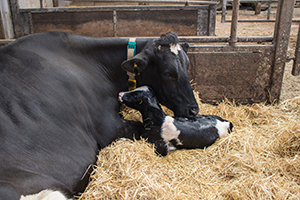
Mastitis, the inflammation of the mammary gland(s), is commonly caused by bacterial pathogens and remains the most prevalent and costly disease in U.S. dairy herds. The modern dairy cow (selected for higher milk yield) is less effective in clearing intramammary bacterial infections than unselected cows, with the complement system (a key arm of the innate immune response) identified as the major area of weakened function. Researchers will quantify differences in key proteins of the lectin pathway of the complement system in the milk of early postpartum dairy cows and evaluate their association with mastitis risk. Foundational research that better elucidates risk factors associated with mastitis predisposition can significantly impact cow health, welfare, and farm profitability.
PROJECT LEADER
Rafael Neves
Associate Professor, Food Animal Production Medicine, Dept. of Veterinary Clinical Sciences
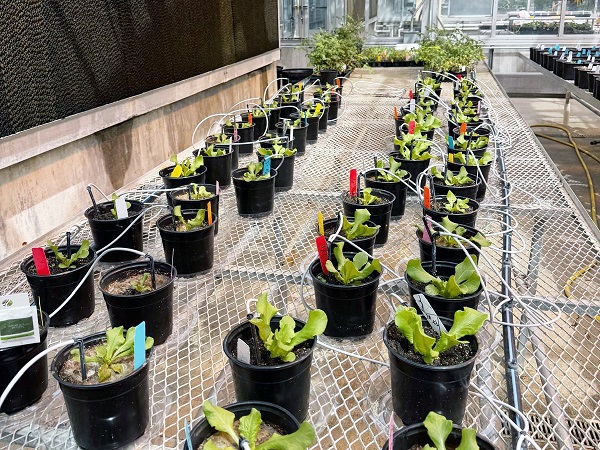
Many types of agro-industry produce wastewater that, without adequate treatment, can contaminate soil and water. But properly managed, the resulting sludge can be a sustainable soil amendment. This project aims to develop and evaluate treatment processes for egg-washing and aquaculture wastewater using two approaches: electrocoagulation (using electric current to force contaminants to clump together, making for easier disposal) and biological treatment using Microcystis aeruginosa (a freshwater cyanobacteria) and Chlorella vulgaris (a microalgae). The resulting materials will be tested as soil amendments in greenhouse experiments using lettuce and tomato crops. The research will provide a foundation for sustainable wastewater management strategies that convert agro-industrial residues into valuable agricultural inputs, promoting a circular bioeconomy that reduces reliance on synthetic fertilizers, improves nutrient recycling, and supports environmentally responsible crop production.
PROJECT LEADER
Halis Simsek
Assistant Professor, Agricultural & Biological Engineering

Milk is a valuable source of nutrition, but many people can’t drink it without suffering. Some have limited ability to digest lactose (“lactose intolerance”), others are sensitive to the proteins in milk, and others have problematic blood glucose spikes after drinking milk. Fortunately, new innovations in milk processing and production offer promise for making milk more accessible to more people.
This project will evaluate commercially available milk types in two areas: consumer preferences and discrimination of flavors, and blood glucose responses in people with pre-diabetes or lactose maldigestion. Three types of milks will be evaluated: conventional, A2 (lacking an A1 protein; potentially more easily digestible), and ultra-filtered (filtered to remove sugars, leaving behind more protein). All will be tested in both lactose and lactose-free versions, across different fat levels. The work will provide important data for future studies on how new milks might be optimized for better health.
PROJECT LEADER
Cordelia Running
Associate Professor, Department of Nutrition Science
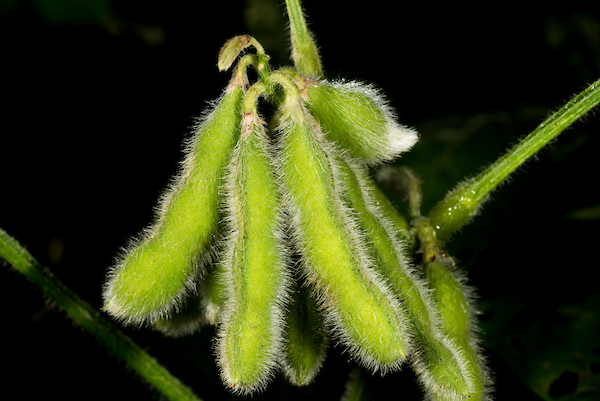
Drought stress significantly reduces soybean yields worldwide, creating an urgent need for varieties that maintain productivity under water-limited conditions. The Yoon Lab has developed transgenic soybean lines with exceptional drought tolerance. Now, along with three collaborators in the College of Agriculture, the Yoon Lab aims to better understand the mechanisms behind this drought tolerance through comprehensive characterization studies. The project will investigate potential mechanisms by which the transgenic soybean plants use water more effectively, identify molecular targets for achieving drought tolerance, and evaluate plant performance under controlled conditions. Ultimately, a better understanding of drought tolerance could help growers adapt to a world with increasing weather instability.
PROJECT LEADER
Gyeong Mee Yoon
Professor, Botany & Plant Pathology
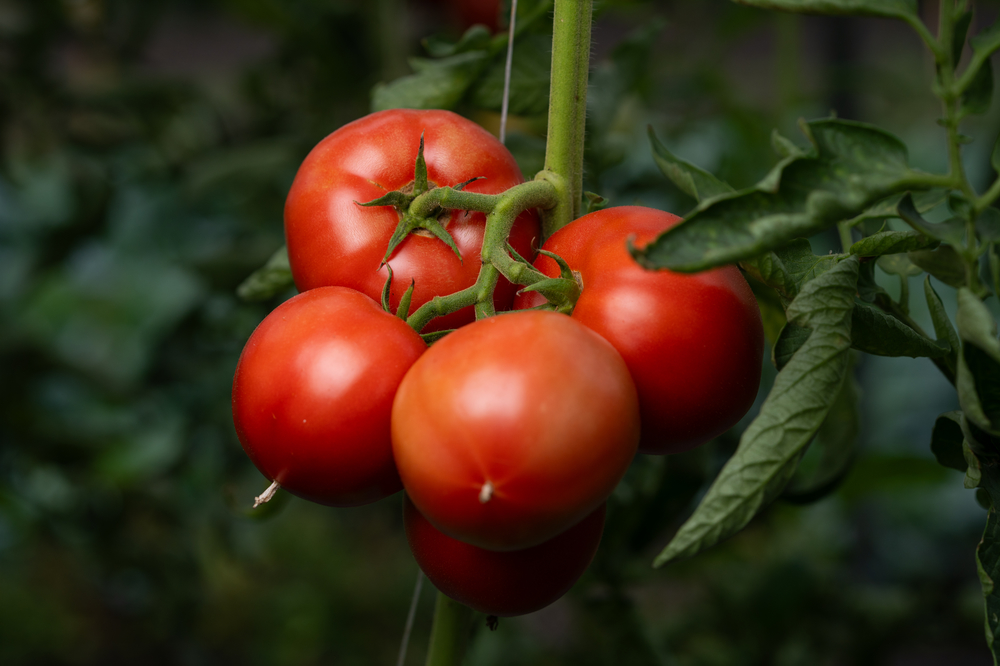
Improving nitrogen use efficiency (NUE) of crop plants is critical for food security and agricultural sustainability. Plant roots are essential to NUE, but a majority of molecular studies of root nitrogen response are from non-agricultural plants and/or look at the entire root, overlooking the heterogeneous nature of different types of root cells. This limits their agricultural relevance.
Researchers of this project previously studied tomato roots grown under varying nitrogen conditions with single cell technology that allows investigation of different cell groups in roots. The analysis generated a high-resolution map of 21,000 individual root cells forming 26 distinct cell clusters. Among these was a previously uncharacterized cell cluster (C9) with a strong response to nitrogen. Using AI, the team looked at how key regulatory genes in these C9 cells are involved in controlling nitrogen responses. This AgSEED-funded project will identify exactly where these cells are located in the root and confirm their predicted function. The project stands to benefit growers across Indiana, the United State, and beyond.
PROJECT LEADER
Ying Li
Associate Professor, Horticulture & Landscape Architecture
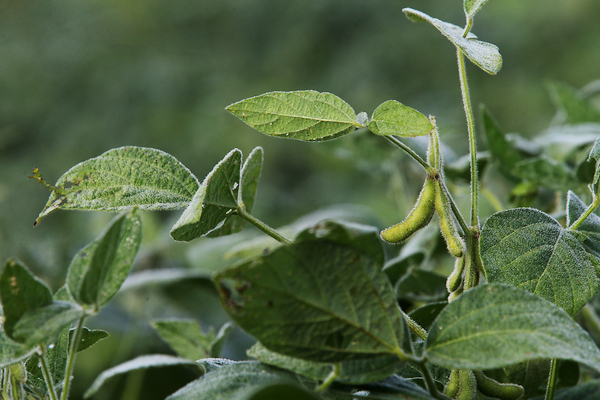
Plant diseases cause 20–40% of global crop production losses. Chemical control is costly and environmentally harmful. Genetic resistance is more sustainable, but most resistance genes are effective only against specific pathogens and can quickly be overcome by pathogen evolution. In contrast, plant autoimmune mutants – plants with mutations in immune regulatory genes –usually exhibit excellent resistance but suffer from poor growth and low yield.
This team recently discovered that in Arabidopsis (a common model plant in plant biology), the growth defects in autoimmune mutants with enhanced disease resistance due to loss of the PMR1 callose synthase are caused by a buildup of a specific compound, N-hydroxypipecolic acid (NHP). Blocking NHP allows the autoimmune mutants to grow normally while remaining disease resistant. This project’s goal is to apply these discoveries to engineer broad-spectrum disease resistance without compromising growth in important crops. The project will test whether the same strategy that works in Arabidopsis works in soybeans by identifying the relevant genes and using genome editing tools to disrupt both PMR4 and the buildup of NHP. The results could potentially provide growers with better options for durable disease control.
PROJECT LEADER
Zhixiang Chen
Professor, Botany & Plant Pathology