

PASA gives high school students a hands-on look at agriculture
Mia Vonic reacted as you might expect when her father encouraged her to spend two weeks of her summer vacation at an educational camp.
“I didn’t really want to,” said Vonic, who will soon begin her senior year in high school. “I wanted to be with my friends because I hadn’t been home most of the summer. But I made new friends here, which was a lot more valuable than being at home for two weeks.”
Hosted by Purdue Agriculture’s Office of Multicultural Programs, the Purdue Agribusiness Science Academy (PASA) Summer Institute offers high school students real-life STEM experiences. Many students are also introduced to college life through PASA, learning from professors, living in residence halls, eating in food courts, and navigating campus.
“To someone who’s on the fence about coming to this camp, I for sure would,” said Vonic. “Not only for the classroom knowledge that we gained. The college life skills that we get are really valuable for the future.”
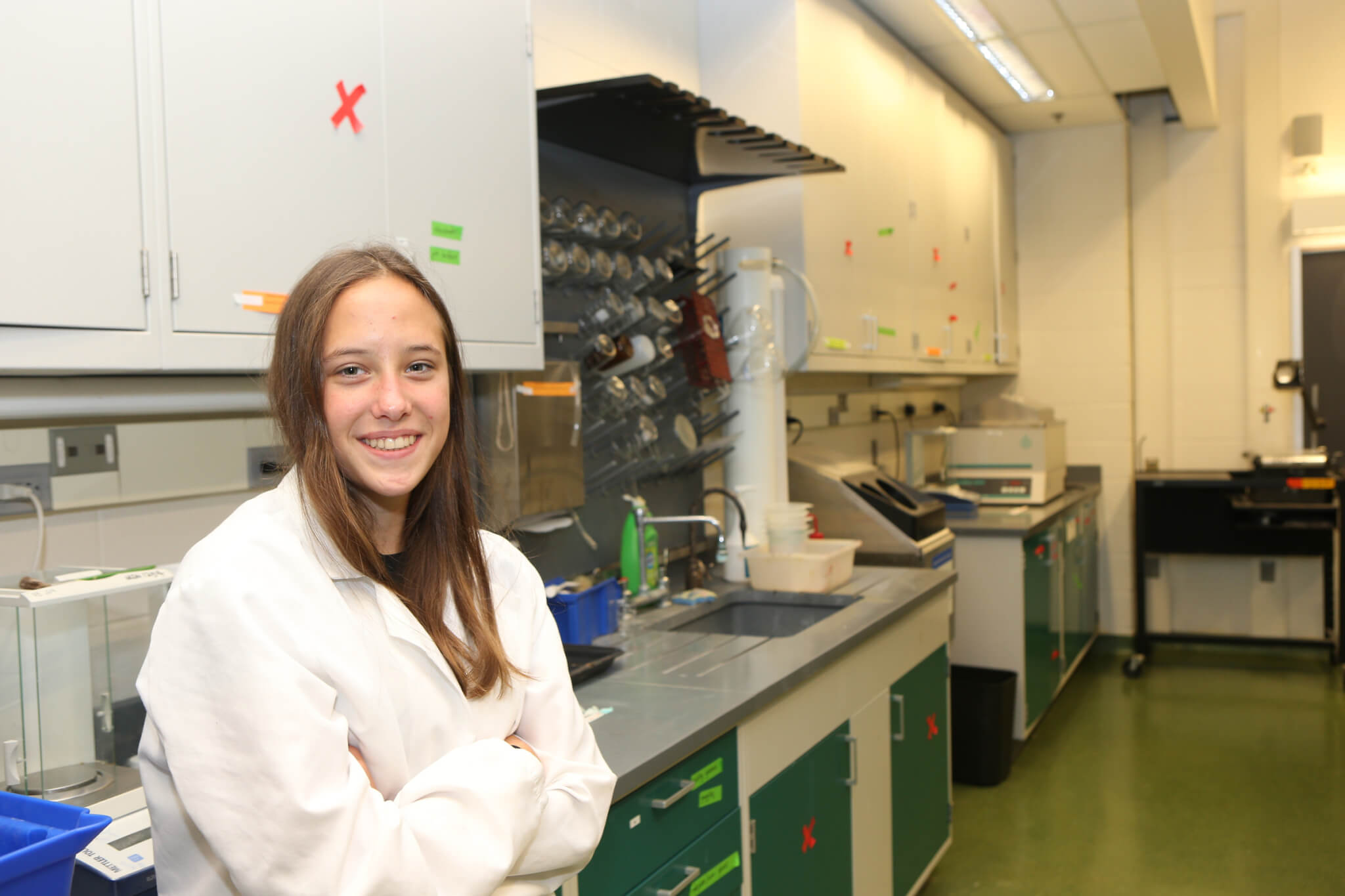
Participants chose from one of three tracks: business, engineering, and environmental science. Each theme offers hands-on labs and workshops featuring activities like fermenting kombucha, building bridges, completing scavenger hunts, and solving an agricultural escape room. Additionally, field trips to Chicago and St. Louis allow students to visit agricultural businesses.
Myron McClure, assistant director of the Office of Multicultural Programs, coordinates PASA. Over the years, McClure has noticed a trend among the students.
“While many arrive thinking agriculture is not for them, by the end they think, ‘this is pretty cool. I never would have thought about an ag program for a STEM degree.’”
Fabian Brown, now a junior in high school, returned for his third year of PASA this summer, trying a new track each time.
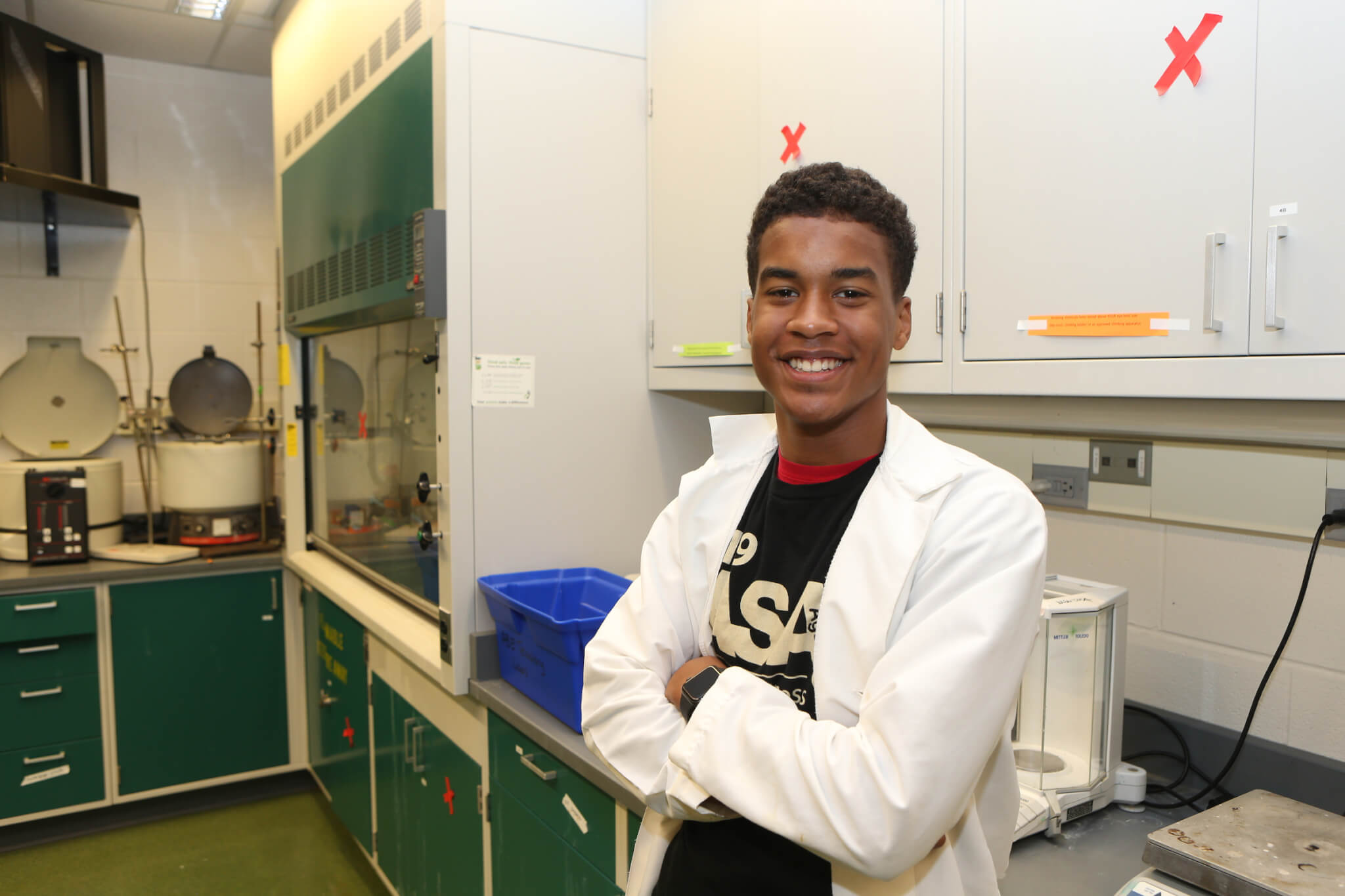
“I’m from the city,” Brown said. “I thought Indiana was all full of corn. I didn’t even know the little plants were soybeans. That’s as little as I knew. PASA was my first experience in agriculture. I dipped my foot in the pond a little bit and ended up liking it.”
“My favorite part would have to be going out to the farms off campus,” said Vonic. “That was really fun for me. I’ve been around farms, but I really loved seeing how technologically advanced they are and the thinking and processes that go into having a successful farm.”
Brown agreed, “We learned about the massive amount of data that’s being collected in the fields. You drive by and you think ‘Oh, there’s more corn.’ You think of farmers dressed in plaid going out into the field and putting seeds down. But you realize, no, they have different hybrids, they have nitrogen levels they have to take and they have iPads inside of their cabins.”
“I realized that it’s not just about science. It’s not just about learning. It’s also learning how things work, and realizing the scale of things that people have to do in order to get your food on your table,” explained Brown. “Now, I plan on going to Purdue for food science.”
Featured Stories
For Brody Cox, preparing for the Indiana State Fair began long before he entered the show...
Carolyn Foley, a long-time member of the Purdue Forestry and Natural Resources (FNR) and...

In the September Purdue University/CME Group Ag Economy Barometer survey, 52% of respondents...
Purdue University’s College of Agriculture recognized nine alumni at the Distinguished...
Keep your eyes peeled across Indiana for the newly minted Purdue Forestry and Natural Resources...
“Being at Purdue has changed my thinking entirely,” says Mingyu Zhao, a third-year...