

Indiana State Chemist retires after a career spent serving Hoosiers
According to Indiana State Chemist Robert Waltz only two things are nearly as old as the human race: mistakes and grifters. It has been his job for the past 14 years to safeguard Hoosiers and Indiana Agriculture against both.
“Office of Indiana State Chemist (OISC) is here to look at products used in agriculture and make sure those products are formulated and used in a way that is safe for individuals and the industry,” Waltz explained.
The office was established in the late 1800s when people were grinding up rocks and selling it as fertilizer. “The scope of the office now goes a bit beyond that,” he laughed.
OISC studies the chemical makeup of pesticides, animal feeds, pet foods, seeds and, of course, fertilizers, to ensure companies are reporting the correct content makeup of their products. Agriculture is subject to an array of unpredictable forces, from weather to disease, but it some areas there can be precision – and evaluating the makeup of products is one of those areas. Housed within Purdue University’s College of Agriculture, OISC draws on expertise from its staff, Purdue and research happening across the university.
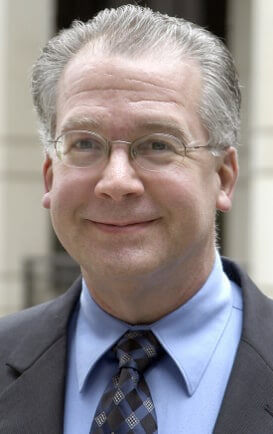
In addition to testing products, OISC impacts policy within the state and country, providing and decoding much of the science that drives agricultural legislation.
“Regulation and regulatory science is very much the embodiment of the three pillars of the land grant institution: extension, education and research,” Waltz added. “Without good science you don’t have good regulation and without good communication no one knows about the regulations.”
Waltz said, he has enjoyed his position at the intersection of research and outreach, watching in real-time as the results of the laboratory inform legislation and impact industry. That process, he added, and always trying to improve upon it, is what he will miss most about the job when he retires on May 29. The process and the people.
“One of the things you learn in regulatory work is about people. And the people we work with in this state, in agriculture, are incredible. Dedicated to their businesses, production, their science and research. It has been remarkable to witness.”
Bruce Kettler, director of the Indiana State Department of Agriculture (ISDA), said Waltz has served in an essential role to the department and the state.
“He has been a valuable partner to ISDA for numerous issues and projects. He is a wealth of knowledge and is always willing to provide guidance and assistance, no matter how complicated a situation may be,” Kettler said. “I also appreciate how much he has participated in professional organizations that add to his depth and breadth of the issues, not only in Indiana but around the United States.”
Karen Plaut, the Glenn W. Sample Dean of the College of Agriculture, added that Waltz leaves behind a legacy and body of work that established a safer and more productive state for all Hoosiers, but especially those in agriculture.
“Dr. Waltz will be remembered by the strong leadership he showed in the OISC and the inroads he made in regulatory policy,” Plaut continued. “But the shining achievement of his career will always be his ability to make all parties heard while upholding the most rigorous standards of scientific research and application.”
This commitment springs from Waltz’ lifelong passion for science and the natural world. He began his academic career at Purdue where he received his B.A. in natural resources and environmental sciences and later completed his Ph.D. in entomology. In his education and his career, Purdue has been a touchstone for Waltz and place of inspiration.
“My career wouldn’t have happened without Purdue,” Waltz said. “It has been a wonderful career in science, appreciating and understanding how science can be used effectively to regulate with good results.”
During retirement Waltz said he plans to enjoy the natural world through travel and hiking with his wife. As a West Lafayette native, however, Waltz will remain involved in Purdue and community activities.
“I’m very much looking forward to being on campus recreationally,” Waltz said. “There are aspects of the job I will miss, but it’s time to hand the ball off.”
Featured Stories

The Office of Indiana State Chemist (OISC) is warning Indiana residents about an illegal...

A prominent protein on most human cells may be key to unlocking the code that makes humans...

In the September Purdue University/CME Group Ag Economy Barometer survey, 52% of respondents...
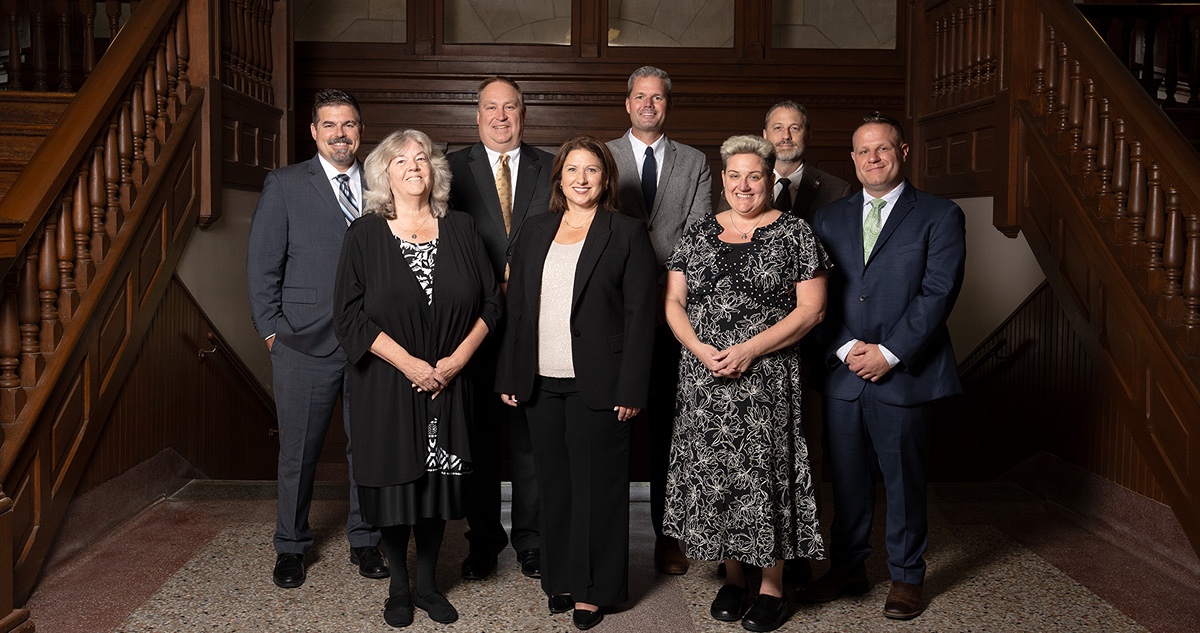
Purdue University’s College of Agriculture recognized nine alumni at the Distinguished...
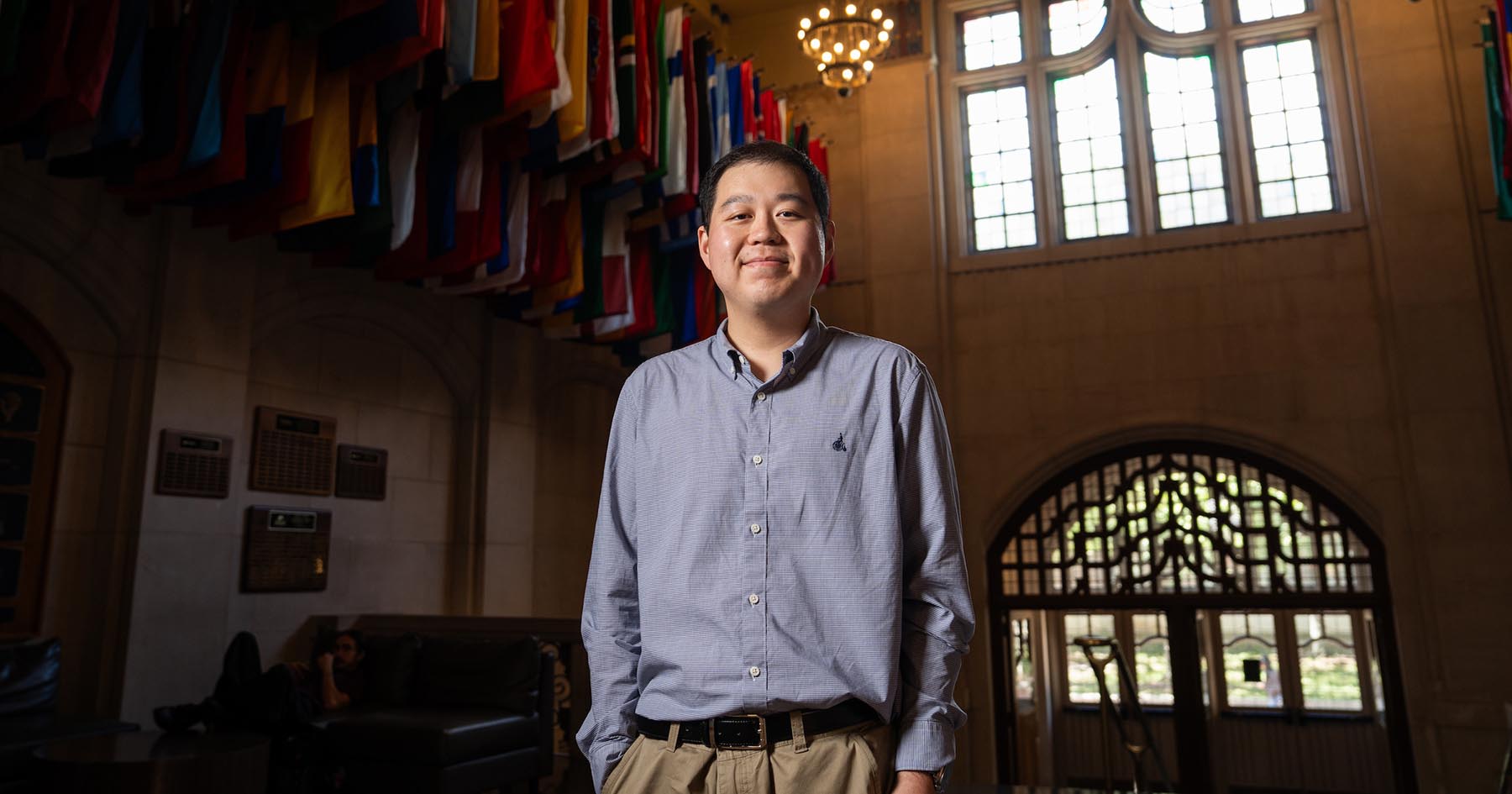
“Being at Purdue has changed my thinking entirely,” says Mingyu Zhao, a third-year...
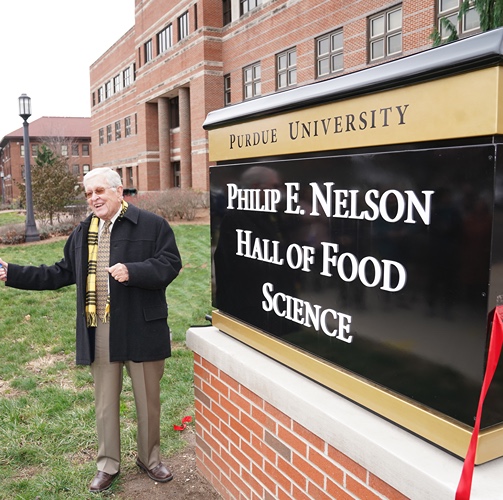
Philip E. Nelson, named Indiana State Fair Tomato King at age 15 for exhibiting 24 perfect...