

Indiana 4-H’ers demonstrate resilience
COVID-19 guarantees that the Summer of 2020 will be like none we have experienced. We will be exploring what that means in Indiana by telling the stories of Purdue Agriculture’s and Purdue Extension’s interactions with communities throughout the state. We invite you to follow our series on this Season of Change.
Each year, youth from Indiana’s 92 counties learn and fulfill the 4-H pledge, vowing their hands to larger service and their health to better living from their club to their community. They participate in club meetings, community service activities, leadership events and more while completing a project of their choice. Each project is a collection of hard work and hands-on learning experiences, resulting in new skills that prepare youth to be leaders in their communities.
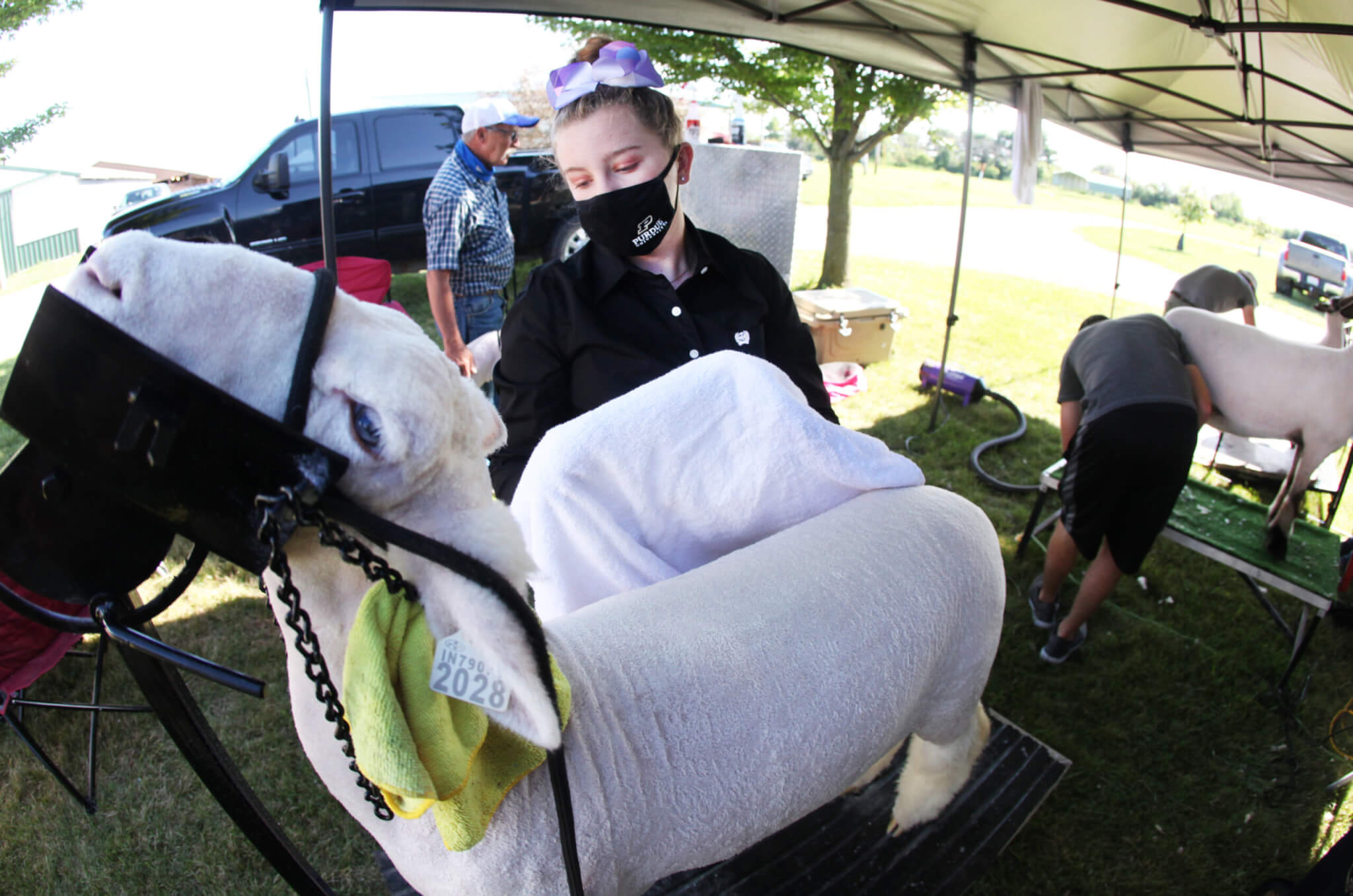
As COVID-19 turned the world upside down, Indiana 4-H adjusted its programming to meet the needs of the youth where they were – at home. All 4-H events were modified to meet social distancing guidelines or they became virtual. This summer, all 92 counties held virtual 4-H fair events and 56 counties held modified in-person fair events following social distancing and mandatory mask covering guidelines.
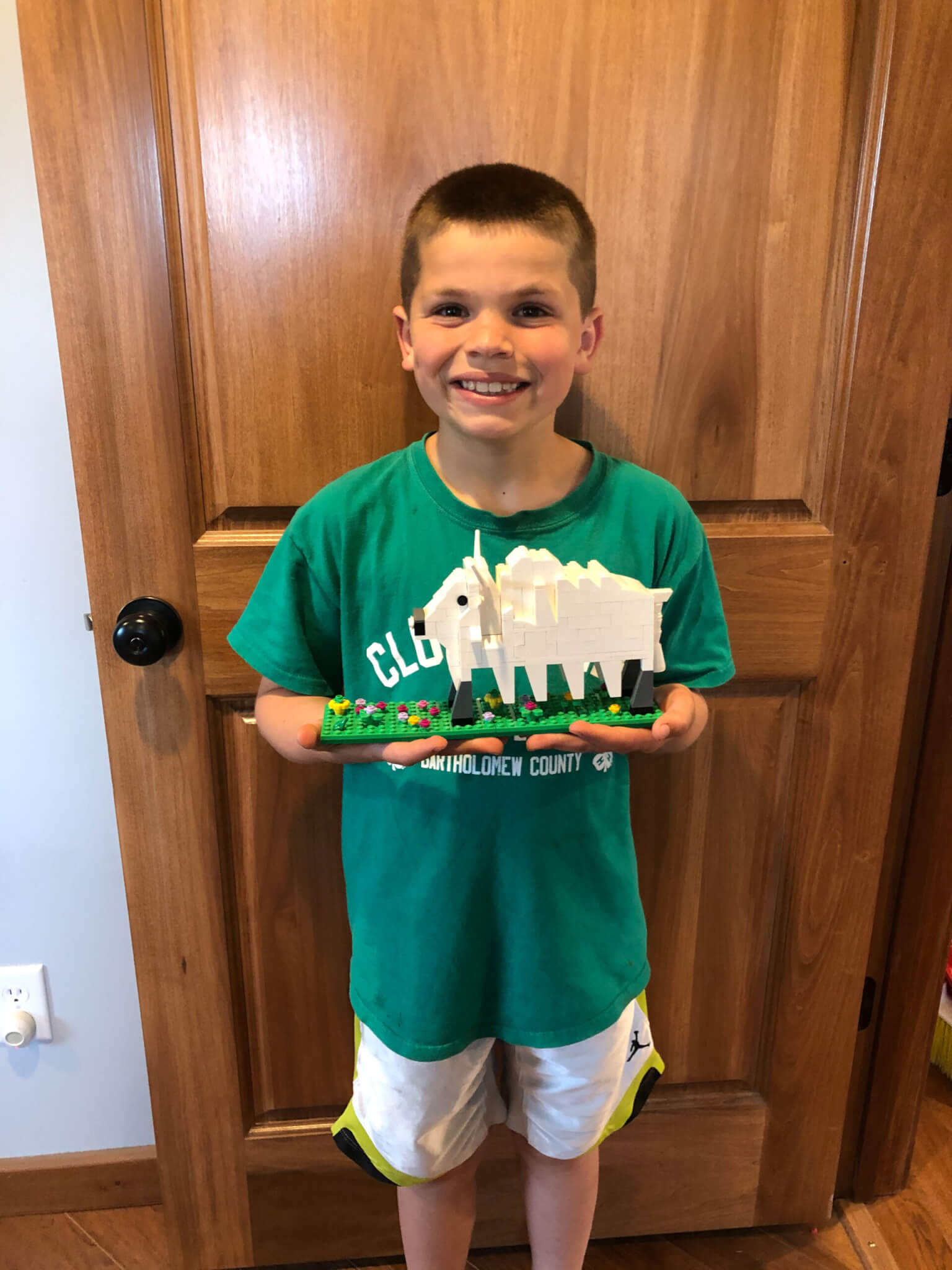
Logan, a two-year Bartholomew 4-Her, missed going to 4-H camp and the county fair, but he still enjoyed completing his 4-H projects and exhibiting them at the virtual Bartholomew County Fair.
“I missed talking to the judges, but I still did all my projects. My 4-H projects were fine arts, architecture models, farm and toy scene, show cattle, crops, food, food preservation and lawn and garden tractor,” said Logan. “I really missed livestock showmanship. Showmanship is a good learning experience for the market show or the next show.”
In Benton County, 4-H leadership worked closely with the Benton County Health Department to develop guidelines for a modified in-person county fair. They adapted a show-and-go policy where animals were brought in only for the day of the show. Poster and static projects were dropped off at the fairgrounds ahead of the fair.
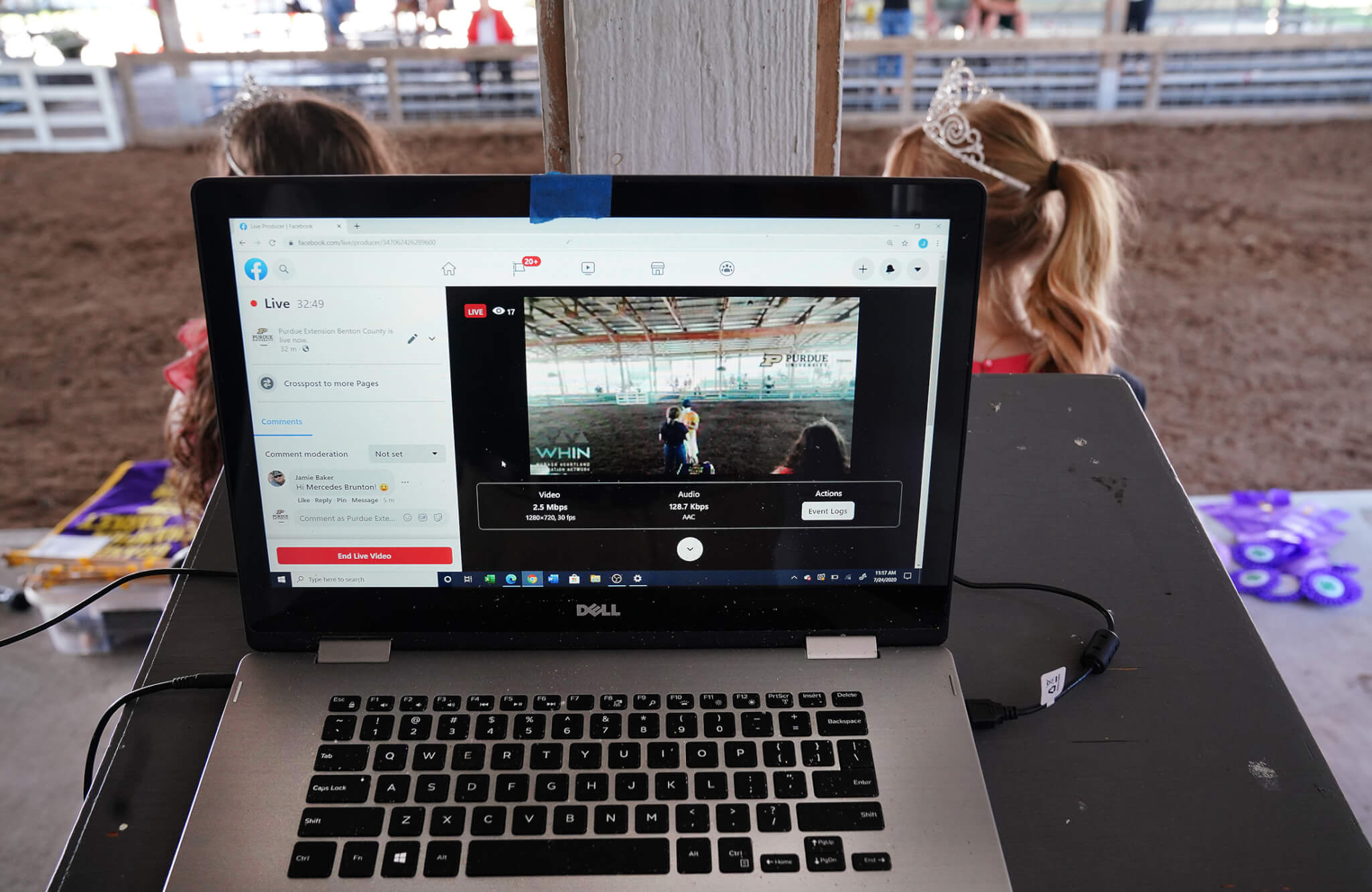
Addison, a five-year Benton County 4-Her, explained that despite the uncertainties and changes this year, she still worked hard on her 4-H projects.
“I wasn’t sure if we were going to have a fair this year, but I still got up early in the morning to work with my animals. Because school has been online since March, I’ve actually had more time to work on my projects than in past years,” said Addison.
Bartholomew 4-H parent, Shelia, found creative ways to keep her sons engaged with 4-H after events went virtual.
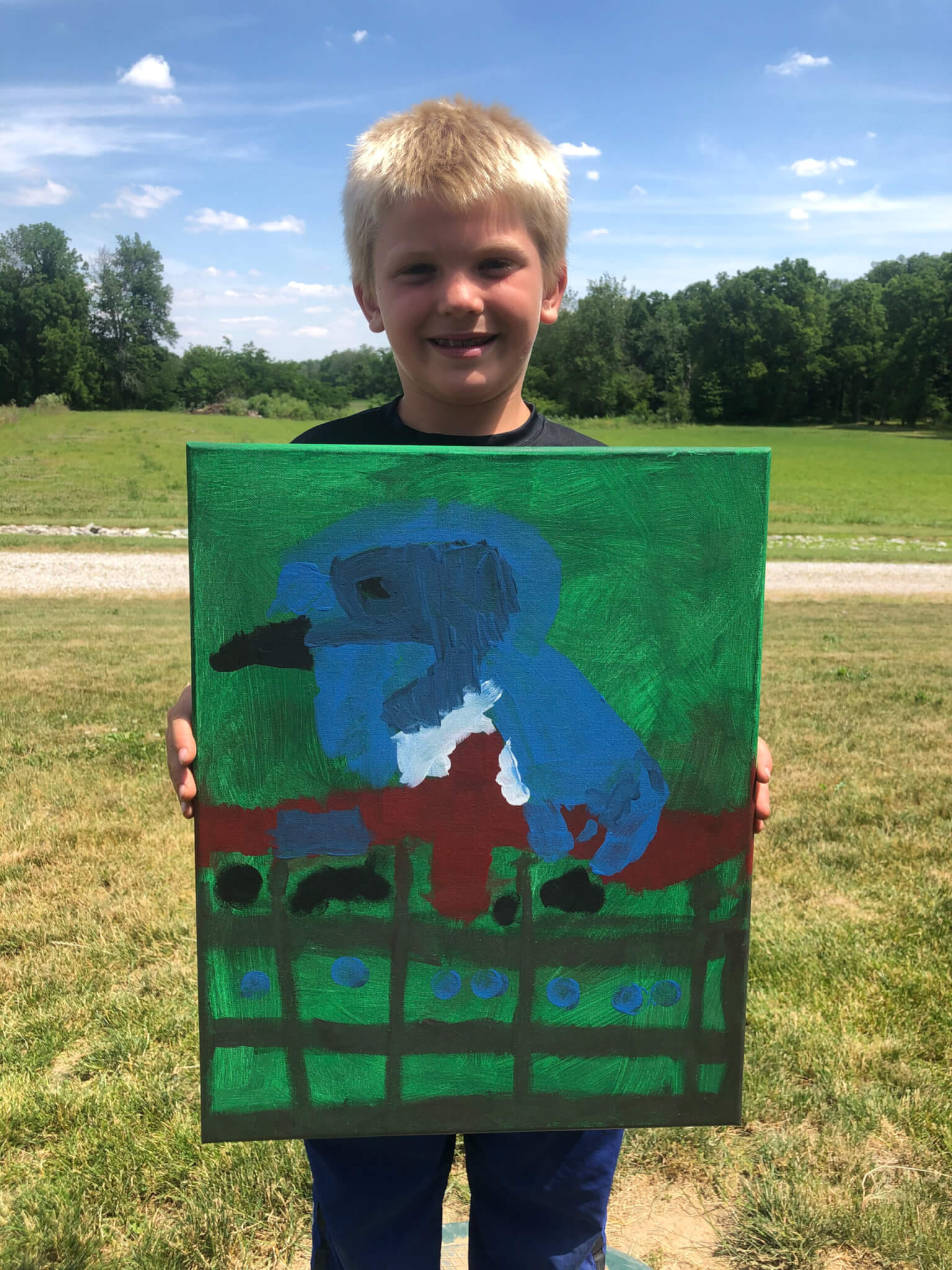
“We still worked on record sheets. We learned about typing, good records and even how lighting affects pictures and presentation of projects. We learned new vocabulary and how that is important,” added Shelia. “I appreciate how hard our county extension educator and everyone worked to still give us a 4-H experience this year.”
Featured Stories

The Office of Indiana State Chemist (OISC) is warning Indiana residents about an illegal...
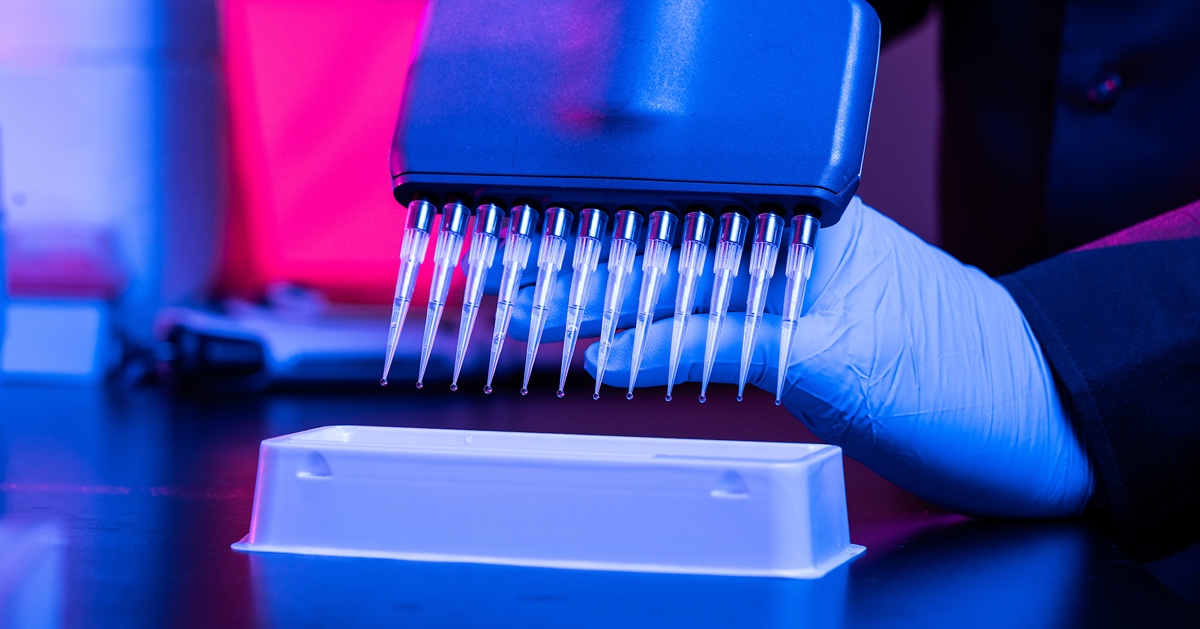
A prominent protein on most human cells may be key to unlocking the code that makes humans...

In the September Purdue University/CME Group Ag Economy Barometer survey, 52% of respondents...
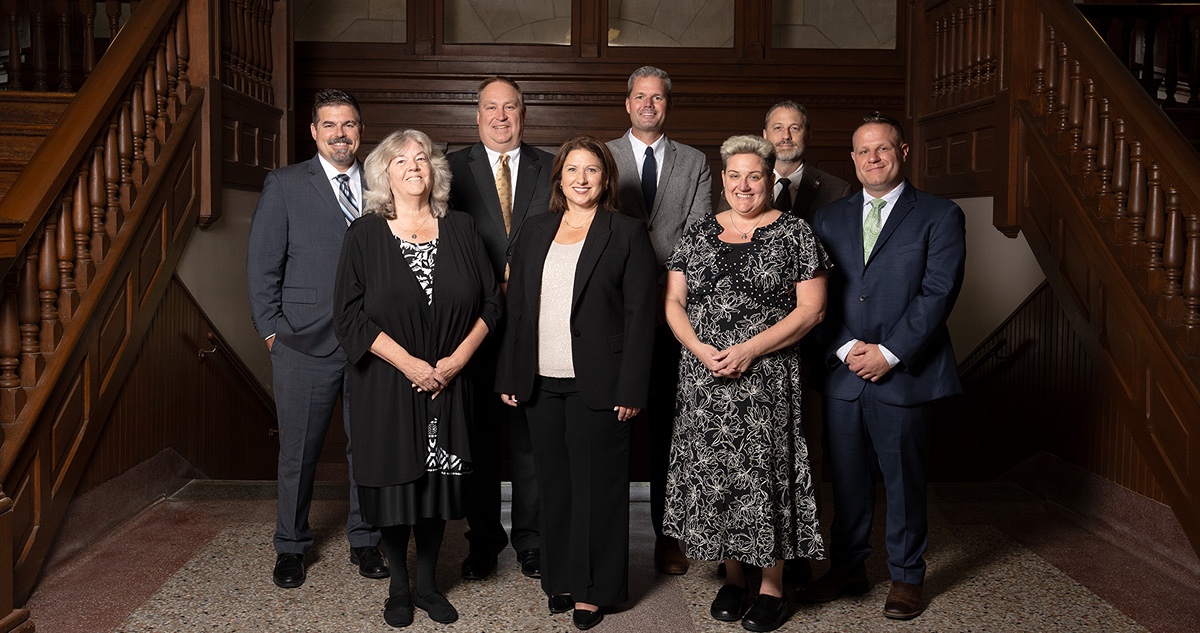
Purdue University’s College of Agriculture recognized nine alumni at the Distinguished...
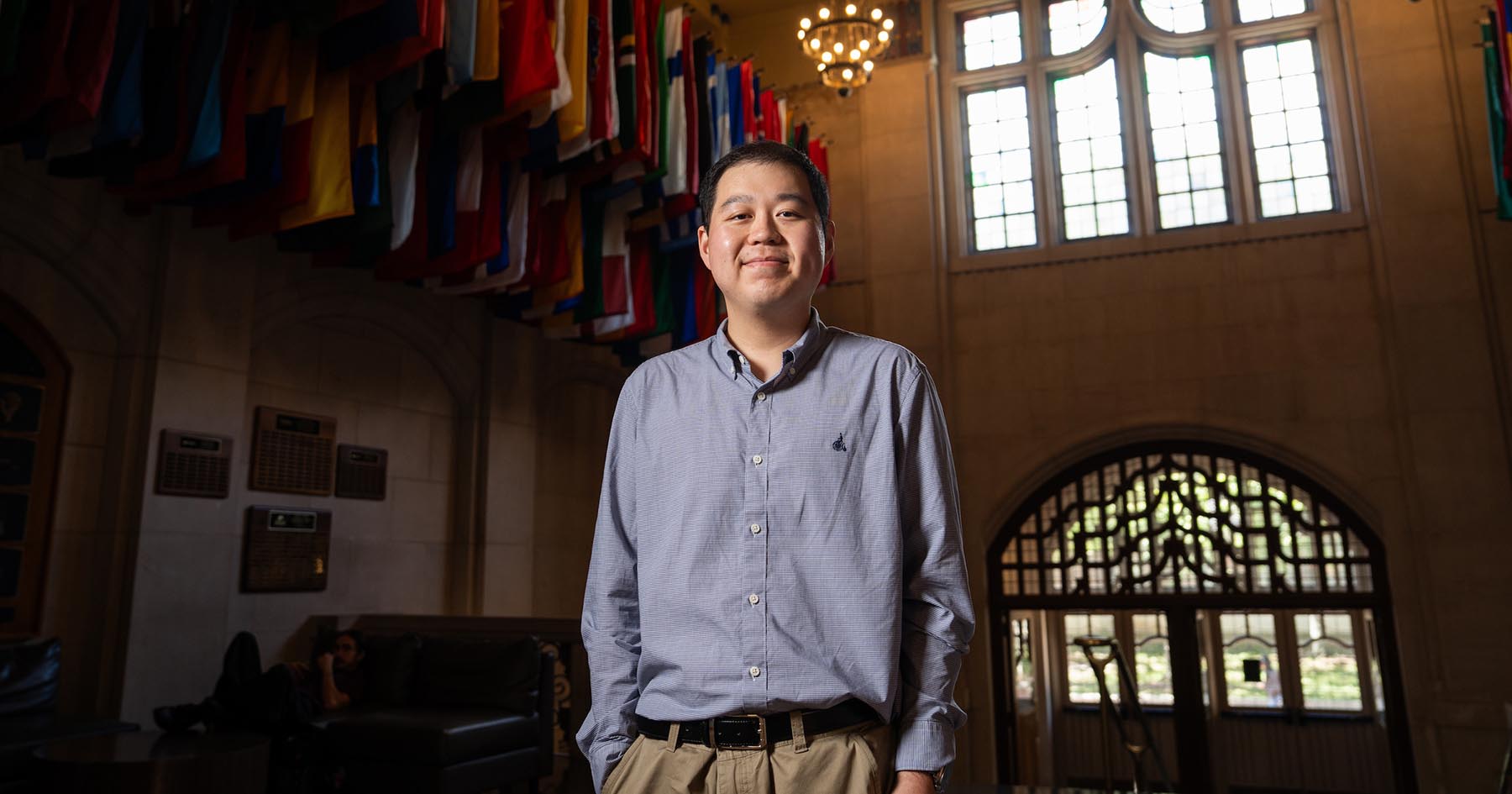
“Being at Purdue has changed my thinking entirely,” says Mingyu Zhao, a third-year...
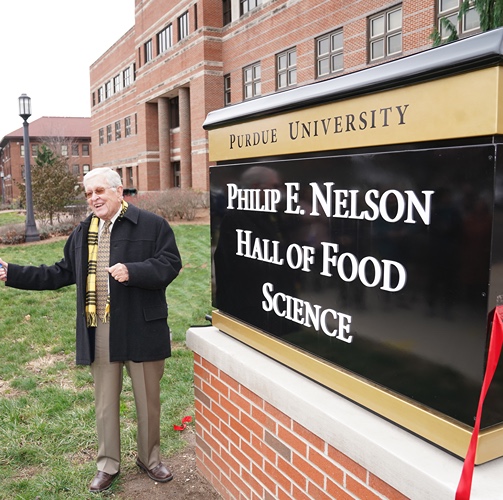
Philip E. Nelson, named Indiana State Fair Tomato King at age 15 for exhibiting 24 perfect...