

Agricultural Biological Engineering Program Earns #1 Ranking
Purdue University’s Agricultural and Biological Engineering (ABE) Graduate Program has again ranked #1 in its category in the annual U.S. News & World Report rankings of Best Graduate Schools. The ABE graduate and undergraduate programs have consistently received top ranking over the last decade.
“The College of Agriculture proudly celebrates ABE faculty, staff and students for the number one ranking the graduate agricultural and biological engineering program has earned again this year. Led by Nate Mosier and now housed in a new building designed to facilitate collaboration, the department consistently demonstrates an extraordinary commitment to graduate education and innovative research,” said Karen Plaut, Glenn W. Sample Dean of Agriculture.
Department head and professor of agricultural and biological engineering Nate Mosier described what he views as the graduate program’s standout features.
“The Purdue ABE graduate program prides itself on combining fundamental research and practical applications in machine systems, ecological engineering, bioprocessing, and biological engineering. Students consistently say that they appreciate the opportunities to collaborate with others from many different disciplines and backgrounds across the university.”
Mung Chiang, the John A. Edwardson Dean, College of Engineering, also cited the valuable collaboration between the colleges. “This number one ranking is a reflection of our outstanding faculty, students and staff. We are excited about the future of digital agriculture with connected and precision ag technologies, and about the colleges of agriculture and engineering amplifying this strong partnership.”
Mosier explained that diverse opportunities create important options for graduate students.
“Many of our graduates are working in industry, government, and academia after leaving Purdue. We have graduates at pharmaceutical, machinery and digital agriculture companies, engineering consulting firms, government agencies like USDA, and more. Some are starting their own companies or joining start-ups to bring new technologies to market to make food, pharmaceutical and machinery more sustainable and efficient.”
Featured Stories

For Brody Cox, preparing for the Indiana State Fair began long before he entered the show...
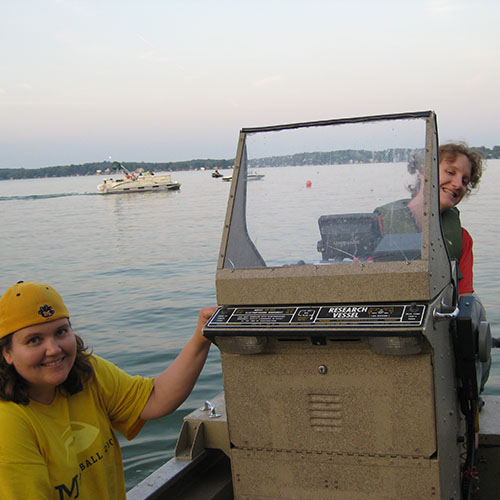
Carolyn Foley, a long-time member of the Purdue Forestry and Natural Resources (FNR) and...

In the September Purdue University/CME Group Ag Economy Barometer survey, 52% of respondents...
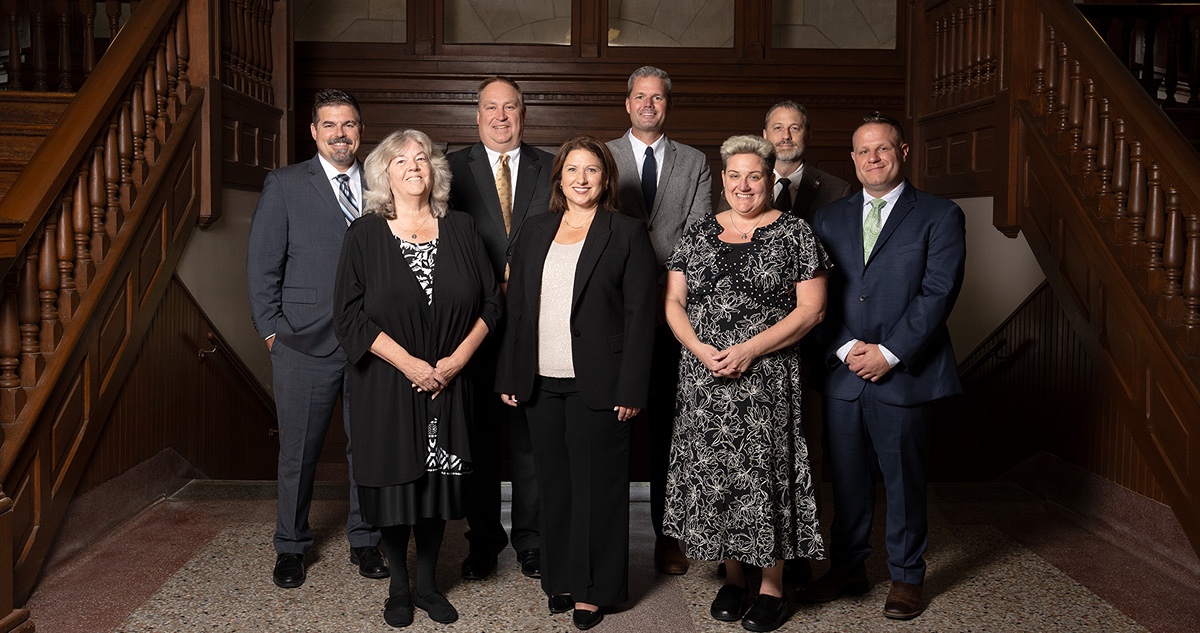
Purdue University’s College of Agriculture recognized nine alumni at the Distinguished...
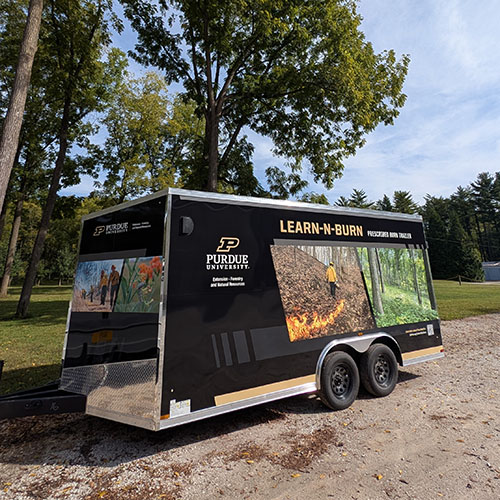
Keep your eyes peeled across Indiana for the newly minted Purdue Forestry and Natural Resources...
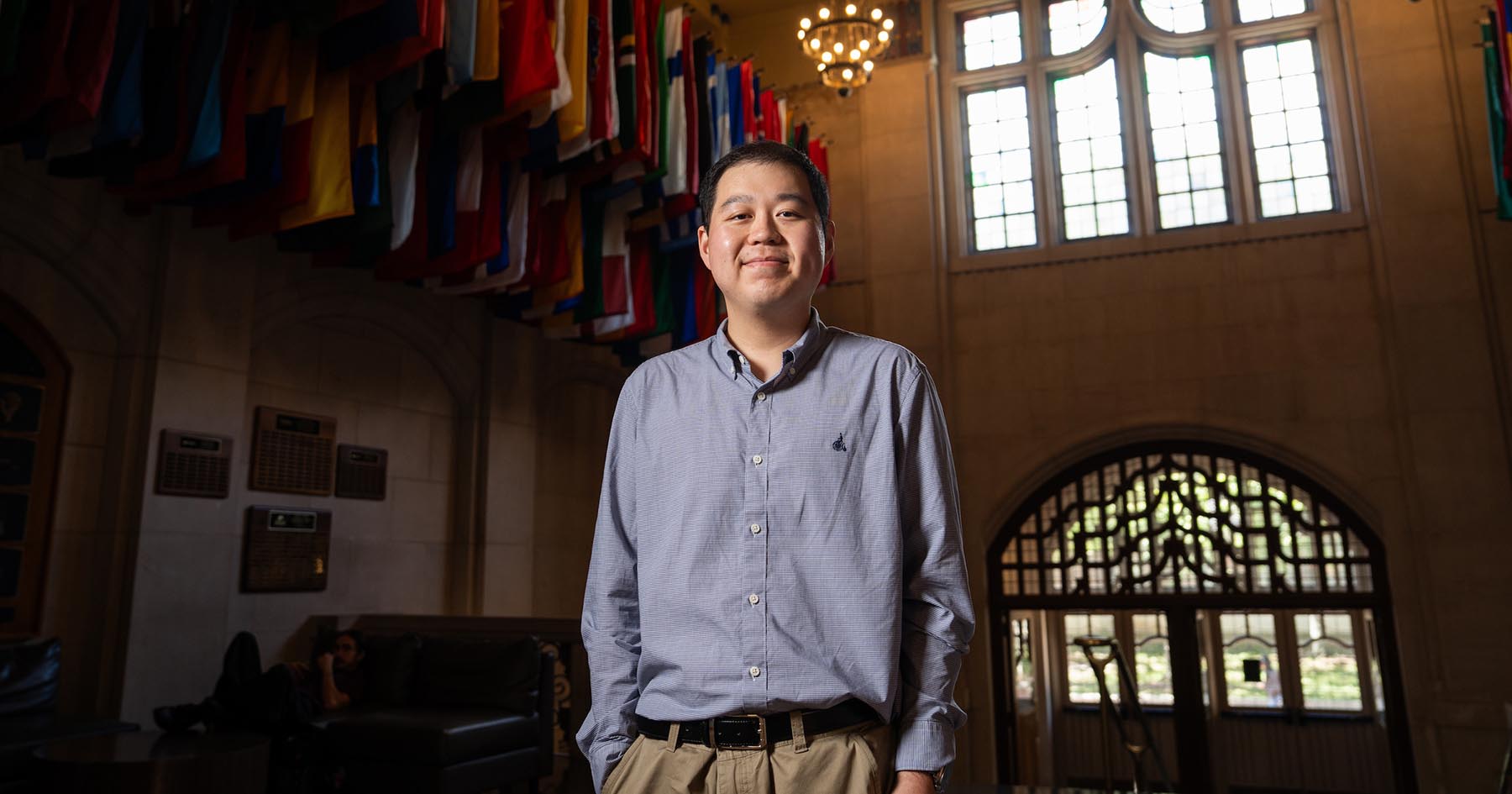
“Being at Purdue has changed my thinking entirely,” says Mingyu Zhao, a third-year...