

Harsh Pathak - Graduate Ag Research Spotlight
All the staff and professors have open-door policies so you don’t need to be hesitant to go in and ask for help.
- Harsh Pathak, Agricultural and Biological Engineering
The student
The city of Prayagraj, in northern India, is bustling year-round, with a population of some 10 million. But every winter it gets much busier, when another ten million or more Hindu pilgrims descend on the area for a ritual dip in the three sacred rivers that meet here. Every twelfth year, that number swells to hundreds of millions for the Kumbh Mela festival.
Growing up in Prayagraj, Harsh Pathak had a front-row seat to this huge flux of humanity, and the toll it took on the land: “we have soil, water, and biodiversity degradation, and there’s a huge demand for food supplies which causes an increase in commodity prices,” he says.
Seeing this inspired Pathak to study agricultural engineering, an area that seemed to offer potential solutions to this problem and many others. He got his bachelor’s degree at Sam Higginbottom University of Agriculture, Technology, and Science in India, Asia’s oldest agricultural university, and did his master’s studies at North Dakota State University. He’s now a fourth-year PhD candidate in agricultural and biological engineering (ABE) at Purdue.
The research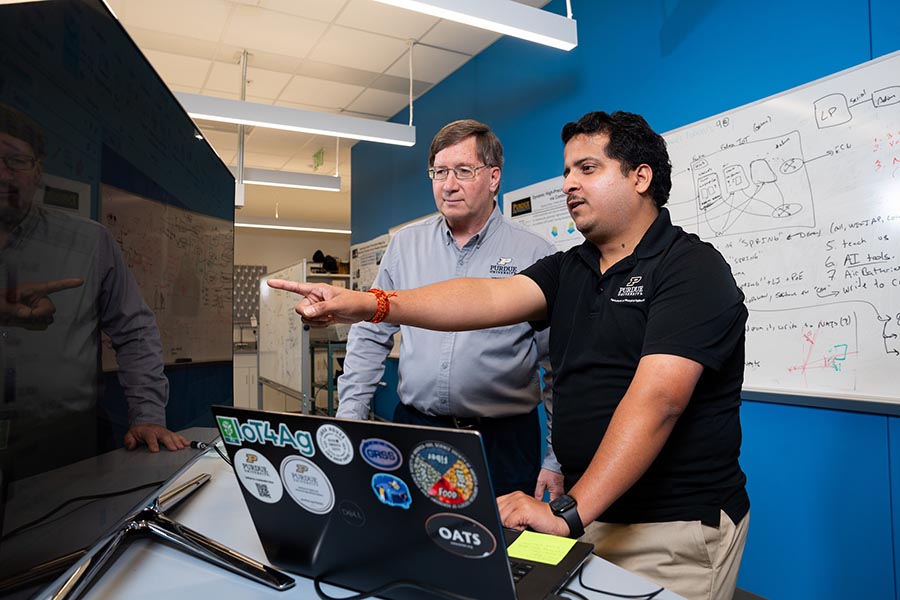
Pathak’s research, funded through IoT4Ag, a US NSF-funded Engineering Research Center, focuses on data science and digital agriculture, including data modeling and simulations, and remote sensing technologies. He’s particularly interested in tools that can be used by extension educators and even farmers themselves.
“I want the things that I develop, whether it’s a software or an algorithm, to be used by someone, and not stuck in an academic silo,” he says.
He chose Purdue for his PhD studies after meeting his current advisor, Dennis Buckmaster, at a conference, and learning about Purdue’s Open Ag Technology and Systems Center (OATS). OATS, a collaboration between the colleges of Agriculture and Engineering, is all about putting technologies in the hands of stakeholders.
“Dr. Buckmaster is one of the best mentors I’ve had in my entire life,” Pathak says. “He always shows confidence in your ideas and he’s always pushing you ahead a little.”
Pathak has recently been working on a user interface to help farmers choose optimal nitrogen fertilization strategies, as well as a project using remote sensors to predict corn yields.
“If farmers could have projections within the growing season, they could optimize their resources,” he says.
Opportunities
In his four years at Purdue, Pathak has been able to present his work at more than 20 venues. He’s won numerous awards, including Purdue’s Outstanding PhD Student Award. He’s also served multiple leadership roles in the ABE Graduate Student Association, worked as a TA, and volunteered with organizations around campus.
“ABE is the most welcoming department,” he says. “All the staff and professors have open-door policies so you don’t need to be hesitant to go in and ask for help.”
He also commends the staff, calling out ABE’s Graduate Program Administration Specialist Nicole Zimmerman for her Friday e-news roundups.
“She makes grad life at ABE very smooth and welcoming,” he says.
Future plans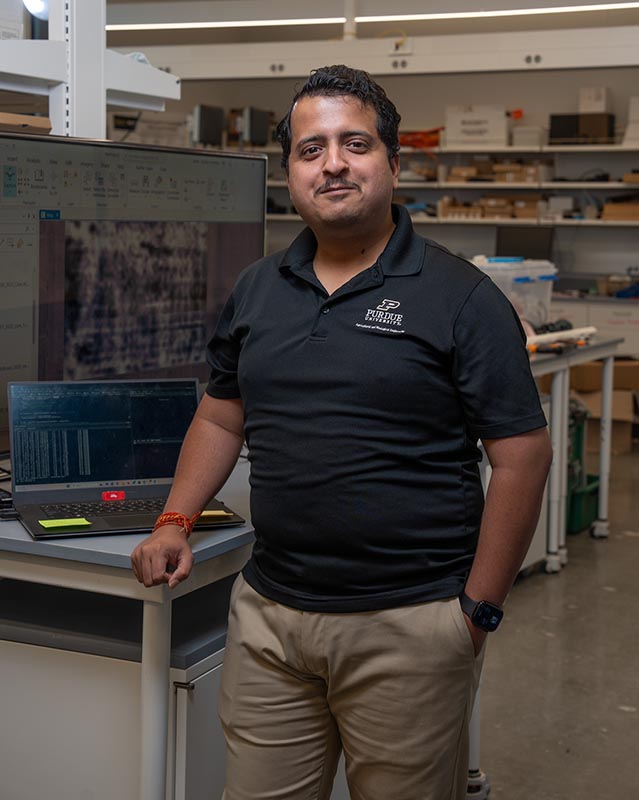
Pathak will graduate this December, and hopes to one day have his own lab, either in academia or in industry.
“I’m not sure yet – life is just as unpredictable as agriculture,” he says.
Whichever direction he goes, he knows he wants to continue developing useful tools for stakeholders.
In the meantime, he’ll enjoy his remaining semester at Purdue. When he’s not working, he likes playing racket ball, badminton, and disc golf – a sport he was introduced to by Dr. Buckmaster – cooking and attending the local Indian temple. Wherever he goes, he seems to make friends.
“I am a people person,” he says. “I love interacting with people and learning about their journey.”
Featured Stories
Carolyn Foley, a long-time member of the Purdue Forestry and Natural Resources (FNR) and...

In the September Purdue University/CME Group Ag Economy Barometer survey, 52% of respondents...
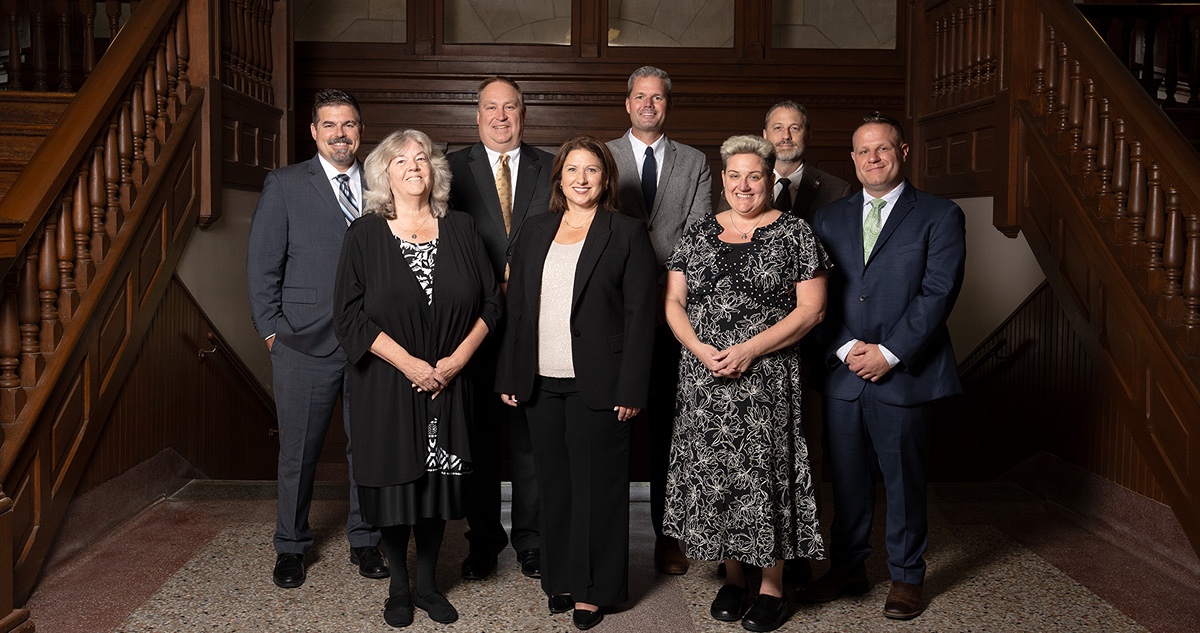
Purdue University’s College of Agriculture recognized nine alumni at the Distinguished...
Keep your eyes peeled across Indiana for the newly minted Purdue Forestry and Natural Resources...
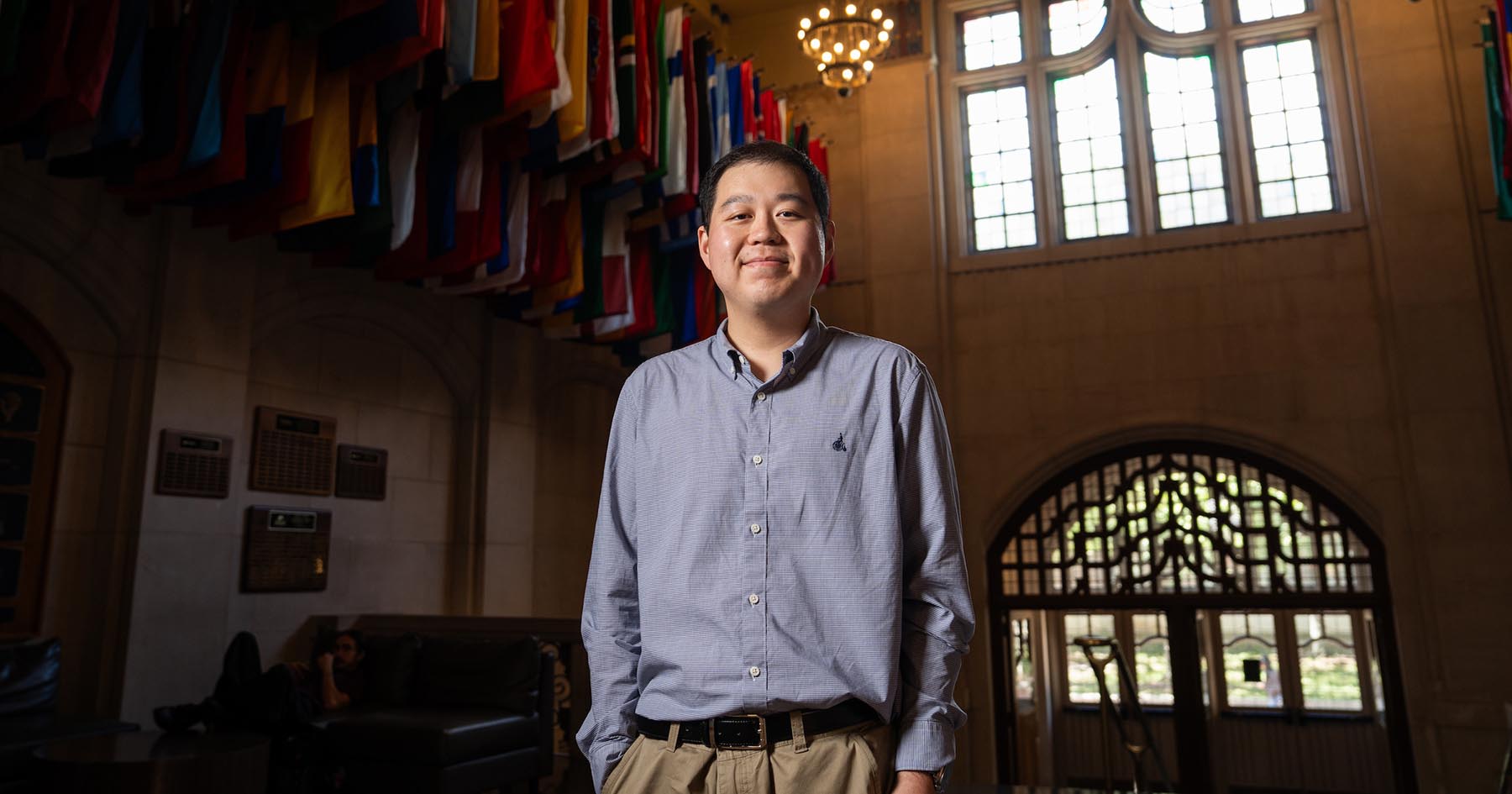
“Being at Purdue has changed my thinking entirely,” says Mingyu Zhao, a third-year...
Senior wildlife major Madison Medley spent her summer as a natural resource intern with Hamilton...