August 5, 2026
Crop and Livestock Producers: Different Sentiment, Similar Concerns and Challenges
by Michael Langemeier and Joana Colussi


Crop and livestock producers reported different views of the agricultural economy in the July 2026 Purdue University-CME Group Ag Economy Barometer (AEB) survey. Livestock farmers expressed stronger sentiment than crop producers, particularly regarding current economic conditions. Despite these differences, producers in both groups identified many of the same concerns, educational needs, and long-term challenges. This article compares sentiment among crop and livestock farms and examines the factors limiting their financial performance, their most pressing concerns, their risk management educational priorities, and the challenges they expect to face over the next five to ten years.
The Ag Economy Barometer is calculated monthly from a nationwide survey of approximately 400 U.S. agricultural producers. After three consecutive months of decline, farmer sentiment rebounded in July, with the overall index rising 13 points to 126. Both of its sub-indices also improved: the Index of Current Conditions climbed 20 points to 122, while the Index of Future Expectations increased 11 points to 129 (Langemeier and Colussi, 2026).
Producer Sentiment by Farm Type
Every month, respondents to the AEB survey are asked whether crop and livestock producers will have widespread good times or widespread bad times over the next five years. Separate questions are used for crops and livestock. These two questions are addressed to all respondents. In the July 2026 survey, 28% of respondents indicated that crop producers will have widespread good times, compared with 62% of respondents who said that livestock producers will have widespread good times.
The monthly survey also includes two questions related to livestock production. The first question asks producers whether their farm has a beef, hog, or dairy operation. The second question is addressed to respondents who answer the first question affirmatively and asks whether their livestock operation accounts for less than 25%, 25% to 50%, 50% to 75%, or more than 75% of their farm’s revenue.
We used the two livestock questions from the July 2026 survey to divide survey respondents into two groups. The first group (248 farms) derived less than 50% of their revenue from livestock production, and the second group (157 farms) derived 50% or more of their revenue from livestock production.
Producer sentiment among all respondents and for crop and livestock farms in the July 2026 survey is presented in Table 1. The average AEB index for livestock farms was 143, which was 27 points higher than the index for crop farms. The difference between the two groups was larger for current conditions than for future expectations. Crop farms were more optimistic about the future than about current conditions, while livestock farms viewed current conditions more favorably than future conditions.
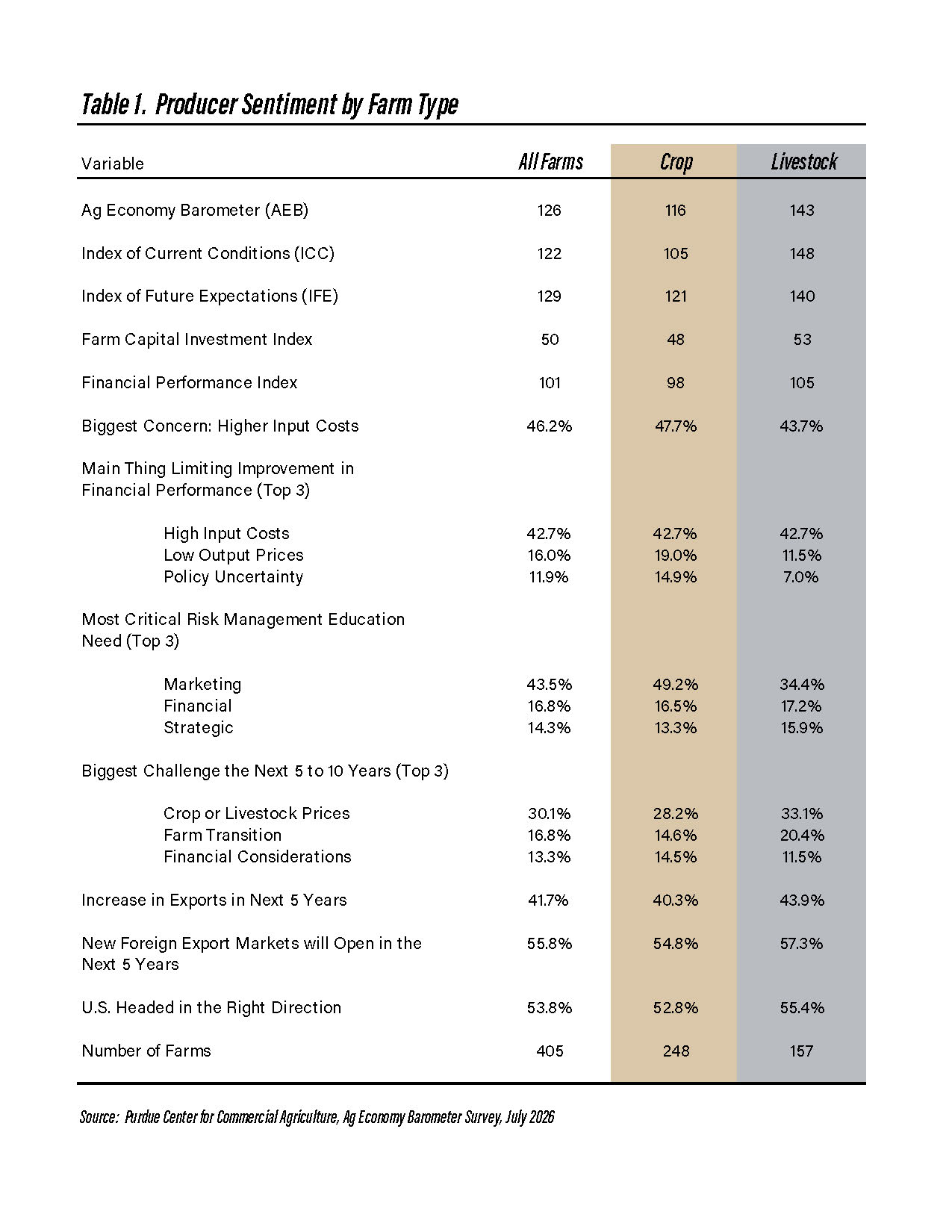
Table 1. Producer Sentiment by Farm Type
The Farm Capital Investment Index measures whether respondents think now it is a good time or a bad time to make farm investments, such as purchases of machinery and buildings. An index below 100 indicates that more respondents think it is a bad time than a good time to make such investments. In the July 2026 AEB survey, the index was 48 for crop farms and a slightly more optimistic 53 for livestock farms.
The Financial Performance Index measures whether a farm expects its financial performance to be better than, worse than, or about the same in the next 12 months. An index below 100 indicates that more farms expect their performance to be worse rather than better in the next 12 months while an index above 100 indicates that more farms expect their performance to be relatively better in the next 12 months. The average index for July was 101. The average index for crop farms was 98, while livestock farms, with a reading of 105, were more optimistic.
Another monthly AEB question asks respondents to identify their biggest concerns for their farm using the following response choices: lower crop and/or livestock prices, high input costs, environmental policy, farm policy, interest rates, and availability of inputs. High input costs were the biggest concern for both crop and livestock farms. Likewise, high input costs were identified by both crop and livestock producers as the most important factor limiting financial performance this year. Sentiment regarding exports in the next five years, the possibility of new export markets, and whether the U.S. was headed in the right direction or on the wrong track were similar between crop and livestock producers.
Most Critical Risk Management Educational Needs
The July 2026 survey included a question that asked respondents to identify their most critical risk management educational need for the upcoming year. Risk categories included production, marketing, financial, legal, human resources, and strategic. For both crop and livestock producers, marketing risk management was chosen as the most important educational need, selected by 49% of crop producers and 34% of livestock producers (see Figure 1). Financial risk was chosen by 17% of crop and livestock producers, and strategic risk was chosen by 13% of crop producers and 16% of livestock producers.
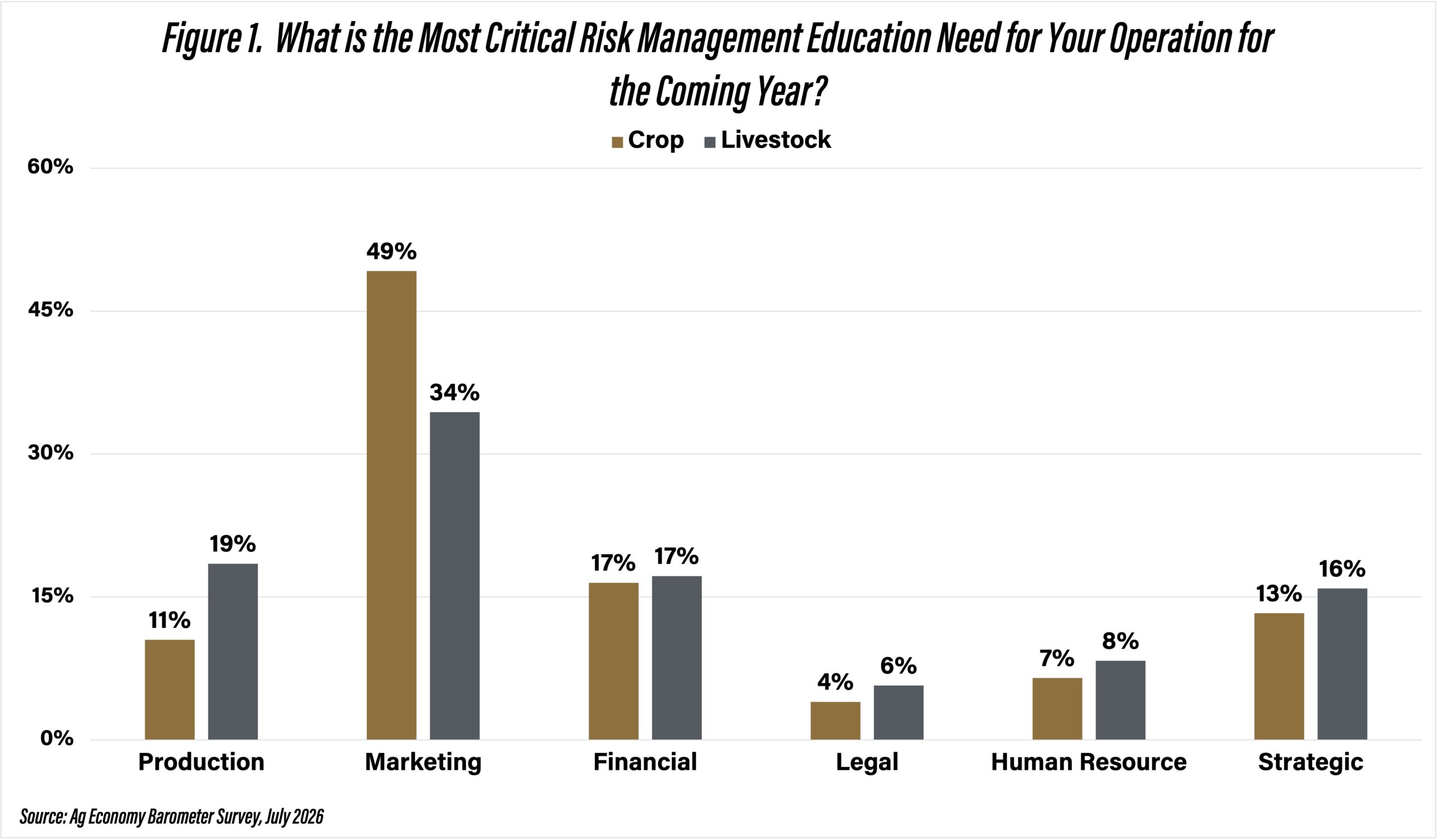
Figure 1. What is the Most Critical Risk Management Education Need for Your Operation for the Coming Year?
Biggest Long-Term Challenges
Respondents were also asked to select the biggest challenge to their operation over the next five to ten years given the following choices: crop or livestock prices, cost control, weather, farm transition, government programs, trade, and financial considerations. Consistent with answers to the risk management educational need question, crop or livestock prices were clearly the biggest challenge facing both crop and livestock producers, selected by 33% of livestock producers and 28% of crop producers (see Figure 2). Farm transition was chosen by 15% of crop producers and 20% of livestock producers as the biggest challenge, while financial considerations were selected by 15% of crop producers and 12% of livestock producers.
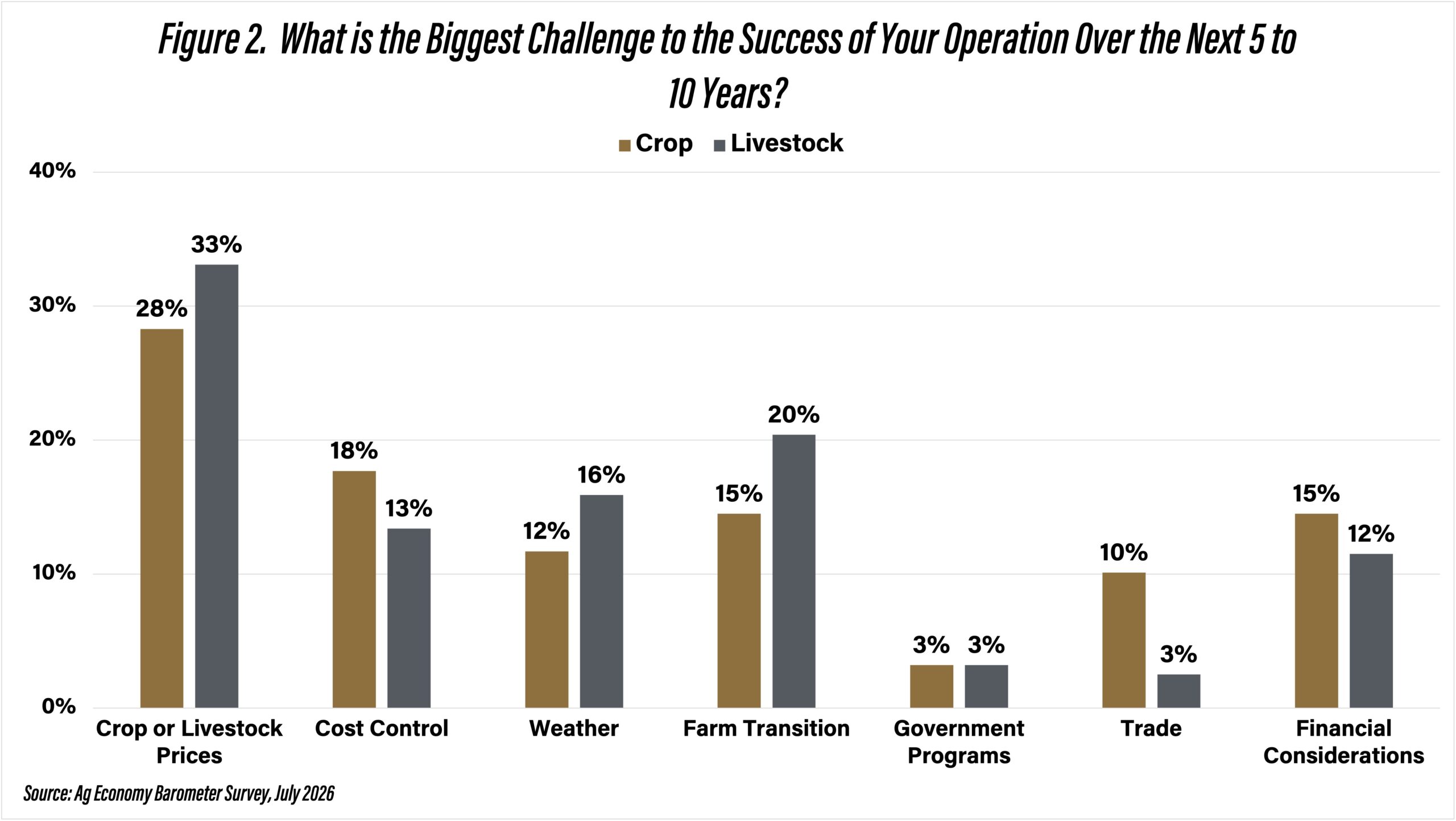
Figure 2. What is the Biggest Challenge to the Success of Your Operation Over the Next 5 to 10 Years?
Conclusions
Given the large differences in commodity prices received and projected net returns, it was not surprising to find a substantial gap in producer sentiment between crop and livestock producers in the July 2026 AEB survey. Other survey results, however, were more consistent across farm types. Input costs were the biggest concern and the most mentioned limiting factor to financial performance for both groups. Likewise, marketing risk management was the most important educational need by both crop and livestock producers, while output prices were identified as the biggest challenge facing respondents over the next five to ten years.
These similarities suggest that, although current financial conditions differ between crop and livestock farms, producers across both sectors are dealing with many of the same underlying pressures. Managing costs, improving marketing decisions, and responding to uncertainty in commodity prices will likely remain central to farm management strategies in the years ahead.
References
Langemeier, M. and J. Colussi. “After Three Months of Decline, Farmer Sentiment Rebounds in July.” Purdue University-CME Group Ag Economy Barometer, August 4, 2026. Available at: (https://ag.purdue.edu/commercialag/ageconomybarometer/).
TAGS:
TEAM LINKS:


RELATED RESOURCES
UPCOMING EVENTS
Join educators from across the Midwest to build skills for communicating soil health concepts on Nov. 4-5, 2026. In the field, we’ll evaluate the relationship between soil health and water management focusing on irrigation and edge of field practices. The in-service will have both classroom and on farm demonstrations.
The Land of Opportunity: A Conference for Farmland Owners will be held at two locations on October 5 and October 6, providing farmland owners with valuable information and resources to help them make informed decisions about their land. The conference will feature keynote presentations, educational breakout sessions, and networking opportunities designed specifically for those who own, manage, or have an interest in farmland.