
FarmLand Markets & Leasing Arrangements
Make smarter Decisions on land purchases, sales, & Rental Decisions
Whether you’re a farmer renting ground, a landowner negotiating terms, or both, evaluate opportunities and negotiate fair, data-driven land agreements.
Shortcuts:
Getting Started
Leasing Land Fundamentals
Before you enter your next lease discussion: understanding the pros and cons of common leasing arrangements, the role of market conditions and land values in cash rent negotiations, using flexible lease agreements to share risk and reward, and aligning lease terms with your farm’s business strategy.
Signature Publication
Purdue Farmland Value & Cash Rents Survey
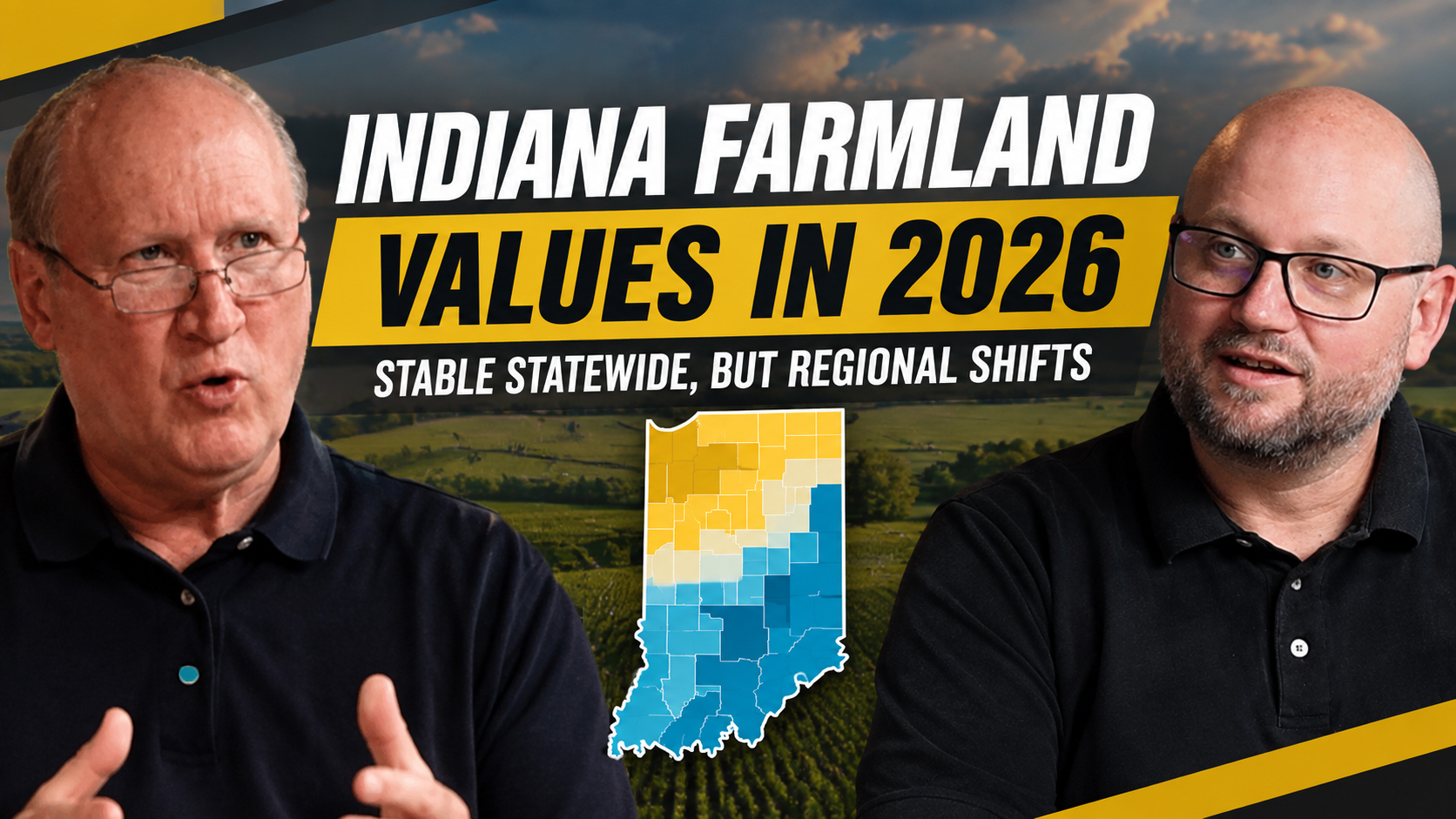
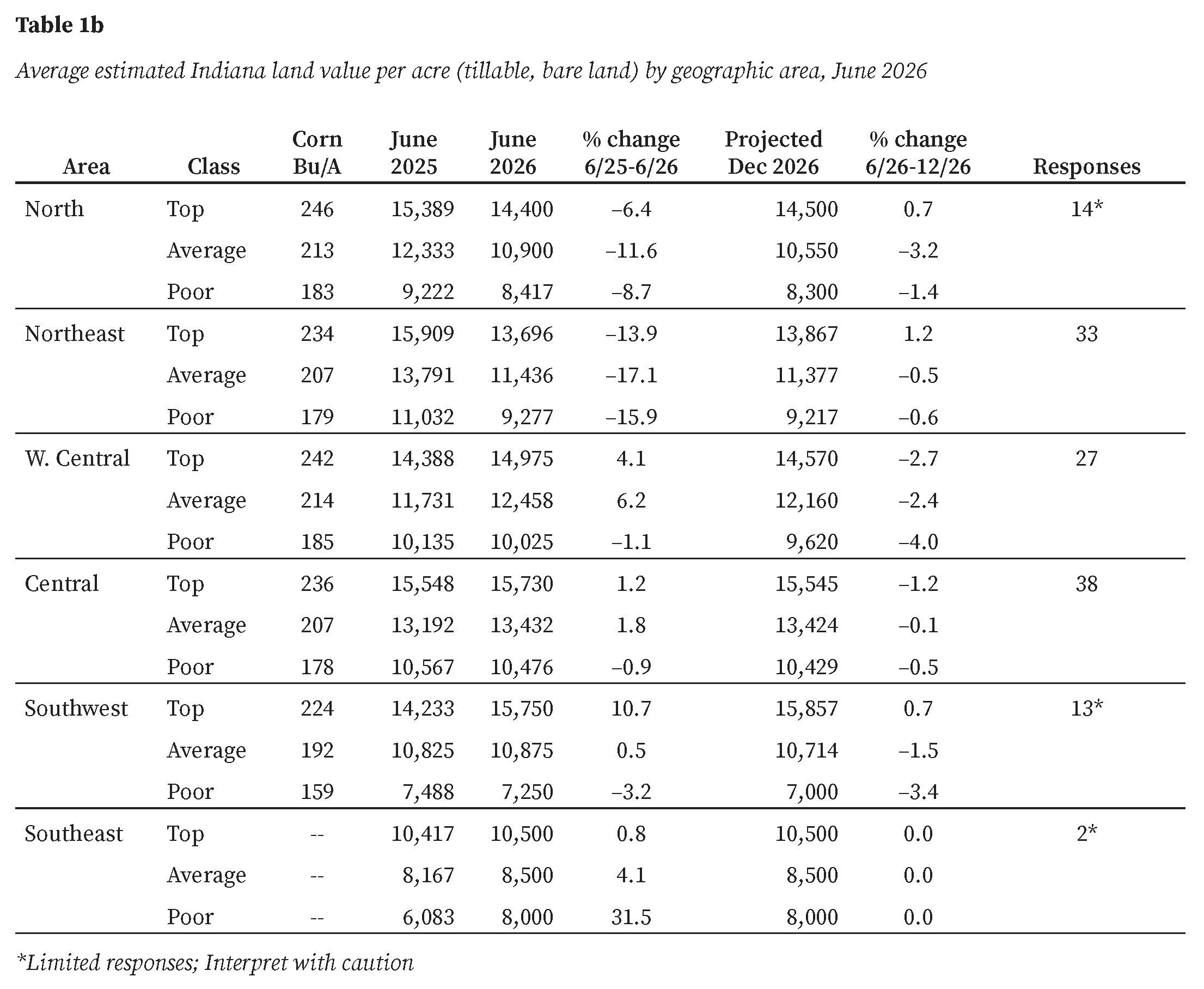
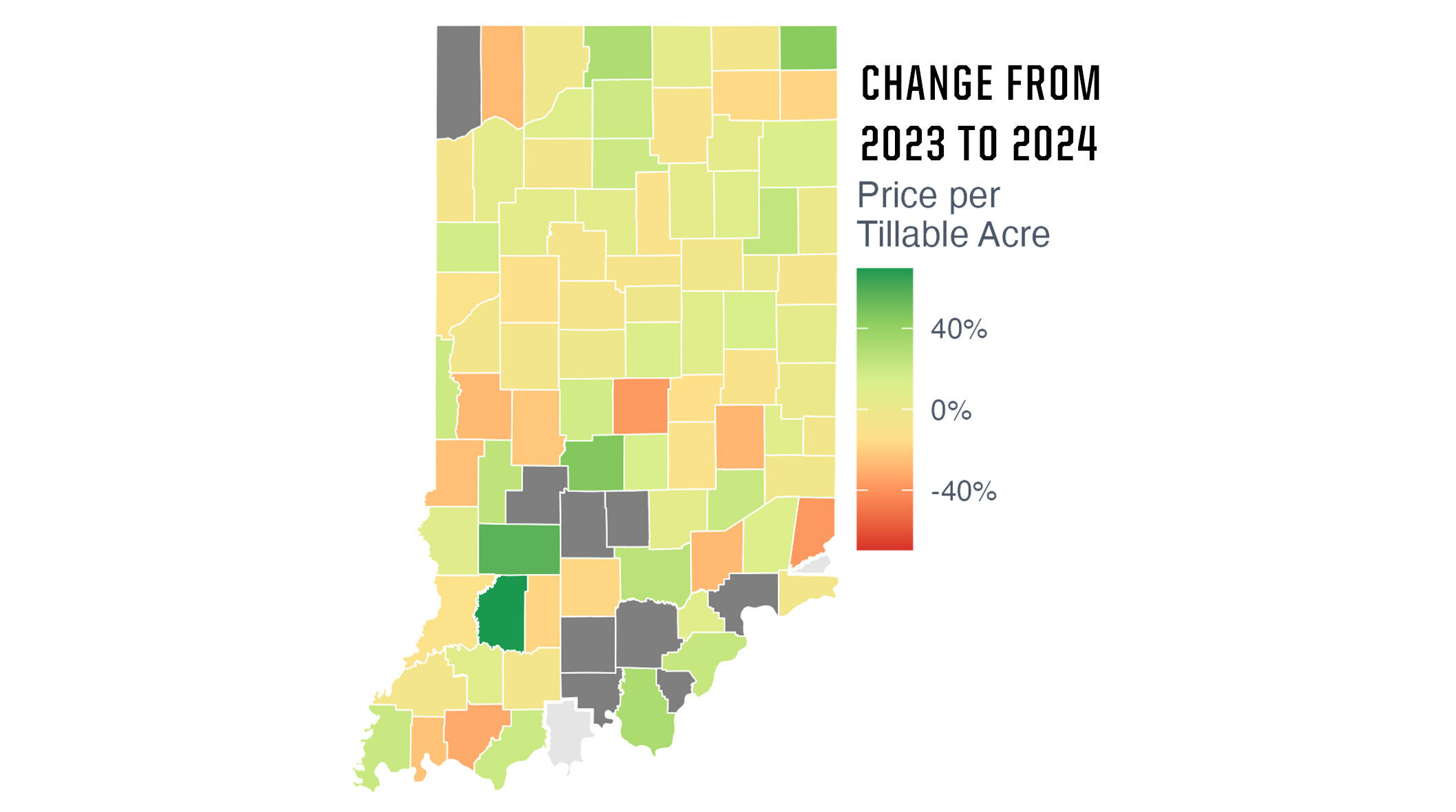
The latest survey shows Indiana farmland values held relatively steady in 2026, according to Purdue’s latest Farmland Values and Cash Rents Survey. Top-quality farmland averaged $14,909 per acre, up 0.6%, while average-quality farmland declined 1.1% to $12,121 and poor-quality farmland declined 3.1% to $9,460. So what’s that mean if you’re in the market for leasing farmland?
NEW Partnership
Acres.com Enhanced Insights
A leader in farmland transaction data, our partnership with Acres.com aims to enrich the availability of transaction-based farmland market in information, offering valuable insights to farmland owners, farmers, and agricultural stakeholders across Indiana.
Key Publications
Flexible Cash Rent Leases
Flex leases combine a base rent with a possibility of a bonus, which is typically based on gross revenue triggers or gross revenue above production costs plus base rent. Flexible cash rent leases enable a landowner to share additional income that results from unexpected increases in crop prices and/or yields. For the operator, risk is reduced as cash rent is lower if crop prices and/or yields are less than normal.
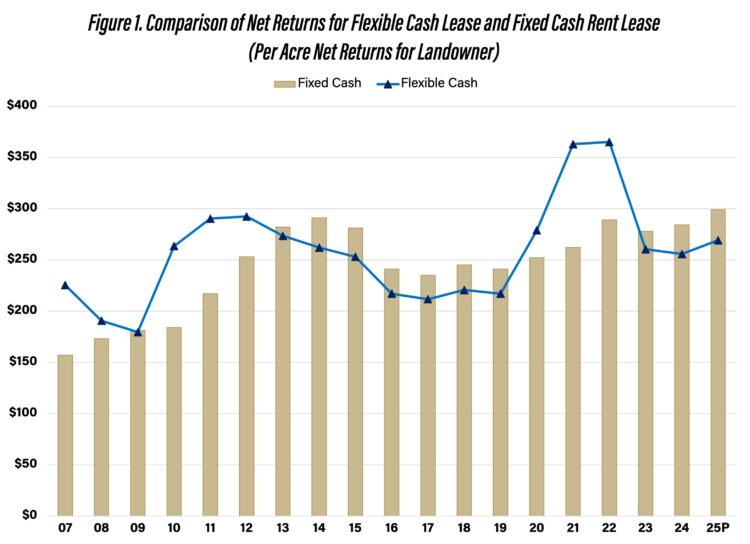
Which Farmland Lease Is Best? Fixed Cash Rent, Crop Share or Flexible Rent

Specialized Leases

Irrigated Ground, Pasture & Hay Leases
The 3-P’s of irrigation: pivot, pump, and power; the big three in pasture: fencing, water supply, and controlling noxious weeds; as well as cow-calf pairs and hay cash rental calculations. Offering practical advice for both landlords and operators on fair rental agreements.
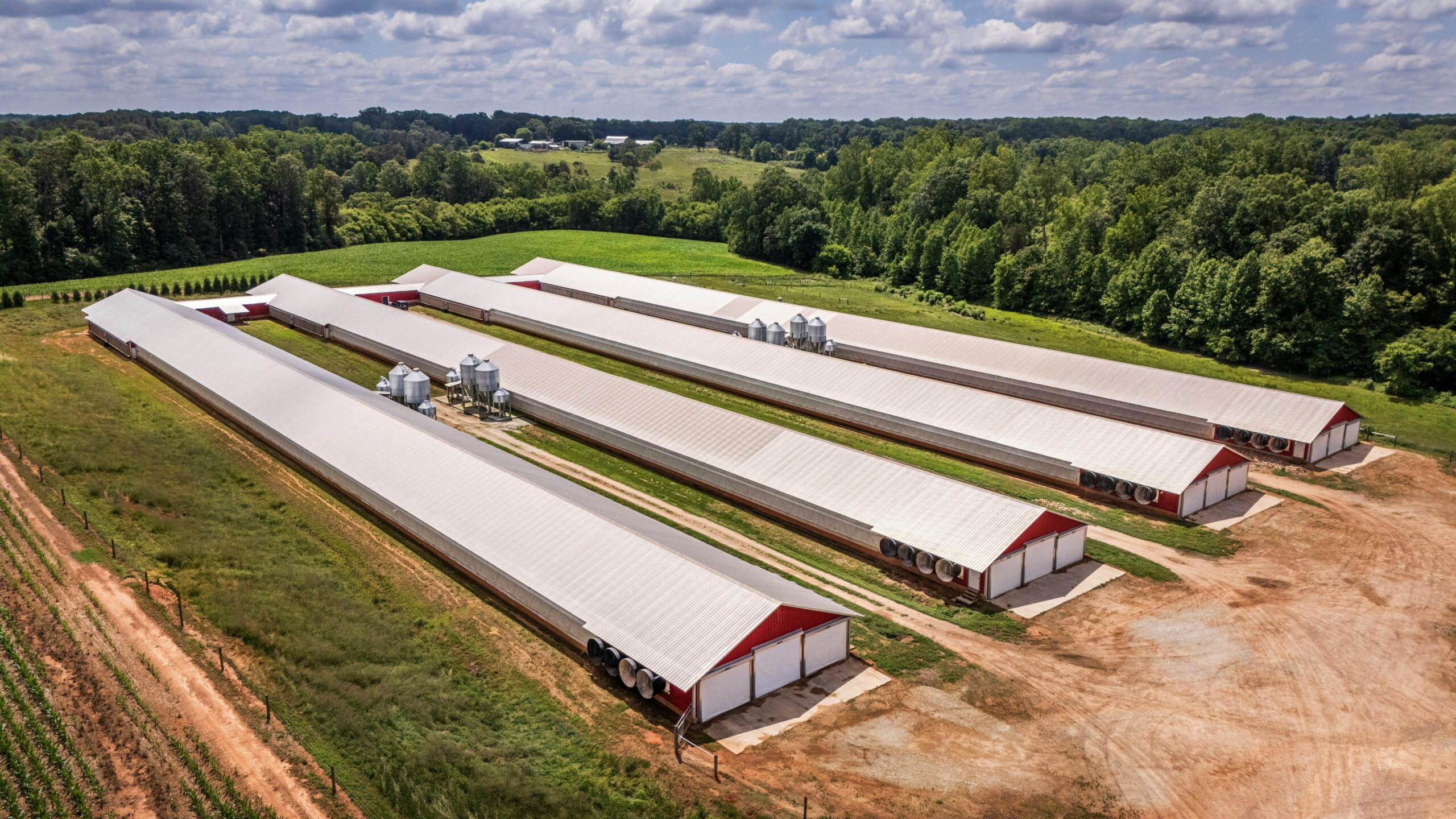
Rental Agreements for Farm Buildings & Livestock Facilities
Examines the major considerations in developing rental agreements for crop and livestock buildings and facilities from both the owner’s and operator’s points of view.
Recent Publications