

Industrial Microbiology and Biotechnology (IMB) (FORMERLY FERMENTATION SCIENCE)
Program transition notice: Purdue's Fermentation Science major has been renamed Industrial Microbiology & Biotechnology (IMB) to better reflect the program's focus on biotechnology, industrial microbiology, and bioprocessing.
Students beginning the application process for Fall 2027 and beyond will see Industrial Microbiology & Biotechnology in the Common Application. Students who enrolled prior to Fall 2027 may continue to see Fermentation Science in university records during the transition.
Explore endless opportunities
Industrial Microbiology & Biotechnology (IMB) is a major offered within Purdue University’s Department of Food Science that prepares students to use microbiology, chemistry, and biotechnology to grow and control microorganisms and turn them into useful products. We interact with products made through biotechnology every day—from the foods we eat, medicines we take, to the fuel in our vehicles, fabrics, enzymes in our detergents, and other products we use in our daily lives. Students learn how to develop and improve processes used to produce everything from fermented foods and beverages to biofuels, sustainable chemicals, enzymes, pharmaceuticals, proteins, and antibodies.
Through hands-on laboratory experiences, students learn microbial cultivation, fermentation, bioprocessing, and analytical techniques, while gaining an understanding of how an idea moves from the laboratory to commercial production. As industries increasingly look for sustainable ways to produce food, chemicals, materials, and medicines, the demand for people who understand how to use biology to solve real-world problems continues to grow. IMB graduates are prepared for careers across the growing biotechnology and biomanufacturing fields—and to help shape how the products we rely on every day are made in the future.
Contact Us
Industrial Microbiology & Biotechnology
fermsci@purdue.edu
745 Agriculture Mall Drive
West Lafayette, IN 47906
(765) 494-8256
what is BIOPROCESSING?
Bioprocessing is the use of biological systems, including microorganisms, cells, enzymes, and other biological components, to develop and manufacture valuable products that improve our lives. Bioprocesses combine microbiology, biotechnology, and chemistry to grow, modify, and control biological systems for the production of everything from foods and ingredients to medicines, biofuels, and sustainable materials.
These processes include fermentation, where microorganisms are used to produce useful compounds such as organic acids, enzymes, proteins, and flavor compounds, as well as advanced technologies used to manufacture products such as vaccines, insulin, and therapeutic proteins. Biological products created through bioprocessing are part of our everyday lives, found in the foods we eat, the medicines we rely on, and the sustainable solutions needed to address global challenges.
As demand grows for healthier foods, innovative medicines, renewable resources, and environmentally responsible manufacturing, professionals trained in industrial microbiology and biotechnology will play a critical role in developing the next generation of biological products and processes.
careers in Industrial Microbiology and Biotechnology (IMB)
Where can an IMB degree take you?
Graduates can pursue careers in a wide range of industries, including:
- Industrial Microbiology – microbial culture, strain development, and quality control
- Bioprocessing & Fermentation – scale-up, fermentation, and process optimization
- Biopharmaceuticals – production of vaccines, therapeutic proteins, antibodies, and other biologics
- Biotechnology & Life Sciences – research, product development, and manufacturing
- Food & Beverage Fermentation – brewing, distilling, fermented foods, and ingredients
- Biofuels & Sustainable Bioproducts – renewable fuels, chemicals, and materials
- Research & Development – developing new microbial processes and biological products
- Process & Manufacturing – production, scale-up, validation, and process improvement
- Quality Assurance & Quality Control – ensuring products and processes meet industry standards
- Technical Sales & Business Development – connecting biotechnology products and technologies with industry
IMB graduates aren't limited to one industry, they are prepared to take what they know about microorganisms and bioprocesses and apply it wherever biotechnology is being used to create something new. Scroll to the end of this page to explore the diverse careers and opportunities our graduates are pursuing!
Is IMB The right fit for you?
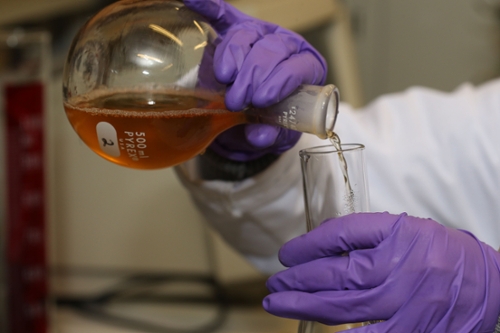
- Do you like science, chemistry, biology, microbiology, and engineering?
- Do you want to work in industries tackling some of our biggest societal challenges?
- Are you interested in the food, beverage, biopharmaceutical, biofuels, and/or biotech industries?
- Are you interested in producing protein from microbial sources?
If you can answer YES to some of these questions, talk to our IMB academic advisor, Patrick Tiffany, ptiffan@purdue.edu, about a bachelor's degree in IMB or send us an email to our general mailbox below!
plan of study
Purdue University's IMB bachelor degree program consists of 120 credit hours that can be completed in 8 semesters on the West Lafayette, Indiana campus. The Purdue University catalog lists the detailed requirements and list of IMB courses.
Bachelor of Science Degree IMB Major Details and Plan of Study
Note: The program is currently undergoing a name change to IMB. The Purdue University catalog will list this major as "Fermentation Science" until Fall 2027. This is the same major as IMB.
Student Testimonial- Sara Thomason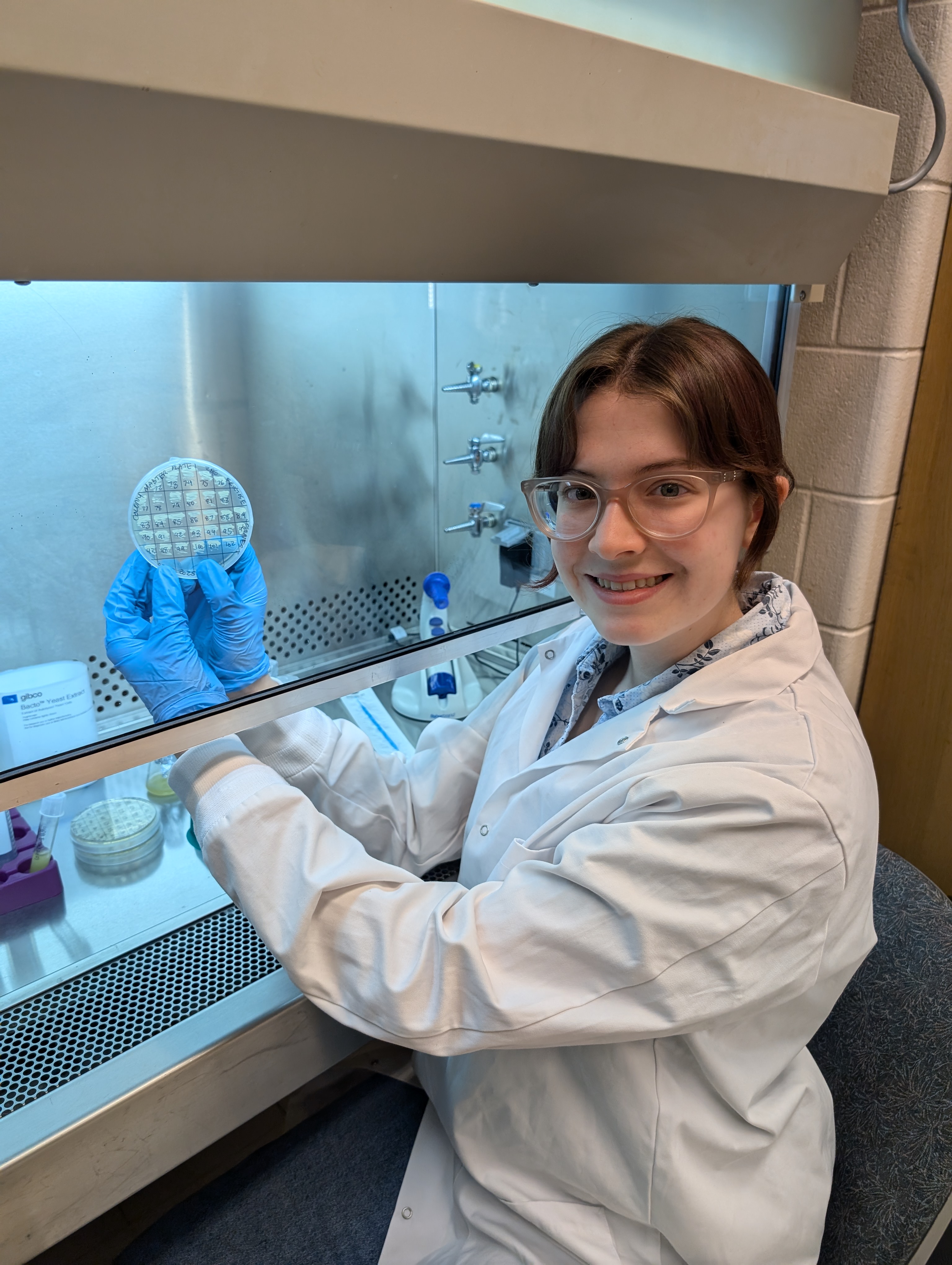
"Hello! My name is Sara Thomason, and I am a senior double majoring in Food Science and Fermentation Science. I will be graduating in May 2025, and I am also a part of the Honors College and the Dean's Scholars Program.
My journey into the field of Fermentation Science began in my freshman year through introductory Food Science courses. Initially, I pursued a minor in Fermentation Science, but my growing interest in food and beverage fermentations, microbiology, and metabolic engineering led me to switch to a double major.
Over the summer of 2024, I had an internship with Sargento in Elkhart Lake, WI. Within this internship, I had the opportunity to lead fermentation trials for a cultured dairy product. I used the knowledge I gained from my classes at Purdue, like food and fermentation microbiology and food processing. Now, I have a much greater understanding of dairy fermentation and cheese analysis.
I have also performed undergraduate research in Dr. Eun Joong Oh's bioprocessing laboratory. In Dr. Oh's lab, under the mentorship of Fransheska Semidey, I conducted adaptive laboratory evolution to develop a yeast strain capable of co-fermenting multiple sugars simultaneously
during bread dough fermentation. Additionally, I gained expertise in chromatography techniques for fermentation analysis.
Upon graduation, I plan to work as a researcher, either as a lab technician or R&D food scientist, for a few years. Following that, I intend to pursue a master’s degree in Food Science or Fermentation/Biotechnology to further my expertise in the field."



Our department offers scholarships specifically for students pursing a food science or IMB degree. Every year over 50% of our students receive scholarships totaling over $150,000! Check out the Purdue College of Agriculture Scholarship page for details.
In 2020, the market size of industrial biorenewable products produced largely by bioprocessing was $475 billion and has grown recently at a compound annual growth rate of ~20%. Every year, more IMB scientists are needed to fill the jobs created in this growing sector.
The U.S. national average for an entry level bachelor's degree food scientist is ~$60,000 per year. This is comparable to IMB scientists. As IMB scientists grow in their careers, they can expect to earn over $100,000 per year.
A Career in IMB
Take your next giant leap
Discover the Purdue IMB program! Set up a visit with the Food Science department to see if IMB is the right fit for you.
Visit Purdue