

Needles in a snowbank, finding the right species of Christmas tree
Farming cycles out of the spotlight after harvest, yet many families make their most calculated and celebrated plant purchase every winter. The Education Store contains digital and physical resources on a wide range of subjects. The publications are authored by experts on each topic, among them recently retired professor of forestry and natural resources, Daniel Cassens. He also served as the Extension wood products specialist.
This year, Cassens celebrates 40 years since he began operations at his tree farm in West Lafayette. Cassens Trees won the Indiana Grand Champion Tree contest for the third time in 2015. His expertise led Cassens to write Selecting an Indiana-Grown Christmas Tree, a publication available for free download. Much of the information in this guide stems from there.
Scotch Pine

+ Very easy to care for
+ Excellent needle retention
+ Holds heavy ornaments
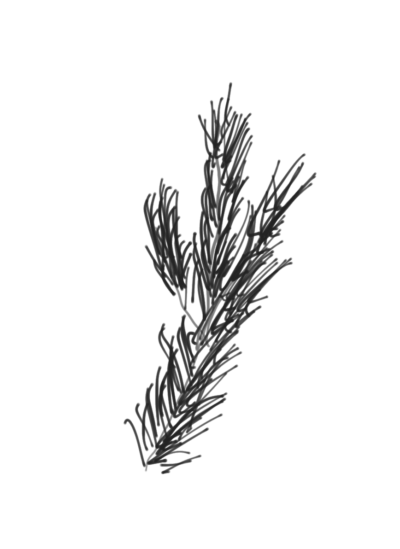
- Lasting pine smell
- Most common species
- Range of colors
Eastern White Pine
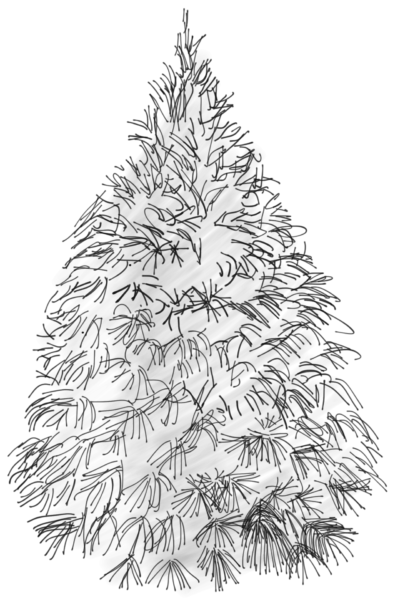
+ Better for allergies
+ Soft needles
+ Excellent needle retention
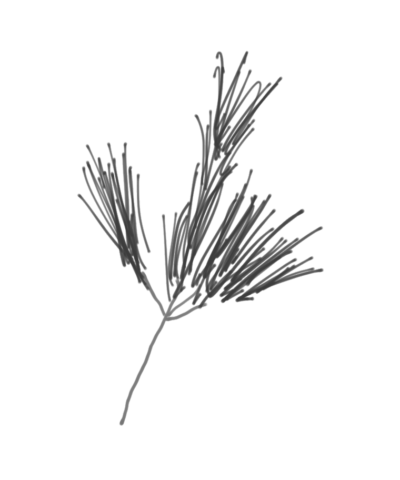
- Little aroma
- Popular
- Blue to silver green
-Weakest branches
Douglas Fir

+ Soft needles
- Fragrant
- Popular
- Short needles
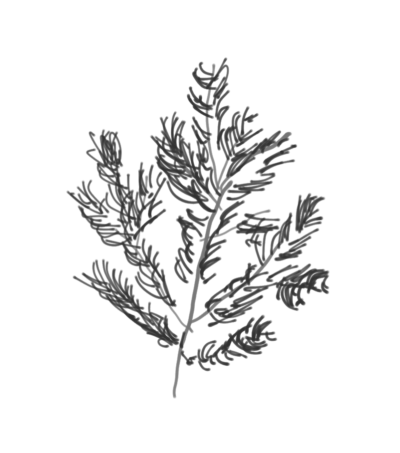
- Dark or blue green
- Low branch strength
-Lower needle retention than other traditional trees
Fraser Fir

+ Excellent needle retention
+ Upturned branches for easy transport
+ Stiff branches
+ Extremely full
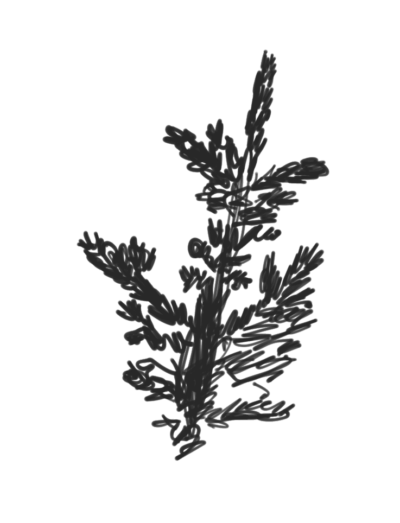
- Fragrant
- Short needles
- Dark, silvery green
-Fullness causes decorating to be limited to branch tips
Canaan Fir

+ Excellent needle retention
- Fragrant
- Very similar to Fraser Fir
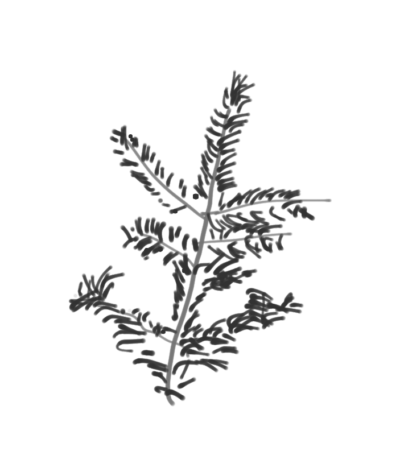
- Dark green
- Short needles
- Low branch strength
Concolor (White) Fir

+ Excellent needle retention
+ Stiff branches
- Variety of colors
- Citrus smell
- Uncommon
- Silvery blue
Blue Spruce
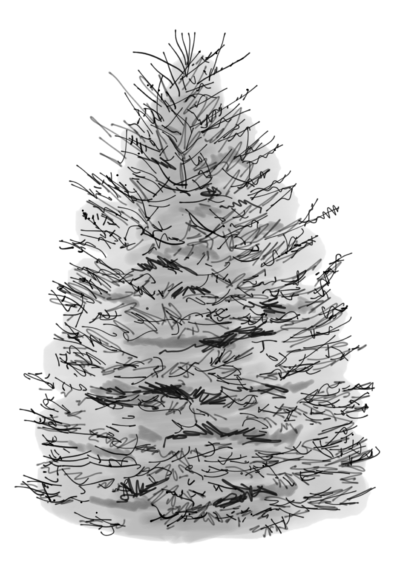
+ Stiff branches
+ Natural symmetry
- Pungent
- Common landscaping or living Christmas tree
- Unique blue color
-
- Very sharp needles
- Needs water quickly after cutting
-Low needle retention
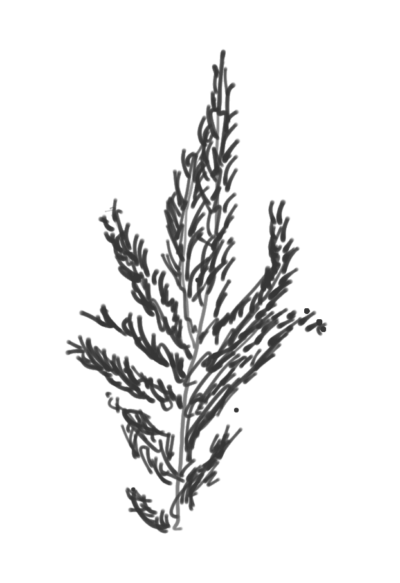
Norway Spruce

+ Stiff branches
- Pungent
- Common tree in landscaping, wind-breaking, or as a living Christmas tree
-
Lighter green
- Needs water quickly after cutting
-Low needle retention
Featured Stories

Maksym Chepeliev, a leading international scholar recognized prominently for his work in...

In recent years attendees at Purdue Agriculture alumni, donor, and faculty and staff events have...

People think grass is simple. Lawns, right? Mow regularly and add some water and fertilizer. What...

The Office of Indiana State Chemist (OISC) is warning Indiana residents about an illegal...

A prominent protein on most human cells may be key to unlocking the code that makes humans...
Ava Hoskins, a double major in aquatic sciences (fisheries concentration) and natural resources...