

Resounding question drives Ricker-Gilbert's research
From his early days as an undergraduate, Purdue Agricultural Economics Professor Jacob Ricker-Gilbert was driven by a single question: Why is there inequality in the world? Responding to that question took him from the University of Vermont and his first international experience in Honduras to Virginia Tech where he conducted research in Bangladesh. And, after a few years working at USDA, he went to Michigan State University to complete his doctorate. There he joined many of his colleagues in researching and addressing economic inequity in Africa— a focus he has continued since arriving at Purdue in 2011.
Ricker-Gilbert’s research and extension program has gained him international recognition. He has also been honored by Purdue as a university faculty scholar in 2020 and won the Lowell S. Hardin Award for Excellence in International Agriculture in 2024. This year Ricker-Gilbert will be presented with the College of Agriculture’s Research Award, acknowledging the impact and reputation of his work.
Ricker-Gilbert shared what the award means to him, “This means a lot to me because it is a college level recognition across all departments and a recognition of social science research and international work.”
Agricultural Economics Department Head Nicole Widmar nominated Ricker-Gilbert for the award and recounted the impact of his work, “Dr. Ricker-Gilbert has developed an impactful, well-funded, and internationally recognized research program around the economics of sustainable smallholder agricultural intensification, mainly focused on sub-Saharan Africa (SSA). He has published 53 peer-reviewed articles in top development economics, agricultural economics, and multi-disciplinary fields. He has been part of more than $40 million in external grants and mentored 20 graduate students.”
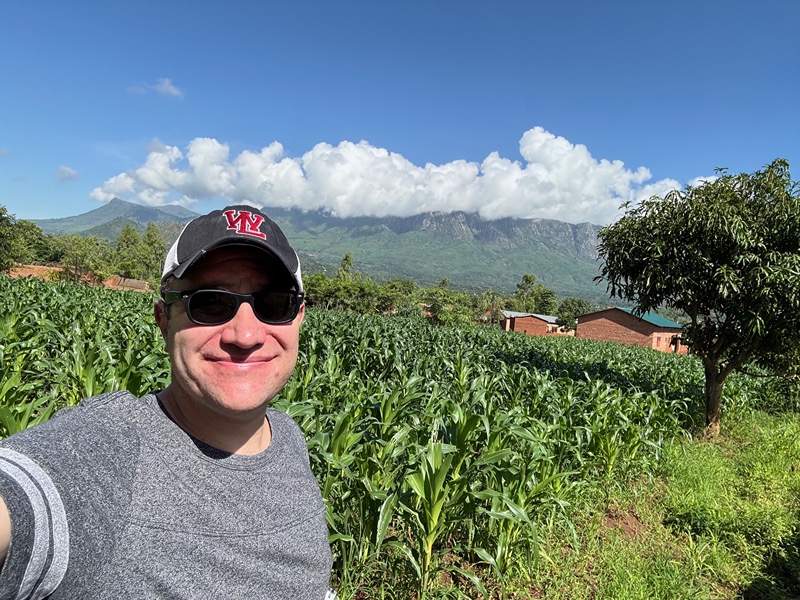 Ricker-Gilbert at a maize field in southern Malawi.
 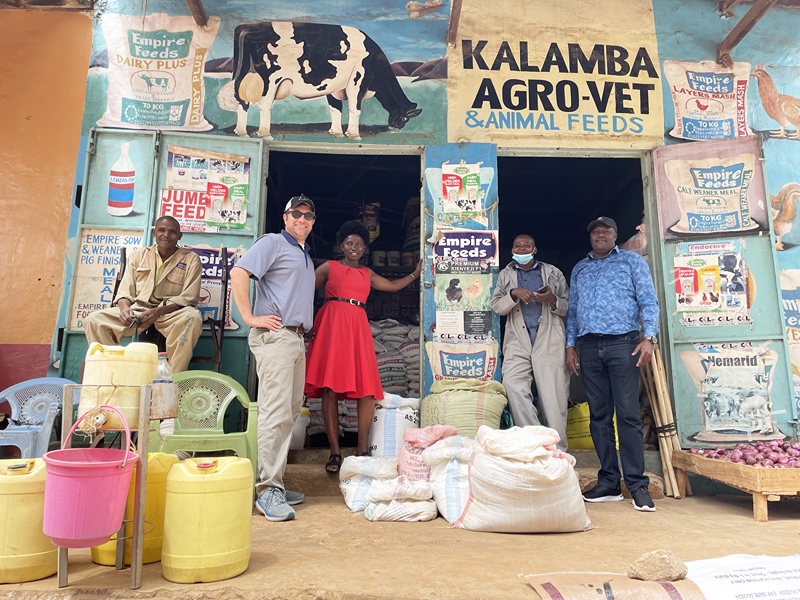 Ricker-Gilbert with an agricultural input seller in Kenya.
 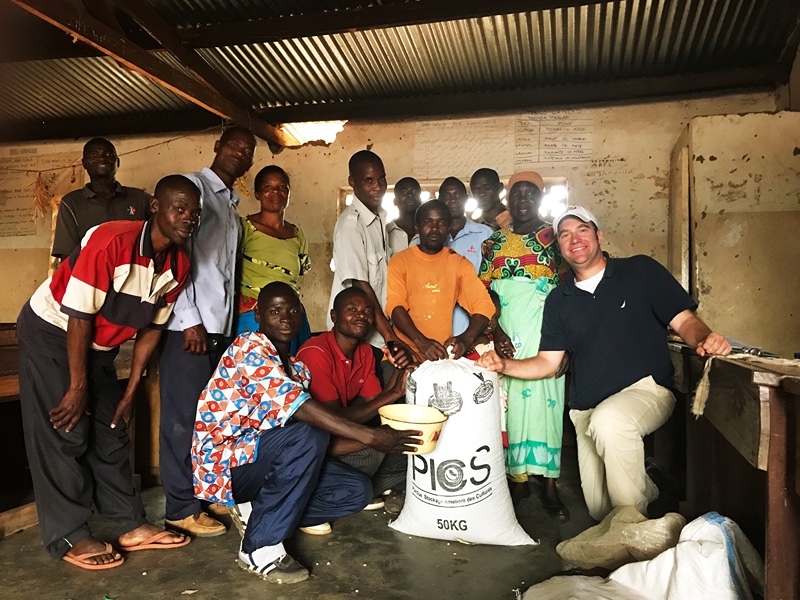 Ricker-Gilbert with farmers who use the PICS bag.
 Ricker-Gilbert describes what still drives his research, “When I think about the problems people face, I think about why.” His extensive research on post-harvest loss in SSA included working with the Purdue Improved Crop Storage (PICS) team. “It comes down to how do you manage one harvest a year to feed your family. PICS is now part of that solution.” He explains that part of his role was using research to demonstrate that everyone from low-resource farmers to large businesses could benefit from using PICS bags.
Ricker-Gilbert also led the USAID- funded Feed the Future Innovation Lab for Food Processing and Post-Harvest Handling (FPIL). He worked with colleagues from the governments of Kenya and Senegal to disseminate and scale post-harvest loss-reducing technologies. These included low-cost grain dryers, low-cost moisture meters and affordable grain storage systems.
“One of the things I’m proud of is that I’ve had the chance to work with local researchers and government officials to raise the awareness of post-harvest loss and make that a part of national extension programs in those countries,” said Ricker-Gilbert.
Ricker-Gilbert says that one of the most fulfilling parts of his job is to see the graduate students he has worked with learn at Purdue, graduate and go on to be successful. “Throughout the year, we have weekly lab meetings where I’ve had the chance to see students contribute and assist each other. I couldn’t do my research without them because they are the ones in the field collecting data and sharing their experiences and reflections.”
Featured Stories
Maksym Chepeliev, a leading international scholar recognized prominently for his work in...
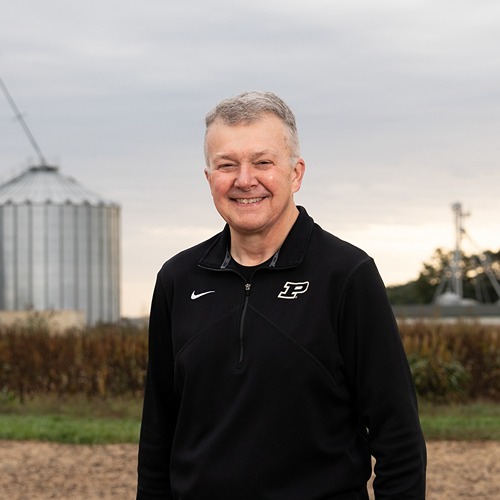
In recent years attendees at Purdue Agriculture alumni, donor, and faculty and staff events have...
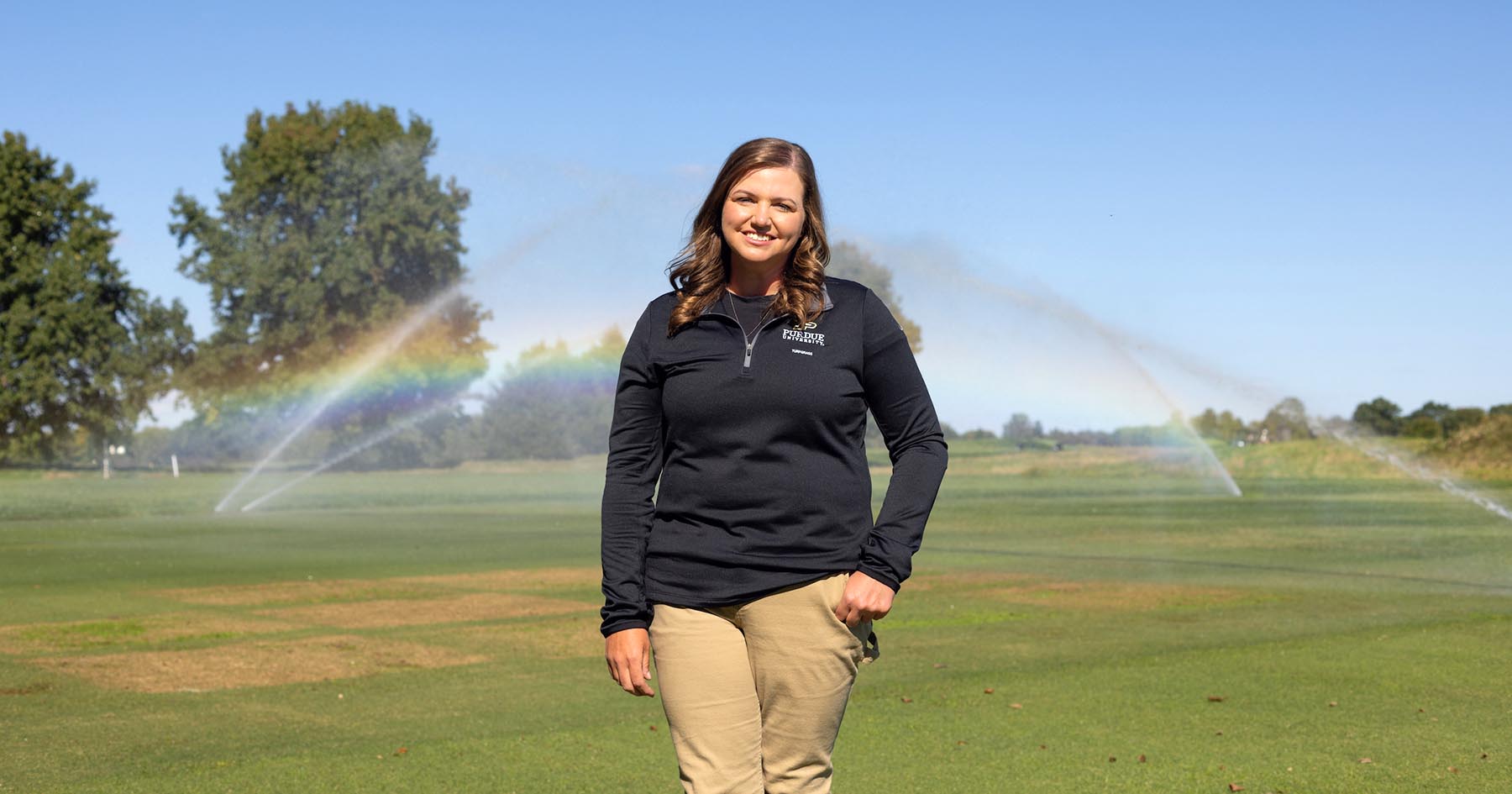
People think grass is simple. Lawns, right? Mow regularly and add some water and fertilizer. What...

The Office of Indiana State Chemist (OISC) is warning Indiana residents about an illegal...
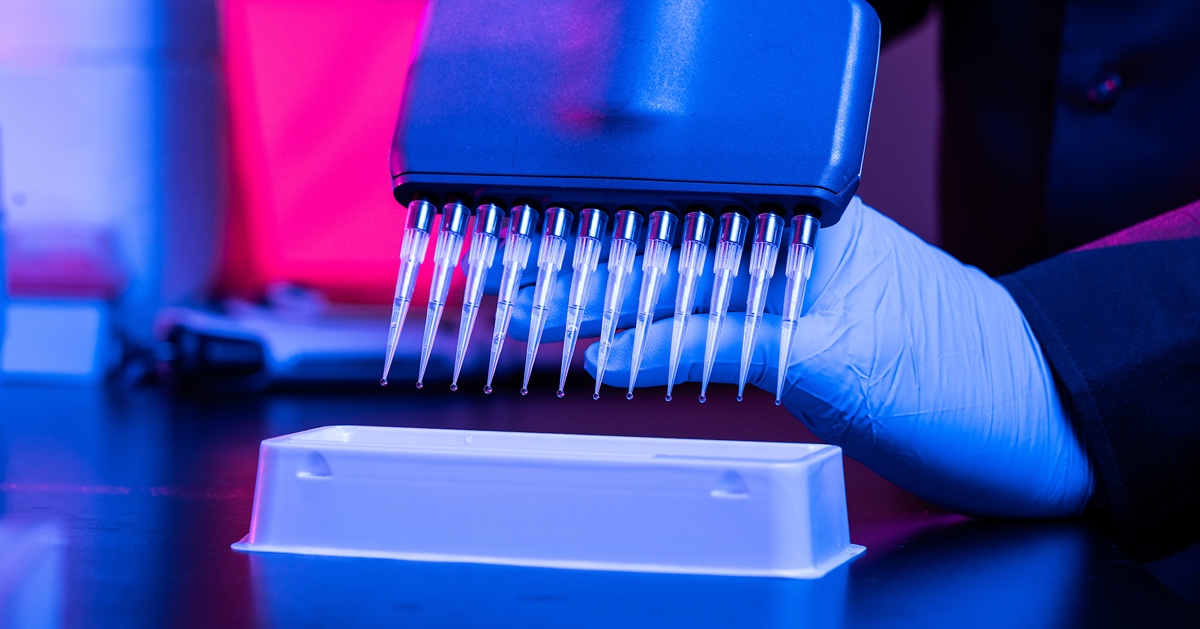
A prominent protein on most human cells may be key to unlocking the code that makes humans...
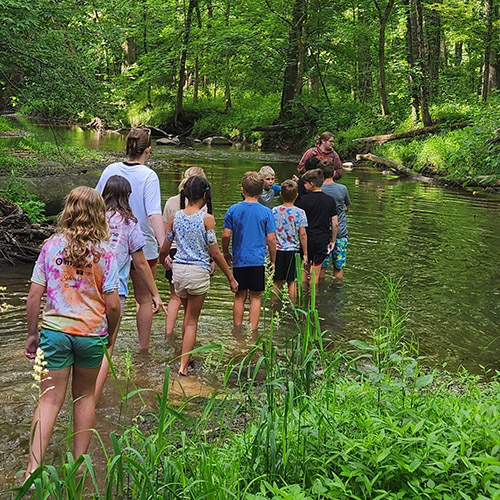
Ava Hoskins, a double major in aquatic sciences (fisheries concentration) and natural resources...