

Ag Boilers Abroad: Learning from Iceland's resilient landscapes
Studying abroad is more than an opportunity to visit a new place.
“Studying abroad and immersing yourself in another culture is transformational and invaluable,” said Christie Shee, clinical assistant professor of natural resources and environmental science. “I want to be a mentor for that experience.”
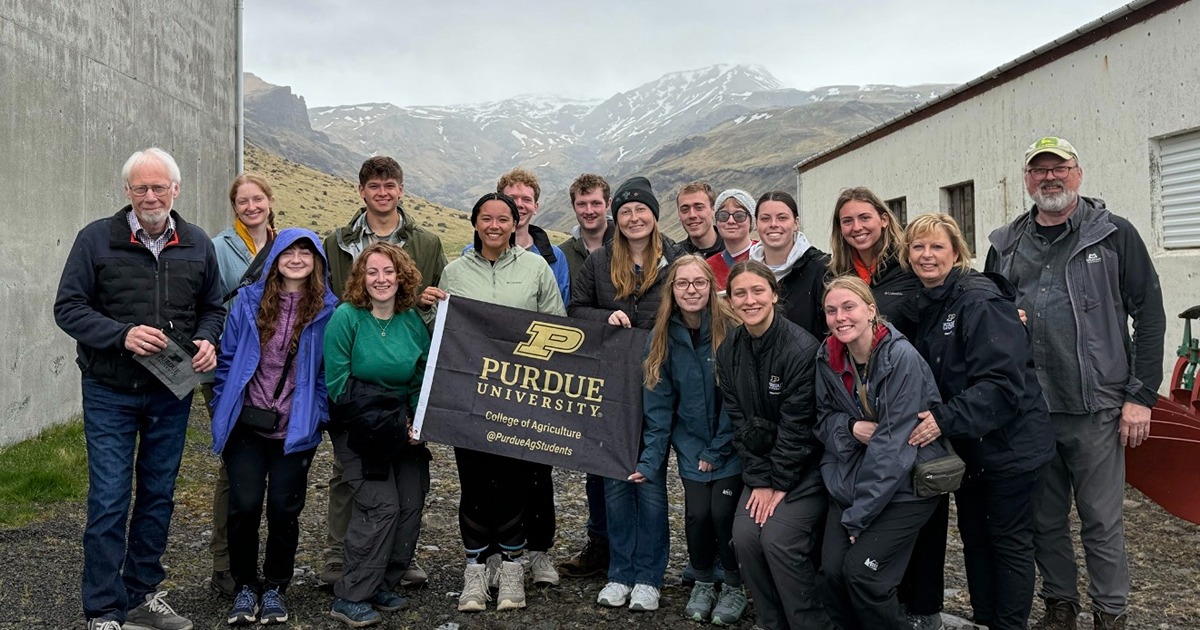
Shee and Christine Wilson, senior associate dean and director of academic programs, co-developed Purdue Agriculture’s new Iceland: Food, Farming and Sustainable Futures study abroad program. Together, they led the first group of 14 students during a 10-day trip in May 2026.
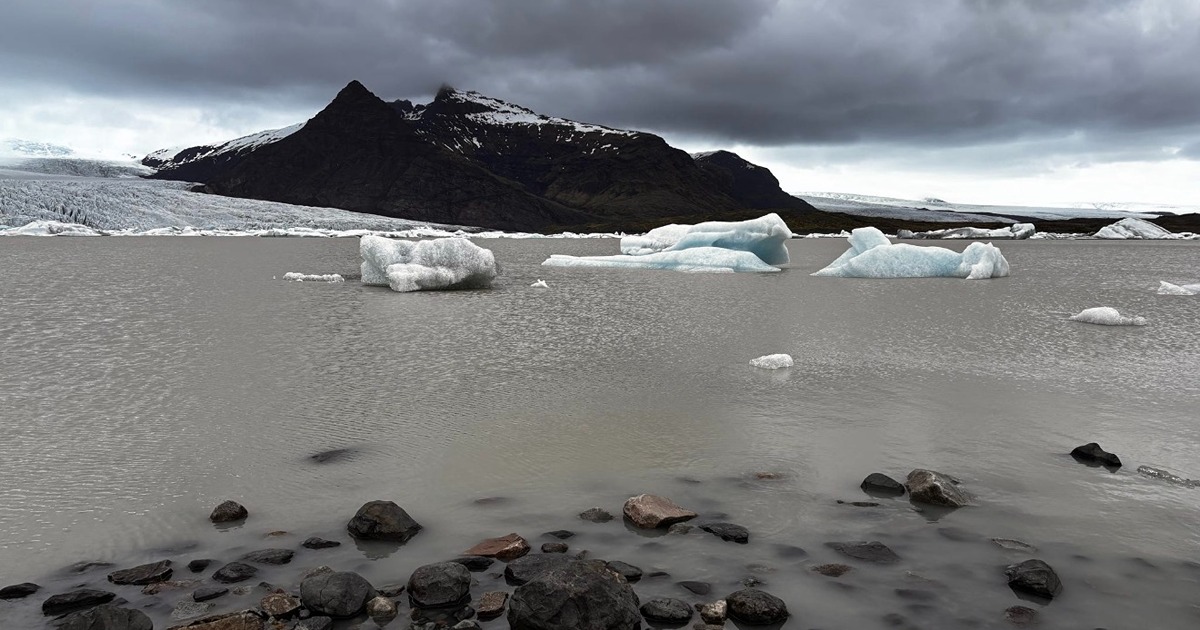
Students explored how Icelandic agriculture, aquaculture and rural communities adapt to a landscape shaped by volcanic activity, retreating glaciers, cold temperatures and extended winter darkness.
Iceland as a Living Classroom
At Friðheimar Greenhouses, students saw how tomatoes are grown using geothermal energy and artificial lighting.
“It’s amazing how they sustainably grow tomatoes and other vegetables year-round in a climate where it’s cold and dark for many months of the year,” Shee said.
Friðheimar has expanded into dining, specialty food products and visitor experiences. The operation offered students a practical example of how environmental constraints can drive agricultural innovation.
“What I find most compelling is the innovation, the focus on sustainability and the resilience that comes from living and farming in a challenging climate,” Shee said.
Throughout the program, students explored how volcanic activity affects communities and farmland, learned about land reclamation and glacial change, and studied innovation in fisheries and Iceland’s blue economy. Visits with farmers, researchers and educators helped them see how science, geography, culture and available resources shape food production and natural resource management.
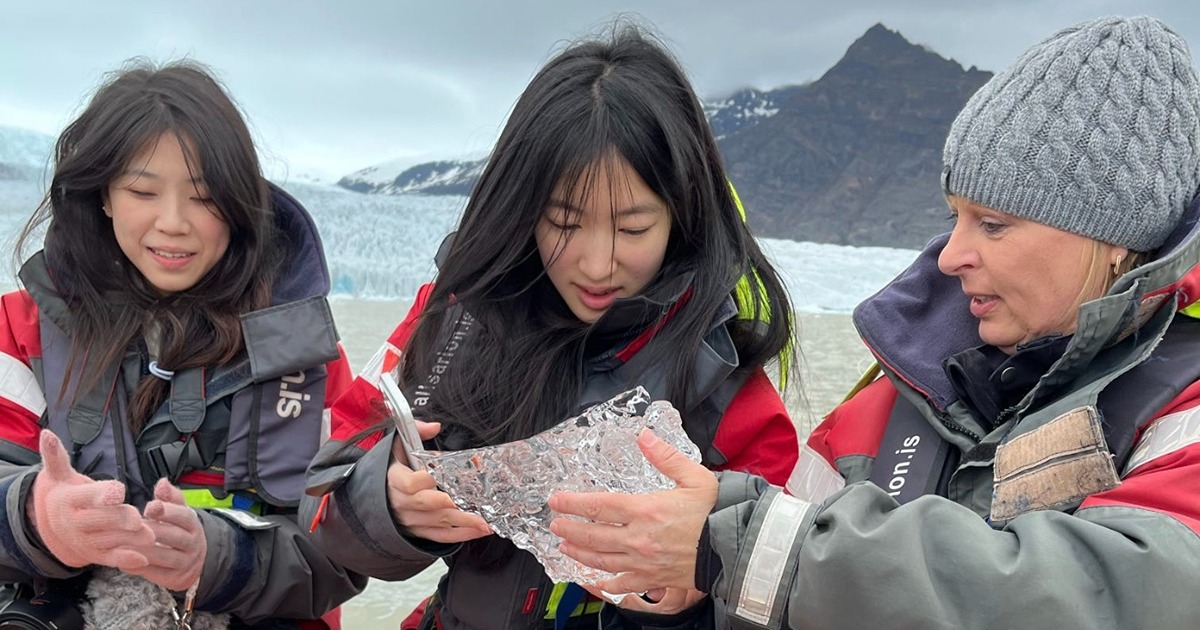
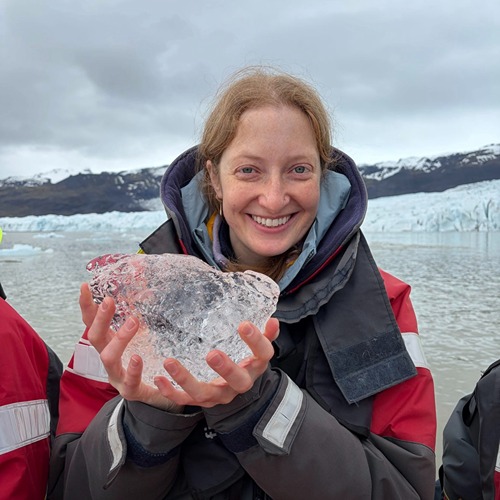 Shee holds a block of ice
 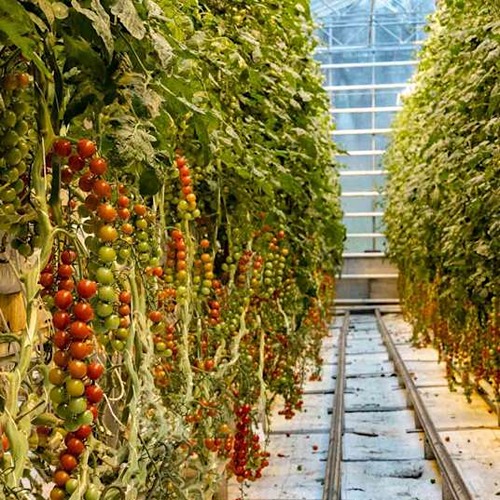 Tomatoes inside Friðheimar Greenhouse
 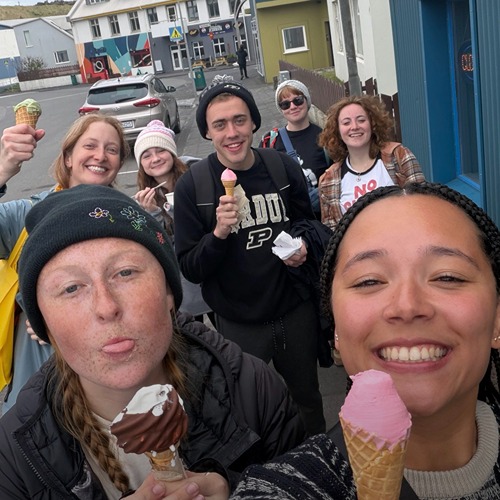 Students enjoy ice cream in Reykjavik
 Building an Academically Meaningful Program
To create an academically meaningful program, Shee and Wilson paired farm and field visits with conversations about geology, sustainable resource use, climate change, food production and rural communities.
“We worked with GeoCamp Iceland to connect the program with local life and provide students with relevant educational experiences,” Shee said.
Students were encouraged to consider why Icelandic systems developed as they did, how communities respond to environmental constraints and which lessons might be relevant elsewhere.
For Aaliyah Carlisle, the program provided a new perspective on subjects directly connected to her Purdue education. Carlisle, a senior from central Indiana, is majoring in natural resources and environmental science, with a concentration in environmental quality and restoration, and soil and water sciences.
“During my time in Iceland, it was amazing to see how people use the resources available to them,” Carlisle said. “Iceland has an amazing and sustainable fishing industry where they use up to 90% of each fish they catch. I was able to try an energy drink that had fish collagen in it, and it was delicious! Experiences like that really helped connect me to what I’m learning since, as a student, I tend to thrive on caffeine while learning about sustainability.”
Bringing a Broader Perspective Home
Shee and Wilson hoped students would return to Purdue with greater openness and curiosity about how communities adapt, innovate and build resilience. Wilson saw that growth take shape during the program.
“Study abroad gives students an opportunity to apply what they are learning at Purdue while examining agricultural and environmental challenges from a different perspective,” Wilson said. “They return with a deeper understanding of their fields, greater confidence navigating unfamiliar situations and a stronger ability to work with people whose experiences and approaches may differ from their own.”
Featured Stories
Purdue University’s College of Agriculture recognized nine alumni at the Distinguished...
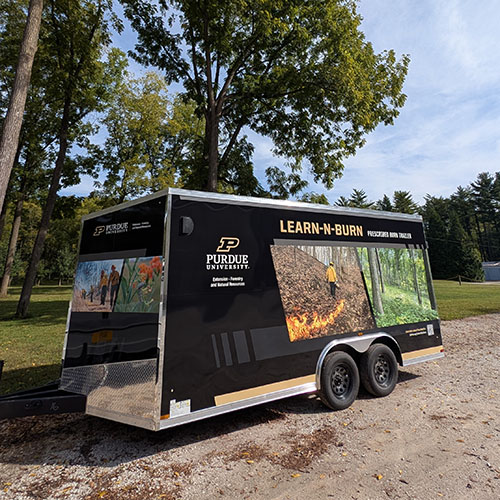
Keep your eyes peeled across Indiana for the newly minted Purdue Forestry and Natural Resources...
“Being at Purdue has changed my thinking entirely,” says Mingyu Zhao, a third-year...
Senior wildlife major Madison Medley spent her summer as a natural resource intern with Hamilton...
Philip E. Nelson, named Indiana State Fair Tomato King at age 15 for exhibiting 24 perfect...
Addy Ellis, a sophomore aquatic sciences and political science double major, spent the summer as...