

FNR Field Report: Jackson Schwartz
Students from Purdue Forestry and Natural Resources took their classroom knowledge to the field for summer internships and paid positions across the country, gaining valuable experience, hands-on training and career guidance. The FNR Field Reports series offers updates from those individuals as their positions draw to a close.
Jackson Schwartz, who completed his bachelor’s degree in wildlife in May, spent the summer as an extension intern with Purdue Extension specialists Jessica Outcalt and Jarred Brooke.
The Brownsburg, Indiana, native first met Brooke through his FNR courses, Hunting for Conservation and Applied Fire Ecology. After graduation, he reached out to Brooke for any job leads and was offered the internship after a meeting to make sure it was the right fit for both.
As an extension intern, Jackson conducted forest and prairie vegetation surveys to support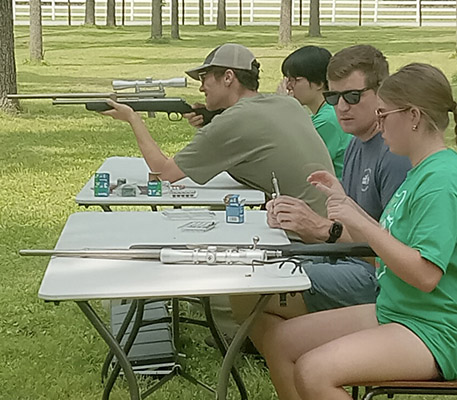 habitat assessment and restoration initiatives. He co-led educational workshops for youth focused on exploring the natural world and assisted with workshops for conservation professionals focused on land stewardship. He also authored outreach materials on bird surveying techniques and conservation programs, including handouts and guides tailored for conservation professionals and land managers. In addition, he assisted in data management and analysis of long-term ecological monitoring projects related to white oak regeneration and deer browsing, prairie establishment and management, and acoustic surveys for birds.
“Throughout the internship, I learned a wide range of skills and further developed my understanding of ecology and conservation through the lens of extension and public engagement,” Schwartz explained. “I learned how to effectively author outreach material that communicates ecological concepts to landowners and community members. I learned how to effectively lead hands-on environmental programs to participants of all ages. I also gained a deeper understanding of prairie plant species identification and refined my fieldwork surveying techniques.”
The summer position had many highlights and a few challenges for Schwartz.
“Some of my favorite parts of the job were spending time outside, collecting data and doing other field work,” Jackson shared. “I also really enjoyed participating in workshops, like prairie establishment with the NRCS (Natural Resources Conservation Service) and bird banding with the Natural Resources Teacher Institute. Another one of my favorite parts was shadowing professionals to learn more about possible career paths. I was given the opportunity to visit property managers, seed dealers and NRCS specialists. Each had their own role in conservation, and it was really cool to see how they function and work together.
“The most challenging part of this internship was dealing with the excessive heat during fieldwork days. Applying sunscreen and staying hydrated became a routine. Despite the discomfort, it was a practical lesson in staying effective when conditions aren’t ideal.”
Previously, Jackson had worked as a habitat technician with Purdue FNR Forestry. In that role, he participated in fieldwork for native habitat restoration, including planting, site prep and invasive species treatment. He also utilized land management and GPS tools to manage vegetation and support ecological research.
This summer’s extension internship allowed Schwartz to apply his FNR studies in the real world and also provided some additional on-the-job experience in his areas of interest.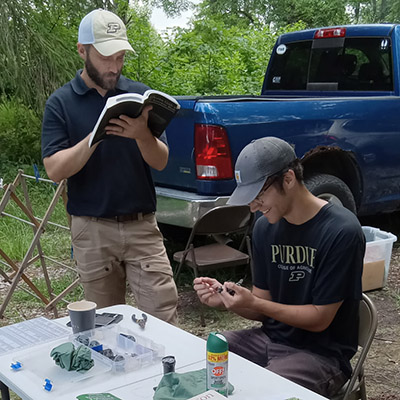
“During my time at Purdue, I developed many skills that directly supported my real-world responsibilities within my internship,” Schwartz explained. “I was able to apply what I’ve learned about land management tools and practices to support habitat restoration. I was also able to accurately identify plant and animal species during fieldwork, which streamlined vegetation and bird surveys. Being familiar with ArcGIS and other related software allowed me to support ecological planning by creating maps and interpreting data.
“An experience that stood out to me from this summer was surveying oak regeneration in forests and sampling vegetation in prairies all over the state. It was rewarding to travel to different sites, see different types of landscapes and hone my skills relating to plant identification and data entry. I was also able to lead activities related to forestry and wildlife management geared toward 4-H members. This experience was meaningful to me because I was able to share concepts and practical skills related to conservation and the monitoring wildlife, which are topics I am quite passionate about.”
All in all, Schwartz’ summer internship helped him focus his future career plans.
“This position made me more interested in working in extension and outreach,” Jackson said. “I really enjoyed assisting in leading land stewardship workshops with conservation professionals and leading youth-focused activities relating to wildlife management and careers in FNR.”
Featured Stories
Carolyn Foley, a long-time member of the Purdue Forestry and Natural Resources (FNR) and...
Purdue University’s College of Agriculture recognized nine alumni at the Distinguished...
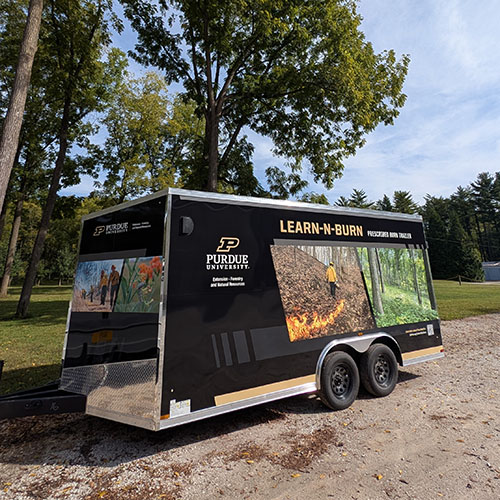
Keep your eyes peeled across Indiana for the newly minted Purdue Forestry and Natural Resources...
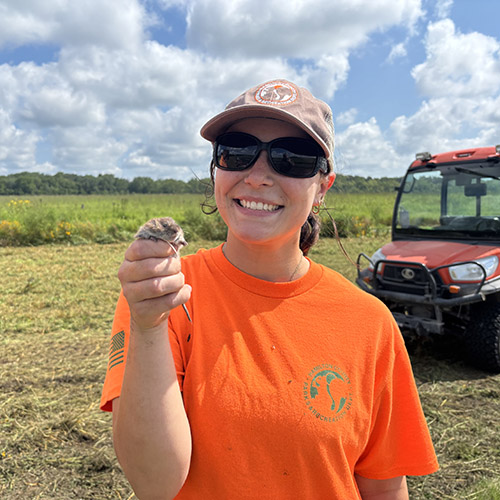
Senior wildlife major Madison Medley spent her summer as a natural resource intern with Hamilton...
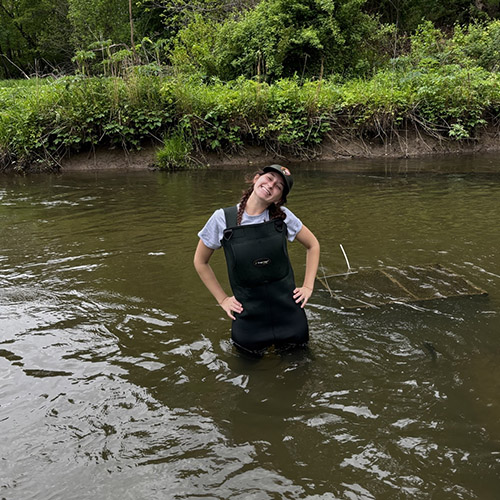
Addy Ellis, a sophomore aquatic sciences and political science double major, spent the summer as...
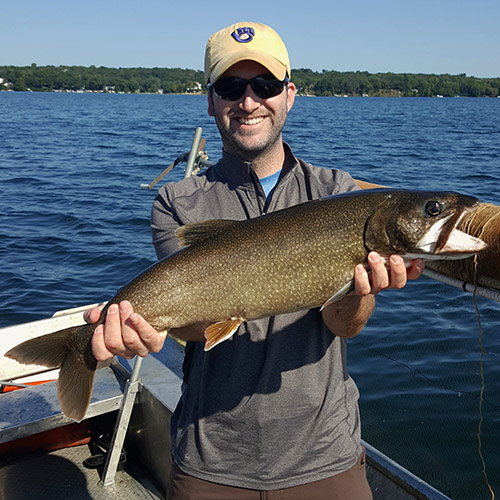
Zachary Feiner, who earned his PhD from FNR in 2015 and spent two additional years in West...