June 18, 2026
Phosphate, Supply Chains & the 2027 Fertilizer Shock


AgCast is back — with a new monthly format focused on real conversations with farmers and agribusiness leaders shaping the ag economy.
Episode 1 features Chad Fiechter and Todd Kuethe with guest Hunter Swisher of Phospholutions on fertilizer markets, phosphate supply chains, and input cost risk heading toward 2027.
Why farmers should pay attention to phosphate markets right now
Fertilizer is one of the largest variable costs in row-crop production — and phosphate is becoming one of the most complex inputs in global agriculture.
In this conversation, we break down:
- Why phosphate is a finite, geographically concentrated resource
- How global supply chains (from Morocco to Midwest farms) affect fertilizer prices
- Why MAP and DAP don’t fully translate into crop uptake efficiency
- What tightening global supply could mean for input decisions heading toward 2027
- Why fertilizer markets are increasingly shaped by geopolitics and logistics, not just demand
If fertilizer costs have felt unpredictable, this episode explains what’s actually driving it.
A new format for AgCast
Welcome to Season 2! AgCast has been relaunched with a simpler, more focused format built around one goal: helping farmers better understand the ag economy through real conversations.
Starting with this episode:
- Hosts: Chad Fiechter and Todd Kuethe
- New episode released every third Thursday of the month
- Conversations with farmers and agribusiness professionals on the business of farming
- Audio-first with short video clips shared on socials, so please subscribe to the podcast and follow us over on YouTube, LinkedIn, X and Facebook
More on our Guest
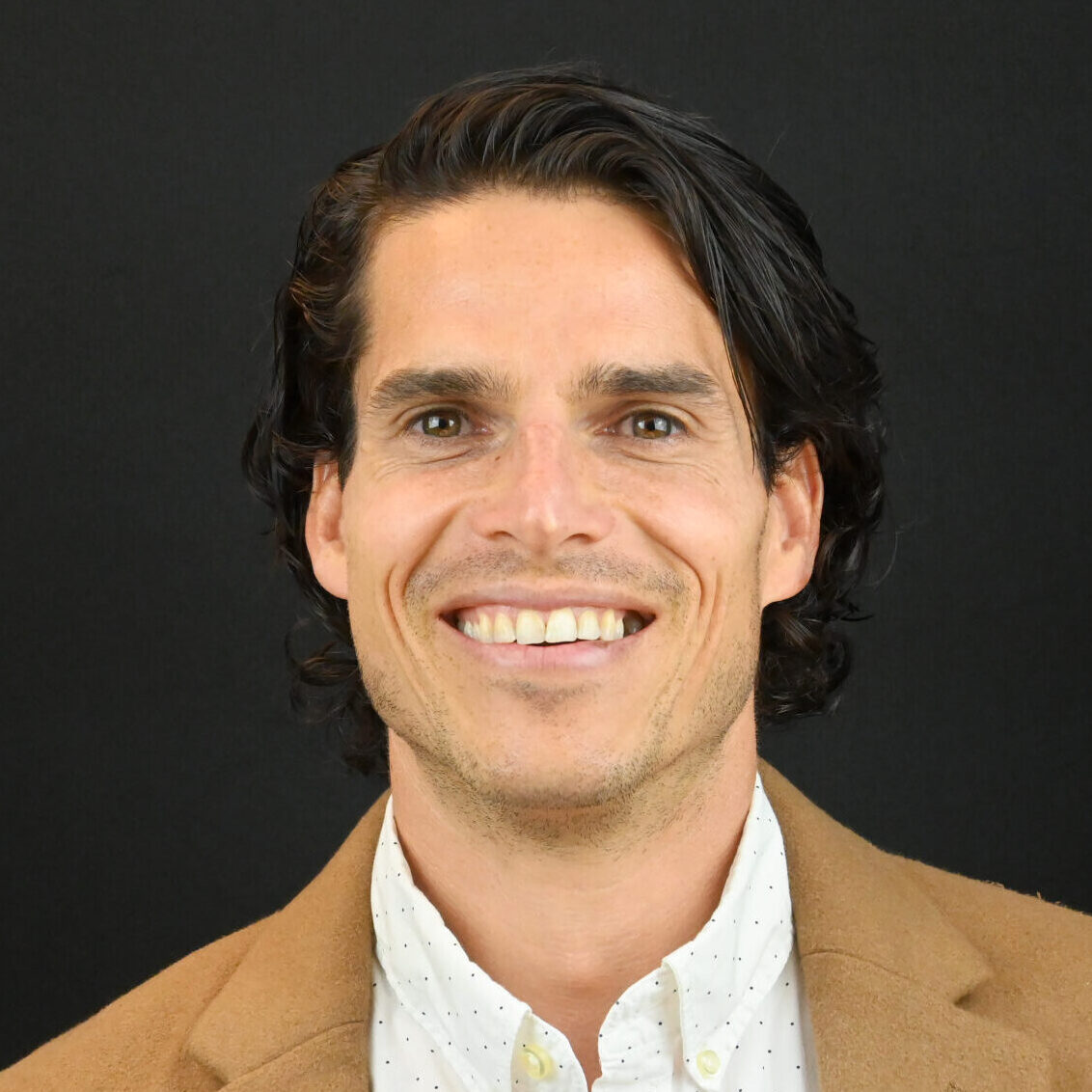
Hunter Swisher is the CEO and founder of Phospholutions, a company focused on improving phosphate fertilizer efficiency across global agriculture systems. His work spans fertilizer production, supply chain integration, and nutrient efficiency technology deployed across multiple countries. You can find out more on Phospholutions by visiting phospholutions.com.
Key Topics Cover in this Episode
- Fertilizer prices and phosphate markets
- MAP and DAP fertilizer efficiency
- Global fertilizer supply chains and shipping routes
- Fertilizer shortages and 2027 crop outlook
- Input cost pressure on corn and soybean farms
- Ag innovation and fertilizer technology startups
- Commodity markets and geopolitical risk
I’ve never thought about phosphorus before — and now I’m wondering what else is quietly constraining agriculture.
3 Big Takeaways
- Fertilizer markets are increasingly supply-chain constrained
- Phosphate efficiency may matter as much as price
- 2027 input risk is driven by global production limits, not just demand
Transcript:
[00:00:00] Coming Up…
—
Hunter Swisher: For me it was the OPEC of the future was what I was told. The OPEC of the future is gonna be about phosphorus, not petroleum. And I was pretty dumbfounded.
I mean, phosphate, it’s the backbone of your DNA. It’s, it’s the, you know, ATP, right? The thing that transfers energy through your cell. Like, it is in every living thing in substantial quantities. It is a critical n- nutrient, and, and we’re just dumping it in the bottom of the ocean, uh, in a very linear fashion.
[00:00:22] Welcome + Todd’s Back
—
Chad Fiechter: Hey, everybody. Welcome back to AgCast. This is Chad Fiechter. and I’m pumped because, I got my buddy back. Todd, where you been?
Todd Kuethe: Hi. Todd Kuethe. and I’ve been on sabbatical.
Chad Fiechter: What is sabbatical?
Todd Kuethe: That’s a great question. people are outside of academia, it’s gonna sound like the biggest, gimmick, rigged system ever, and that’s … ’cause in some ways it kinda feels like it is. So the idea is-
Chad Fiechter: Don’t say that.
Todd Kuethe: I, well, I know, but I, I, I-
Chad Fiechter: It’s okay. It’s okay
Todd Kuethe: … feel like I have to admit what-
Chad Fiechter: Yeah
Todd Kuethe: it is first and acknowledge that, right? Which is, it’s incredible perk of being a professor, in a, in a tenured faculty role, which is every seven years you get the chance to have some time off, to focus on your professional development.
So basically they say, “What do you need to work on to get better at your job in a way that also benefits the university? And we’ll clear that space, and you can have that time.”
So I taught on a program called Semester at Sea. About 480 college students and 30 faculty members living on a ship, as we traveled from 10 countries, starting in Asia, working our way around Africa, and ending in Europe.
And, when the ship was moving, I taught economics class. I taught three classes. You would take classes intensively, and then you’d hit some country, and it’s like you’re free to travel. And then, after about six days of the country, then you get back on the ship, and it’d be, you know, another like eight to 10 days of teaching and, and learning and then back.
So, it was a wonderful experience. I learned a ton. I’m still processing it. But I am more than anything ’cause today is one of those days when Indiana weather is perfect-
Chad Fiechter: Oh, yeah …
Todd Kuethe: and it’s beautiful. We only get so many of these days. I agree. I wish we had more, but today’s one of those, and I’m like it just feels great to be back in Indiana.
Chad Fiechter: The question I have, though, is any reflections as they pertain to our podcast as we get ready to introduce, our guest?
Todd Kuethe: I think from being gone for so long, traveling around, meeting all these new people, seeing different parts of the world, again, what initially ignited us was, our curiosity about the ag sector and wanting to have interesting conversation with interesting people, and now I’m like, “Oh, man, there’s interesting dimensions I haven’t even thought about before,” and it’s like, ” I’m ready to dive back in.” That’s what I’m getting at.
Chad Fiechter: Okay, that’s perfect because we’re gonna be talking to Hunter Swisher. He’s the CEO of a company called Phospholutions, and they make a fertilizer product that, to be totally honest with you, we didn’t really know much about prior to the conversation.
Todd Kuethe: Well, and you, at least, have spread fertilizer professionally in your days managing a farm.
Chad Fiechter: Correct.
Todd Kuethe: I am still under the world that, fertilizer comes in a giant bag that you push a little cart in your yard, and it puts it out on the grass. So, I know even less.
But we got a chance to, learn about phosphorus and what the heck that does, but also Hunter is really interested in the idea of, f- literally physically moving stuff around the world, right? He has a shipping map of shipping routes-
Chad Fiechter: Yeah
Todd Kuethe: … and shipping lanes. And talking about, phosphorus production as, a mining activity, and then that has to get processed and then moved to somewhere where someone else farms.
.
Chad Fiechter: Okay, so we, we are joined by, a fun guest, Hunter Swisher.
[00:03:35] Introducing Hunter Swisher + Phospholutions
—
Chad Fiechter: Hunter, do you wanna introduce yourself to our audience?
Hunter Swisher: Yeah, sure. My name’s Hunter Swisher. I’m the CEO and founder at Phospholutions.
Happy to be here.
Chad Fiechter: Hunter, you, you have an interesting job. Can you tell us about the company you work for in, in your current role?
Hunter Swisher: Yeah, sure. I, I mean, I think first and foremost I’ll tell you a little bit about the company.
So, company’s called Phospholutions. We are a, I would say later stage startup company, so been around, actually just celebrated our 10-year anniversary back in April. So I’ve officially been doing this for about a third of my life, which is a little, little crazy to think about. essentially what we do is, is we focus on improving phosphate fertilizer efficiency, and really start all the way at the top by trying to, integrate a technology that we developed over the last decade to, essentially control the release of phosphate from fertilizer.
So we integrate this upstream into production when we’re making our commodity phosphate products. it allows the producer to reduce the cost of fertilizer production. On the flip side, when that fertilizer’s used on farm, it’s more of what we apply actually gets into the crop, meaning we can apply less, therefore farmers save money. So really, one of the unique solutions out there that fully integrated across the value chain. Everybody makes more money using less. And myself personally, my background’s in plant sciences. I had the opportunity to study at Penn State University, as an undergrad where, you know, we formed the company and spun out, with a few patents, and then have, developed a portfolio since.
But really been on a mission to, to bring this thing globally. So currently today we sell in pretty much all the Americas from Canada down to, to Argentina, and continue to expand internationally.
[00:05:12] How Phosphate Fertilizer Works
—
Hunter Swisher: Phosphate is a finite resource. So it is unequally distributed around the world. It is a mined resource. It’s something that’s built up over millions of years in just a few select regions. Actually, 70% of the world’s phosphate reserves are located just in the country of Morocco. Yeah, it’s, it’s a little, little, little crazy to think about.
This is the second largest nutrient needed for food production worldwide. And here in the US, we, we are blessed to have reserves, but those are dwindling in the next few decades, and we’ll be 100% reliant on importing, phosphate, from places like Russia, China, Saudi Arabia, Morocco, to really meet our, our agricultural needs.
So it’s a pretty alarming fact. But essentially, y- you mine rock, you attack that rock with sulfuric acid to convert it to phosphoric acid, and that is the baseline for all of our commodity phosphate products today. Most widely used, monoammonium, diammonium phosphate.
As you could probably imagine, don’t have to be a chemist. Ammonia, phosphoric acid, you make those two products, and you use those as essentially the fertilizer granules you’ll see applied on, on all the farm fields around the world. And essentially, that’s how it’s made today.
What we do is, is essentially we mine and process a separate mineral, that essentially gets converted into our active ingredient, which is a powder, and that powder goes upstream into production at the same time phosphoric acid and ammonia are being reacted to form a fertilizer granule. So instead of a coating, it’s actually integrated fully into the fertilizer granule, not coated around it. And essentially what happens is, is that phosphoric acid is reacting with the surface of our mineral- and binding to the surface. And then that mineral helps control the release of it out of the granule once it’s applied to the soil.
The alternative is, is these commodity sources, we call them MAP or DAP in, in the industry, they release very quickly. And the challenge there is that when phosphate releases, in the soil in, in a matter of, you know, days to weeks after the application, then it releases completely and reacts with the soil, and essentially gets bound up, and the plant can’t access it.
So our whole focus is, is try to dose out that phosphate in a more controlled manner, more based on plant needs throughout the season, so a higher percentage of what we get actually gets into the crop. And it’s crazy to think about as I tell you about, you know, how critical this resource is, that as little as 10% of what we apply in the year of application actually u- actually gets used by the crop
Chad Fiechter: Wow. So then does it stick around? You’re, you, you have it st- it stays in the soil as, as sort of a bank, or is it all just sort of leaching the, the, the, the, the… what we’re not using efficiently?
Hunter Swisher: Yeah, it’s, it’s a mixture of both. Majority of it stays around. And the, the challenge here is that although it’s, it stays in the soil, there’s a portion of what we apply every year that is irreversibly bound. It’s not coming loose. It’s not getting absorbed by the plant. And, and even the stuff that is reversibly bound, I mean, it’s not like a, it just comes back out next year. I mean, it takes a decade or decades to fully release back out. And so we essentially have to continue to apply way more than the crop needs to build in the soil and almost saturate the soil to get it to a point where you start to see an improvement in efficiency. And, and, and that leads to the leaching aspect. You know, you think about a sponge. You fill that sponge up completely full of water. Every drop you put in, a drop leaches out.
And so this idea of, you know, you’ve got all this, this phosphate in the soil, it can’t really be utilized by the crop very easily, and the second you get a rain event, it either runs off or surface erosion happens, and you just continue to lose, 6% every year of all that phosphate that you’ve been storing in the bank, and it’s just not a very efficient, kind of practice today.
Chad Fiechter: So then your solution there is more available in the immediate term? And then w- talk about sort of, that time decay of, of what, what your solution does.
Hunter Swisher: Yeah. So rather than having to overapply or oversaturate the soil, we like to say we feed the plant, not the soil. And so a much higher percentage of what actually gets onto the farm field in that year of application is available to the plant to actually access because we pre-bind it to this mineral so that when it gets applied to the soil, it’s not binding to the soil. We’ve essentially optimized the surface chemistry of this mineral to be able to allow for that release to happen, in a much more reversible fashion, in a way that the plant can actually tap into and pull off the surface all season long. And so again, more of what you apply gets into the crop, so you can apply much less. I mean, we see that our farmers in row crop production apply, as much as 50% less phosphate per acre in the, and get the same or better yields.
Chad Fiechter: Wow. And where… And so y- you’re, this, this, the genesis is Penn State. So where is the… where are the areas where you’re seeing the most use of your product currently?
Hunter Swisher: Yeah, the interesting part is, is that because we are a chemistry approach, not biological, we are controlling the release of the fertilizer from the actual granule. It’s working pretty agnostic of crop and soil condition. And so we see pretty consistent performance worldwide. I mean, we have, partnerships and field trials in 19 countries around the world. And, and today we primarily sell a majority of our product through Canada, the US, and now Brazil, with a big focus on also unlocking, Latin America. And, and doing some work in Europe as well. Good. We’ve done trials in India. We’ve done trials in Africa.
Todd Kuethe: Do you market directly to farmers or are you working with existing, suppliers of inputs? How are you getting this out there into the field? That’s what I’m curious about.
Hunter Swisher: Yeah. So our business model is we work with suppliers to, to mine and process our mineral.
We then work with phosphate manufacturers that essentially toll for us. So we send our raw material, they make the finished product, and then we sell that finished product through distribution. Yeah. And so the, the real beautiful part about the solution is it’s made, shipped, stored, sold, and applied the exact same way as commodity phosphate. We just use less. And so what a… It’s such a critical, critical piece of ag technology to fit seamlessly into farmers’ current practices. It, it just makes adoption so much more difficult when you are trying to change something on the farm or the way they buy it or the way they use it.
Chad Fiechter: Yeah. You’re in the system. It’s just the same system, just, yeah, you’re selling-
Hunter Swisher: Just better fertilizer.
Chad Fiechter: Yeah. Yeah, sure.
Hunter Swisher: Yep.
Chad Fiechter: And I think at some point I, I shifted into wanting to pursue starting Phospholutions. And, and I think it really happened in a classroom learning about the, the phosphate issue. And, and for me it was something where, like this is pretty astonishing that, that, you know, the OPEC of the future was what I was told. The OPEC of the future is gonna be about phosphorus, not petroleum. And I was pretty dumbfounded. I mean, phosphate, it’s the backbone of your DNA. It’s, it’s the, you know, ATP, right? The thing that transfers energy through your cell. Like, it is in every living thing in substantial quantities. It is a critical n- nutrient, and, and we’re just dumping it in the bottom of the ocean, uh, in a very linear fashion.
Hunter Swisher: And so I was very passionate, like, “Well, we gotta, we gotta solve this. Uh, and, and nobody really knows about this.”
[00:12:19] Ag Commodity Industry & Distribution
—
Hunter Swisher: When we started Phosphorus Solutions, it’s been the same mission the entire time. We believe that sustainable production and responsible use of phosphorus is absolutely critical to meet a growing food demand. It’s, it’s been the same mission statement for, for 10 years.
And our approach has been it starts with improving fertilizer efficiency. And, and I think, you know, my vision of that business has, has always been kind of sustainability driven first. You know, we, we know that this is a, a dwindling resource. We know it’s causing massive, massive environmental issues when it runs off in the environment. We know farmers are just wasting money, and we just can’t do it. it’s a national security interest. I mean, it’s just been designated a critical mineral. This is a, this is a big deal and, and not a lot of people in the public know about it. And so that mission has always driven us.
But when it comes down to building the product, I’ve always had the view that if this doesn’t make economic sense for a farmer- Then the sustainability mission doesn’t matter. And so we spent a lot of years and a lot of venture capital, tens of millions of dollars building a product that sold itself. Then we get to feel really proud and good about the fact that it accomplishes the mission that we’re still focused on as a business.
Chad Fiechter: My perceptions of the fertilizer industry is that there’s incumbents, strong sort of resistance to doing things a different way. And you’re saying you’re going and procuring, commercially mined rock.
And then, and then you have someone who’s, who’s doing the work for you to formulate it into a product, right, that is also just slightly different than the commercially available options that are the same. Talk about the process of, getting these big institutional players, getting them on board with, being part…
letting you integrate into the supply chain, ’cause I would assume that was a very difficult process.
Hunter Swisher: Yeah. Yeah, it, it, it, it was, and it continues to be… And I think the, the reality is, is that the fertilizer industry is, is, is not known to be innovative. And, and when you look at other ag inputs, you know, it is– we are like an order of magnitude lower in terms of the amount of R&D expenditures as a percentage of revenue. Fertilizer industry’s like less than 0.5% of revenue goes back in. And the reason being is these commodities, they’ve been around for 60 years. You know, it’s, it’s, it- we produce it the same way. It’s just how do you optimize a little bit more? How do you get a little bit more efficient or a better supply chain position to be more competitive in the market? Scale, economy of scales, you know. We’re riding the commodity cycles. Sometimes it’s good years, sometimes it’s bad years. And so the strategy never really includes doing something different.
And by the way, they’re so upstream that it’s so disconnected from the realities on farm. But, you know, I participate in a few, boards, advisory boards, et cetera, within the industry, and it’s changing. I, I, I do believe it’s changing. I think that there’s a lot of incumbents that, that are, are resistant to change and adoption, and then there’s tho- there are those that are leading the pack.
And I think that the ones that are leading see that the way the world’s moving in terms of food security, in terms of sustainability, in terms of efficiency, is that measuring success based on the number of tons that we produce and sell needs to shift to the value we generate per unit of nutrient.
And so our solution allows for a phosphate producer to get more out, more value out per mined resource. And so the reason why that happens, it’s not so self-explanatory without being in the industry, but, but the idea is that when we make our product, we have to fit our raw material into the finished ton, right? And so you have to remove something. And so we cut out 25% of phosphoric acid and 30% of ammonia to make a ton.
And when you look at these producers, especially here domestically, they’re continuing to hit lower and lower quality rock, which means that it’s more and more expensive and takes more and more time to create the level of, of, of phosphoric acid purity that’s needed to go into these commodity products. And so the bottleneck in their business is in the phos acid production. It’s not granulation of tons. And so they’re making less tons each year because it’s harder to make phosphoric acid. Automatically, you use 25% less phosphoric acid in my product. So if you’re not constraining granulation, you could automatically make 25% more tons on the same facility with zero additional CapEx.
Todd Kuethe: So I, thing I’m curious about, always, so Chad and I both study the agricultural sector. And, and the- Yeah … and the downside of that is I feel like I- I don’t know enough about other sectors of the economy, and I sometimes wonder how much of what I think is true is tru- think is true about the agriculture sector is also true about every other industry, right? And I just happen to work in this one or study this one.
Hunter Swisher: Yeah, yeah.
Todd Kuethe: And, and you sort of sit at- Hmm … this interface of both agriculture and mining.
Hunter Swisher: Mm-hmm.
Todd Kuethe: Right? And so, and, and they both are dealing with basically production of bulk commodities.
Chad Fiechter: Yeah.
Todd Kuethe: Right?
Hunter Swisher: Yep.
Todd Kuethe: there, th- there’s a lot of similarities, but there’s also very, a lot of difference.
What have you… What are the things that you have seen as big challenges in the mining sector that are also the same in the agricultural sector?
Hunter Swisher: Well, the key here is they’re commodities.
Todd Kuethe: Yeah.
Hunter Swisher: So commodities are, it’s a tough business to be in, and agriculture is a real tough business to be in. And I think when you look at, you know, phosphate, yes, it’s, it’s, it’s practically a mining and chemicals business. I mean, you look at agriculture, it’s, you know, row crop production to generate the food that feeds the world.
And neither of these, I think, especially over the last five years or so, what we’ve seen is that none of these commodity markets are immune to geo- geopolitical disruption, policy decisions, macroeconomic factors. You know, you just, you name it. you just see the ripple effects. And I think that we’re seeing that the world is so tightly connected and supply chains are so tightly connected and easily disrupted, and fertilizer is not immune. And it’s, it’s just, it’s such a topic within the industry.
I mean, you have one small Strait of Hormuz that shuts down, and almost 50% of the sulfur that the world uses comes out of that strait. 20% of our phosphate comes out of that strait. A ton of nitrogen comes out of that strait. These are raw material inputs, energy, oil. I mean, you see the ripple effect. If you think about being a farmer, all of these things impact you no matter where you are in the world.
And unfortunately, there’s a lot of regions in the world that are more victim to these, you know, factors than, than others. We in the United States, we have, we’re a resource-rich country. We have a lot of stability. We’re still a net importer of fertilizer, but, and, and energy, but we are sitting in a position where that ripple effect is, is, is lesser. I mean, you go to Brazil, 85% of phosphate’s imported into the country. I mean, it’s just, it’s, it’s… I mean, you go to Africa and, and you don’t even have enough access or affordability of these in the low end of the commodity curve, let alone when it’s high. I mean, the, the whole question in Africa is how do you get them access to fertilizer in general, not how do you get it more efficient?
And it’s just, I think that whether you’re selling grains or whether you’re mining phosphate rock, you’re still sitting here watching something completely outside of your control change your business and dynamics overnight. And, when times are good, people are building a war chest to survive the next seven years of the downside of the commodity curve. It’s not a sexy business to be in, and I think that’s where innovation offers such a unique opportunity for these commodity businesses to see real step change in, in value creation. And, and today that doesn’t exist in the fertilizer industry in really any meaningful way, and I think we have one of the very unique solutions to actually provide that.
Chad Fiechter: One, one thought I have is one of the things that we’ve seen in mining is very, very large consolidated interests where even though farms are consolidating at a rapid rate, right, we, we know this, it is still incredibly dispersed, right?
they’re still, relatively, right? w- how do you think through that, right? So, so you think about we have these really large, and what we would perceive, at least in my case, large I would, I would believe is sophisticated mining operations that have mining, lots of them have mining in different c- in different continents, right?
Hunter Swisher: Mm-hmm.
Chad Fiechter: And then you have sort of these, you know, large sort of farms that are centered in Iowa or Indiana or Illinois or Nebraska.
Hunter Swisher: Mm-hmm.
Chad Fiechter: Why do you think that is, right? So they both produce commodities and, and, and as we teach students about microeconomics, they, they, they have the same businesses, right? So why did mining consolidate so fast into we have sort of the structure of the industry now versus sort of row crop agriculture, which I would still say is largely very dispersed.
Hunter Swisher: Yeah, and I, I mean, I think the, first of all, I think farming being dispersed is, is definitely something where if you get down to the numbers, when you look at the majority of acres, the majority of acres are probably owned in a pretty consolidated way.
But when you look at the number of farms, there’s still, and, and it’s decreasing, but there’s still a, a, a wide variety of number of farms, right? so I think the average, you know, acreage in a, in a farm is around, what, 1,000, acres or something in the US. I mean, it’s-
Chad Fiechter: I think it’s lower than that. We’re-
Hunter Swisher: I think it’s lower, yeah
Chad Fiechter: Yeah …
Hunter Swisher: It’s 500 to 1,000 acres or something like that.
Chad Fiechter: Yeah …
Hunter Swisher: Which again, is a relatively small farm compared to these hundreds of thousands of acres that, that you see. I mean, by the way, you go to Brazil and it’s just, you can’t even fathom how large some of these things are.
I think consolidation occurs because, you know, what you see is, is that when times are tough, these smaller farms are the first ones to go be distressed. And so you’ve got folks that are leveraging economy to scale, whether it’s buying power, whether it’s access to capital, whether it’s the cost of capital. I mean, you go down to, you know, bigger equipment, more efficiency, you know, you start to consolidate these things and you start to be able to weather those storms a lot better. And so when things are distressed, people go on buying sprees and, and people are going bankrupt. I mean, this is, the last couple of years have been that reality for farmers. And, and, you know, we feel so much for them, especially today where, you know, fertilizer prices are, are at the highest affordability index that they’ve ever been. I mean, it is so g- grain prices in relation to fertilizer costs, it does not make sense to apply fertilizer, yet you’re automatically going to see a decrease in yield.
And, and so how do, how do you deal with that as a small farmer? I mean, that impact is much harder when you don’t have… It’s just a family farm.
Chad Fiechter: Yeah. I, I’m, I’m not perceiving that there’s probably many family mining operations, in the same way we would think about farmland-
Todd Kuethe: Hard, hard times for mom-and-pop mines.
Chad Fiechter: Yeah.
Todd Kuethe: Yeah.
Hunter Swisher: Yeah. Well, yeah, I think that industry is probably not much different in terms of consolidation. I mean, you get better buying power when you talk about your inputs. You talk about distribution channels, you know, things are, are, are… We, we saw a lot of this across all input spaces, right? I mean, you think about all the mergers that have happened over the last decade in agriculture to lead to these large, large conglomerations. But then at the same time, you’re starting to see some of these unwind. I mean, it was really interesting to see, Corteva break up, right?
Chad Fiechter: Yep.
Hunter Swisher: it’s interesting to see, certain mining comp- I mean, Nutrien, a major, major ag player, is, is, has their phosphate business up for sale.
Chad Fiechter: Mm.
Hunter Swisher: You know, it, it’s, it’s, everything consolidates. They try to, you know, benefit from that consolidation, and then sometimes things, don’t make sense anymore on paper and, and they start to look at reversing those, those mergers. But yeah, I mean, I think in, in general there’s a lot of consolidated, power across all ag inputs, whether it’s crop protection, whether it’s fertilizer, you know, genetics or, or farm equipment. It’s, it’s, it’s that way, I think, because of the economy of scales that come with it.
Chad Fiechter: What do you think it would be really convenient for you and your business if farmers understood that thing or a host of things?
Hunter Swisher: Yeah, I think first off, there is, and there’s a lot of conversation right now even at like the, you know, policymaker level about like, hey, you know, these fertilizer companies are intentionally keeping these prices high. Like, supply and demand drives prices for fertilizer. It’s not just some price collusion of people coming together saying, “We’re gonna elevate these costs and, and keep it high for the farmers.”
I think what’s really telling right now is that I think everyone has this perception of phosphate right now, that the prices are so high these companies are printing money. That is simply not true. We just saw the largest phosphate producer in the US curtail production at multiple facilities, because even at the historically high prices right now, they simply cannot make economic sense of producing tons right now, when their input cost of sulfur is so high because of the war in the Middle East.
You have the largest producer at the lowest cost curve in Morocco that is apparently cutting production between 30 and 50% because they are victim to sulfur out of the Middle East. I mean, we’re gonna experience not just a small shortage, I mean, I’m talking a massive shortage of phosphate fertilizer worldwide. That supply and demand is what’s driving prices high. It’s not we’re trying to make as much money as we can off of the farmer today. And, and again, I… my heart goes out to the farmers. I don’t want this to feel like this is an excuse, because I think that the solution to this is efficiency. I think the nearest term thing we can do is get more out of what we apply to save the farmers money, and I, I am, I am absolutely committed to that mission.
I just think that behind the scenes, there’s a lot of complexity that goes into these large commodity businesses that, that just aren’t so relevant, and there’s a big wide disconnect between all the way upstream and sitting at the farm level.
[00:26:21] Phosphate Crisis & 2027 Outlook
—
Chad Fiechter: What, what’s the time delay to, are, have we seen the effects of the, the closing of the Strait of Hormuz? What, where are we at in that cycle? When you think about sort of what the dynamics are doing, what’s your projections about fertilizer prices? And how long is this gonna persist? Or, or have we not seen the, have we not even seen it yet?
Hunter Swisher: So I think that the 2026 crop year has gone underway, I wouldn’t say not disrupted, but a lot of farmers made purchasing decisions that allowed them to get the nitrogen they needed in the field this, this spring. And some did not. It was… Now, I’m not saying it was cheap, but we didn’t have a shortage of nitrogen and, and that was clear. My view right now is, is, farmers are fucked when it comes to phosphate for the 2027 crop year. there’s no short-term relief that’s coming from the producers. There’s no increase in supply. There is no price alleviation. There’s no silver bullet in policy that’s gonna come in and save the farmer for this fall application of phosphate.
And, and by the way, this has been a couple years in a row that farmers have cut back or entirely, went away with application of phosphate because, again, this idea is you can bank it in the soil and use it later, so we just try to pull from previous reserves. There will be yield impacts, and there will be a decrease in yields around the world, specifically in the US, if we go another year of cutting back on phosphate.
And the challenge is, is that the strait could open up tomorrow, and there will not be enough production fast enough. There will not be enough imports coming into the country to make up for this deficit we have. And I see no hope for alleviating prices unless we adopt things immediately in terms of efficiency rather than this idea of the government today socializing.
We’re gonna increase production by throwing money at new facilities. We’re going to build a fertilizer reserve. You know, we’re gonna do all these things. those aren’t, those aren’t 2027 solutions. Yeah. It takes billions of dollars of CapEx and many years to build a new facility. Mm-hmm. By the way, we’re dwindling rock. You can’t just extract more and think that we’re gonna solve the problem. It’s, it’s a really, really challenging environment. And again, phosphate in particular is the, is the toughest nutrient right now going into the 2027 year.
Chad Fiechter: Is there any phosphate on Mars?
Hunter Swisher: You know, it’s funny, I joke about this all the time. I mean, I think we have a, we have a higher likelihood of starting to dredge it out of the ocean than we do mining it-
Chad Fiechter: Okay …
Hunter Swisher: off an asteroid. But, you know, look, the world’s moving in a weird place. I, I think that, you know, we could start pulling some asteroids back and, and figuring it out.
We, we have plenty of phosphorus. I do, I do wanna, I wanna make sure that’s clear. We have 300 plus years of rock on Earth.
Chad Fiechter: Okay.
Hunter Swisher: It’s just all not equally distributed, and that, that’s the key.
[00:29:05] Global Supply Chain & Shipping
—
Chad Fiechter: Okay. I’m, I’m fixated currently on shipping.
Hunter Swisher: Yep.
Chad Fiechter: If you wanna buy a bunch of rock, how do you, how do you get access to that? Who do you call, and is it, coming on a ship, in bulk? Yeah, yeah, yeah. Is it containers?
Todd Kuethe: Just walk us through this. what- We like to, we like the tedium.
Chad Fiechter: Yeah, because I th- I think this is fascinating to think about, sort of I, I would say that as I interact with students, and, and it comes to me too, right? y- we love to talk about, nebulous terms. well, sh- the shipping industry is destr- disrupted. But, we forget the fact that those are actual people who, who, are making phone calls and sending ships here and here. I think… So, talk us through that.
Hunter Swisher: Yeah, look, I mean, fertilizer is a extremely complex supply chain. Uh, and you can actually see behind me here, this map is an example of trade routes of fertilizer.
These are major shipping routes. When we talk about moving fertilizer, we’re not talking about moving containers. We’re talking about moving bulk vessels, and we’re talking the biggest bulk vessels you can, you can possibly move on the ocean.
Todd Kuethe: Now, t- t- time out now. We’re just… So the bulk vessel- Yeah,
Hunter Swisher: Yeah,
Todd Kuethe: Yeah … That is just, basically, the c- the boat that you’d play with in a bathtub, right? Just a big, empty thing that you, pour it and fill it in, right? So it’s like a giant- Yeah, it’s- … floating bottle.
Hunter Swisher: It’s just a giant ship where they’ve got holds that they’re filling up with stuff. It’s not like it’s bagged. It’s not containerized. Yeah, it’s just… It’s just,
Todd Kuethe: Okay. All right, cool. Yeah, yeah.
Hunter Swisher: I mean, I mean, you can move, you can move 100,000 tons of something at a time. It l- you know, I- Wow … my business, we move in, 30, 40,000 ton cargos. That’s how we move product.
Todd Kuethe: Okay.
Hunter Swisher: And so when I think about, you know, I, I do overseas production. So I make product internationally, I put it on a big bulk vessel, I move it into, the Port of New Orleans. We offload it onto barges. It moves up the river into barges. We go off into warehouses, or we go straight off the river into transloading into rail cars or into trucks, and we move stuff out to other warehouses. And then it’s gotta move from that warehouse to the farmer. The farmer’s gotta go whip it out through trucks with the retailer out across the farm field. That’s the distribution center, or system for, for fertilizer. And, you know, you’re moving raw materials, so just to make this… that’s after you make it.
To make this stuff, you know, just pick on the US for a second, we’re probably importing sulfur into, say, a place like Tampa, where a lot of our phosphate is, is mined, you know, in the Central Florida area. We’re bringing in sulfur. We’re bringing in ammonia. We’re bringing in all these other materials- We’re, we’re, we’re, we’re producing phosphoric acid, we’re reacting it to cr- produce product, and some of it goes to Brazil. Some of it goes railed up into the Midwest. Some of it’s produced in New Orleans, and we’re going up the river there. I mean, this, this is something where you got players that are on the West Coast that are making phosphate and have supply chain, you know, advantages in that market that allow them to have certainly a lot har- higher market share in those regions because of just where they’re producing and how expensive it is to get it inland.
So I mean, when you look at the distribution system, I mean, you have producers, you’ve got wholesalers, you’ve got distributors, you’ve got co-ops, you’ve got retailers. You know, you’ve got all of this very complex system, and it’s all about how cheap can I make it and how efficiently can I get it there. And time it to where I can make that all make sense. And that’s just the commodity business.
When we think about production, we talk to investors all the time, everyone’s like, “Why aren’t you making stuff in the US? It should be cheaper.” It’s like, well, actually, not really. I have to move my r- my raw material, which is on a port, that I have to put onto a bulk vessel. I can move that bulk vessel to s- another port halfway across the world, convert it into fertilizer and move it back to New Orleans cheaper than it would be to move my product inland, significantly in the US, to make product and then move it inland by rail to where I need to go in the Midwest. So it’s not just as straightforward as domestic is cheaper or, you know, it’s cheaper to produce in China. These supply chains, they drive decisions and, and, and that’s why these trade routes are so complex.
Todd Kuethe: Yeah, so, so if you wanted to, if we were like, “Hey, we’ve got some land right here in Indiana. We’ll give it to you. You build your plant here.” Your next step would be like, “You’re gonna have to build me a whole railroad. It’s still gonna be cheaper for me to, to ship, do, ship back, and then take it up to Indiana,” right? that’s-
Hunter Swisher: If I was gonna do this in Indiana, you got no domestic phosphate, or you’ve got no local phosphates-
Todd Kuethe: Yes, so you have to bring everything in
Hunter Swisher: …so I’m gonna have to go source-
Todd Kuethe: Yeah
Hunter Swisher: … so I’m gonna be calling Morocco and I’m gonna be buying a cargo ship of rock, and I’m gonna be moving it up the river, I’m gonna be railing it to a production site, where I’m gonna have to import in sulfuric acid, unless you guys are making oil locally. Yeah. And then I’m gonna have to bring in ammonia, which unless there’s ammonia nearby, which again, don’t quote me on these, I’m a phosphate guy-
Todd Kuethe: Yeah, yeah, yeah
Hunter Swisher: … not a sulfur or ammonia guy. But I’m gonna be bringing in these inputs, gonna have to have this massive manufacturing, so you guys can give me all the tax benefits and, and, and supportive economic development funding you want, these supply chains for these materials are not gonna make sense to just bring in from all around the world non-vertically integrated and make phosphate domestically in Indiana.
Again, back to the whole conversation around policymakers trying to fund billions of dollars of CapEx to build facilities. It’s not that straightforward. It’s really not that straightforward.
Chad Fiechter: And, and underlying this is that you said 70% of the phosphate is in Morocco. So, so that, we can’t, we can’t be like, “Nah, we’re just not gonna interact with them anymore. We’re just gonna use local stuff.”
Hunter Swisher: Well, here’s another policy in- interesting fact here. So we had, as a country, the, the trade committee essentially put in countervailing duties against Russian and Moroccan phosphate, and at the time Saudi Arabia as well. They basically said, “Hey, they have an unfair advantage, economically. It’s subsidized by the, by the government. And so they can get product made and shipped into the US cheaper than we can make it domestically, so we have to put a big tax on.” And that was put in place five, six years ago, and you know, there’s a lot of debate in the industry around that’s, or whether that’s right or wrong, and farmers are, are, are pretty pissed right now that that still exists.
But it’s a lot more complex than that, so I, I, again, I don’t wanna take, I’m not taking- Yeah … a position on those- Yeah … countervailing duties. But the reality is is that those countervailing duties are another example of policy that impacts things that are completely outside of anyone’s control, and it has a ripple effect. Morocco is not importing any product into the country, and hasn’t for five years. They used to be a pretty big supplier to the US. They’re not bringing any phosphate into the US. Wow. So you’ve got the largest supplier globally not playing in this market. And so you’ve got more of a monopoly going on with the couple of producers that are here because there’s not a lot of other folks that can send product economically to the US and compete, besides Russia, Morocco, Saudi Arabia. Those are the three major-
Todd Kuethe: Geez …
Hunter Swisher: suppliers.
Todd Kuethe: So we, w- in economics we talk about binding constraints, right? So Mm-hmm … we all have things we’re trying to do, and then there’s something that limits us from doing it perfectly, right? And, and I think one of the things as I would interpret based on what you said, and let me know if I get this right at all, but phosphorus hasn’t always been a binding constraint and maybe even isn’t a binding constraint yet, but all signs point to it could be the next big binding constraint, right? It could be the thing that limits our ability to do what we’re trying to do.
We’ve heard about oil since I
Chad Fiechter: Yeah …
Todd Kuethe: since I was a kid in the 1980s. You know what I mean? there are things we think about all the… Or good labor, finding good people to work for. It’s that’s a constraint we think about all the time. But man, how many of these things are just under the surface?
I don’t know. It’s fascinating.
Hunter Swisher: Yeah. Well, I always have a unique perspe- I, I would consider myself a, a, an optimist. And, and I think that just oil, right? I mean energy, energy used to be a big topic in terms of h- how are we gonna do this? We’re so reliant on pulling the stuff out of the earth, and climate change and all these things, right?
And I think that, as humans, I mean, we, we, we tend to solve these problems once they become… We’re aware of them, right? And so, you know, even with this discussion today, you don’t think about phosphorus and the rest of the world doesn’t think about phosphorus, and nothing really changes. And I’ve never seen in my lifetime, and I don’t know if I ever will again in my lifetime, see phosphate be such a central topic and all the way to the White House.
Todd Kuethe: Yeah.
Hunter Swisher: Globally. I mean, this is unprecedented times, and specifically as it relates to fertilizer, but specifically as it relates to phosphate.
Chad Fiechter: So is that, is that good for… for you specifically, is that good for business? Is it just make more uncertainty? When you’re thinking about-
Todd Kuethe: Would you rather be in a quiet environment where nobody thinks about you?
Hunter Swisher: No, I, I mean, I think, I think it’s good for what we do. Because what we do is try to solve the problem when the problem’s forefront in people’s minds and they wanna find solutions. And, and I think this environment creates challenges and opportunities. And I, you know, I tell my investors and tell, you know, people we’re raising money from all the time, they ask the question, “How is all this impacting your business right now?”
The challenges are the same as every other phosphate. I still produce phosphate fertilizer. I’m still victim to increasing input costs. I’m still victim to supply chain disruptions. I’m still victim to policy decisions. But on the flip side, the opportunities are is that people are scrambling to find solutions, and they need cheaper product that’s more efficient, that stretches what supply we do have access to further across more acres.
Chad Fiechter: So I, I used to farm close to Fort Wayne, Indiana, which is, which is not close to any river, right? we, we come down to the Ohio River to bring stuff up.
Todd Kuethe: You can’t even go swimming anywhere near Fort Wayne.
[00:38:10] MAP, DAP, Manure…Which Phosphate Product is Best?
—
Chad Fiechter: You can’t. So i- it… Would I know that I’m buying a Phospho-Lutions solution, or would I, would I just be buying MAP or DAP? Is it, is it does the farmer aware of the fact that they’re buying your product, or is it a retailer decision to sell MAP or DAP that is, I don’t even know if that’s what you call it, right? Your version- Yeah … of that.
Hunter Swisher: Yeah, so our, our product is branded Rhyzosorb, is the name of it. and so our guaranteed analysis, when you look at like MAP, it’s 11% nitrogen, 52% phosphate. Our product’s 8% nitrogen, 39% phosphate. Got it. So you would be buying Rhyzosorb 8-39-0, and you’d be using that as a replacement to MAP and DAP. And our retailer customers, a lot of them switch completely away from selling MAP and DAP once they, they, they s- they move to our product.
Chad Fiechter: Got it. So they, as they’re processing the recommendations from the retailer for their fall applied or their spring applied, they may, they may not even be aware of the sort of the phosphate solution that they’re buying is yours, instead of sort of just a commercially available, the, the traditional product.
Hunter Swisher: Yeah, I mean, it depends on how the retail sells it. But I do think that there’s a lot of emphasis on, hey, you know, you use MAP and DAP. You’re always using MAP and DAP. We have this new product that’s made the same way as MAP and DAP, but it’s more efficient with this technology inside, so you’re gonna use a little less and you’re gonna get, a direct cost savings this year per acre. And, and that’s, that’s how it, how it’s sold. So, you know, it’s sold at a premium per ton, but it’s sold actually as a cheaper cost per acre to the farmer because of that increase in efficiency.
Chad Fiechter: Okay, so I was a livestock producer for 10 years, and one- Okay … of the things that’s really difficult is that utilizing the resources in manure is, hist- we think that sort of commercially mined fertilizer is poor. I think that animal fertilizer is, is almost worse.
Do you have any thoughts about sort of that? How do we optimize the phosphate coming out of, out of animal waste?
Hunter Swisher: Mm.
Chad Fiechter: Is there, is there any, or is that intriguing? Is it Interesting in light of this challenge?
Hunter Swisher: Yeah, we’ve looked at this space a lot. I mean, a- we actually just published a, a research paper after the last five years of doing work with, Dr. Charlie White at Penn State, where we had been applying just the raw, active ingredient, no phosphate applied, to poultry litter and other manure applications to the farm field. And what we found is that actually through the course of, of, of applying our active ingredient, we’re able to support unlocking that phosphate, to be used more efficiently. And essentially, the mix between what’s in the soil or what’s being applied through manure, plus the combination of our Rhyzorb active ingredient, essentially can replace the need to apply MAP and DAP. And so- Hmm … the challenge with… And again, it all comes down to the kind of the chemistry of getting more out of what is being released, and, and helping unlock it, rather than keep it so stored.
And that’s the challenge with manure. I mean, the, the first challenge is you don’t have the right ratio of nitrogen to phosphorus in manure. And so in a lot of regions too, it’s very restricted as to what you can apply it to. And two, you don’t get the same release profile that you would with conventional fertilizer. And so it’s great to kind of build that bank where you just need to keep saturating the soil to get to a level where it’s gonna be efficiently releasing. It’s not a good substitute for chemical fertilizer in most instances.
Now, it all comes down to ROI. I mean, at the end of the day, farmers are running a business. And so in an environment like this, it, where prices are just so astronomically high and unaffordable, a lot of farmers are saying, “How do I…” Uh, I think those that are in positions to cheaply access more organic sources, and not organic in terms of like organically certified, but organic in terms of like the composition of the nutrient, are, are better positioned this year. To not see that same yield impact to reduced applications, ’cause they can easily and, and affordably get access to-
Chad Fiechter: Yeah. So-
Hunter Swisher: … to animal waste …
Chad Fiechter: they’re, uh, our area, the area that I grew up in has a lot of poultry, and so that was-
Hunter Swisher: Yep
Chad Fiechter: … uh, the, the prices of poultry litter are, you know, kinda track fertilizer prices-
Hunter Swisher: Oh, yeah …
Chad Fiechter: right? Because it’s, it, we substitute away from chemical fertilizer, right? It seems quickly, right?
Hunter Swisher: Yeah. Demand goes up.
Chad Fiechter: Yeah, exactly. Okay, last, last question. I was literally walking home yesterday, and my dad, w- I was talking to my dad, who’s actively farming, and, and he was like, “Why is chemical fertilizer not considered organic as it’s literally mined?” Is it the- Hmm manufacturing process that, that that is what, why it is not considered an organic, in the organic certification? Do you have any insights into that?
Hunter Swisher: Yeah, so I mean, first up, organic certification is, is operated by regulatory bodies. And, and there’s, they’re complex. I think that the idea behind organic… first off, there’s, there’s very few phosphate sources that are, that are organic, and that presents a lot of challenges for organic certified growers. The reality is, is that, you know, you’re, you’re processing rock with chemicals. And there’s impurities and there’s just… The whole idea with organic farming is to get away from reliance on chemical inputs in a lot of ways.
And so it’s, it’s completely against that kind of philosophy to use chemical fertilizers. And, you know, there’s concern sometimes around how it impacts soil biology and soil health and things like that. And so again, it’s meant to more be about feeding soil biology and regenerative practices that, again, chemical fertilizer doesn’t really have the place in.
Chad Fiechter: Yeah. But again- Interesting … I just wanna highlight as, as a, as a fertilizer industry guy, fertilizer is absolutely necessary. There’s a reason why we, we don’t have the world producing its calories on organic farming. Yeah …
Hunter Swisher: chemical fertilizer is the reason why we can support a population of eight billion people. Y- you can’t without it. There’s no physical way to do it.
[00:43:58] Innovation, AI in Agriculture, + What Could Change in Farming
—
Todd Kuethe: So we’d like to end with a lightning round where we interject just-
Hunter Swisher: All right.
Todd Kuethe: … just some, just some quick t- top your, top of your head answers.
You’re gonna get a time machine.”
Hunter Swisher: Okay.
Todd Kuethe: But you can only use it for work. When are you going with your time machine?
Hunter Swisher: So my view would be, we went from using manure locally- Yeah to mining bat guano to provide phosphate to then using rock. Okay? And we decided that rock needs to be converted into purely water-soluble fertilizers, so we built MAP and DAP production. So that it could be instantly released much faster than these other sources that took too long, and it enabled us to do huge yields. The funny part about everything that we do now in terms of technology is trying to reduce that solubility and slow down the release.
So what I would jump back to is before we started investing tens if not hundreds of billions of dollars into phosphate manufacturing assets that have now made this a foundational input worldwide, is I would’ve started innovation back when we started converting rock to fertilizers and tried to find the happy medium on how we utilize this rock more cost-effectively, without all this CapEx infrastructure, to find a balance between super soluble and completely insoluble, to find that balance of how do we get nutrients delivered. So that we could’ve not wasted the last 100 years of depleting this resource very inefficiently and polluting all of our waters.
Todd Kuethe: Wow. Great answer.
Chad Fiechter: All right, so what, again, work-related, what is the thing, that when you woke up in the middle of the night you were thinking about most recently?
Hunter Swisher: Oof. As a growing business, you experience a lot of growth pains. And, and I think for us, you know, my triage of growth pains is, is how do we grow our team fast enough to keep up with the success we’re seeing? How do you unlock the working capital needed to experience this level of growth? And how do you continue to get the supply and demand to, to just hit all align on timing? And it’s a fun, fun problem to have, a very first-class problem to have.
Todd Kuethe: Nice. Good answer. If, if we could al- issue a magic wand, and with that magic wand you could know something that you currently don’t know, what are you gonna… What, what is the thing that you’re like, “This is what I’d like to know”?
Hunter Swisher: Oof. There’s a lot of things that I don’t know- I know- … that I would love to know …
I would like to know how agriculture, how AI can find its place in agriculture in a way that actually adds value to farmers. And in a practical way, not this very-
Todd Kuethe: Esoteric
Hunter Swisher: … existential way.
Todd Kuethe: Yeah, yeah. Yeah.
Chad Fiechter: Preach.
Hunter Swisher: Yeah.
Todd Kuethe: Man. Man. I think he’s, he, he did his, he did his research on you, Chad.
Hunter Swisher: So what is the most surprising takeaway regarding this podcast and the fertilizer industry that you two are walking away with today?
Chad Fiechter: Oh, I would go complexity of the supply chain. Y- your, your i- I’m thinking and I will continue to think about sort of the ripple effects of that we have geographically dispersed supply and w- and, and how that actually gets to farm fields. If, if we literally have a constraint on phosphate, how is that gonna change decision-making? That’s fascinating to me.
Todd Kuethe: I was gonna go the, another route and say- the thing that thinks to m- I think of sort of niche problems and niche companies addressing those niche problems within a universe where there are big companies doing broad sets of all kinds of problems. That, I wanna spend more time thinking about that, right? I feel like, the idea of big companies sort of just doing everything, and it’s “We solve-” Yeah … “rockets and soap and whatever,” right? I, I-
Chad Fiechter: Washing machines …
Todd Kuethe: Is that gonna continue or is it gonna shrink back? I don’t know. I don’t know. I’ve, I’ve… Yeah. Yeah. Oh, I, I love it. I love it.
Chad Fiechter: Good, good question. All right.
Todd Kuethe: Great question.
Hunter Swisher: Well, guys, my goal is that we, we get more views on this on Spotify than Joe Rogan this, this week. Oh. And that’s, that’s the-
Todd Kuethe: That’d be good.
Hunter Swisher: Yeah, yeah. That’s the goal. Yeah. That’d be good. That’s the goal.
Todd Kuethe: We will get more views on this than, than Joe Rogan views this, for sure. That’s true. That’s what we will hit. Yeah, way more than- Oh … way more than Joe Rogan. Yeah.
Chad Fiechter: Dude, Hunter- Oh … thank you so much, for having-
Hunter Swisher: Guys, you blast …
Chad Fiechter: a fun conversation with us. We appreciate it a lot.
Todd Kuethe: Yes, thank you so much.
Hunter Swisher: Been a lot of fun, guys. Thanks for having me.
Todd Kuethe: I just wanna remind you, we got another podcast, coming up in about a month. we’re gonna release, try to release these relatively regularly, where we continue our exploration and chance to learn about the ag economy directly from people out there in the field, and, get a chance to ask all kinds of interesting questions.
And similarly, Chad, remind me again, who is it that we’re talking to next month?
Chad Fiechter: Andy Campbell, who is the director of insights for TractorZoom.
Todd Kuethe: TractorZoom is also another ag company, but the similarity and difference with the conversation we had today, it’s still about newer startup companies based on research, based on information, how they show, that that information has value to other people, getting it out there, getting it into the world. We also talk on the idea of research collaboration between universities and private industries. Really fun. Please come back.
Chad Fiechter: If you get a chance, like and subscribe this podcast.
If you know anybody in logistics, railroad, freight, barge freight, ocean freight-
Todd Kuethe: Literally any time where you’re moving grain around the world physically, give us a call.
Chad Fiechter: Thanks.
Todd Kuethe: Thank you.
TAGS:
TEAM LINKS:

RELATED RESOURCES
U.S. farm income in 2026 appears stable, but increased government payments are masking weaker livestock receipts and rising costs. Indiana faces a sharper decline, with net farm income projected to fall 28%, highlighting tighter margins and growing financial pressure heading into 2027.
READ MOREUPCOMING EVENTS
We are taking a short break, but please plan to join us at one of our future programs that is a little farther in the future.