December 16, 2025
What We Heard This Year—and Where We’re Going, AgCast 203


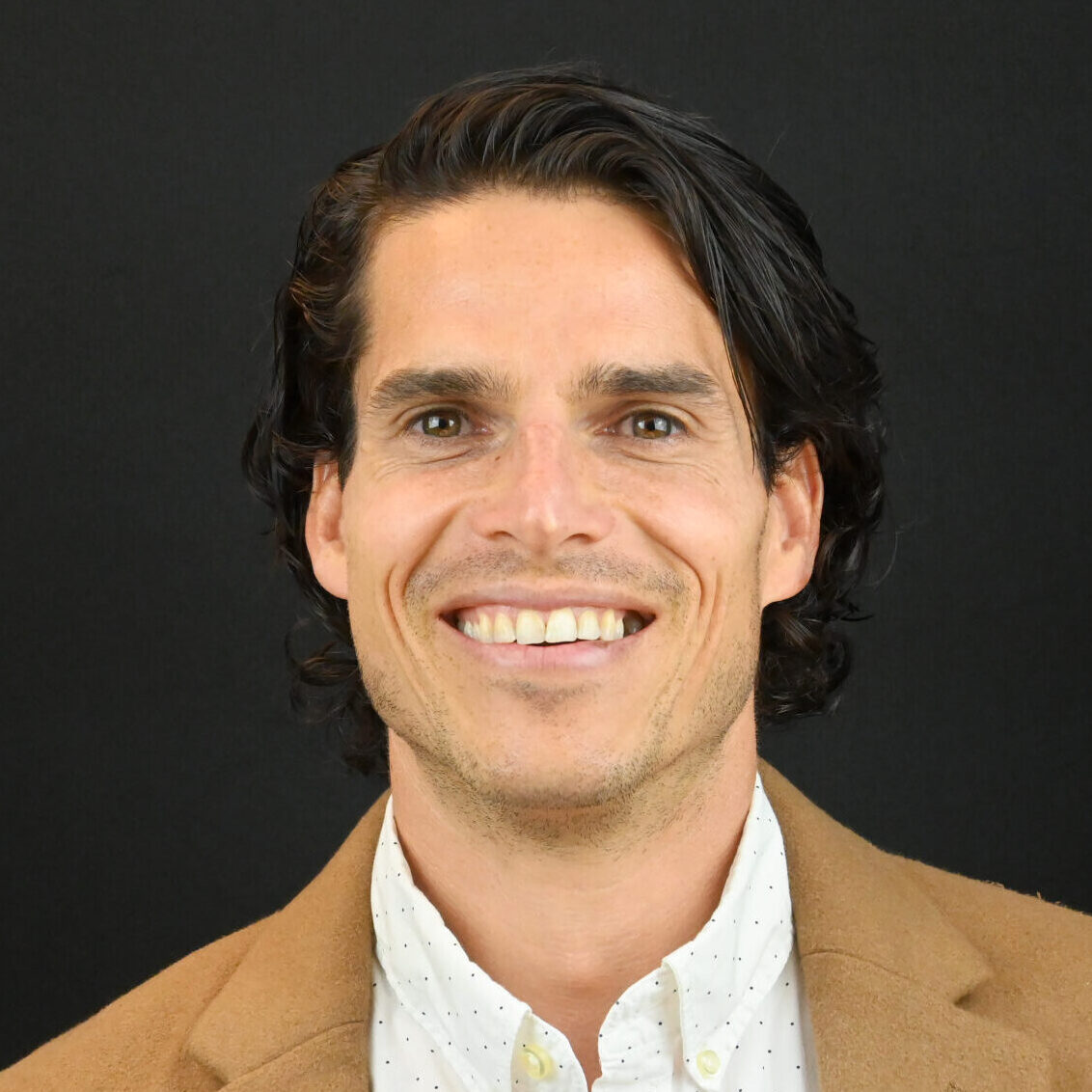
Chad Fiechter and Todd Kuethe reflect on their conversations this past year and talk about future plans on this episode of the Purdue Commercial AgCast. They cover past discussions with notable guests, including Nate Kauffman from the Federal Reserve, Matt Erickson from the Senate, Joe Balagtas from the White House, ag investing consultant Joe Suttles, and Indian hog farmer Brian Martin. Todd shares his upcoming sabbatical plans to teach economies on the Semester at Sea program, while they both share more on their recent trip to Arkansas to learn about rice farming. They explore the impact of AI in agriculture and highlight the importance of understanding different agricultural practices and community perspectives. The conversation wraps up with light-hearted discussions on personal preferences and their hopes for future podcast topics.
Audio Transcript
Chad Fiechter: Hey everybody, you’re listening to the Commercial Ag Cast.
I’m Chad Fiechter and I’m here with my co-host,
Todd Kuethe: Todd Kuethe.
Chad Fiechter: This is the conversation series where we kind of diverge from sort of our normal programming and have conversations with people that we interact with on a regular basis.
So
Todd Kuethe: We always have to start by thanking, thanking people for listening.
Chad Fiechter: This is the holidays, so it’s a time to be thankful.
Todd Kuethe: Yes. And, we’re drawing to the end of the semester.
Chad Fiechter: Because we’re so transparent, to give a behind the scenes look at what has happened and then a preview of what we think is gonna happen in the future.
So, we started this podcast And we thought, well, we could have conversations with interesting people. With the goal of learning more about the ag economy. We can’t teach Purdue Center for Commercial Agriculture people about crop budgets, they know more about crop budgets.
Yeah. Exactly.
Todd Kuethe: Than we’re gonna, right. The ag economy has these parts that we don’t necessarily think about in day to day ag economy
Chad Fiechter: Thi things that I didn’t really think about when I was a farmer.
Todd Kuethe: Yeah. What is it, when you were a farmer, you didn’t appreciate or understand, but maybe you would want to learn more if there was an easy way to do it. We’re not gonna bring somebody to talk about seed technology and whether or not to buy this kind of seed. Or like corn breeding. We’re just gonna talk to these people that maybe don’t show up on the radar quite as much.
We had some interesting conversations, with, Nate Kauffman from the Federal Reserve, Matt Erickson, who spent time in the Senate, Joe Balagtas who was at the White House. We had a conversation with Brian Martin, who’s a hog farmer here in Indiana, but at an interesting, way of positioning his business. Anyway, so we had those conversations over the last six months.
Chad Fiechter: Correct.
Todd Kuethe: And now we’re kind of wrapping up. I’m getting ready to go away on sabbatical, so I’m not gonna
Chad Fiechter: Wait a second. Todd, where are you going?
Todd Kuethe: Oh, I’m glad you asked. I’m going to be teaching economics on this program called Semester at Sea.
Chad Fiechter: Huh.
Todd Kuethe: So my wife and my two kids, age 11 and 13, and I are gonna live on a cruise ship and I’m going to teach economics when that cruise ship is moving from port to port, which is usually five to eight days sea stretches. And then when we park at a port, we’re there for six days to travel around that country. So it’s not like your regular cruise where you’re traveling at night, you’re visiting a country in a day. The next day is a different country or different port.
Chad Fiechter: But the places you’re visiting, is like Jimmy Buffet’s Margaritaville, Senior Turks and Caicos.
Todd Kuethe: Um, yeah.
Chad Fiechter: Right. That’s where you’re going?
Todd Kuethe: Yeah. Mostly. Mostly. Um. Yes. We’re gonna do a lot of like, cheeseburgers in paradise, right? Like that’s, no. In case anyone from Semester at Sea listens to this or potential semester at Sea students. That’s not at all this, this is basically your college study abroad. I run these like short term study abroad programs, right? Right. Where we’ll take a bunch of kids from Purdue College of Ag and we’ll go to Italy and we’ll visit some farms and we’ll go to like a cheese manufacturer and we’ll take a cooking class and we’ll learn about all the things we learn about in the classroom. Kind of take those into the field. Right. This is more like that. And then instead of doing it for one week, we stack a bunch of those weeks together and you’re doing this over a semester.
Chad Fiechter: Yeah, right. Full semester.
Todd Kuethe: So I’m gonna be living on a ship virtually incommunicado. We’re not, not gonna be able to keep doing these interesting conversations. This is the thing I’ll probably miss most.
Chad Fiechter: No, and this is why we’re recording an episode with just you and I.
Todd Kuethe: Correct. Andwe’re short one. We need one more.
Then I said, do you remember in the eighties, when we used to watch sitcoms and they would have clip shows.
Chad Fiechter: Yeah.
Todd Kuethe: Like I still remember enjoying the Growing Pains, the Seaver family sitting in the kitchen table and Mike Seavers, the son. Do you remember? Did you watch? Were you a Growing Pains fan?
Chad Fiechter: I did not.
Todd Kuethe: Oh, okay. You don’t need to revisit it. But I enjoyed it in real time.
Chad Fiechter: You’re significantly older than I am.
Todd Kuethe: That’s true. I’m like six to seven years older.
Chad Fiechter: Yes. Maybe five.
Todd Kuethe: But also I grew, I grew up with just my dad, so I consumed media that I shouldn’t have.
Chad Fiechter: We didn’t have tv.
Todd Kuethe: Oh, you didn’t have TV at all.
Chad Fiechter: Yeah, but that’s for another podcast. We had a TV that we could watch movies on, but those movies were fairly, like restricted.
Todd Kuethe: You didn’t even watch like two, four, and five or whatever.
Chad Fiechter: Nope.
Todd Kuethe: Like just your basic
Chad Fiechter: Nope, nope.
Todd Kuethe: Over the, over the air.
Chad Fiechter: None of that nonsense.
Todd Kuethe: Oh, wow. Interesting. Okay. Okay, so I was raised by popular media.
Chad Fiechter: No, no. My kids are living a similar experience where as a, uh, overzealous millennial parent, I have taken away their access to lots of popular media. Outside of what they consume in school.
Todd Kuethe: Okay. So I, I was raised by media and so the Seavers were sitting around the table and they’re talking about their son, Mike, and they were like, do you remember when Mike bought that car? Then it would soft focus to Mike buying a car. And then there’d be the funny little bit from that. And then they would soft focus back to the parents at the kitchen table dying laughing. They’d be like, you know, but it wasn’t always funny, remember when Carol had that tough exam? And then soft focus. Then this was a clip show, right?
Chad Fiechter: Mm-hmm.
Todd Kuethe: I was like, well, maybe we should just do a clip show.
Chad Fiechter: And I thought it was a great idea.
[00:05:00] What We Heard from Brian Martin, Episode 201
Chad Fiechter: So, but I wanted to ask you, ’cause I, I was thinking as I was coming in today. What is the most stark thing you feel like you learned by us recording conversation? So it could potentially be personal, it could potentially be like your, your mind was expanded in, in understanding the ag economy.
Todd Kuethe: What was the most surprising thing I learned or most impactful?
Chad Fiechter: Yeah.
Todd Kuethe: Mine was, uh, our conversation with Brian Martin. We were talking about immigration and his use of foreign labor on his farm. And particularly he mentioned a Visa program that is to bring in college degree holders from other countries to come work for them.
[rewind – audio from Brian Martin episode]
Brian Martin: Our industry generally today biggest need is labor oriented. Through the last 10 years, seems to be fewer people that, truly want a job, and that’s resulted in the industry, becoming a lot more active in immigrant workers. The visa that is used in our industry predominantly is TN Visa, which is a college graduate from, could be from Eastern Europe, from Africa, from Mexico. Um, we are 80% employed TN Visa, which is a three to five year. And it it puts you into a whole different process of, of finding people. The good thing is it’s you’re finding folks that, um, are looking for opportunity that want to come to work, that are leaving a place and seeing a, a broad horizon in front of them.
Todd Kuethe: That’s interesting. Well, it is sort of is a close correlation with what we do with our grad students. Right. ’cause we’re getting people from all over world.
Chad Fiechter: Sure. Mm-hmm.
Todd Kuethe: For us, Purdue sort of hangs its name out there as like this great university and then people find us.
Brian Martin: Mm-hmm.
Todd Kuethe: But how do do you have to find them or how, do you find those people specifically?
Brian Martin: Absolutely. We started looking at it five years ago, and the simple answer is, it, it is a political process. Bureaucratic, which means, little Martin Farms in northwest Indiana can’t easily connect. And the answer is actually Hanor put us onto a law firm that, they had used. And it’s an immigration company. Relationship oriented. So they will recruit, they will help you, uh, through the bureaucracy. So it’s a, you know, three month process and it was $6,000 per person, which is ominous. But when you look at at what turnover costs you, that cost small for a person that, that can do, wants to be a part of something. That was the answer.
Chad Fiechter: Is, so you, you mentioned that you’re now 80% TN visa.
Brian Martin: Right.
Chad Fiechter: How, how about production out of the sow farm?
Brian Martin: You know, over the course of six years, our turnover has moved from, um, near 80% annually to 30. And that comes with improved production.
[back to current episode]
Todd Kuethe: I’ve spent a lot, and I continually think about this. Because I thought of immigrant labor on the farms, mostly in low skill dimensions, like, I need somebody to carry stuff around or dig ditches or whatever, right? And Brian made me really think about it differently. And, and I, and you talk about specifically in, in hog farming, where I think it’s, it’s especially true, but I think it’s true everywhere. That the reason he was so attracted to bringing in this workforce is that they would do those things. Mm-hmm. But they were also smart and careful, right? So they get a college degree, which means that they have invested in themselves and that they have some intellect, right?
Because ultimately what he needs is someone who’s willing to understand and respect the risk that every time somebody comes into the hog barn, they’re potentially destroying all of your income for the next year.
Chad Fiechter: Yeah. Right.
Todd Kuethe: And maybe affecting it for multiple years.
Chad Fiechter: Sure. Right. Sure.
Todd Kuethe: Like they could bring in some weird disease on their shoe.
Chad Fiechter: Mm-hmm.
Todd Kuethe: That puts everything in jeopardy.
Chad Fiechter: Right.
Todd Kuethe: Right. But when they’re inside of that hog farm, they may have to just literally shovel turds.
Chad Fiechter: Yes.
Todd Kuethe: Right. Or identify this pig, something’s wrong with it. I need to pull it out and take a look.
Chad Fiechter: Mm-hmm.
Todd Kuethe: Right. Um, and so it’s this mix of like high intellect skill that you need, but also a willingness to like, get in there and deal with turds.
Chad Fiechter: Yeah.
Todd Kuethe: Uh, and that’s a, that’s a weird subset, right? We generally think about the economy, as economists, I think of as like there’s the people that shovel poop, and then there’s the people that, you know, your, your typical farmer is doing things that we associate with unskilled labor, but then they’re also doing things that are associated with very high skilled labor.
And what Brian talked about is having these people that are willing and excited to do both. And that a lot of times as he’s hiring people, there are people that just don’t want to deal with the low skill portion of it. And that’s how I was as a college student, right?
Chad Fiechter: Yeah. Right.
Todd Kuethe: I remember having an internship where I got asked to literally alphabetize and file stuff, and I was like, dude, I’m three credit shy of a degree in finance. Like I should be looking at your budgets and helping with that. Not just filing papers. But like somebody’s gotta file those papers.
Chad Fiechter: Yep.
Todd Kuethe: Right. And like, and that’s the same idea of like what Brian was looking for in his employees. So like that part of the conversation is like something that I still think about routinely.
[00:10:40] What We Heard from Joe Suttles, Episode 196
Chad Fiechter: I fear that my answer to the question of what is the most impactful, is more informed by what am I thinking about now. The thing that I feel like those really interesting to me right now and I feel like I learned is, is that conversation with Joe Suttles. I am familiar with farm management as being a person who is the owner of the farm, or part owner of the farm, being the manager. And so thinking about a professional farm manager who’s trying to make decisions for that farm, but it’s not really tied to their family legacy, the community. I mean, I’m not saying that Joe’s not thinking about the community, but like, I thought of my community a lot as I was making farm management decisions. But it was probably more of like a, a societal management or something like that.
Well, but there, but there’s also like, I think maybe what you’re getting at is the, that element of when you’re a business owner in a community, there’s also this concern about how you will be perceived by the community. You at least feel some ownership in the community. How it’s sort of like perceiving you and then evolving forward.
Todd Kuethe: And, and, and what Joe talked about was sort of like, he has that, but he has other communities that he’s thinking about. Right. Which is like these in investors, uh, that are maybe geographically distant or this is the first time interested in agriculture at all.
Chad Fiechter: And they may only be interested in agriculture and the financial performance or perceived financial performance of this sector.
Todd Kuethe: Yeah. They’re gonna get us four point a half percent return.
Chad Fiechter: Exactly. Right. And it’s gonna be, uh, it’s inversely correlated with the rest of the economy.
Todd Kuethe: Yeah.
[rewind – audio from Joe Suttles episode]
Todd Kuethe: I’ve struggled a little bit on communicating why we a specifically farm management class as opposed to business management. So I’m asking you can you help me?
Joe Suttles: I would go back to, I mean, I’m biased, number one, to agree with you, like, yeah, of course farm management is special and different than general business management. But yeah, I think it relies there’s such a breadth required to run a successful farm.
You’ve got to understand a ton of scientific principles. You’ve got to deal with all sorts of suppliers and vendors to support that business. You’ve got to understand incredible complexity to truly understand your cost of production. Depending on what kind of business you’re in, you know, you’ve gotta deal with customer relationships. That can be everything from your integrated contract environment to an open commodity sale process, and you’ve gotta be able to manage that. I mean, there’s classes here at Purdue,about just marketing commodities. There’s a whole lot of businesses that you could be managing. If you’re out,managing the local Home Depot, you don’t need to understand anything about hedging. You don’t need to understand long and short contracts or long and short puts.
In addition, you’ve got all of the government policy influence in farms and that’s incredibly complex and difficult to navigate. That has to be managed, right? And you have to play that game in order to be successful. Whether it be insurance products, payment systems, or NRCS related conservation programs it’s really complex.
Todd Kuethe: Well, and then we have the other side of that too, which is all of the ways that you face regulation, right?
Joe Suttles: mm-hmm. Yeah, yeah.
Todd Kuethe: Things coming onto your farms, things going off of your farm, how people and things are treated when they’re on the farm. It’s incredibly complex.
Chad Fiechter: Yeah. That’s a good answer. Thank you.
[back to current episode]
Chad Fiechter: So that’s the thing I’ve been thinking about the most, and, uh, because I’m teaching this farm management class, and so that’s informed sort of how I think about the class and I’m thinking about rewriting it for next year and trying to think about, you know, what are the unique parts of farm management that I truly want to communicate to students, uh, and have them think about.
[00:14:15] What We Heard from Joe Balagtas, Episode 199
Chad Fiechter: Yeah. So I feel like that’s been really thoughtful. And, and then I was thinking about Joe Balagtas and Matt Erickson talking about the policy world and thinking, oh, these are just people doing jobs. Uh, you know, like they’re thoughtful people, but they’re just doing jobs, kind of like farmers are doing their jobs as well.
Todd Kuethe: I think the thing that really jumped out from me talking to them is just the boring nature of just a job. It’s more like working at Dunder Mifflin on the office.
Chad Fiechter: Right.
Todd Kuethe: Than it is on like working on the West Wing, the TV show, the West Wing.
Chad Fiechter: No, that’s a hundred percent what I think of when I think of policy, like when you said West Wing, I was like, the one thing I think about whenever, when everyone’s like, how does, how does politics work? What I’m thinking is West Wing.
Todd Kuethe: Yeah. Or what was the, uh, Netflix had the one. I didn’t ever watch it. It was really popular. Uh, Kevin Spacey.
Chad Fiechter: Mm. Didn’t watch that.
Todd Kuethe: But there’s all these politically intrigue and in some way Game of Thrones has that, right? Like where they’re fighting over who’s gonna be the king. But really it’s just, just like, I’m just showing up and I gotta make these calls. Or so-and-so’s come in, I gotta listen to ’em.
Chad Fiechter: It’s more I gotta go to dinner and convince someone that I need these votes, which seems like a really big deal. Right? If what you have to do is you gotta go get these votes, but they have to do that again tomorrow. I was struck by how it’s just routine job stuff as opposed to these big , more elaborate situations. And you go home and you sleep for the next week ’cause you got the votes and you’re done.
[rewind – audio from Joe Balagtas episode]
Todd Kuethe: Walk us through a day. What’s a typical day look like? How do you spend your day?
Joe Balagtas: Yeah. So at any given moment, any given day, I might have three or four projects that I’m working on. Some of them are regular, right? So I was in charge of the Industrial Production and Utilization Report, monthly report that comes out of, the Fed. And whenever that came out, we would get a early peak at it, 24 hours before it was released. I’d write a memo with my team, and send that to the President so he knows what the news is gonna be the next day. like, you know, two or three bullets. Right. Here’s what you need to know, Mr. President, about industrial production in the country over the last month.
Todd Kuethe: Do you think the President read it or somebody who works for the President? Who are you writing this for?
Joe Balagtas: So that report was written for the President and anyone else who would be in the Oval Office with him when it was shared with him.
Todd Kuethe: Okay.
Joe Balagtas: Right. Did he read it? I don’t know, maybe. I think somebody before the President decides what’s newsworthy and what’s important for him to, to read.
Todd Kuethe: Someone in the filter of, ’cause he’s gonna get these things handed to him all day long.
Joe Balagtas: Right. And so if there’s some big breaking news in industrial production, that memo might come across his desk.
Todd Kuethe: Are you in a group? So like there’s some portion of your day then where you’re like just reading in isolation in your desk, right?
Joe Balagtas: That’s right.
Todd Kuethe: But then there’s some part where you’re gonna get together with your colleagues and say like, well here’s my take on this. Here’s what jumped out to me. Right. You say it’s a mix of sort of like monastic alone time consuming information
Joe Balagtas: Correct.
Todd Kuethe: then breaking it down with other people.
Joe Balagtas: Yep. And for those regular reports, I’d be the lead. I’d read the industrial production report. I’d draft a memo,and I’d give it to a junior economist, would draft the memo, it would come back to me and I’d say, yep, that looks good. Let’s send it on.
Todd Kuethe: And then did you present any of the stuff, like verbally, not just in writing, like would you go in and brief the President or a team of people?
Joe Balagtas: I never briefed the President. Mostly, I would brief the Chair or one of the members. And either the chair or the member would go to the Oval Office and present the work to the President.
[back to current episode]
[00:18:07] What We Heard from Matt Erickson, Episode 185
Todd Kuethe: And I think it, it gets to the idea that I think we both have a fascination in tasks and, and we’ve asked it a lot to our guests, but though, what are the tasks that you’re doing? Because even in, and like when I’m teaching class and I’m, and I’m talking about a big overarching topic, it usually boils down into there’s things that you have to do. So that’s something that I feel like came out very strong in our conversations is that there are people doing tasks that make the big overarching topic work.
[rewind – audio from Matt Erickson episode]
Todd Kuethe: So, so you’re in a series of these kind of back to back meetings, what? Half an hour, hour, 15 minutes, something and a range of regular every job meetings. Right. And you do that through like, till their early evening time till it’s time to go in for dinner. Kind of?
Matt Erickson: Yeah. When it could, when it gets close to a farm bill, it’s, it’s always you’re nonstop. Um, and again, because the farm bill’s just so massive when you think about ag and, and nutrition legislation. You get all these different groups with all their policy priorities. But then also too, and I haven’t mentioned this, but a lot of our time too is keeping good relations with our counterparts on the Senate Dems. Um, especially with ranking member Stabenow’s staff. And so we had a great working relationship. The Ag Committee has always been known for bipartisan work. Bipartisan ship’s not easy, and I think we’re seeing that in today’s world.
Todd Kuethe: Yeah.
Matt Erickson: Um, and I hope we get back to it. I was always taught here, you know, in my upbringing and policy is if you go into a negotiating room, you’re talking back and forth, there’s conversations that are heated. People are passionate about policy. But once you leave that negotiating room, remember people are people. And asking them, Hey, let’s go have a beer, you know, I wanna know more about your family. And so having those conversations. And again, a lot of my friends were on ranking member Stabenow’s team at the time. I hope we get back to those bipartisanship roots that, that we’ve been accustomed to.
Long story short here guys, is when we think about the work of the committee and you work for farmers and ranchers and what they need is they need that predictability and they need that certainty to get a farm bill done. And so that was our task and we, we were able to get the job done.
[back to current episode]
Todd Kuethe: The other thing that’s surprising about doing this podcasting, I’m surprised how much it has plugged into the other activities I have in my life. Uh, professional life. Yeah. Uh, and that like my research, um, advising graduate students, but particularly like in the classroom, like I taught micro the intro micro class for the first time this year.
And a lot of the examples are, like I talked about our conversation with Matt Erickson and policy Sure. When I talked about policy, um. When I talked about decisions that a firm has to make, I talked about our conversations with Joe Suttles or conversations with, Brian Martin. Right? And like, here’s how these decision makers, you know, they gotta do this or that. Here’s a real concrete example.
Chad Fiechter: Um, so if our boss is listening, this was really worth our time.
Todd Kuethe: Yes.
[00:21:02] Where We’re Going
Chad Fiechter: What are you currently thinking about now? Because what I didn’t anticipate in doing this job is how frequently, sort of my fixations are like monthly, where all of a sudden it’s like, the thing that I’m most interested in right now is this, and it’s because I went to this thing and I talked to this person.
Todd Kuethe: So mine is, this actually kind of previews what we’re gonna be playing while I’m gone. We have sort of hinted at, last summer we did in June, we went to Arkansas to learn about rice.
Chad Fiechter: Yep.
Todd Kuethe: We went and visited a bunch of rice farms because we didn’t know anything about rice. Went there and found out we knew even less than we thought we knew. But just to kind of learn about farming and agriculture and something that’s kind of outside of our normal space.
Chad Fiechter: Yes.
Todd Kuethe: And we got to meet a lot of great experts that have devoted their life to rice, either as farmers or researchers, all these sort of dimensions.
Just last night I booked my family and I, when we are in Thailand, that’s where we start our voyage. We’re going over a few days early to just kind of hang out and it’s also a 12 hour time difference.
Chad Fiechter: Yeah, I, that’s horrifying.
Todd Kuethe: And so I’m going to Thailand a week early in part to have vacation with a family and enjoy the holidays. But in part, ’cause it’s like the real motivation was like, I need to be able to teach.
Chad Fiechter: You need to hit the ground running.
Todd Kuethe: I need to be able. Yeah. So I’m gonna, I’m gonna go and I’m not too, I’m too old to hit ground running. I’m gonna go hit the ground walking. Right.
Uh, so I just booked last night in Thailand. We are doing this thing called a rice farm experience. We’re gonna go plant rice.
Chad Fiechter: Wow.
Todd Kuethe: We’re gonna go harvest rice, we’re gonna mill rice. We’re gonna make something with that rice flour. All in Thailand. Learn about Thailand rice production. I have never been more excited about a vacation activity in my life. Because we went to Arkansas, I am now gonna come into it with this view.
Chad Fiechter: Yeah.
Todd Kuethe: And that’s, and that’s why I’m doing this sabbatical. Right. Um, so just to kind of give maybe our listener, if our listener is not familiar with the university life, every.
Chad Fiechter: At least here.
Todd Kuethe: At least here and and most places like here. So if you think about your land grant universities, um, so your University of Illinois, Iowa State, right. Like our, our sort of sister peer institutions. Whatever you wanna call us. Every sort of, let’s say six to seven years, you can take a semester to where you get relieved from your duties here to go pursue something else on the grounds that it’s something that will contribute, that you will bring back here. Right.
Chad Fiechter: Right. So like you will be better.
Todd Kuethe: So like Joe Balagtas did a leave to go work at theCouncil of Economic Advisors. We had that great episode with Joe. Then Joe can come back here and when he’s teaching his students about policy, he can be like, well, based on my time in the White House, here’s how I know this actually works. Right,
And so my thing here is to go and learn stuff that I can bring back. Um, and so like we’re visiting a bunch, I’m gonna visit a bunch of farms and that kind of stuff while I’m traveling. Uh, but this one is more where I’m like, oh, I’m gonna see another dimension of rice. And another, like a more traditional or hands-on or other part of the world, rice production. I’m so excited to go to that as an economist and think about it that way.
Chad Fiechter: I, I fear that, uh, we may alienate not only have just alienated the, the workforce that has to switch from daytime to nighttime. Mm-hmm. But. Just normal people. When I say it also does sound really cool.
Todd Kuethe: Yeah. Oh yeah. No, no. I think that everybody’s also, oh, that sounds cool. But they also like, that sounds terrifying to live with your family in a small cabin on a ship and, uh, hopefully don’t all hate each other. Right. That’s, that’s the, that’s the, the downside where we’re, thinking about. But, so I’ve been spending a lot of time preparing for this voyage. And kind of thinking about this stuff strategically, I want to try to see to help me understand better, and part of it is like seeing farms, but also see the way that food is marketed and produced and sold and consumed around the world. Uh, whenever I travel anywhere else in the world, the number one thing I always have to go to is a grocery store.
Chad Fiechter: Yeah.
Todd Kuethe: And I don’t mean like wet market, like a seller of fresh fruit or a lady that’s making noodle. I mean like, take me to your equivalent of Safeway. Or Anderson’s for if our listeners’ out west. Right?
Chad Fiechter: There you go.
Todd Kuethe: Right. Like, just like your run the mill.
Chad Fiechter: The Piggly Wiggly.
Todd Kuethe: Yes. Your Piggly.
Chad Fiechter: Publix.
Todd Kuethe: Yeah,
Chad Fiechter: We’re just trying to hit all the demographics here.
Todd Kuethe: Oh, yeah. Yeah. I gotta say Schnucks.
Chad Fiechter: Schnucks.
Todd Kuethe: For my St. Louis listener.
Chad Fiechter: Wegmans for those of you in the Northeast.
Todd Kuethe: Oh yeah. And those people, they have it. Good man. Wegmans is nice.
Chad Fiechter: They they do, they do, um, subbing other grocery chain from the region we missed.
Todd Kuethe: Also, um, if you’re listening now and you want us to put in post your grocery store as a, as a plug and advertisement, we can work that out.
Reach out.
Yeah. Um,
Chad Fiechter: Oh, do you know if you have a clickable donation link in the CCA now?
Todd Kuethe: No, I didn’t.
There’s literally a clickable link.So if you are enjoying this podcast and you’re like, how can I kick a couple shekels to keep this going
Chad Fiechter: Because we only take shekels.
Todd Kuethe: Or, or if you want to shut us down, if you want to say, I will bid you out and make you never do this again. That’s also, that link could maybe work as, just put us in the show notes, which one you want.
Chad Fiechter: As, uh, as economist the market goes both ways.
So what I’m thinking about a lot is just the variety that is the agriculture sector globally, and how I’m gonna try to intentionally consume some of that.
So that gets into, I’m, I’m gonna go outta order and say what’s ahead is, we went to Arkansas, we met with these people, we learned an immense amount, and we made podcasts the whole time we were doing it. So while Todd is gone,
Todd Kuethe: Quite literally driving around on a truck podcasting,
Chad Fiechter: We have no idea how it’s gonna sound. It, it might not be great, but it was kind of this idea of like, we’re gonna experiment. We want to, we, our intentions are to learn about the ag sector, so let’s go somewhere else. And as a farm kid. Um, and I think you too, as a, a kid who grew up in a rural area, like I just like rural places and I like learning about rural places. And so we just had a lot of fun and, and, uh, hope is we do more.
Todd Kuethe: And, and I like the culture of it too. Like, ’cause we also, in addition to walking around learning about rice farms, we also like went to a barbecue restaurant.
Chad Fiechter: Correct.
Todd Kuethe: We went to a private club as a way to get Sportsman’s to get around and it’s called Open Season.
Chad Fiechter: Oh yeah, you’re right.
Todd Kuethe: A way to get around local dry county policies, you can have alcohol at a private club. Right, right. But it’s there to cater the duck hunter. So we were in like a duck hunter themed bar.
Chad Fiechter: Yes.
Todd Kuethe: Um, so we, we got into the local culture a bit too.
Chad Fiechter: We did.
Todd Kuethe: Not just the agriculture, uh, which is something we both love.
Chad Fiechter: So that’s what we’re excited to share is that although Todd will be around the world 12 hours away. Uh,
Todd Kuethe: Starting 12. I’ll work my way back to six.
Chad Fiechter: Starting 12. Yeah. Uh, like the podcast doesn’t end, right? Yeah. Like, that’s the, but for those of you who wanna shut us down again, there’s options here too.
Todd Kuethe: Yeah.
Chad Fiechter: So, like, just to like buy out the market exists. So that’s what’s ahead is that while you’re gone, we’re gonna u we are going to release the Arkansas trip where it was largely centered around learning about rice production. Something I knew nothing about, something that, I mean, arguably you’ll come back from the voyage, an expert, even deeper expert than you are now in rice production.
Todd Kuethe: As a professor, I get nervous when you say the word expert.
Chad Fiechter: Mm.
Todd Kuethe: Um, I will know enough to be dangerous.
Chad Fiechter: Yeah.
Todd Kuethe: I will be at that, remember that, uh, is it Dunning-Kruger Curve or whatever?
Chad Fiechter: Yes.
Todd Kuethe: Like what you know, what you think, you know. I will probably be at the peak where I think I’m an expert.
Chad Fiechter: Yeah.
Todd Kuethe: But that’s because I know just enough to be able to like, be like, well that looks like row rice, not paddy rice. Uh, but not enough to really know, you know what I mean? Like to acknowledge what I don’t know.
Chad Fiechter: Yes.
Todd Kuethe: But I could be a water chaser.
Chad Fiechter: You could be a water chaser. Yeah. Um.
Okay, so then that gets to, what am I thinking about right now? Yeah, because the, the people that we were with were Aaron Shew. Aaron Shew works for a company called Acres, which is a, I think they call it a farmland intelligence platform. And you’re gonna hear from him in the podcast. And Colson Tester who worked for Acre Trader, which was the investment sister company of Acres. This information platform. Aaron was recently promoted to Chief Technology Officer. So he’s an ag economist who is really spent a ton of time learning about the tech sector.
Todd Kuethe: He’s also a trained geographer. Right, he’s he ag economist slash geographer slash technology.
Chad Fiechter: You called him a polymath, which I had to look up what that meant. So do you have a short definition of what a polymath is?
Todd Kuethe: So poly means many.
Chad Fiechter: Oh, wow.
Todd Kuethe: Math means math.
Chad Fiechter: Wow. That’s really good. I like to, I like to get to the, that’s like walking and tackling.
Todd Kuethe: I like to get to the etymology.
Chad Fiechter: Yes. As quickly as I can. Entomology?
Todd Kuethe: No, that’s bugs.
Chad Fiechter: Okay.
Todd Kuethe: Etymology is the study of words. Uh, it means, someone who is skillful in multiple dimensions. Knowledgeable about many things.
Chad Fiechter: So that is Aaron in a nutshell.
Todd Kuethe: Yeah. Like I, like I could, I feel like we should just have a podcast episode where we just throw stuff at Aaron and just see how many things he’s knowledgeable about. ‘Cause I feel like he’d be like, yeah, you feel like he’d be like, if you ever read any Faulkner, and he’d be like, oh, everybody reads this book, but you should really be reading this book. Like, and then you could be like, Hey, what’s your favorite go-to snack at an NFL game and he’ll be like, well, it depends where you are. If you’re in Charlotte, you get this right.
Chad Fiechter: Yeah, I know.
Todd Kuethe: Like he just knows,
Chad Fiechter: He does.
Todd Kuethe: Sort of everything.
Chad Fiechter: And he’s very nice and uh, personable and unassuming. So I got to ask him a lot of questions and he has a perspective about large language models in AI. And that perspective is what we have yet to see what the real impact of that’s gonna be.
[00:31:27] What We Heard from Brant Caley, Episode 192
Chad Fiechter: And so in conversations with him, it started me thinking about how do I use AI? And it’s gonna tie back to the podcast because what I realized is the way I use Chat GPT is to ask questions I’m too embarrassed to ask you about. Right. And so when we hit these situations where I hit these points where I’m like, oh, I don’t think, and a lot of it like you, what you’re thinking, if you’re thinking dirty thoughts, I would challenge you that what I’m thinking about is technical sort of questions.
Todd Kuethe: Oh, I was gonna say, I’m glad to know that I’m not gonna have to look at your moles, that you’re just gonna give Chad GPT pictures of your moles.
Chad Fiechter: Well, for, I still want you to look at the moles because there’s still a couple that are growing in ways. Um, but I use it constantly to like give me intuitive explanations of things I don’t quite understand.
And so it ties into this podcast, ’cause I think I asked a lot of those questions. If I think back to the questions I asked to these people, a lot of it was, can you help me understand your world? Can you help me explain? Can you help me understand why you’re making these decisions? And, and how you would think through these things?
And I use it because I like to uncover those insights conversationally. So I really enjoy about this podcast that I get to interact with people who are really, really intelligent and really, really diversified in their experiences, and I can ask ’em all these questions. What I realized is that’s how I use Chat GPT almost on a daily basis at this point. Where uh, my wife jokes that like, I’m, I have a relationship with it. I do not. It’s just that I feel very comfortable asking lots of questions and saying, I didn’t really understand how you explain that. Can you explain it? Like, you know,
Todd Kuethe: Oh yeah.
Chad Fiechter: Assume I’m younger. Assume I don’t really understand mathematics that well assume. Um, and it’s unbelievable at that. And it has greatly increased my productivity because I don’t hit these points where I have a question and then I don’t go and ask a question to a human being because I’m too embarrassed. I just asked Chat GPT. Okay, so now I’m gonna tie it all full circle.
I felt that way all the time. Farming, there’s so much that goes on in agriculture and if you’re a farmer that you can’t understand. And so you could go hire an expert, but it’s likely gonna cost you a lot of money or you could talk to a friend. But a lot of times those friends are also farmers and so you feel a little bit competitive or that you shouldn’t ask it, or it’s just someone that like maybe has the insights and isn’t competitive with you. But I’m too embarrassed to ask the question.
So is is like farm management and is AI gonna transform the ability of not only farmers, but like small business owners to have access to information and insight? That we never had before at such an inexpensive level, right? You could get the insights, but you had to pay for it. Um, so that’s what I’ve been thinking about recently.
Todd Kuethe: Well, I use AI mostly as a filter. So for example. Tie back to
Chad Fiechter: Like a coffee filter?
Todd Kuethe: Um, sort of.
Chad Fiechter: Okay.
Todd Kuethe: But, um, more of like an information filter.
Chad Fiechter: Oh, okay. I was gonna say I didn’t,
Todd Kuethe: Where I, uh, so I’m getting ready to go on this voyage, right?
Chad Fiechter: Yeah.
Todd Kuethe: And, um, I need to book a number of things, like a, like a tour of, uh, this rice farm, right?
Chad Fiechter: Yeah. Yep.
Todd Kuethe: And I can go on TripAdvisor. And there’s like hundreds of reviews. And what I would do historically is like read all of those.
Chad Fiechter: Mm-hmm.
Todd Kuethe: And then like, these gravitate from me. These don’t, or whatever, like, here’s, but I would now I’ll just send that link to my, uh, AI of choice and just say, can you summarize?
Chad Fiechter: Yeah.
Todd Kuethe: All the reviews of this?
Chad Fiechter: Yeah.
Todd Kuethe: And then say, okay. If you look at just the one star reviews, what’s the thing that they mention most?
Chad Fiechter: Yeah.
Todd Kuethe: In there, right? And if they’re like, oh, they all say the food’s too spicy, then I’m oh, well that’s, that’s one I gotta think about ’cause I don’t do spicy food well. But if they’re all oh, like it was just too much information about how rice is farmed, then I’d be well, that’s what I want. That’s like, that’s not a one star to me.
Chad Fiechter: Would’ve been a five star for me.
Todd Kuethe: Yeah, right. I use it in a filtering thing, right? So the other thing is they talk about like technology adoption, that we generally first use technologies to reduce costs. That’s a cost reducing thing, right? I guess I’m gonna waste less time reading all these reviews myself and just gonna have ’em summarize ’em.
Chad Fiechter: Yeah.
Todd Kuethe: Right. Um. But then after we’ve reduced our cost, then we use it to like productivity gain. So there’s like this second generation that I think we’re still not maybe there on AI. At least I’m not there on AI. Some people might be.
Chad Fiechter: Okay. So the thing that I feel like, so Aaron, just, just when he, he was just here on campus and we were, and this, this is why I’m talking about it ’cause. It’s very fresh. Um, is is that there’s also sort of like you can use, you can create these projects or notebooks where you can, you can upload your, the information you want it to be thinking about in addition to sort of the full internet, uh, for a particular topic, and then allow it to draw insights from that body of work in addition to the internet. I’m thinking about this because there’s a lot of knowledge that you generate or you, you leave for a while and then you have to come back. And I remember sort of like even in our world today, like we have projects that we kind of set aside and then a month later we have to come back and it takes a couple hours to like get your head back into it.
Todd Kuethe: Yeah.
Chad Fiechter: Or, or reminded.
Todd Kuethe: Or, the classes that we teach are usually once a year.
Chad Fiechter: A hundred percent. Yeah.
Todd Kuethe: Right. And so you, you’ve been thinking a lot about your farm management class. But then come August, you are gonna have to think about it again. You’re like, what was I even thinking about in December? Unless I kept notes for myself.
Chad Fiechter: No, that’s it. And that’s literally what I’m thinking about because I, that’s what I’m gonna do. So I’m, I’m trying to like rewrite the class in January as opposed to waiting till August because this is all fresh. Anyways, I just think that’s really interesting to think about if we, if we’re coming and going with information and even, uh, project specific information, can AI help that? And it is still lowering cost. I think it still, as the way you’re explaining it, like I’m still thinking it’s lowering cost. But this experience of thinking about how do I use AI? How do I prompt it? What is it capable of? It feels like we’re at a point where that’s what we should all be doing. Is exploring personally, how does it help us? How could it help us? To sort of envision a world where we could move beyond just reducing cost, to the does it make us better?
Todd Kuethe: So the other way that you and I have used AI together recently. Was looking at astrology, which I’m not a believer in astrology. Are you a believer in
Chad Fiechter: No.
Todd Kuethe: I didn’t think so. Right.
Chad Fiechter: Yeah.
Todd Kuethe: Uh, but Chat GPT can read people who believe in astrology and we were asking where we should live.
Chad Fiechter: It’s true.
Todd Kuethe: Based on when we were born and the star signs and all that stuff.
Chad Fiechter: Yeah.
Todd Kuethe: That was fun.
Chad Fiechter: It was a useful exercise.
Todd Kuethe: Yeah. At least, at least gave us something to talk about at lunch.
Chad Fiechter: We had a great time at lunch.
Todd Kuethe: Yeah.
Chad Fiechter: Yeah. And I think hypothetically, yeah. So for, for the sake of just discussions, uh, it’s really good at hypothetical. Yeah. Questions. Right? And, and those can be nonsensical. So I The would you rather, right now is a big thing in my house. So a 6-year-old and two three year olds frequently ask me, would I rather, and then two nonsensical things.
Todd Kuethe: Yeah.
Chad Fiechter: It it’s fantastic with that.
Todd Kuethe: There’s a whole kid show on that. Uh,
Chad Fiechter: Really?
Todd Kuethe: Coat and Cami. That’s like, you should watch it with your kids.
Chad Fiechter: Wow, okay.
Todd Kuethe: I don’t know if they’re quite there yet. They’re probably still in cartoons.
Chad Fiechter: They are.
Todd Kuethe: Yeah. But when they get like, sort of late elementary that that’s gonna be a hit. Our kids, our kids devoured it.
Chad Fiechter: What I would, what I have learned about AI is it might not give you the same response every time.
Todd Kuethe: Oh yeah.
Chad Fiechter: Right. So if you give it the same hypothetical situation.
Todd Kuethe: Just like a real person does.
Chad Fiechter: Just like a real person, right?
Todd Kuethe: Yeah.
Chad Fiechter: Yeah. So I would say it is, uh, the word is vexing me. This idea of like everyone’s talking about AI. I wish it would go away truthfully because like, I feel like there’s so many things I don’t understand pre AI, and now I have to try to understand this thing in addition to the things I didn’t already understand. Uh, that’s my very head in the sand sort of look. But I think, I feel a little hopeful. I think that’s the thing, is I feel hopeful that this is really, truly an innovation.
Todd Kuethe: Well, when I was in college, everybody was taking this one class, uh, to learn about this new technology. And I did not take that class. Because I will, I was like, when am I ever gonna use that technology? And that technology’s gonna change, right? So I’ll learn about it now. But then like a year from now, that technology’s gonna change, and why, why did I ever learn it in the first place?
Chad Fiechter: What was that technology?
Todd Kuethe: Microsoft Excel.
Chad Fiechter: Wow.
Todd Kuethe: So the point is don’t ask me about which technologies you should learn and how they’ll be useful in the future.
Chad Fiechter: No, I, same. Like I tell, I’ve told this story, I just gave a presentation on Wednesday and what I distinctly remember is Brant Caley was our, was one of our guests. I think I told this story that I told him that, uh, blackberries were so much superior to iPhones. Like again, like we’re not the technology prognosticators.
[rewind – audio from Brant Caley episode]
Chad Fiechter: So this is a question for both of you because like sometimes I don’t even know what my problem is. Right? Like, I think that that’s the thing. With, with like smartphones. I remember distinctly riding to a basketball game with your parents and you had a new, you had the original iPhone. And I was like, dude, we’re never gonna type on screens, right? Like, we’re never gonna use the keyboards on screen. So I’m like, how? Like that’s a daunting task. How do you think through that? Like, frequently? I don’t know what,
Brant Caley: Yeah,
Chad Fiechter: Like if you would, if you interviewed me, I am terrified at what you would develop that I probably won’t use in the future.
Brant Caley: Yeah. I, again, I don’t want to act like I have this all figured out, but I do think that you’ve just gotta figure out how to solve a problem. And if you solve that problem really well, like the users, like the people will come to it. Because, like the iPhone, you’re right, typing on a screen like it is worse than typing on a Blackberry. It, it just is worse. But it’s like, oh, yeah, but also you like, can watch movies way better or whatever. Right?
So they’re, they’re like, and, and if you look at like farmers and technology adoption, I do think that like great products get used. Precision Planting has a great product that almost every farmer that I talk to, they have a Precision Planting.
Chad Fiechter: Yeah. Right.
Brant Caley: A unit. And it’s like, well, they, they like created something great and they figured out how to get farmers to use it, and they solved a problem and they nailed the price point. And, you know, there you go. You have a bus. Like, sometimes, sometimes that’s how easy.
Chad Fiechter: Yeah.
Brant Caley: How easy it is. So I think that you just have to start with, from my perspective, start with the problem and then how do you come up with an accessible solution for that? I don’t know. We’ll, we’ll see if we continue to pull that off.
[back to current episode]
Todd Kuethe: You can tell, uh, I think about things very differently. ‘Cause when you said blackberries are better than,
Chad Fiechter: Yeah,
Todd Kuethe: I thought you were gonna say raspberries.
Chad Fiechter: Oh.
Todd Kuethe: Or blueberries. And in either case I would say you’re right.
Chad Fiechter: Really?
Todd Kuethe: But I thought we were talking about the fruits. I thought you were getting ready to talk about fruit.
Chad Fiechter: Huh.
Todd Kuethe: And I think the blackberry is an underappreciated fruit.
Chad Fiechter: No, I agree. But it taste,
Todd Kuethe: I think appropriately appreciated technology device.
Chad Fiechter: Yeah.
Todd Kuethe: Underappreciated fruit.
Chad Fiechter: So this, this leads into a better question, which is, um, I asked the kids last night, if they could never have bananas again or you could never have chicken again. Which one would you take?
Todd Kuethe: Oh, I feel like I would give up chicken.
Chad Fiechter: Say same.
Todd Kuethe: And here’s my reasoning.
Chad Fiechter: Well, I got a follow up question that’s gonna blow your mind.
Todd Kuethe: Because chicken is not any good, no offense to the chicken farmers or big chicken listening,
Chad Fiechter: Oh cheese.
Todd Kuethe: What chicken is good for
Chad Fiechter: Someone. Someone just put a ding, ding, ding. Someone just put $50 on the website, shut ’em down.
Todd Kuethe: Is chicken as good as a delivery for other things?
Chad Fiechter: Like, like flavor?
Todd Kuethe: Yes.
Chad Fiechter: Yeah.
Todd Kuethe: Like, like, like breading, right? Any kind of breading on a chicken. Yeah, like love it, but I could eat, I could eat fried batter off of a stick. Right.
Chad Fiechter: You can’t eat the stick though.
Todd Kuethe: I could dip a stick in ranch dressing and enjoy it.
Chad Fiechter: Okay.
Todd Kuethe: Right. Like all of the things about, but bananas, I eat just the banana.
Chad Fiechter: Yeah.
Todd Kuethe: Right. Like I’ll eat a banana, like if I ever eat just a chicken.
Chad Fiechter: Yeah.
Todd Kuethe: Breast, wing, leg, anything. If you don’t at least marinate it in some, uh, buttermilk or put some salt or garlic on it, like I’m not having it, I’m not gonna eat just plain chicken. Plain banana that’s like a little gift right there.
Chad Fiechter: Okay, so sidebar, we started our journey through Arkansas by flying into Memphis and went and had fried chicken at
Todd Kuethe: Gus’s.
Chad Fiechter: Gus’s
Todd Kuethe: World famous.
Chad Fiechter: And like perfect example of like,
Todd Kuethe: So if you’re listening
Chad Fiechter: A song, a song of fried chicken, like it was beautiful.
Todd Kuethe: Yes. If you, they’re world famous. Gus’s world famous fried chicken.
Chad Fiechter: Is what sign says.
Todd Kuethe: Yes. So if you are listening to us from the world. We could have just said Gus’s. ’cause you would know.
Chad Fiechter: Good point.
Todd Kuethe: It’s famous.
Chad Fiechter: Good point.
Todd Kuethe: Throughout the world.
Chad Fiechter: Yeah. As a, as a terrestrial meaning on this earth.
Todd Kuethe: Yeah. I brought a cup home. That’s how I remember the name. So, ’cause I used the cup. ‘Cause my son August, we call him Gus.
Chad Fiechter: Gus.
Todd Kuethe: I call him Gus.
Chad Fiechter: Yeah.
Todd Kuethe: So it’s Gus’s fried chicken.
Chad Fiechter: Okay. So sidebar ended.
Alright, so follow up question is now, so I chose the same chicken would be the thing. What if flip it? You can only have bananas or only have chicken. Which one you’re choosing?
Todd Kuethe: And nothing else?
Chad Fiechter: Boom.
Todd Kuethe: Oh, I’m going chicken.
Chad Fiechter: See, that’s an interesting thing.
Todd Kuethe: Because you can sustain on chicken.
Chad Fiechter: Yes.
Todd Kuethe: I feel like if I ate nothing but bananas, I probably should change it. One, could I, could I survive? You have, could I survive?
Chad Fiechter: You’d have to. It’s a fortified banana.
Todd Kuethe: Yeah. Protein rich banana. Something like it’s a protein rich banana because, uh, does it have everything you need to survive. Also, I feel like you would just like have that banana taste all the time.
Chad Fiechter: No, agreed. But like that’s the thing is it’s really interesting is that if you, it posed one way, banana’s, a clear winner posed the other way. Banana’s, a clear loser.
Todd Kuethe: Am my constrained in my other mouth based activities that are not eating. Specifically, can I still drink whatever I want?
Chad Fiechter: Oh
Todd Kuethe: Can I take up smoking? ‘Cause I feel like if I was just eating chicken all the time, I’m probably gonna take up smoking. Just to taste something else.
Chad Fiechter: To feel something. Yeah.
Todd Kuethe: Yeah. And hopefully if, if, if, if the anti-smoking campaigns in my youth are correct, hopefully to just kill my taste buds.
Chad Fiechter: It’s true. Well, um, I’m realizing now. That it’s not a perfect hypothetical situation. I haven’t accounted for all of the nuances that probably should have been thought through prior to voicing it on this podcast, a podcast of this level.
Todd Kuethe: Yeah. Anyway, this is what I love about parenting.
Chad Fiechter: Yeah.
[00:46:40] Wrap Up
Todd Kuethe: So to kind of wrap this up, if we,
Chad Fiechter: What have we done?
Todd Kuethe: If we even have anything to wrap up, we wanted to sort of touch on some of our milestone, our favorite moments.
Chad Fiechter: Yes.
Todd Kuethe: From our previous podcast. Encourage you to go back and listen if you haven’t yet. They’re really great. We’re gonna be taking a pause from that sort of series.
Chad Fiechter: Mm-hmm.
Todd Kuethe: While I’m away. But we’ll have some new content coming to you when I get back in the summer.
Chad Fiechter: Right.
Todd Kuethe: But in the interim, all of our conversations are gonna be drawn from this trip that we did to Arkansas to learn about Delta rice farming. And, hopefully you enjoy it. We enjoyed it immensely. Our goal, my goal at least, is that we will continue to do things like that again. Where we just could go and intensively learn about something in a different place.
Chad Fiechter: Not necessarily having to be pertaining to rice, but if more rice experiences present themselves, we’re amenable.
Todd Kuethe: Yeah. I feel like I don’t want to have a rice podcast.
Chad Fiechter: Not yet.
Todd Kuethe: Uh, I don’t wanna be a rice economist just yet.
Chad Fiechter: Yeah.
Todd Kuethe: Um, I would love to get into permanent crops.
Chad Fiechter: Mm.
Todd Kuethe: I’d love to go out to like Pacific Northwest or California. I’d love to learn about dairy. Go to some dairies. Like those kind of things. We wanna do that kind of trip.
Well, thank you for listening. Chad, thank you.
Chad Fiechter: Hey, thank you Todd, and enjoy the voyage.
Whoosh in-out #1 by beman87 — https://freesound.org/s/162841/ — License: Attribution 3.0
TAGS:
TEAM LINKS:

RELATED RESOURCES
UPCOMING EVENTS
We are taking a short break, but please plan to join us at one of our future programs that is a little farther in the future.