May 20, 2026
AgCast 219: Why Profitable Farms Still Run Out of Cash


Margins are tighter. Interest costs are higher. And many farms are discovering that profitability and cash flow are not the same thing.
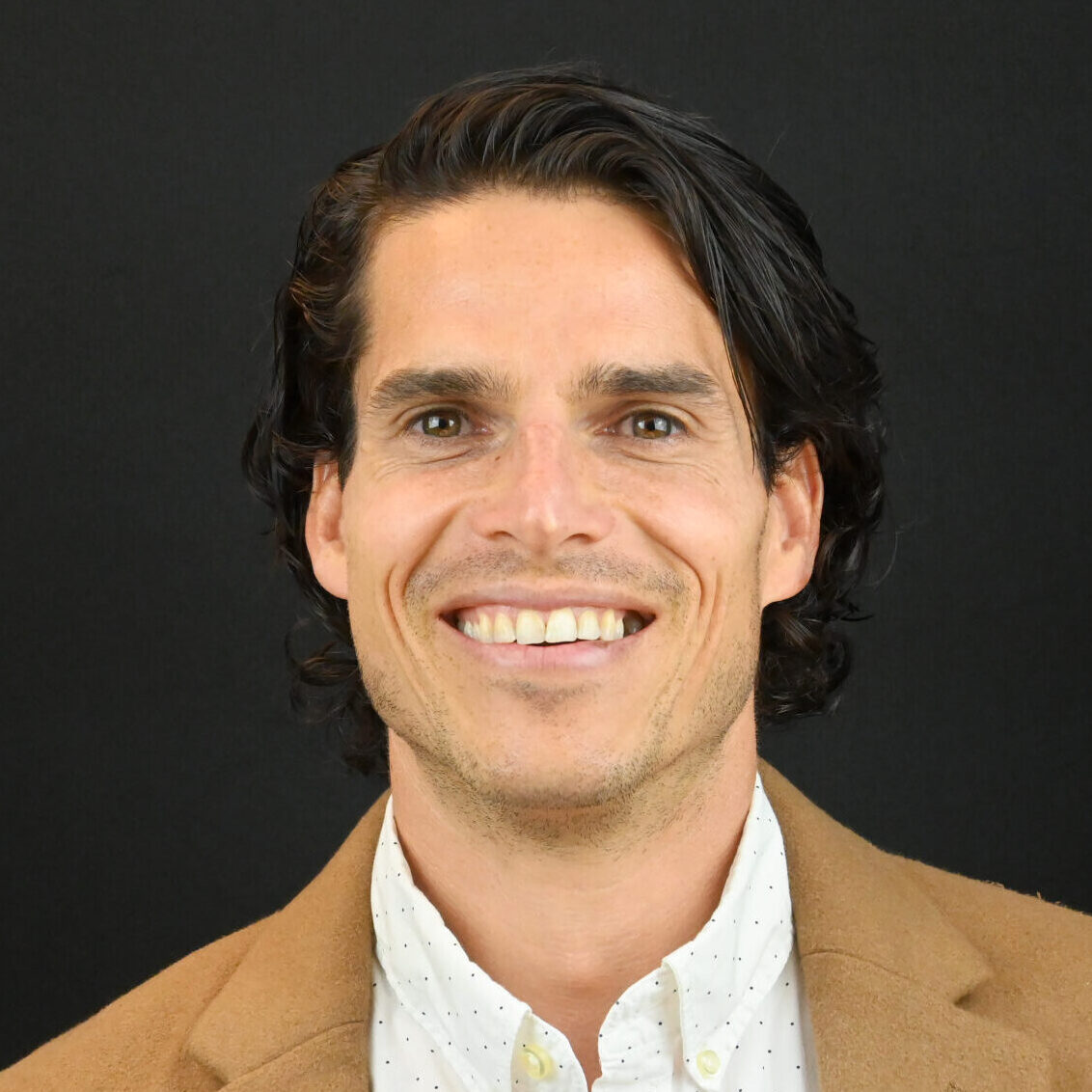
In this episode of the Purdue Commercial AgCast, Chad Fiechter and Josh Strine sit down with John Maman of Nutrien Financial to talk about how strong operations manage cash flow, financing, operating lines, and input decisions in today’s farm economy.
This conversation goes beyond interest rates and loans. It focuses on the real financial decisions affecting:
- operating flexibility
- growth opportunities
- input purchases
- working capital
- profitability under pressure
You’ll learn:
- Why some profitable farms still struggle with cash
- How large operations think differently about financing
- When financing creates flexibility — and when it doesn’t
- The relationship between agronomy and profitability
- Why trusted advisors matter more during tight margins
- How farmers can reduce financial pressure without sacrificing productivity
John also shares insights from his background in agronomy, ag retail, and agricultural finance — along with practical ways growers can think more strategically about cash management during difficult cycles.
If you’re making crop input decisions, managing operating debt, or preparing for tighter margins ahead, this episode will help you think differently about the business side of farming.
Audio Transcript:
[00:00:00] Farm Profitability vs Cash Flow
—
John Maman: You could be land rich, cash poor.
Chad Fiechter: Yeah. Right.
John Maman: You could be cash flow positive and not have any profitability, be upside down. Everything has to be rooted in agronomics, but it has to, we have to find better ways to pay for it, better ways to cash flow.
Chad Fiechter: Hey everybody. Welcome back to the Commercial AgCast. This is our conversation series. We’re trying a little something new. IE the light and a camera. But we’re here with a fun guest John Maman, who is the senior director for North America for Nutrien Financial.
I’m here with Josh Stine as well. And some of the listener may recognize Josh. Never before in person.
Josh Strine: Not seen.
Not seen, yeah. But recognize his voice.
John, can you tell us a little bit we were just talking about sort of your background and how you got to this position. Can you tell us a little bit of the journey that brought you to where you’re at today?
[00:00:56] Intro + Nutrien Financial
—
John Maman: Absolutely. Thanks for having me. It’s been a long road and the road started really two blocks just south of here where I lived when I was in school. I I graduated in 2003 with a degree in agronomy and a minor in plant pathology.
And was in more of the, the turf end of the ag business. And worked on golf courses, rebuilt golf courses, and as I did that, we, we were facing more economic challenges where golf courses started to disappear. I felt like I was in a really nice spot, um, but wanted to go back to school. And so I went and I took a sales job, which was, uh.
I not always met with the, I get it, sentiment in the field when, with those that knew me, uh, because of the places that I had, I had been, um, but wanted to go back to graduate school and, and took a job as a sales professional selling equipment around Chicago, Northern Indiana. And, um, through that really developed an understanding that if I could provide the right agronomics to help my customers be successful and find better ways to pay for it, I became really successful. And you know, when I, when I went into sales, I would, I would always ask people, how do you get into sales? And they’d say, you don’t have sales experience. And I thought, boy I still feel like I can do that. But when I started to learn about the financing end for better ways to pay for it, and I asked those same questions and people told me, you don’t have financing experience.
I thought, boy, you got me there. And that’s when I went to graduate school and after, after graduate school, I, um. I took a flyer on a, on a posting for a development role at, at John Deere Financial and spent five years there in the field in the agribusiness channel, but learned how to underwrite credit structure, structure, large ag leases spent time underwriting credit for construction forestry, and then uh, five years into it Agrium Crop Production Service is now Nutrien.
Came calling and had a unique idea that they wanted to start an in-house captive finance business, and they needed somebody like me to help start their, uh, field facing presence across US and Canada.
Chad Fiechter: Okay. So you just hit, you just hit two, two buzzwords that we’re gonna come back to. ‘Cause I want to ask you to give us, for people who don’t know who Nutrien is,
John Maman: yep.
Chad Fiechter: They probably should. Can you tell us who Nutrien is and what you do?
John Maman: Yeah, so Nutrien is the world’s largest ag retailer and, and fertilizer producing company. Uh, we have mines in Canada that, that produce our potash. We have phosphate mines, we have nitrogen production, and so it’s really a full end-to-end nitrogen.
Phosphorus, potassium fertilizer company, as well as the connection point to the world’s largest ag retailer with, um, retail brick and mortar stores that, that sell seed, chemical fertilizer to our end East growers across the United States, across Canada, south America, and down in Australia as well.
Yeah,
Chad Fiechter: I was just in Argentina last week and there was someone from Nutrien, Argentina that talked to us, so I thought it’s like a funny full circle moment.
John Maman: Yeah.
Chad Fiechter: Yeah.
John Maman: It’s, it’s a big company, but it doesn’t, it doesn’t have to feel that way. And, and you think, you, you asked the question, how financing, well, we started our internal financial services group as one other value added to our customers to make sure that, that we’re providing end-to-end recommendations so that we take the tools and resources of a large company and make it feel.
Relevant for your turn row, your acre, your farm. So that we have, we have our own seed breeding technology. We have our proprietary products, our Loveland products. We have industry partnerships with all the big strategic ag, uh, ag companies, uh, for seed and chemistry that we, that we sell through our retail branches.
But we bring all of that value as, as one. Company and Nutrien with our fertilizer production to the farm Gate so that you have all the resources of a big company that are relevant for your farm.
Chad Fiechter: Yeah. Okay.
So, why would a company like Nutrien, who I assume makes a lot of money producing fertilizer and having these ag retail, why, tell us why we need a captive finance and what is captive finance and why does Nutrien Financial exist?
John Maman: Yeah, Nutrien Financial exists because we want to be best in class with. With our core competencies and selling agronomics and inputs to our customers is the core competency. If, if our customers aren’t successful, we’re not successful, and selling those inputs and delivering that agronomic value is just one piece of the pyramid.
We still have to be profitable along the way. We have to be able to offer terms, rates and incentives that are relevant for the business that match cash flows of our customers. And, and that’s where Nutrient Financial really sits. It’s, it’s been a, it’s an amazing journey. Our, our people that have been able to build this group alongside myself and others.
Uh, really delivering a white glove service to our customers. Where we have territory managers that are situated across, north America. I have a, I have a counterpart in Australia that has a field team where we can pair field driven agronomics with field driven economics and take some of the guesswork out of these industry programs that seem complex and make them relevant for the crop types and cash flows that our customers have.
Because again, at the end of the day, our customers have to yield. I have to have the right agronomy, but we have to have the right ways to pay for it. And, and I learned that again a long time ago when I first went into sales as a, as a struggling salesperson, pulling a, a long trailer around the Indiana Toll Road in areas of Chicago that, uh, most people didn’t show up in.
Just to be able to serve my customers at that time, my career. Yeah.
Chad Fiechter: Okay.
[00:06:21] From Agronomy to Ag Finance
—
Chad Fiechter: So, uh, um, this is a tangential point, but so the people who said you don’t have finance experience. Walk us through that now, right? Where you, you’ve done this work for nearly 15 years, right?
John Maman: Yeah.
Chad Fiechter: Were they Right? Was it, uh, maybe painting with too broad of a brush.
What, what do you think now? ’cause sometimes finance can feel like a club where you gotta be part of the club before you can start talking about the club.
John Maman: Yeah. And the club. Maybe you have a finance vest, you have other stuff on it. Yeah. You, you know, you need, you need to have Right.
Chad Fiechter: I’m, I’m wearing it.
Yeah.
John Maman: You, you’re, you’re step one from,
Chad Fiechter: I know I don’t have on the right shoes. I don’t have the right shoes, but I’m, I got the vest.
John Maman: Well, ag finance is different than regular finance. It’s true. You show up with dress shoes in an ag plot, you’re gonna ruin some nice shoes.
Chad Fiechter: Were they right? Did you not have the skills? Did you not have the knowledge? Uh, how do you think of it now?
John Maman: They were absolutely right.
Um, one of the struggles I had was when I used to ask do you have sales openings? When I was interested in knowing that I wanted to go back to graduate school and just by default of the role that I had, I, I was responsible for, people and, and for part of a golf club that, that had expectations to membership.
That was that were very high. You know, every day had to be a US open kind of situation. And so when I asked about sales experience, that’s the first piece that struck me odd is like, well, how do you get sales experience without getting sales experience? The individual that gave me a chance, I’m very grateful to and recognized that, um, he could teach people.
As long as you have the right work ethic. And that’s the piece that I took with me is that, that when I asked the second question about how do you get finance experience without having finance experience, I thought, boy, I’m missing some of the functional capabilities that I needed, uh, educationally just around finance credit being in that business that I really needed to go back to graduate school for.
Uh, I could get sales experience without having sales experience, but I couldn’t get the finance experience without that. But it’s interesting after I did that and I went. And I went and I worked at Deere and Company and learned how to underwrite credit. Um, I learned that as I built more of a field team to help our customers, that we had to be cross-functional.
We had to have people that had agronomy backgrounds, people that had credit backgrounds, people that had finance backgrounds. And the team that, that I’m blessed to, to lead within, within Nutrient Financial really comes from a myriad of backgrounds. But it’s always rooted in that, that first thought that I, I, that struck me when I tried to get into a new industry was you can’t teach work ethic.
That’s the piece that I think, whether you’re a student here at Purdue, whether you’re a mid-career professional like I was when I tried to transfer into more of a development program, uh, after graduate school, or whether you’re. Uh, leading a team of individuals in, in a, in a very large business across a large geography is I can teach somebody there’s the right work, work ethic, anything they wanna know, but I can’t get them to want to get up and make a difference for our customers on a daily basis.
And that’s what I love most about this industry, is we have a team of people that are dedicated to the outcomes of our customers that, uh, live with a higher purpose to serve agriculture.
Chad Fiechter: Yeah. That’s cool.
What are the tasks that you do on a daily basis in your current role?
John Maman: So my current role manages our field team that focuses on, again, the right field driven economics, paired with our nutri Ag, ag solutions, crock consultants that are out representing the agronomic.
Portion of our business. I also manage, uh, our strategic supplier relationships for the finance business where we have financing programs that are very promotional in the marketplace, that focus on, on positioning the right products, uh, for seed and chemistry into the marketplace that are at, at very low rates.
Sometimes 0%, sometimes 1%, sometimes, you know, usually below a prime rate.
Chad Fiechter: Sure.
John Maman: Um, that help our growers cash flow. And so. My group develops those programs, bring them, brings the programs to marketplace. Mm-hmm. And then has a dedicated team of individuals that are out there helping to take the guesswork out of those build crop plans that align with, uh, an agronomic cropping plan and an economic cropping plan to help our growers.
Whether, whether commodity prices are great, whether operational costs are low, or whether we’re in times like we are right now, where we, we see the, the. The opposite in both of those.
[00:10:41] Why Input Financing Exists
—
Chad Fiechter: So this is something that I didn’t know until I was in graduate school, sort of like the value of if you can get commitments early and you can get people to sort of, you know, buy seeding fertilizer early, you, it helps sort of the, the cash flow within a business like a agribusiness, right?
John Maman: It helps the whole industry flow better, right? Sure. ’cause a lot of these programs reward commitment to brands and they also reward, a timely payment or they, or they reward planning.
Chad Fiechter: Sure.
John Maman: And when we look at where discounts can be had, where profit can be made it, it’s in the yield monitor. And it’s in how we manage the expenses and how we manage the cash flows of an operation throughout inevitably an annual cycle in agriculture from planting to harvest.
Chad Fiechter: So I think one of the things I find interesting is there’s not really smoke and mirrors, right? There’s not, you’re not there. There’s no magic behind it. You’re saying we’re willing to sort of give you these favorable rates if you’re willing to commit early. And is that kind of how you think through designing programs?
John Maman: Well, and it’s in partnership with a lot of our suppliers, but yes. And, and it’s also the conversation of cash has to be managed, right? How do we blend the best aspects of cash, prepay and financing so that you as, as a grower, as as a farmer, have all of the knowledge and resources at your fingertips to make the best decision.
It’s not to use financing, just ’cause we have great programs. It’s to use financing. If you can help. Make inroads in your, in your cash management and your capital management strategies so that, uh, you know, we, we offer financing to people that need financing. But for the biggest and largest growers, uh, A CFO will never need to know where they can find.
Value in additional 25 basis points or 2% in an interest rate,
Chad Fiechter: right?
John Maman: Those large companies as well use cash as another commodity. And if you can help them manage their cash flow appropriately, you become, again, another indispensable part of that relationship. It’s interesting. I, I always tell our team and I, I tell others that, um, our, our conversation doesn’t change.
It’s always focused on how we provide new and innovative ways to help our customers find value in the marketplace. The location does. The location could be at a, at a small table like this in, in a, in a farmhouse
Chad Fiechter: Sure.
John Maman: Where there’s dogs and kids running around me like, like I’m at home. Or it could be in a large corporate farm where you have chief executive teams sitting down in front of you asking questions.
The location changes, but the conversation around value for that specific operation is always focused on the individualized needs of our customers. And so that’s one of the really unique pieces that I think is, is important. It it, every operation rather large or small or heavily integrated, always has, um, pieces that, that are unknowns.
And so those operations, they all have def different definitions of success. And what good looks like. Yeah. Um, the path to success is not always linear. It, you have to do a lot of little things. Right. And that’s why Nutrien has such a vertically integrated business with, with proprietary products, financing, fertilizer production, retail organization, because our customers operations are complex too.
Chad Fiechter: Yeah.
John Maman: And if we can help them at every turn, we provide value beyond just a price. We provide value beyond just a product. And it’s that relationship, those powerful partnerships that come into play, especially in agronomic, uh, or economic times like we see now that can provide the best value for our customers on a daily basis.
Chad Fiechter: Yeah. I think I’ve lost all the questions. Do you have a question you wanna ask?
Josh Strine: Yeah. So you’ve, you’ve talked about the financing and maybe that credit market. Mm-hmm. Uh, and Chad has done a lot of work on it and I’m starting to do some on it too. And one thing that comes up a lot is competition.
Yeah. And you mentioned earlier, and we had some conversations last fall, some other people as well that. Really, it’s not all competition. We, we hear about the fights between the commercial banks and the, uh, farm credit system, and we, we have other lenders with Nutrien or, and you mentioned Deer and Co, but that’s not always the case.
There’s some, also some synergy and some cooperation between them. Mm-hmm. Could you maybe expand on what that looks like and how that can help farmers or producers?
John Maman: Yeah. It’s important to really define those, those tranches of sources of, of credit or lines of credit an operating line. Which is usually secured through, through a bank or your local lender is the lifeblood of an operation.
Uh, that’s that local relationship and partnership you have with your banker where you can use that, that operating line to be able to buy inputs. You can use it to buy equipment, you can use it to manage your labor force by land. Um. That allows you ultimate flexibility. Secondary lines of credit can include nutrient financial for inputs.
It, it can include equipment lending that, that are part of captive organizations where you can finance a paint color with financing that are complimentary. Those provide. Best in class options because those companies are dedicated to finding ways, just like nutrient financial and nutrient ag solutions to find better ways to help our growers.
And so when we look at, at how nutrient financial sits in that marketplace we’re, we’re generally unsecured in the market, which means that we’re not taking those crop liens that would encumber the operating line, which is usually the hardest thing on a grower is when you have multiple different liens or, or blanket liens.
On an operation because then it inhibits the flexibility to go get, uh, to go buy other, other products, other services that you need throughout the year. And so, over, over my nine years with close to nine years with, with Nutrien, I’ve seen the dynamic shift. I’ve seen, um, banks start to recommend say, this is really a good thing because banks aren’t gonna necessarily lend a hundred percent of the, the farming needs.
We hear that as, as tightening. Uh, occurs in the marketplace. We’ve partnered really well in some cases where, where the local banks say This is, this is a good deal because it frees up the operating line. And, and what does that accomplish if you free up your operating line? It sounds counterintuitive.
Well, for a, for a grower, it allows you to make decisions, even in a down market to be more profitable or to grow because we hear doom and gloom with low commodity prices, high operational costs, you know, five years of, of rapid inflation in the marketplace. But somebody’s gonna be profitable. Somebody who’s gonna grow, somebody has plans to be able to do more than just exist in this marketplace.
That operating line is there to be able to help functionally free up the cash flow You need to be able to grow, to be able to buy more land, to be able to build something that that allows you better access to. Liquidity or profitability in your operation. And so, just to circle back, nutrient financial is, is quite complimentary because we’re not taking those, those liens in most cases we’re, we’re unsecured, we’re complimentary for the inputs and our core competency that we sell through nutrient ag solutions, just like equipment manufacturers are.
Our core competency is, is. Financing or, or selling the equipment that, that they use in, in agricultural production.
Josh Strine: Yeah.
Chad Fiechter: Okay.
[00:17:33] Market Outlook and Cycles
—
Chad Fiechter: So I, I wanna ask you about sort of your perspective, right? So, so now you sit on the side where you see the demand for credit
John Maman: mm-hmm.
Chad Fiechter: From your customers, right? So what, what are you seeing?
Like what are the trends? I think we, you, you alluded to the fact there’s this doom and gloom. Like we, you’d have to be hiding under a rock to sort of, uh, not have some awareness that currently production agriculture of row crops is in a unique, maybe not unique, sort of like historically, but unique as far as in the last few years we’re, we’re at an, an interesting point.
Tell us about your perspective from Nutrient Financial.
John Maman: Yeah. So it’s, it’s a trough market. It. And I, I made a, I made a comment about a year ago. I was on a podcast. We were talking about economics and, and if you have economics background, the first thing maybe an economist would say was, well, this is cyclical.
But for growers who are in this marketplace within the last five years, cyclical wasn’t familiar because they hadn’t seen such a rapid rise in interest rates since. They were children.
Chad Fiechter: Yeah.
John Maman: And so what’s cyclical from an ag economist is not always felt and managed the same way by a farmer who’s anywhere from 20 to 40 years old.
Chad Fiechter: Yeah.
John Maman: If you live through the eighties, you might say, this is cyclical.
Chad Fiechter: Sure.
John Maman: And so that’s, that’s really the first step, uh, is understanding the, uh, the ag econ trends versus more of the facts and feelings of, of what. A grower’s going through in this marketplace based on how many years they’ve had a chance to put out a crop.
The second piece is that, uh, what people always compare, well, is this like the eighties? Mm-hmm. No, it wasn’t because land values were low in the eighties. Land values are very, very high still.
Chad Fiechter: Yeah.
John Maman: And so our customers are facing inward pressure from high operational costs, low commodity prices coming off of really, the last three, four years of, of rapid inflation. Now, before that, it was some of the best times in agriculture, right? High commodity prices, low interest rates, but a lot of the interest rate adjustments we’ve seen. So we, we’ve dropped maybe a half point over the last year in Prime and over the last, uh, two, three years, it’s been about another one and three quarter percent since we are at the peak of, of interest rates about three years ago.
But a lot of those adjustments were made maybe in the fall of this last year. And so that’s after on an annual cycle, growers have carried at a higher rate on a, on an operating line that’s variable in nature, not fixed.
Chad Fiechter: Yeah.
John Maman: Uh, and so those pressures accumulate over the course of a year versus over months within other businesses, cash flow in an ag cycle is annual, uh, versus maybe a construction company that has work in progress on a monthly basis to buffer that.
And so those are really some of the, the economic trends that we see is, is helping to manage through high operational costs. Low commodity prices after multiple consistent years of both of those occurring while we had rapid inflation.
Chad Fiechter: Yeah. Okay. So do you see, ’cause this is a conversation we’ve been having, do you see regional differences sort of in the way, like crop type crop mixes production practices?
[00:20:48] What Farmers Should Do Right Now
—
Chad Fiechter: Like, you know, we, I don’t know if you manage nutrient financial in sort of regions, but do you see differences among sort of production regions of the United States and Canada?
John Maman: For sure. Right. And then there are quite, quite a bit of difference between even the United States and Canada. And so first off, at a, at a regional focus, uh, if you just look at crop types cotton is, is struggling, cotton production is is there’s gonna be some areas regionally it’s cotton. It’s gonna be cotton.
Chad Fiechter: Yeah. Right.
John Maman: Are you gonna West Texas?
Chad Fiechter: It’s cotton,
John Maman: it’s gonna be cotton. And those prices are, are hard as a function of just a. Commodity prices and operational costs and um, and then you get into just kind of the debate on corn, soybeans.
Obviously there’s, this is a corn year from everything we’re seeing with USDA but cotton is a challenge regionally. Um, there’s some areas that you can rotate in peanuts. Peanuts have been a consistent staple. Uh, you get out west into permanent crops, so much can change based on just.
Snowfall and water that, that’s impacting. Um, you know, the, the Sierras are getting record snowfalls, but in Colorado a lot less. And you get into certain areas there with more permanent crops and it’s, it’s based on water rights and, and availability to water and then temperatures. And then you get through all those different variables and you get to planting and even if you can get through some of the dynamics with, with commodity prices, last year we, we got.
Time to get into the field and then it just rained. And then, so there are areas in the south that, that had to preventative plant or didn’t necessarily get crops in, in enough time to be able to, uh, to harvest regardless of whatever plan they had.
Chad Fiechter: Yeah.
John Maman: And so that goes back again, economically. You think about, wow, there’s all these challenges facing, facing a farmer and facing just what, what, what they deal with on a daily basis, on a monthly basis throughout that, that, that year.
And that’s where it comes back to making sure that, that if you. Every year you build that agronomic plan and that plan inevitably changes. So too should your plan to cash flow that your economic plan. And that’s been the biggest opportunity we’ve had within Nutrient Financial to shed light on. Those two need to operate synergistically and they need to change and, and be reviewed multiple times throughout the year.
Okay.
Chad Fiechter: What would your recommendations be to growers in, in sort of how they think through offerings from nutrient financial specifically, but others who are providing financing in a, in a captive way?
John Maman: Ask questions and surround yourself with trusted advisors that are in, as invested in the outcomes that you need for your farm.
Yeah. As they are. So they need to be, as invested in your outcomes as you are, is a better way to say it. And that those are rare, those are uncommon, right? Use those trusted partnerships to be able to sit down and review these plans throughout the year. Make sure you’re, you’re maximizing cash flow, you’re maximizing.
Profitability at the same time. ’cause there’s differences between the two and, and making sure that, uh, you build the plan and revisit the plan throughout the year so that you have peace of mind. Because we just talked for a long time how many things can change in a year.
Chad Fiechter: Yeah. Right.
John Maman: And how many pressures our, our growers face.
Taking a few of those pieces out of the mix and knowing that you have plans, contingencies
Chad Fiechter: Sure.
John Maman: And opportunities to be able to address any pressure, whether it’s agronomic, whether it’s weather related. Is, is really the biggest, is the biggest piece. It comes down to people managing those relationships with each other.
Chad Fiechter: What do you think is the lowest hanging fruit? Like what’s the, if someone’s feeling overwhelmed, uh, what would be the first thing that you’d be like, here’s the first thing I would try do this task?
John Maman: That’s a great question, because this can be overwhelming, right? Mm-hmm. I mentioned, I, I came from an agronomy degree and went into finance.
Chad Fiechter: Yeah.
John Maman: And I see that with, with people that are in the field helping to position this. They’d say, well, John, I don’t have your background. I, this is foreign to me. I’d say, well, what’s your background? Agronomy? I’d say, great. So is mine.
Chad Fiechter: Yeah. Right.
John Maman: What’s your, what’s your excuse now? But those are real challenges.
Mm-hmm. And for our growers and, and for anybody, even a student at Purdue, the further you get from your degree, the more you manage people and money, that’s number one. From there, it’s making sure that you have the right communication practices to your people and the right avenues to be able to maximize your money.
So for our growers, it comes down to making sure you take the guesswork out of all these programs, if it’s an equipment example, what’s best for you in your operation? Do you lease? Do you use installments? Maybe you use a combination of both. And you probably should. Do you pay cash for certain aspects of your equipment?
From an input perspective where can you, where can you prepay and maximize prepay from a, a pricing position? Well, you see certain markets fluctuate on, on product shelves more than others. Fertilizer markets may fluctuate more than, than, uh, seed or crop protection markets, so use cash to maximize your advantage for those purchases.
Use alternative lines of capital. To be able to supplement your operating line with best in class rates for those specific products. But then look back at your operating line now that your borrowing base has expanded and say, is my operation in the right right place? Is my labor in the right place? Do I have any fears?
Whether it’s just driving a truck down the road or getting people to help me harvest, or the areas I can grow? And it’s looking at that and it should include, you know. Equipment inputs your, your local bank. It should include other trusted advisors in your operation. And we haven’t even touched on succession planning or, or families that farm together and how that dynamic impacts the outcome of the farm.
Chad Fiechter: That’s part
John Maman: podcast, part two. We’ll, we’ll come back to that one but all of those are weighing on any individual operation, whether it’s a corporate farm or a family farm. But it starts number one. With that agronomic plan, take that agronomic plan and say, is this the right seed chem for that we need, do we have the right equipment in place?
Do we have the right ways to pay for that and build out from there? And, and it takes something that can seem so daunting and it simplifies it and it brings, it brings everybody back that, that have escalated in the career, that managed more people, more money back to the thing they love the most. And that’s farming.
So you, you, you begin with the end in mind, but you start with what brought you into this industry. And that’s just being out in the field and knowing that you have so many years to raise a crop. That’s what you’re good at, that’s what you love. And then connect in from there so that you, you, you connect the right resources to what you love the most.
And then it doesn’t seem so, so hard. It’s no different than if I have to train somebody on, on our team that comes in. I mentioned they might come in with a sales background and, and as a crop consultant, they might come in with credit. We build the training around the functional skills that people are most comfortable with.
So if somebody comes in from credit or finance, let’s teach you how you can make a difference from our customers because you have finance knowledge. Then we’ll teach you the products.
Chad Fiechter: Sure.
John Maman: If you come in as a product expert, let’s teach you about the products, then we’ll teach you about. The other ways you can help manage cash flow with those products.
For our farmers, it always begins with agronomics. So take that plan, look at it and say, am I applying the right products? Is it the right timing? If something changes, is this the right mix? How do I pay for that? What’s the best way? Cash, prepaid financing. Do I use an operating line? Do I use cash? Do I use alternative lines of credit?
And it really builds that tree out from there.
[00:28:22] Turf and Golf Course Fertilizers
—
Chad Fiechter: Josh, you got any questions?
Josh Strine: So you’ve, you’ve talked about the chemicals and fertilization or fertilizer, Nutrien.
I’ve played a lot of golf and I always see a lot of equipment out on golf courses spraying. Does Nutrien do anything with golf courses or they, do you have any relationship or?
John Maman: We do a hundred percent and we have certain areas of the country in the northeast and, and then in the west. That, uh, has, has more of a golf and turf relationship.
There’s some close colleagues that manage those, uh, relationships for the turf and ornamental piece. And then there’s a wholesale aspect where, um, some of those companies might buy some of the products that we produce, fertilizer and otherwise that, that will go into those industries or a proprietary products.
And so it really is a multifaceted approach to be able to reach multiple different markets. Interesting.
Chad Fiechter: Okay. So farmers are taking it to yield. Right. That’s the, the measure of success. So you’re managing turf. What is your metric of success as a turf manager?
John Maman: That’s a great question. There’s some really good professors just three doors down that could probably answer this better than myself, like Dr.
Bigelow and Dr. Patton in a turf environment. I would say you strive to have those tournament level conditions every day. So the litmus test is to really not have one of those off days because you’re, you’re managing to such thin tolerances on everything that, um, you need to make sure that every day is a championship.
And if, if. If it’s not a championship day, that means it’s an off day. That’s kind of what you’re managing against.
Chad Fiechter: So how do you, how do you know if it’s not a championship day? Is it just the amount of people who come into the clubhouse and say, man, it was rough out there today?
John Maman: No. You can manage certain things like green speeds and make sure your greens and, and firmness and play playing conditions.
And really it comes down to how you want the course to play. Right.
Chad Fiechter: Wow.
John Maman: And, and how you want it to look. And there’s, there’s so much dedication that, uh, we could do a whole other end with, with the turf, the turf end of the business, but. Golf course superintendents are, are, are unheralded heroes in that industry that spend so much time cultivating stuff for people to come out and enjoy in their off time.
And to be able to walk out and see how long it takes to make a course, produce a tournament is amazing. Uh, the year I was an intern for US open, uh, I worked all summer, every day. The only day off I had was the day after the tournament.
Josh Strine: Wow.
John Maman: And, and the week, the week before. And the week of, I, I only remember this because I was making nine bucks an hour and I thought I was rich at, at the end of the tournament.
I worked 198 hours in two weeks.
Josh Strine: Wow. Wow.
John Maman: Clocked in. Not at the coffee pot, but clocked in.
Josh Strine: Yeah,
John Maman: like working, but that work built up that whole summer. But it built up the years prior to that to be able to prepare the course for a major championship. And the level of work that I got when I got there as an intern, that team had been working on for three to five years previously, and they had hosted the US senior open before that.
Uh, where they had renovated things. And so when you look at, um, at those certain US Open courses, yeah, they could probably, they could probably have a tournament like that any day because those are the, the courses that are prepared the best, that are that way every day. But even those courses take a world of, uh, prep work.
Oakmont hosted the US Open last year.
Chad Fiechter: Yeah. And,
John Maman: and just the nerd in me was watching some of the YouTubers that would go out and play the course. And I remember this like it was yesterday. They were push mowing the whole, the rough and the whole course because commercial mowers can’t mow at the length of us open rough.
And they’ll just knock it over and then the wheels will, will roll the turf down. And so in the back when I was watching all these YouTubers try to break par or shoot a certain score on a US open course with close to us open conditions, I saw the um. The crew of interns and, and, and team like 12 thick and like a snake pattern throughout the course.
Push mowing with, with rotary mowers. The rough on the entire golf course,
Chad Fiechter: the rotary mowers
John Maman: rot, like, like your holding push mower because you could set that up a lot higher and fabricate it than, than taking a big commercial mower and trying to mow that.
Chad Fiechter: Wow.
John Maman: And so I remember doing that. We had push mowing crews because we got to a point where the rough had to be at a certain certain height before a tournament.
Where we push mow the entire golf course in addition to the fairways, greens tees, all the normal maintenance practices there where you’d walk mower or, or have riding mowers, but. We had crews that would push mow the rough for the month or two up until the US open. And then we had volunteers from around the world that were leading superintendents in their own right that would come in for a week or two to volunteer, to fill divots to R bunkers, to cut cups.
But some of those,
Chad Fiechter: wow,
John Maman: some of those superintendents in the evening jobs, they’d fill divots and they’d fluff rough. We had people that would go around with rakes just to fluff the rough back up because in the US open, the expectation is to have thick, rough
Chad Fiechter: Wow.
John Maman: And so the level of attention to detail that goes into, into that is, is, uh, different than anything I’ve ever seen.
And that’s where, again, the work ethic is learned through roles like that. But farming is the same way. You think about the people that, that, that feed the world and they’re up before the lights are on. Before the world gets going, and oftentimes in the fall they’re up after the world has has fallen asleep after they’ve had dinner that’s been provided by those that are farming.
They’re still out there in the combine. The lights are still on. They’re rolling up and down. Up and down the, the, the turn rows.
[00:34:15] Inside the Potash Mine
—
John Maman: And I thought about that and I said, well, how does, how does a company like Nutrien fit into that same mix.
This last fall. One of the coolest things I’ve ever gotten to do in my career is I got to go 3000 feet down into a potash mine and see in Saskatchewan and see our, our colleagues at Nutrien pulling rock out of, out of the earth, sending it up into a millions.
Plant having it processed six hours later in a rail car down the road is a finished product. And, and realizing that there’s a definite connection point there because those mines, uh, at Nutrien are open 24 hours a day, seven days a week. And if you’re on a holiday, if you’re sleeping in, there’s always somebody down there working and groups of people working to be able to pull that potash out of those mines no different than our farmers are up at different hours, monitoring crops, spraying crops, doing all of the things to be able to provide that output for
for everybody else that, that may not recognize to be able to feed the world. And so, it’s a noble cause. It’s one that I think, um. Not of people, not a lot of people know about, but whether you are a golf course superintendent raising a turf crop, essentially
Chad Fiechter: mm-hmm.
John Maman: Or you’re, you’re a farmer raising corn, soybeans or uh, permanent crops. That level of service is what makes our industry great.
Chad Fiechter: Yeah, man.
[00:35:40] Final Takeaways
—
Chad Fiechter: Thanks, John. Josh, I wanna give you a chance. Do you get any other questions?
Josh Strine: No, but John mentioned that success maybe on the golf course was measured and it being tournament ready. I think from a golfer end, success is probably inverse of if the course is tournament ready. If I show up at a tournament ready course, it’s not gonna be a good day.
Chad Fiechter: I know, I didn’t realize, I didn’t realize that the rough had to be like, I don’t think I’ve ever noticed that the rough had to be longer. I,
John Maman: well, you watch a US open and, and it’s different for tournaments. I, I remember walking around. I’m thinking, boy, this rough doesn’t look that long, but it was so evenly cut and the people next to me
Chad Fiechter: Yeah.
John Maman: Didn’t have feet, couldn’t see their feet.
Chad Fiechter: Yeah. Right.
John Maman: And I would drop a full size water bottle into the rough and the label would be missing because it’d show the cat. It’s
Chad Fiechter: unbelievable.
John Maman: And so, yeah. There’s, there’s a lot of damage that golfers Yeah. Do on the weekends of these tournaments. But you have, you have a great example here on campus. You’ve hosted men’s and women’s NCAA championships. Yeah. Back when I was here, I worked some of the fall previews for those tournaments and the level of work that goes into that, not, we don’t even want to get into the football field Yeah. Of how you’re, you’re growing a, a warm season grass that you would see down in Florida on your football field in Indiana.
And the research that Dr. Bigelow and Dr. Patton and others in the turf program did to be able to grow a Bermuda grass field and oversee it into rye so that you don’t tear things up. The agronomic reasons why you can, there was a game this fall and, and, um, one of the, um, professors noted, or one of the announcers noted that, uh, this field is bone dry after like two or three inches of rain.
Well, that’s the pat system that allows the, the underground drainage in, in the field over here. But, but also it’s because you raise a warm season grass all summer, you get rooting depth. So the players. The, you know, the big, the big monsters that are out there on the offensive and defensive line aren’t tearing things up.
There’s purpose behind that, that, that, uh, if you came out of this program, you watched the field and you watched the way the field plays. Yeah. And those people are the heroes because the turf looks beautiful after those games because of the research that you do here as Purdue University, as a land grain institution that transfers into all areas of agriculture, and that’s. I think, you know, just to sum this up, I, I look at my time here and whether you’re a student or, or you’re, you’re far from it and graduated. You’ll appreciate this time here more and more as you learn what this institution is and the way the, uh, the research and field work ties into outcomes in the field.
And it makes that extension work, it connects industry with academia and it’s, it’s a true, pure way to be able to foster innovation in the world of agriculture.
Chad Fiechter: Yeah, man. Thanks so much John. Thanks for being willing to drive up to campus and give us some of your time. I’ve learned a lot and I really appreciate it.
John Maman: Yeah, let’s do this again. This is great.
TAGS:
TEAM LINKS:

RELATED RESOURCES
UPCOMING EVENTS
Join educators from across the Midwest to build skills for communicating soil health concepts on Nov. 4-5, 2026. In the field, we’ll evaluate the relationship between soil health and water management focusing on irrigation and edge of field practices. The in-service will have both classroom and on farm demonstrations.
The Land of Opportunity: A Conference for Farmland Owners will be held at two locations on October 5 and October 6, providing farmland owners with valuable information and resources to help them make informed decisions about their land. The conference will feature keynote presentations, educational breakout sessions, and networking opportunities designed specifically for those who own, manage, or have an interest in farmland.