

Purdue Agricultural and Biological Engineering Graduate Program earns top national ranking
Purdue University’s Agricultural and Biological Engineering (ABE) Graduate Program is ranked #1 in its category in the 2024 U.S. News & World Report Rankings of Graduate Schools. The ABE graduate and undergraduate programs have been ranked first or second for more than a dozen years.
“We are extremely proud of Purdue ABE’s team of faculty, staff and students for their commitment to research, outreach, teaching and innovation,” said Ken Foster, interim dean of the college of agriculture.
Department head and professor of agricultural and biological engineering Nate Mosier, who earned his doctorate from Purdue’s ABE department, also credits his colleagues for this accomplishment.
“We’re honored for the continued recognition of the excellence in research and graduate education in ABE at Purdue. It is through the outstanding work of our graduate students, mentoring of our faculty, and support of our staff that we have stayed at the top for so long.”
Mosier, who holds the Indiana Soybean Alliance Soybean Utilization Endowed Chair, explains that ABE’s diverse disciplines create important options for graduate students.
“Our graduate program offers numerous opportunities for graduate students to deepen their understanding in their areas of specialization and to broaden that knowledge through collaborations.”
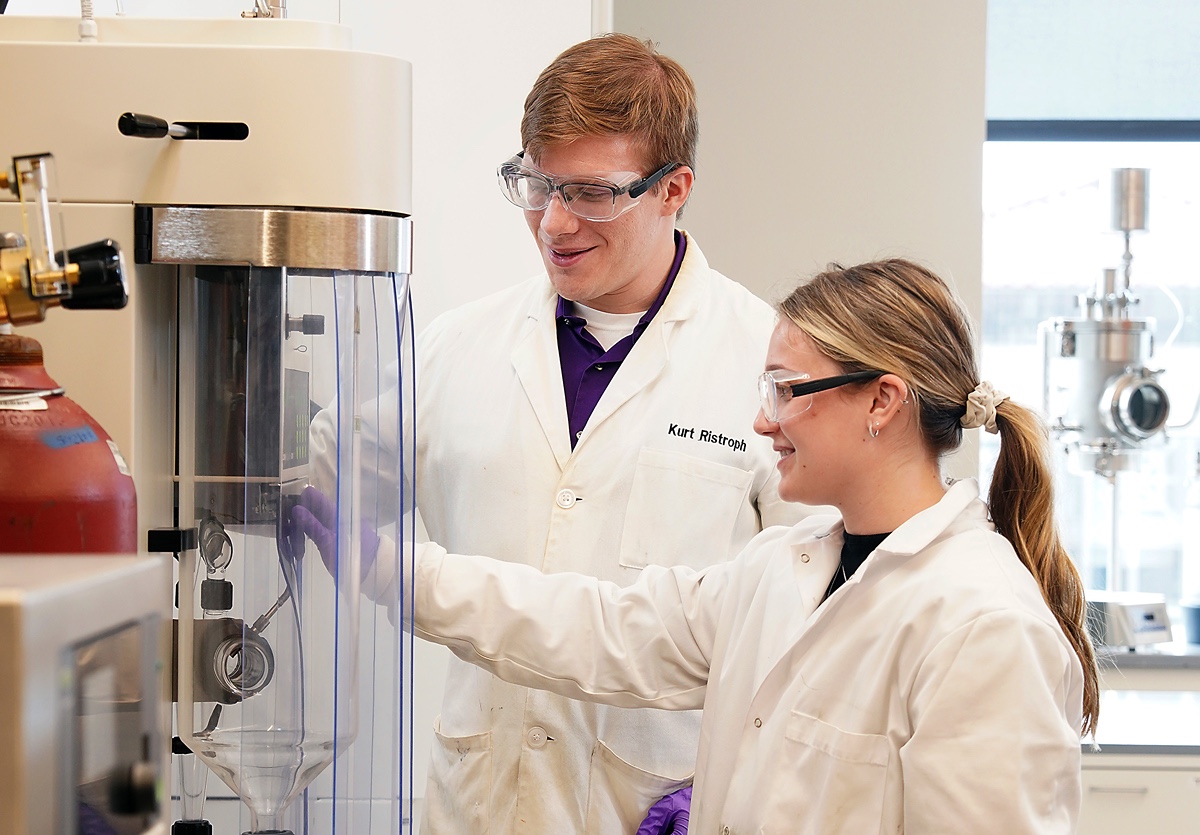 Agricultural and Biological Engineering assistant professor Kurt Ristroph and graduate student Sophia Dasaro operate the lab's spray dryer, which could be used in large-scale processing of pharmaceuticals or treatments for pathogens in agricultural crops.
 John A. Edwardson Dean of the College of Engineering Arvind Raman said the number one ranking also acknowledges the department’s commitment to growth.
“The field of Agricultural and Biological Engineering is rapidly evolving with disruptive technologies such as synthetic biology, IoT, automation and artificial intelligence. Purdue’s ABE department has been quick to adapt to these changes and this ranking validates its reputation during this period of rapid transformation in the field.”
ABE’s graduate program includes 118 students who come to the university from around the world. Last year ABE’s faculty and graduate students published 160 research papers, filed 31 patent applications and were awarded nine U.S. patents.
Featured Stories

For Brody Cox, preparing for the Indiana State Fair began long before he entered the show...
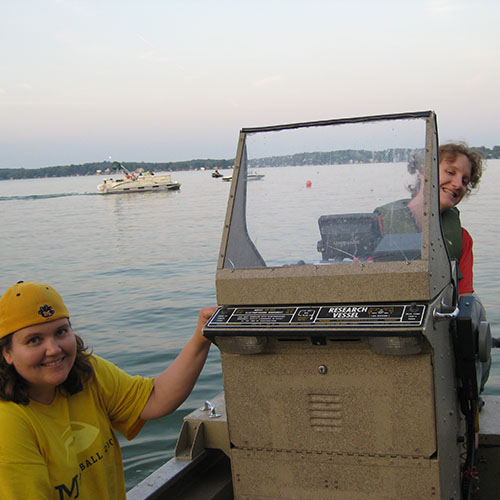
Carolyn Foley, a long-time member of the Purdue Forestry and Natural Resources (FNR) and...

In the September Purdue University/CME Group Ag Economy Barometer survey, 52% of respondents...

Purdue University’s College of Agriculture recognized nine alumni at the Distinguished...
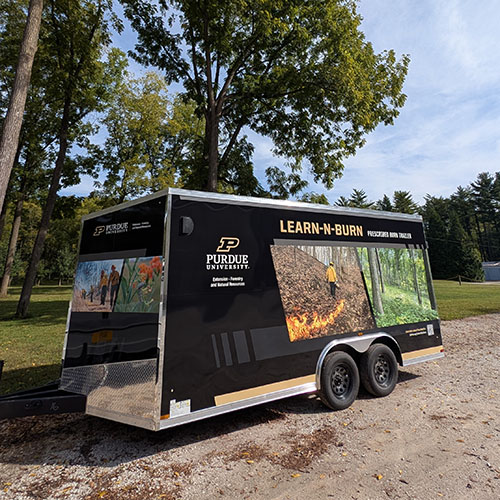
Keep your eyes peeled across Indiana for the newly minted Purdue Forestry and Natural Resources...

“Being at Purdue has changed my thinking entirely,” says Mingyu Zhao, a third-year...