

Haley Oliver 2023 Ag Research Award winner
Food Science professor hails ‘endless’ opportunities
Haley Oliver insists that she’s “dangerous when bored.” Don’t be alarmed. In addition to her recent promotion to assistant dean of Ag Online Programs are principal investigator roles for a USDA/NIFA project (sanitation solutions using dry biofilms), a USAID Feed the Future Bangladesh project and a five-year, $10 million USAID project, Feed the Future Innovation Lab for Food Safety. She teaches, too. Boredom takes time that the 2023 recipient of the Agricultural Research Award cannot spare.
“If it weren’t a little chaotic it wouldn’t be fun,” says Oliver, who converts her 3 a.m. sleep interruptions (“a curse”) into to-do lists. She likes challenges. “The biggest right now is how the college elevates its online education offerings – whether that’s micro credentials or graduate degrees or an undergraduate pipeline to the main campus. How do we leverage our brand?”
Oliver’s USDA/NIFA grant focuses on better sanitation practices for dried foods. “How do you get salmonella out of a flour mill? How do you get cronobacter sakazakii out of an infant formula plant? You don’t hose it down – you’ll create paste. You don’t add chemicals. Dry is a good thing. We’re trying to figure out where these organisms that live in dry places set up shop – and how we get rid of them. If we look at trends of what have been causing outbreaks, or where we’re finding new challenges, it’s in foods that haven’t caused problems before.
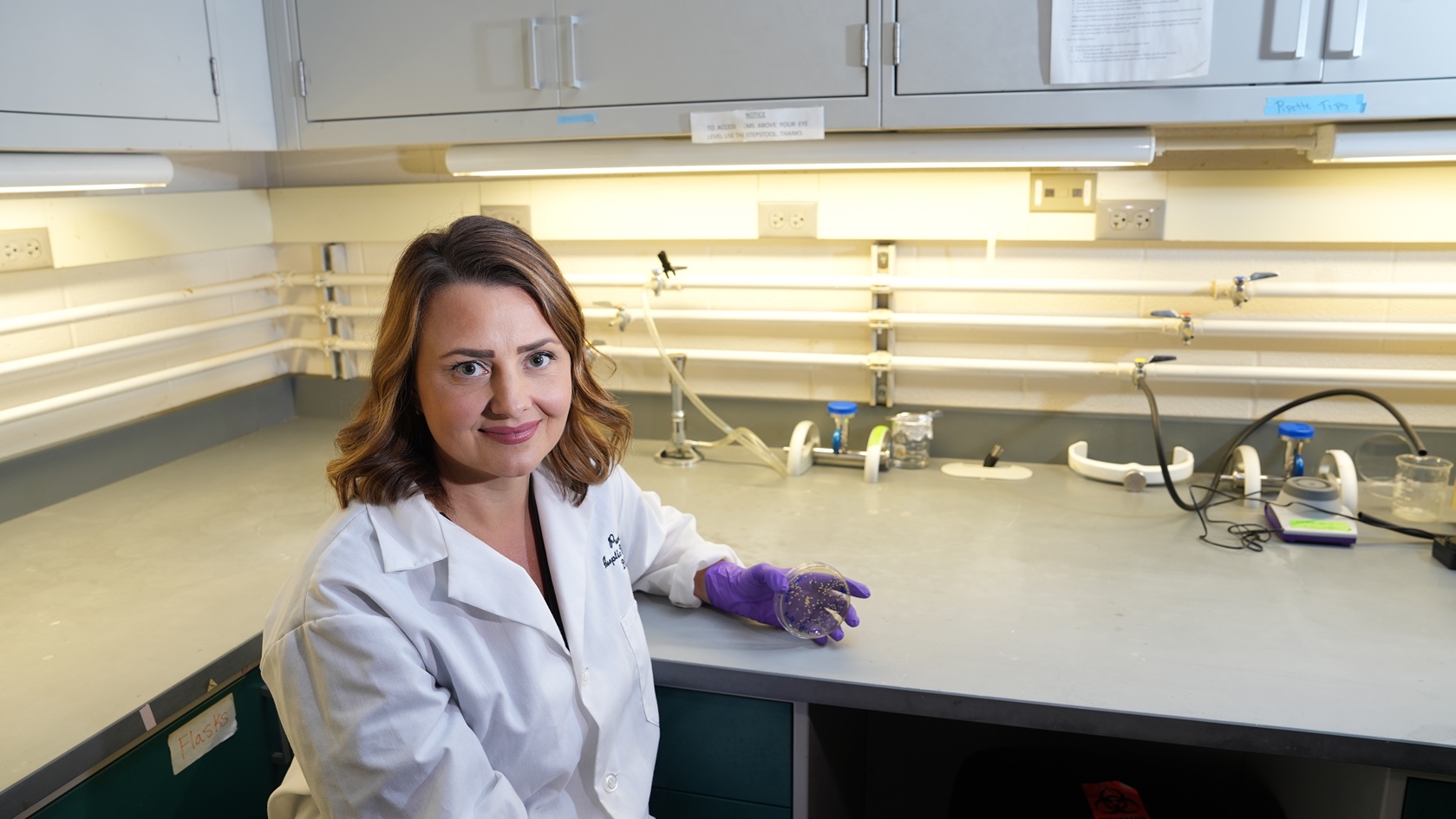
“Low-moisture foods – flour, infant formula, peanut butter: Has the problem been there all along? Probably. I don’t think it’s a new problem. I think we’re recognizing the problem. Our detection systems get better. It’s not that the system is failing or becoming more unsafe. We’re recognizing challenges that were probably already there.”
PhD students populate Oliver’s lab. She treats them “as the professionals they’re going to be” and takes great joy in seeing them earn their first postgraduate job. Her students are funded by industry, and Oliver imparts the companies’ perspective. “Why is Purdue a high-quality, safe place to work with? The companies are usually asking hard questions. They trust that we will keep data safe. We believe in transparency but protecting viability as a company, too.”
Oliver has received several of Purdue’s highest honors: Charles B. Murphy Outstanding Undergraduate Teaching Award (2018), Spirit of the Land-Grant Mission Award (2019), 150th Anniversary Professor of Food Science (2021), and Book of Great Teachers (2023). “The opportunities are endless,” she says, “because we are the best or near-best at what we do. It’s a function of Purdue’s scale – research, Extension and the size and scale of our teaching mission.”
Featured Stories
For Brody Cox, preparing for the Indiana State Fair began long before he entered the show...
Carolyn Foley, a long-time member of the Purdue Forestry and Natural Resources (FNR) and...

In the September Purdue University/CME Group Ag Economy Barometer survey, 52% of respondents...
Purdue University’s College of Agriculture recognized nine alumni at the Distinguished...
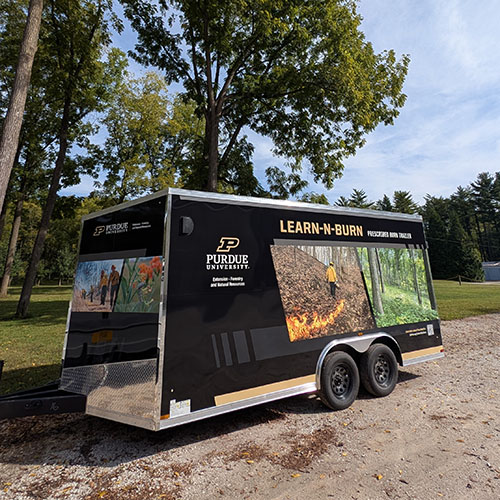
Keep your eyes peeled across Indiana for the newly minted Purdue Forestry and Natural Resources...
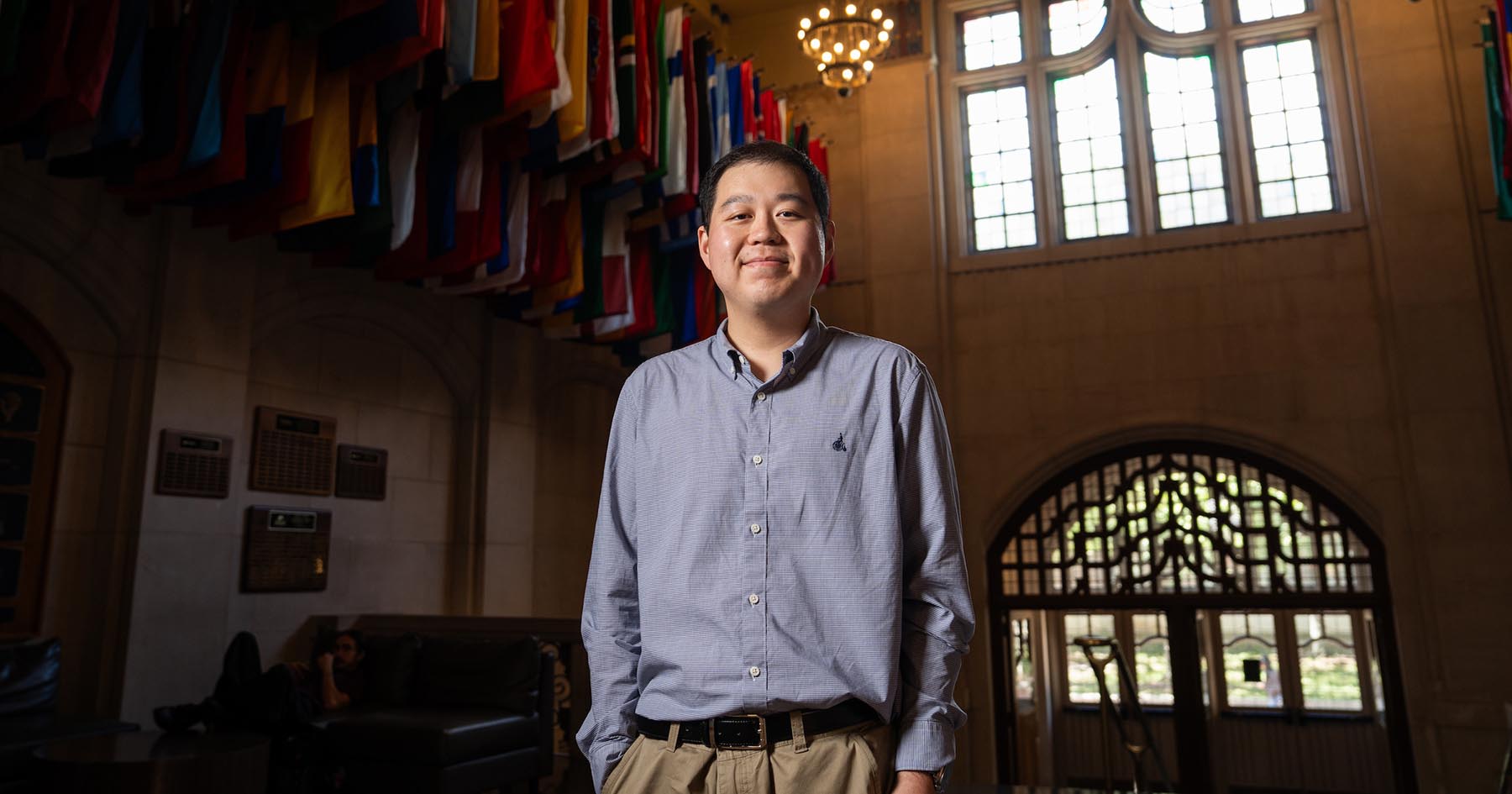
“Being at Purdue has changed my thinking entirely,” says Mingyu Zhao, a third-year...