

Behind the Research: Jeff Fields
About the feature
Many people are involved in the remarkable range of programs, services and facilities that undergird research in the College of Agriculture. Collectively they’re integral to the college fulfilling its research mission. “Behind the Research” explores their individual roles. Each academic year, we profile six people whose work supports the College of Agriculture’s global reputation for developing innovative, multidisciplinary solutions to challenges and then putting those solutions into action.
Jeff Fields, farm manager, Animal Sciences Research and Education Center
- Leads farm operations at a key laboratory of the Department of Animal Sciences, producing enough quality grains and forages to care for the research animals there.
- Facilitated a research project on grazing dhurrin-free sorghum with sheep and beef cattle for a then-PhD student who was recently named forage extension specialist at Iowa State University.
- Received the 2022 MaPSAC Excellence Award from Purdue’s Management and Professional Staff Advisory Committee.
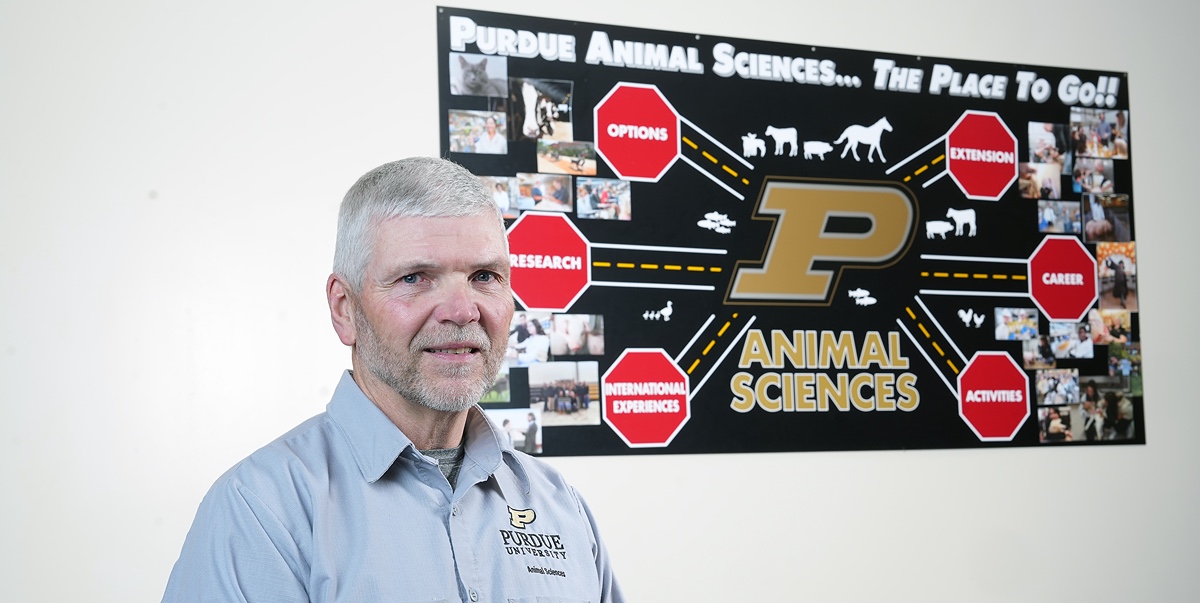
In his more than 40 years at Purdue, Jeff Fields has had many opportunities to lead by example — the management technique he favors and practices as farm manager at Purdue’s Animal Sciences Research and Education Center (ASREC).
The 1,500-acre site about 10 miles from campus is home to a variety of animals and facilities that the animal sciences department uses in research, teaching and Purdue Extension activities.
“Along with ASREC unit managers and staff, we coordinate the raising or procurement of livestock and poultry to ensure that there are uniform animals in quantity and quality for our faculty and graduate students to conduct meaningful research,” Fields explains. “Furthermore, we manage the daily care of breeding, birthing, feeding and maintaining the health of our herd animals, as well as facility maintenance. I manage the production of grains and forages to feed our animals at ASREC as well.”
“I’ve always had a passion for agriculture,” says Fields, who grew up on a small farm in Benton County and joined the staff at Purdue’s Agronomy Center for Research and Education (ACRE) in 1981. He spent 18 years at ACRE before moving to animal sciences in spring 1999.
His best training for his work at Purdue was his experience on the family farm and the work ethic he developed there, he says. “If there’s a task to be done or a faculty member, PI or researcher wants to do something, I just feel like there’s always a way to find out how to best get it done.”
He also is quick to credit ASREC’s entire management team. “It’s just not me,” he says. “We have an outstanding group of managers with many years of experience and an outstanding staff as well. It’s truly a team effort.”
Fields views part of his role as coach and mentor to the unit managers: Tom Cully, dairy; Brian DeFreese, beef; Jason Fields, poultry; Brian Ford, swine; Gerald Kelly, sheep; and Mike Zeltwanger, feed mill.
He adds that adaptability is key to working at ASREC. “You can plan your day out, or how you think it’s going to go, and a couple of phone calls will change your whole day.”
Weather, markets, research demands and staffing can all prompt a quick change in plans. Fields recalls an especially challenging period beginning in February 2022, when the farm suddenly was without experienced staff to run the dairy. (Cully wouldn’t come on board as the new dairy unit manager until June 2022.) In the meantime, six students who worked at the dairy stayed on, and Fields, along with Ford and their staff, kept the dairy running, often working 16- to 18-hour days.
The experience confirmed that the ASREC team shares a lot of his own values, he adds. “We all want to do the best job that we can. They’re great people, and that’s one of the blessings I’ve had in my career at Purdue.”
Fields is also proud of undergraduate students who worked at ASREC for a few semesters and went on to professional and personal success. He tells incoming student employees, “You’ll learn how to work with people, how to adapt, how to get along and thrive in the workplace.” In addition to employment, the jobs offer valuable learning opportunities such as large-animal experience for students who aspire to graduate study in veterinary medicine.
Away from the farm, Fields enjoys fishing, both in the area and on an annual getaway to Minnesota with family. A 10-year 4-H member himself, he was 4-H swine superintendent in Tippecanoe County for 13 years and in Benton County for the past six years.
“I have a sense of pride representing Purdue agriculture,” Fields says. “I plan to retire someday, but I enjoy the challenges of doing something different every day and helping solve issues that come up. I can honestly say I’ve enjoyed coming to work every day of the 43 years that I’ve been at the university.”
Featured Stories

For Brody Cox, preparing for the Indiana State Fair began long before he entered the show...
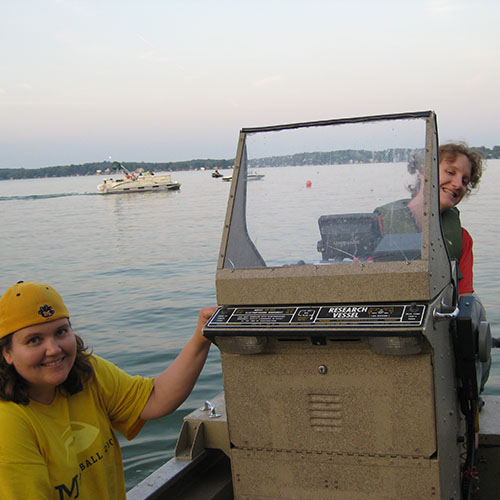
Carolyn Foley, a long-time member of the Purdue Forestry and Natural Resources (FNR) and...

In the September Purdue University/CME Group Ag Economy Barometer survey, 52% of respondents...
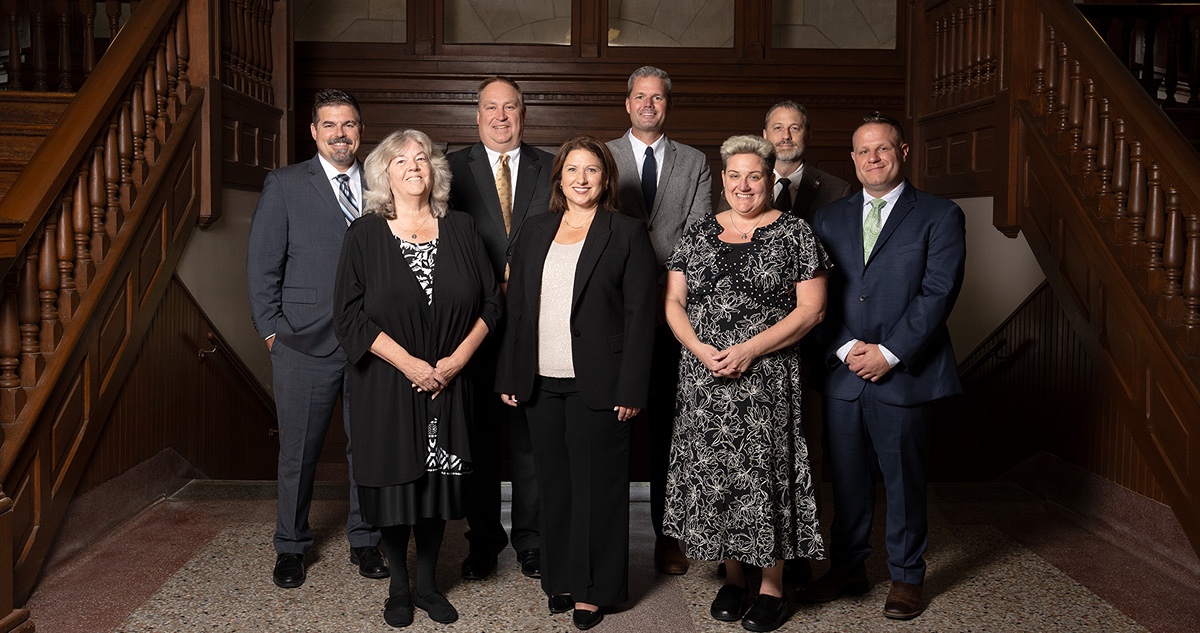
Purdue University’s College of Agriculture recognized nine alumni at the Distinguished...
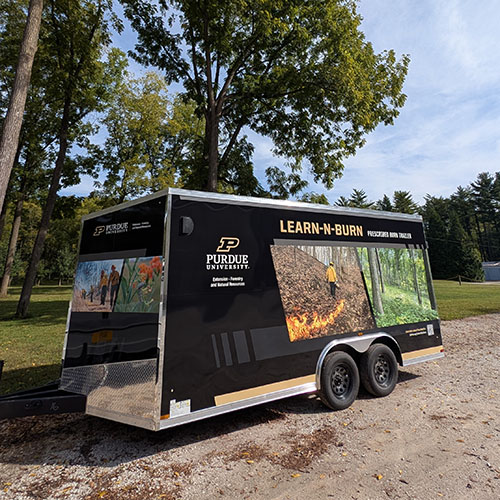
Keep your eyes peeled across Indiana for the newly minted Purdue Forestry and Natural Resources...
“Being at Purdue has changed my thinking entirely,” says Mingyu Zhao, a third-year...