

New co-directors announced for NRES program
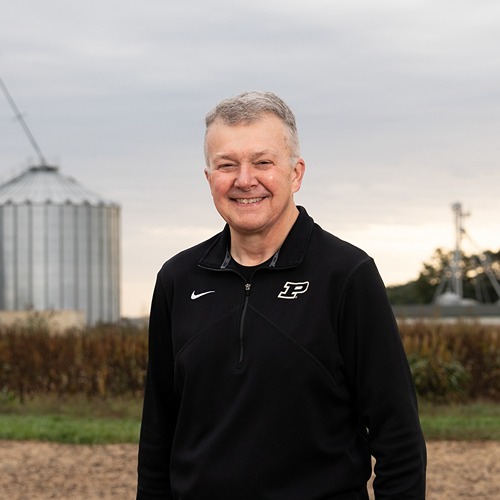
Purdue University’s College of Agriculture has appointed Carson Reeling and Elizabeth Flaherty as the new co-directors for the Natural Resources and Environmental Science (NRES) program.
Longtime NRES-affiliated faculty members Reeling and Flaherty bring complementary expertise in natural resources and environmental science, along with extensive experience in teaching, program administration and student engagement. Together, they offer a strong combination of leadership, experience and enthusiasm to guide the program’s continued success.
As we transition to new leadership, I want to thank Dr. Keith Cherkauer, professor of Agricultural and Biological Engineering, for his commendable leadership and dedication as interim director of NRES over the past two years. I look forward to working with Dr. Reeling and Dr. Flaherty as they continue to promote and move the NRES program forward."
- Christine Wilson, Senior Associate Dean and Director of Academic Programs within the College of Agriculture
Carson Reeling: Expanding opportunities through economics, policy and strategic growth
For Carson Reeling, NRES represents an opportunity to strengthen the connections between environmental science, economics and public policy while positioning students for success post-graduation.
 Reeling, professor of agricultural economics in the Department of Agricultural Economics, earned his bachelor’s degree in economics and Spanish from the University of San Diego before coming to Purdue to complete his master’s degree in agricultural economics. He later earned his Ph.D. in agricultural, food and resource economics from Michigan State University.
After serving on the faculty at Western Michigan University within the Department of Economics and the Institute for the Environment and Sustainability, Reeling returned to Purdue in 2018, where his research focuses on social science and economic policy of environmental and agricultural issues.
“Within NRES, we have several different concentrations. Many focus on hard sciences, like ecology, while others emphasize economics and policy,” said Reeling. “I hope to bring my experience in those areas and ensure our curriculum prepares students for whatever comes next — whether that’s graduate school, private sector or public service.”
In addition to mentoring and supervising graduate students, Reeling has experience in academic leadership, fundraising and donor engagement. He hopes to use these experiences to expand opportunities for students and faculty alike.
I am excited to step into this role and continue growing NRES. I look forward to increasing resources for faculty and strengthening fundraising efforts to support future program growth.”
- Carson Reeling
Elizabeth Flaherty: Bringing a passion for student success to NRES
With a career rooted in wildlife ecology, undergraduate education and academic leadership, Elizabeth Flaherty brings a student-centered perspective to NRES. In her new role as co-director, she hopes to strengthen the educational experience and expand opportunities for students pursuing careers in environmental science. 
Flaherty, professor of wildlife ecology and management in the Department of Forestry and Natural Resources (FNR), earned her bachelor’s degree from the University of Wyoming and her master’s degree from Southeast Missouri State before returning to Wyoming to complete her Ph.D. She later conducted postdoctoral research with the U.S. Forest Service, studying the impacts of timber management on wildlife. With academic training in wildlife management, biology, zoology and physiology, Flaherty has built a career centered on the intersection of natural resources and environmental science.
Since joining Purdue in 2012, Flaherty has remained deeply involved in undergraduate education. She has taught three required courses for wildlife majors, a core course for forestry students, developed professional development courses and served as a faculty advisor for the Wildlife Society Club.
“Through these experiences, and now as the associate department head of academic programs in FNR, I’ve had many opportunities to improve undergraduate education and enhance the student experience,” Flaherty said. “I enjoy helping students grow from learners into professionals as they prepare to enter the workforce.”
I’m excited being the co-director of NRES because it serves a large and diverse group of undergraduate students. FNR and NRES share many similarities in career opportunities and undergraduate training — I think the experience I’ve gained in FNR will translate well to supporting the NRES program.”
- Elizabeth Flaherty
Complementary strengths, one shared vision for NRES
Although Reeling and Flaherty come from different academic backgrounds, they share a common goal: building on the strong foundation of the NRES program while creating new opportunities for students, faculty and alumni.
Together, they hope to increase engagement among NRES-affiliated faculty, boost collaborations across disciplines and ensure the program’s concentrations and curriculum continue to evolve alongside the needs of their students.
For both co-directors, investing in the future of NRES also means investing in students. Fundraising efforts will help expand student scholarships, support program initiatives and increase awareness of NRES through outreach and engagement opportunities. Another priority is reconnecting with the program’s extensive alumni network to create more opportunities for alumni to mentor students, share career experiences and expand professional networking.
As the third-largest major within the college, Reeling believes the co-director structure allows the program to bring together distinct areas of expertise.
I think it’s going to very beneficial working with Carson. While we overlap in both our research interests and our experiences at Purdue, we each bring unique perspectives. That diversity of experience will allow us to work together in ways that will benefit the NRES program.”
- Elizabeth Flaherty
Featured Stories
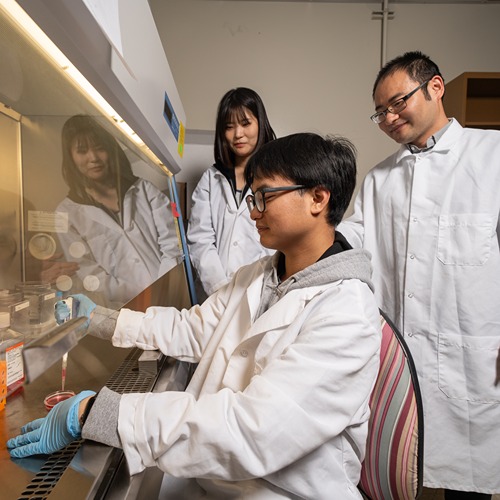
PFAS have been shown to increase risks to immunity, reproductive health, developmental delays,...
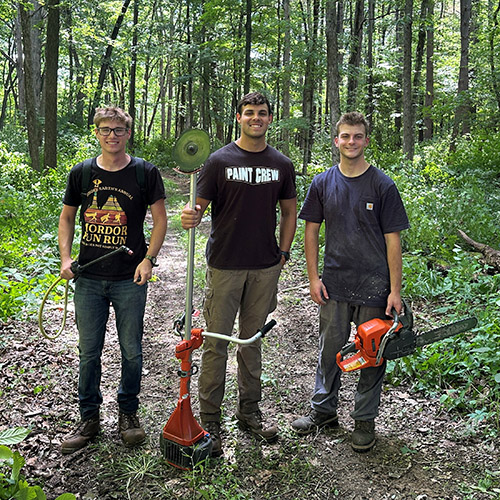
Senior Isaac Johnson, a forestry major with a concentration in forest management, worked as an...

Alisa Tilson (BS '96, Natural Resources and Environmental Science) works for CDOT’s...
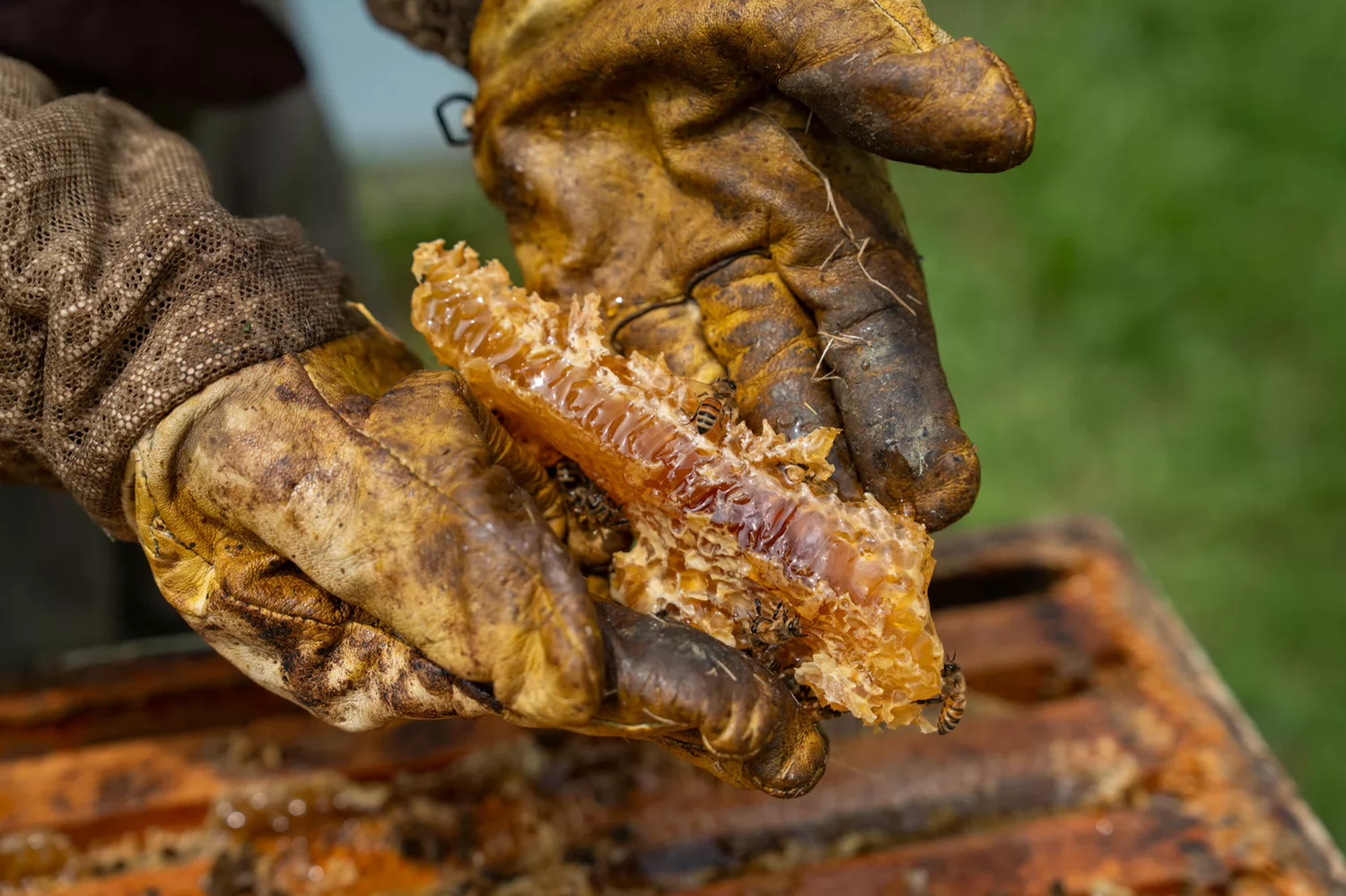
Behind every jar of honey is a fascinating story of pollination, research, and hands-on learning....
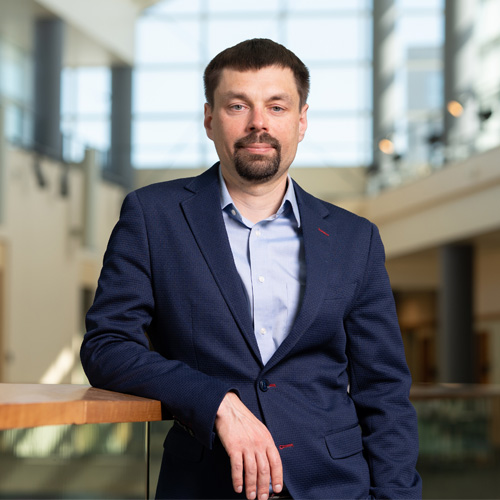
Maksym Chepeliev, a leading international scholar recognized prominently for his work in...
In recent years attendees at Purdue Agriculture alumni, donor, and faculty and staff events have...