

Food engineering innovator joins Purdue Agriculture
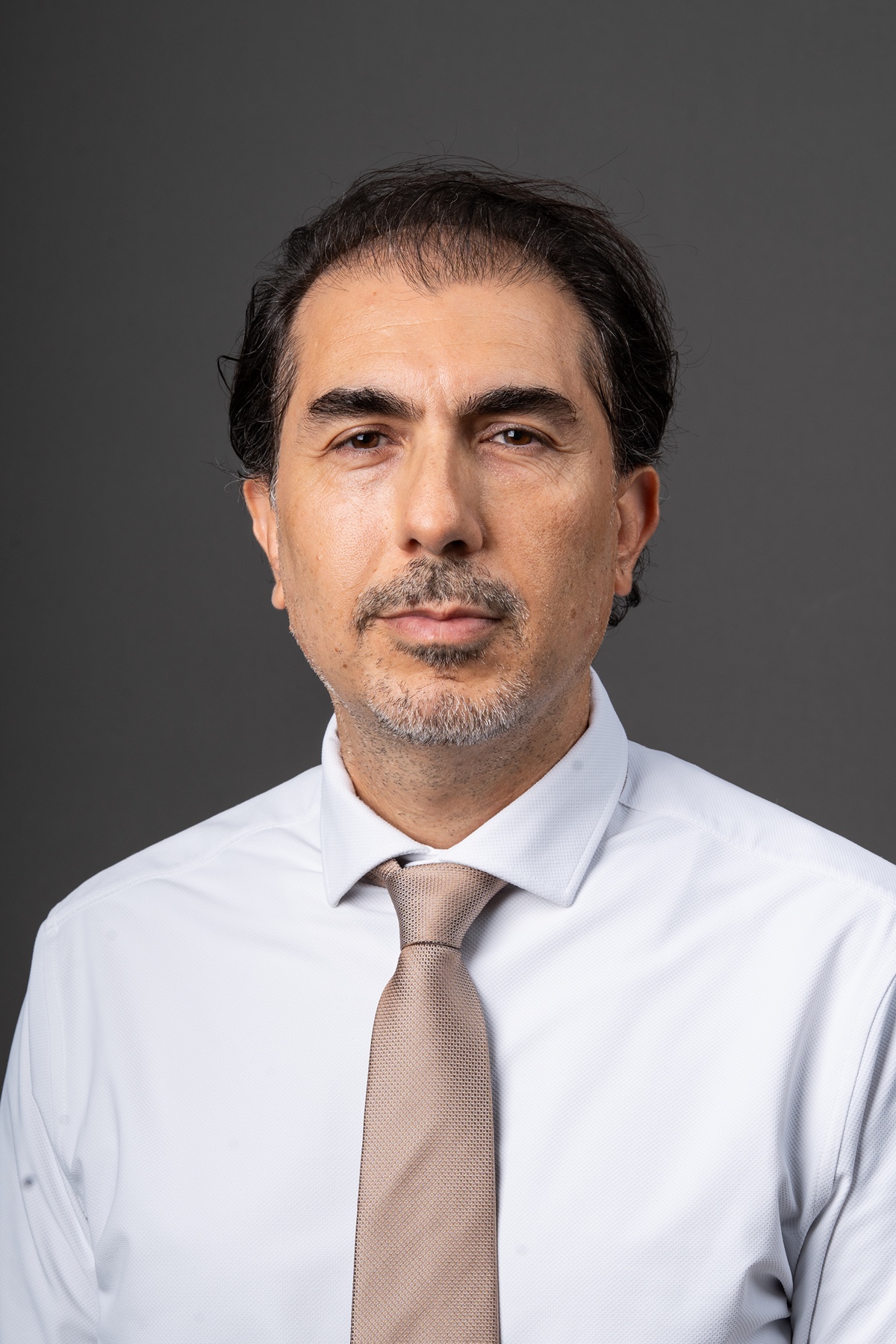
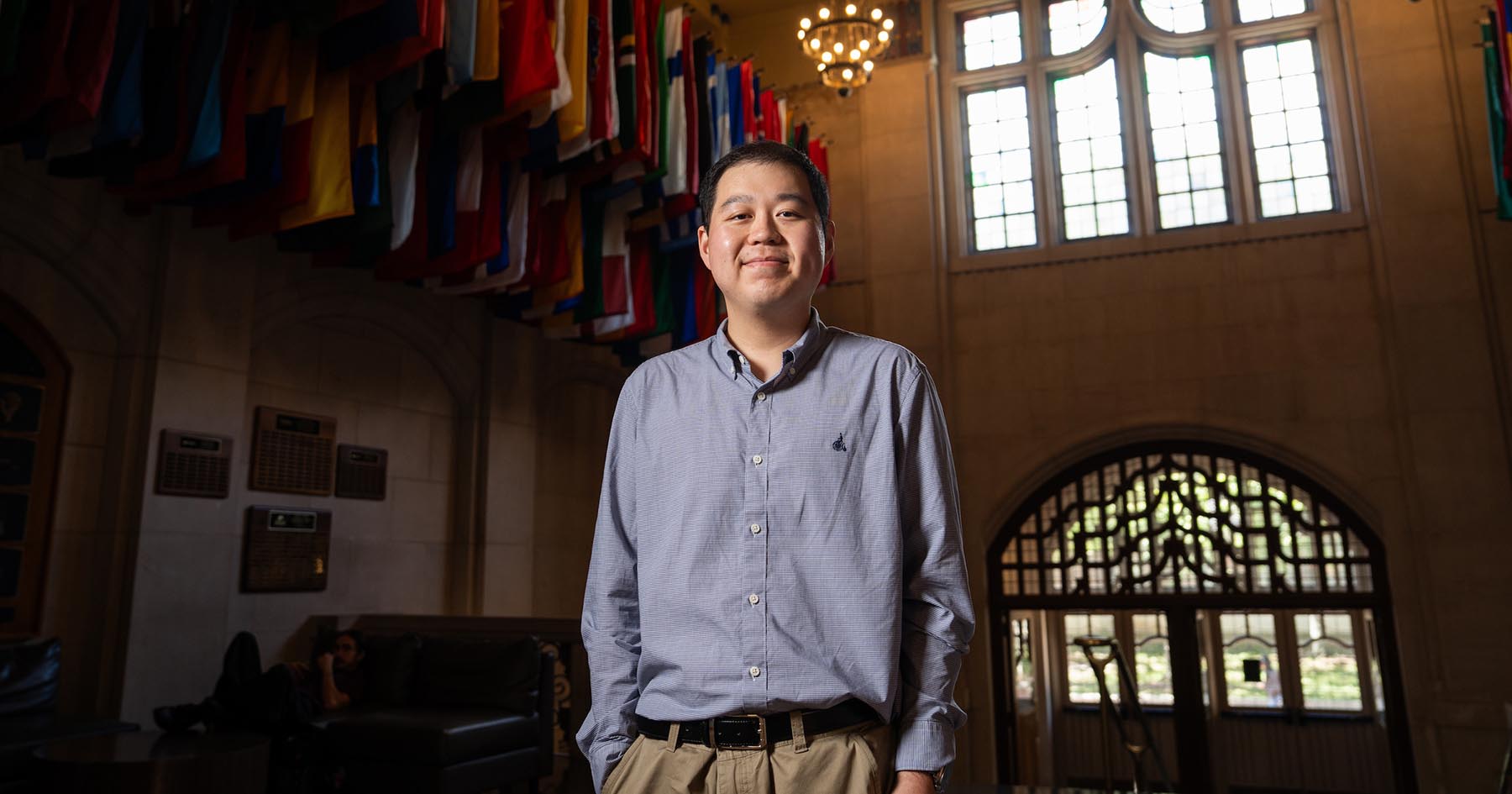
Purdue University’s College of Agriculture is thrilled to welcome Ozan Ciftci, a renowned expert in food engineering, to the Department of Food Science. Ciftci was hired through Purdue’s Moveable Dream Hires program. The program is designed to attract high-performing, top-caliber faculty to the university.
“Ozan is an internationally recognized scholar and innovator whose leadership, research excellence and vision for the future of food systems will strengthen our college and create new opportunities for students, faculty and industry partners,” says Bernie Engel, Glenn W. Sample Dean of Agriculture
An interest in health, a desire to help
Growing up in Turkey, Ciftci became interested in human and environmental health when he was a teenager. Studying medicine seemed like a natural path. But then he learned about food engineering.
“We consume food three times a day at least. Food, human health and the environment are directly related,” he says. “I realized that the way we produce and process food can have major impacts on both people and the planet.”
Food engineering was an area where he could bring together his various interests and make a broad impact. “I compared what doctors do and what a food engineer can do, and honestly I saw enormous opportunities to help people as a food engineer,” he says. “As a food engineer, I could help develop healthier foods and better manufacturing technologies that may contribute to preventing disease before people ever need to go to the hospital.”
Ciftci earned bachelor’s, master’s and PhD degrees in food engineering from Gaziantep University in Turkey. He then moved to Canada for a postdoc in chemistry and biochemistry at the University of Lethbridge. He completed a second postdoc, in bioresource and food engineering, at the University of Alberta, then joined the University of Nebraska-Lincoln as an assistant professor in 2014. Most recently, he was the Kenneth E. Morrison Distinguished Professor of Food Engineering, with a joint appointment between the university’s departments of food science and technology and biological systems engineering.
Purdue’s Department of Food Science is “delighted” to welcome Ciftci, says department head Senay Simsek, Dean’s Chair in Food Science.“Dr. Ciftci’s expertise is an excellent fit with the vision and strategic priorities of Purdue Food Science, particularly in food processing and technology development, food chemistry and structure, foods for health, and sustainable food systems. His research will also create significant opportunities for collaboration across food science, agricultural and biological engineering, nutrition, materials science and industry.”
Rethinking how we process food
Ciftci began working with lipids — fatty, oily or waxy compounds — as a graduate student. He became interested in one of the fundamental challenges facing the industry: Many conventional methods for processing oils rely on petroleum-derived solvents and harsh processing conditions.
Ciftci’s first postdoc improved his lipid chemistry skills. His second introduced him to supercritical carbon dioxide technology, in which carbon dioxide is placed under controlled temperature and pressure so that it behaves as a highly tunable processing fluid. The technology can be used to extract valuable compounds without many of the conventional organic solvents traditionally used in food and bioprocessing.
 “I had a great deal of independence as a postdoc, so I decided to combine two areas I was passionate about, enzyme technology and supercritical carbon dioxide technology,” Ciftci says. He focused on corn waste, a byproduct of the ethanol industry, which contains oils and valuable lipid compounds. He used supercritical carbon dioxide to extract these lipids, then developed an enzyme-based continuous bioreactor that used carbon dioxide to convert the lipids into biodiesel.
“It converted oil into biodiesel without any chemical catalysts,” he says. “So it was completely clean.”
That philosophy, designing cleaner technologies while creating greater value from agricultural resources, has become a defining theme of Ciftci’s research.
At Nebraska, he expanded his work in supercritical fluids and other advanced processing technologies to transform crops, agricultural byproducts and food-processing streams into higher-value food, health and biomaterial ingredients.
His current research spans several interconnected areas: particle engineering — designing and manufacturing novel micro- and nanoparticles of bioactive compounds and lipids using green technologies; green extraction — using clean methods to extract bioactive compounds and lipids from food and agriculture waste; biorefining — developing clean ways to process renewable feedstocks; biocatalytic conversions — using enzymes to produce lipids and other products in supercritical fluids; and 3D food printing.
Ciftci has published more than 80 papers, secured more than $22 million in research funding, and won numerous awards, including the 2026 National agInnovation Excellence in Agricultural Research Innovation Mid-Career Award.
Turning scientific innovation into industrial and agricultural assets
Ciftci holds two issued patents involving a technology designed to improve the delivery and bioavailability of health-promoting compounds. With two colleagues, he recently began a startup that uses synthetic biology to generate novel crops that can be used to make biofuel. Ciftci and his collaborators are working to commercialize the technology.
“This is great for the Midwest” Ciftci says. “Instead of producing one commodity from one crop, we can design crops and processing systems that generate multiple high-value products. That diversification can create new markets for farmers and new ingredients for food, health and industrial applications.”
Looking forward to work and life in West Lafayette
“Purdue has a great collaborative environment to help me grow and make my dreams come true,” he says. “It also has great industry ties. In my lab, stakeholders — including industry — are involved at each step of the process.” He sees Purdue as an ideal environment for translating ideas from laboratory discoveries into technologies that reach farmers, companies and consumers.
When he’s not working, Ciftci enjoys spending time with his wife, Deniz Ciftci, a fellow food engineer, who will be joining Purdue’s food science department as a clinical assistant professor, and the couple’s three children — a 12-year-old son and two daughters, ages 6 and 4.
“I’m looking forward to establishing my research program at Purdue, developing new collaborations with outstanding colleagues,” Ciftci says. “At the same time, I am looking forward to our family becoming part of the Purdue and West Lafayette community.”
Ultimately, he says, the move is about pursuing ambitious ideas in an environment capable of turning them into impact.
“There are big challenges ahead for our food system, human health, sustainability, food security and the future of agriculture,” Ciftci says. “I believe engineering can play a major role in solving them. Purdue gives us an incredible environment to bring the right people together and turn those ideas into solutions.”
Featured Stories

For Brody Cox, preparing for the Indiana State Fair began long before he entered the show...
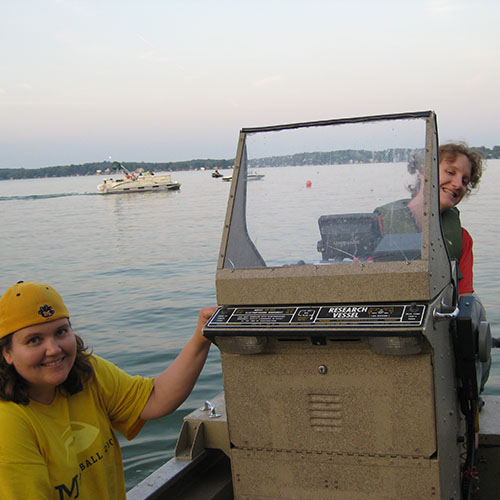
Carolyn Foley, a long-time member of the Purdue Forestry and Natural Resources (FNR) and...

In the September Purdue University/CME Group Ag Economy Barometer survey, 52% of respondents...
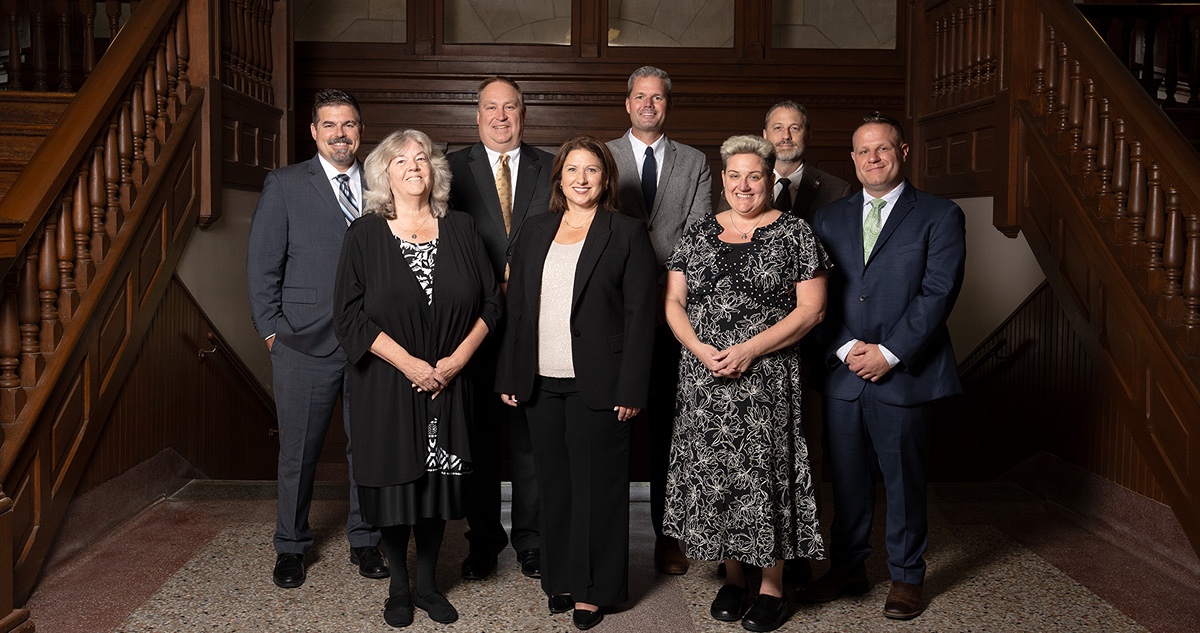
Purdue University’s College of Agriculture recognized nine alumni at the Distinguished...
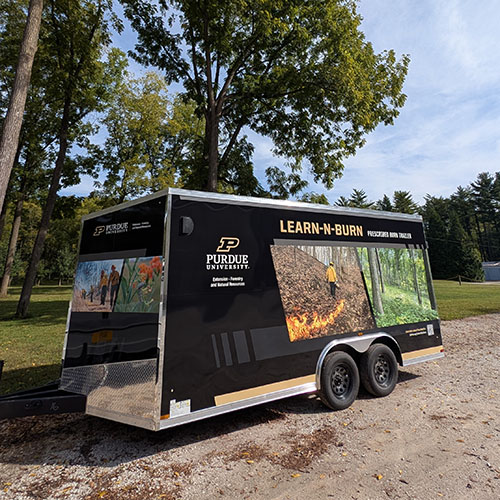
Keep your eyes peeled across Indiana for the newly minted Purdue Forestry and Natural Resources...
“Being at Purdue has changed my thinking entirely,” says Mingyu Zhao, a third-year...