

Advancing animal genetics through global collaboration
International collaboration is a main focus of the research programs led by Professor Luiz Brito and Assistant Professor Hinayah Rojas de Oliveira. By working with producers, researchers and organizations around the world, they are advancing genetics research while addressing challenges facing livestock industries across diverse environments and production systems.
Brito's international collaborations span nearly every continent, while Rojas partners with researchers and industry organizations in countries including Brazil and Australia. Many of her projects compare livestock populations from multiple countries to better understand genetic diversity and improve genetic evaluation methods.
Many of Rojas' graduate students also work with international datasets, allowing them to compare genetics across diverse production systems and environments.
"About half of my students work with international data," Rojas said.
Brito’s and Rojas’ research focuses on topics ranging from genetic diversity and sustainability to adaptation, resilience and production efficiency. By studying livestock populations across different regions, researchers can identify traits that help animals thrive in unique environments and production systems.
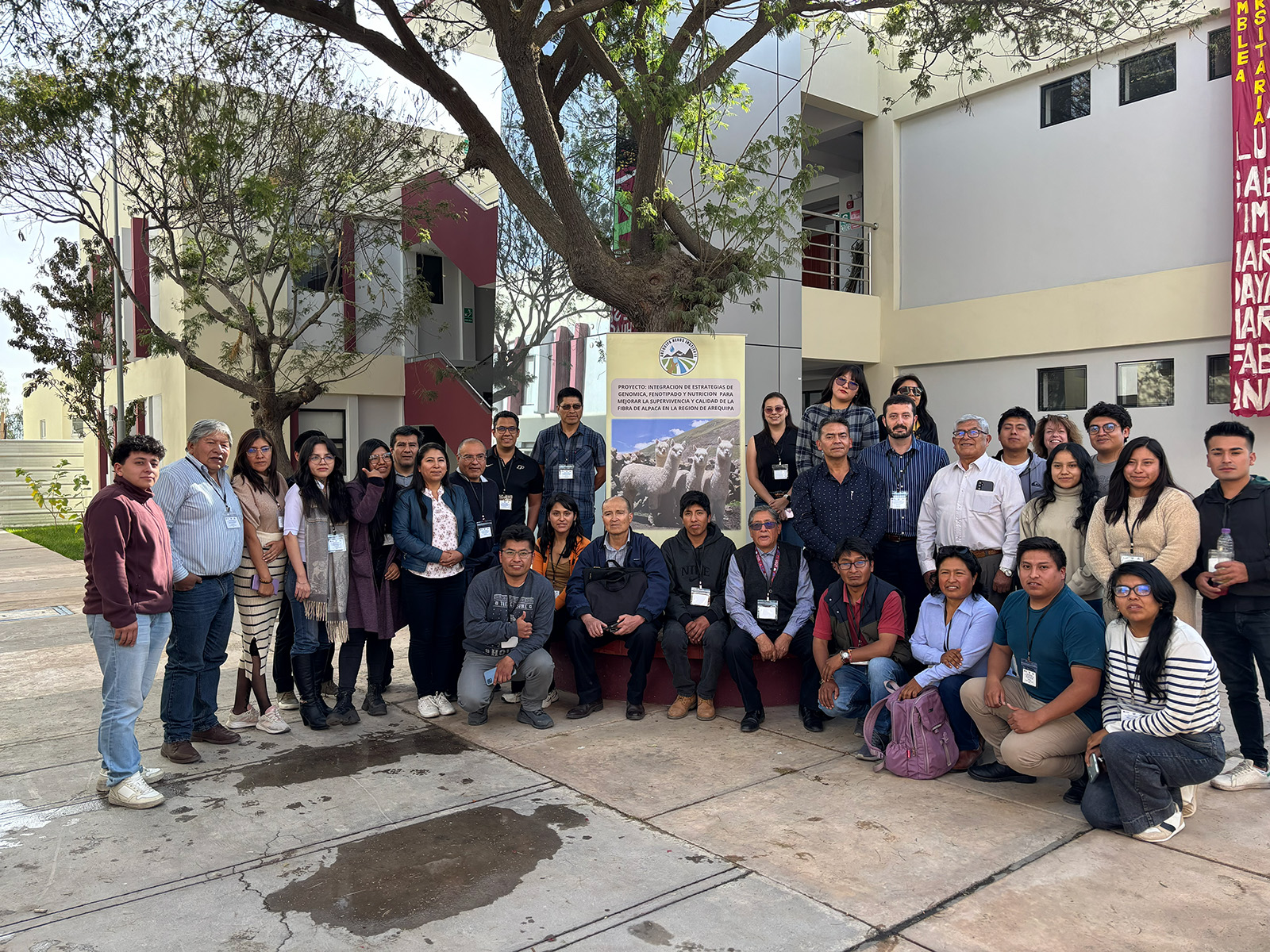
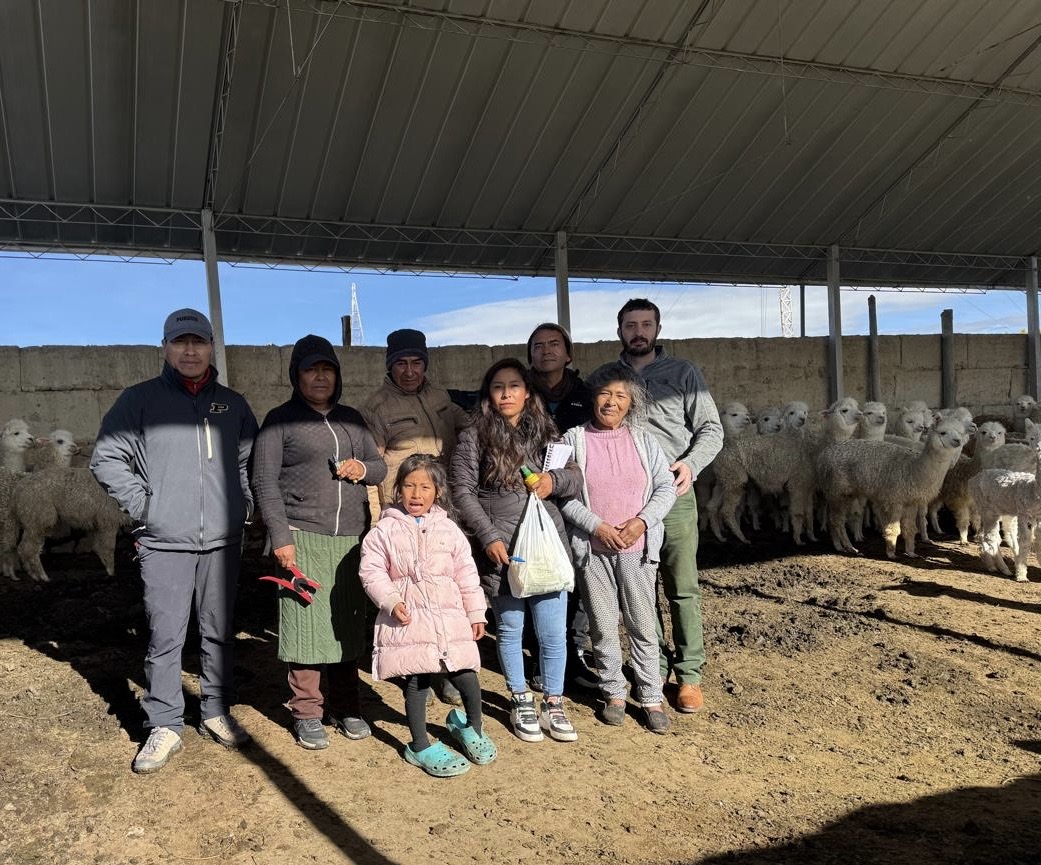
One example is Brito's work with alpacas in Peru, where researchers are studying ways to improve fiber quality while supporting producers in the Andes Mountains. His international collaborations also include efforts to develop and preserve genetic banks for species such as sheep, water buffalo, yaks and other livestock populations around the world.
"There are very valuable genetic resources around the world," Brito said.
Those genetic resources can include animals with natural resistance to disease, tolerance to heat stress or the ability to perform well under challenging environmental conditions. Understanding those traits can provide benefits for producers both internationally and in the United States.
For both researchers, maintaining genetic diversity is critical to the future of animal agriculture. Genetic diversity allows producers to continue making improvements in productivity, efficiency and resilience while helping livestock populations adapt to future challenges.
"If we want to increase production and efficiency, we need to improve genetics," Rojas said.
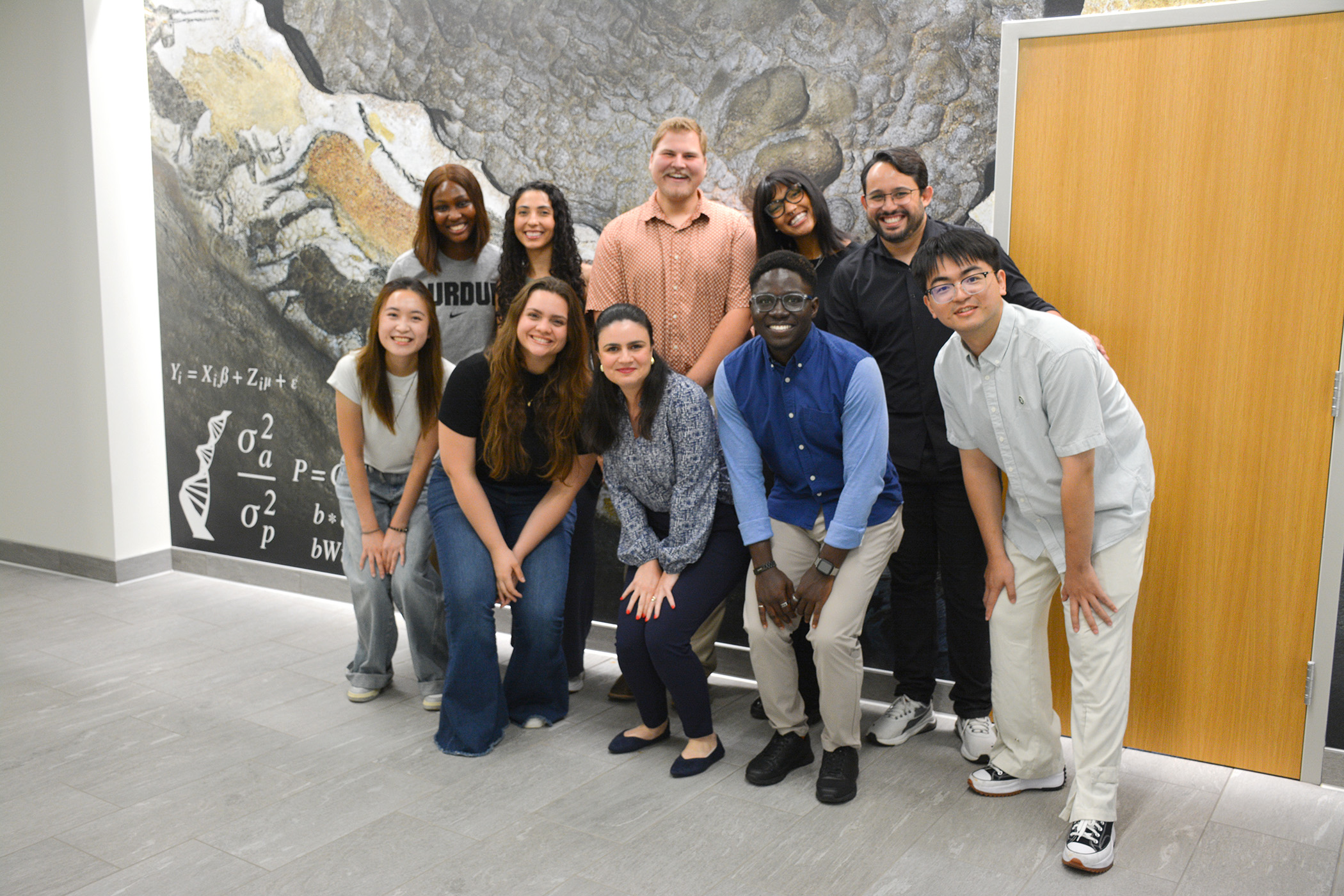
International collaboration also extends to Purdue's campus. Brito and Rojas regularly host visiting scholars, graduate students and researchers from around the world, creating opportunities for cultural exchange and scientific collaboration. Those visitors bring experience from different production systems while Purdue students gain exposure to global perspectives and research challenges.
According to Rojas, successful international collaborations require more than shared data and research goals.
"When working with international collaborators, people sometimes forget the social component," she said. "Different countries have different motivations and different ways of working."
Through these collaborations, Brito and Rojas are helping preserve valuable genetic resources, strengthen student training and support livestock production across diverse environments.
More From Purdue Animal Genetics
Animal genetics leaders at Purdue drive innovation and student success.

Purdue researchers partner with industry to advance animal genetics.

Even if you don’t know much about beef or dairy production, if you imagine a ranch or a...
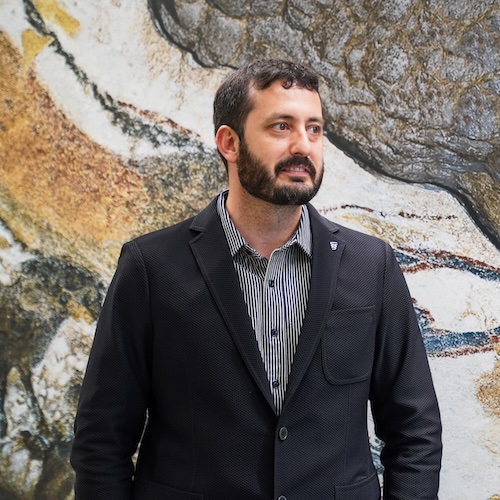
Luiz Brito, associate professor of animal sciences, has been named a 2025 University Faculty...

What’s good for the planet can also benefit animal welfare, livestock production and the...