

Industry partnerships drive genetics research at Purdue
For Assistant Professor Hinayah Rojas de Oliveira and Professor Luiz Brito, research often begins with questions or ideas from producers, breed associations and other companies looking to solve real-world challenges. Their collaborations with industry partners help ensure research remains relevant to the needs of producers.
"I think both of us tend to work a lot with companies and associations," Rojas said. "The ideas for the projects come from interests from the industry. They want to develop new traits or they want to find better ways to analyze specific things, so everything is focused on actually giving back to the industry later on."
Rojas works with organizations including the American Angus Association, Hendrix Genetics, Australian Angus and the Brazilian Association of Zebu Breeders (ABCZ). Her research looks to improve genetic evaluations, feed efficiency, genetic diversity and sustainability in livestock production.
Many of Rojas’s projects begin with data already being collected by producers.
"Sometimes they have the data there, but they don't know how to analyze it," Rojas said. "Basically, what we do is derive these novel traits or new methods based on the information that is there."
Brito also collaborates with organizations and companies such as Pig Improvement Company (PIC), Topigs Norsvin, Smithfield Premium Genetics, Acufast Genetics, the American Angus Association, Hy-Line International and Maple Leaf Farms. Examples of projects with these partners include sow longevity, disease resistance, heat tolerance, endo- and ecto-parasite resistance and animal welfare and resilience indicators.
"We help them identify the best animals that are going to become the parents of the next generation," Brito said.
Producers and companies often collect large amounts of information that can be used to answer questions beyond its original purpose. According to Brito, those datasets can provide valuable opportunities for new research.
"A lot of times they collect a ton of data," Brito said. "They don't use all that data for their purpose, and then we can use that data for answering other questions that they were not necessarily collecting the data for."
While genetics research can take years to be implemented, both researchers emphasize that the benefits continue accumulating over time.
Genetics takes longer, but the gains are permanent and cumulative.
- Luiz Brito, Ph.D.
More From Purdue Animal Genetics
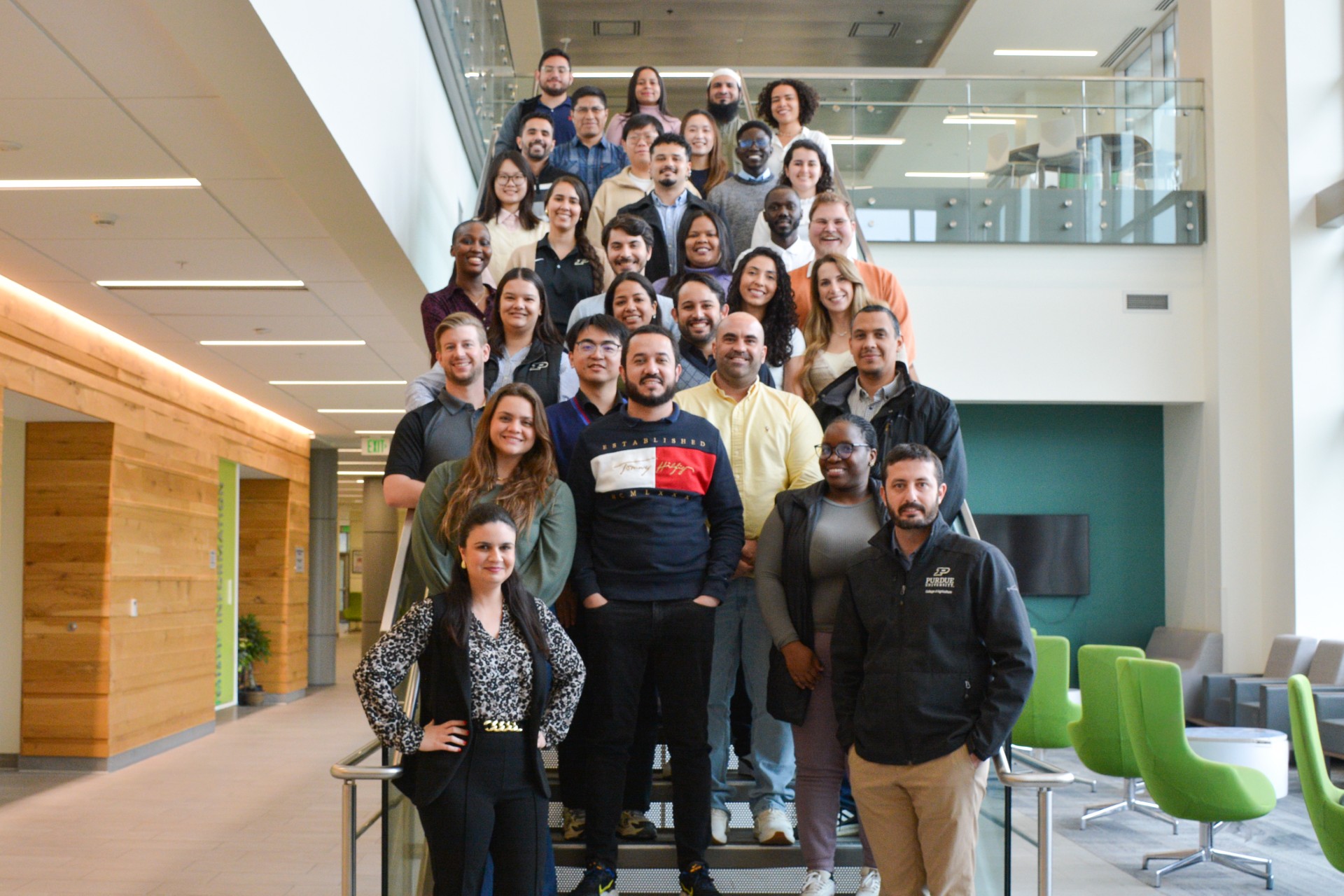
Animal genetics leaders at Purdue drive innovation and student success.
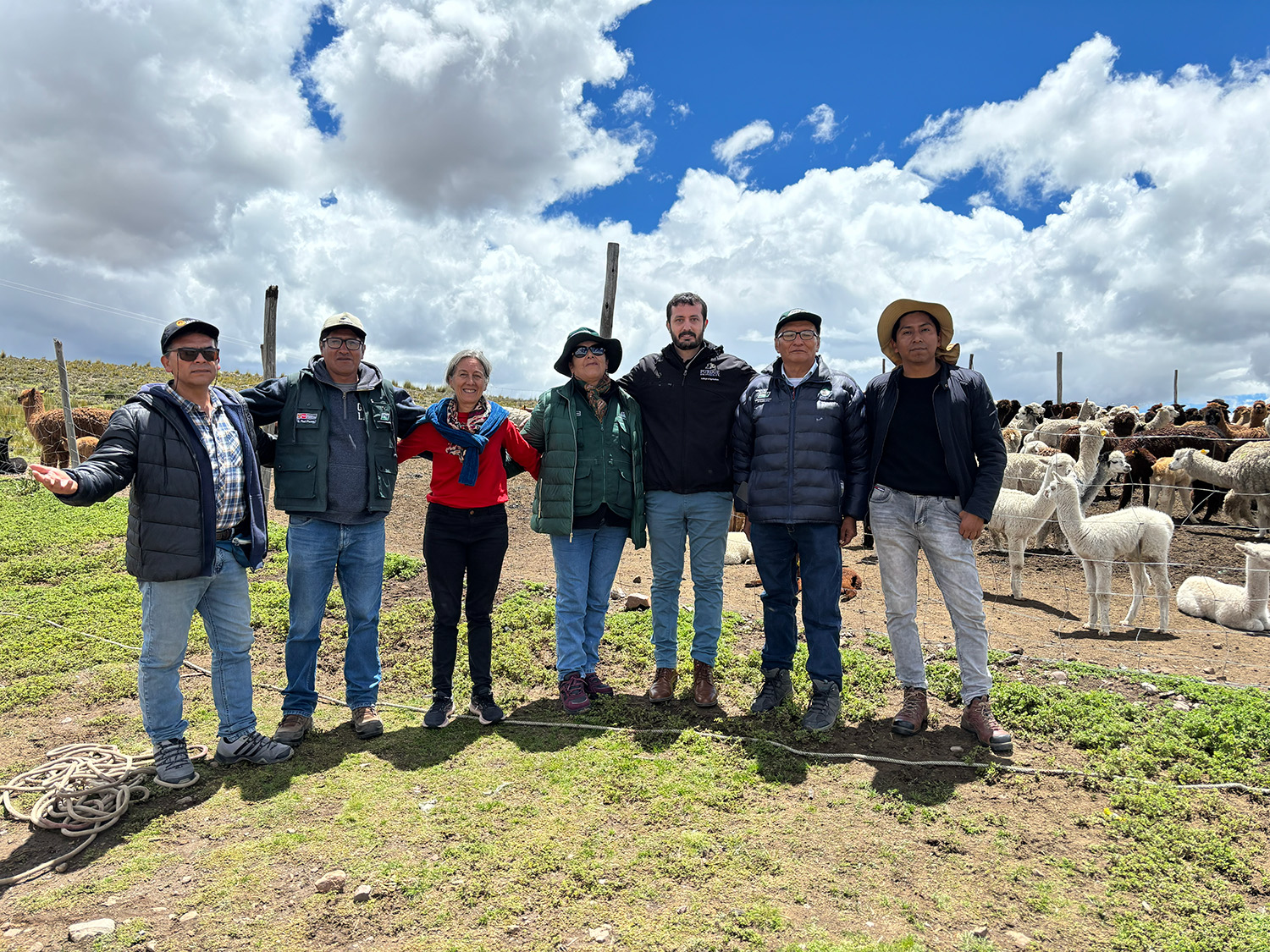
Global partnerships strengthen Purdue animal genetics research.
Luiz Brito, associate professor of animal sciences, has been named a 2025 University Faculty...

What’s good for the planet can also benefit animal welfare, livestock production and the...

Even if you don’t know much about beef or dairy production, if you imagine a ranch or a...