

Residents, Alumni Invited to Share Indiana Natural Resource, Spaces, Species Memories
Do you have a favorite place, species, landscape or natural phenomenon in Indiana? Share it with Dr. Clement Bataille through this Qualtrics survey and it may become part of the new Indiana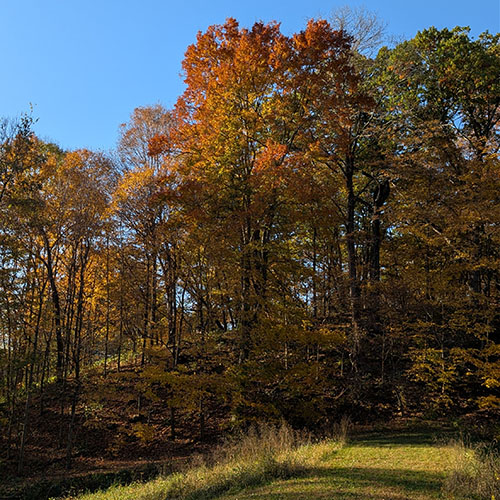 Natural Resources and Wonders course in spring 2027.
The course will offer a broad survey of Indiana’s natural history and remarkable natural resources, highlighted by a series of case studies ranging from mastodons and glacial lakes to prairies, insect migration, freshwater mussels and more. The course will introduce the natural systems that make Indiana one of the most productive and biologically distinctive landscapes in the United States, from rocks to soils and water, to forests, wildlife and climate.
To flesh out course content and topics for conversation, Bataille is inviting all Indiana residents, FNR alumni, natural resource professionals and other members of the community to share a photo or short story about an Indiana natural resource, place or experience in the state that they find particularly meaningful, remarkable or inspiring.
The deadline for submissions is Nov. 30, 2026.
The Indiana Natural Resources and Wonders course will begin with a look at the Paleozoic bedrock beneath the state and the glacial ice that reworked its surface, then examine the soils that resulted and explain why Indiana supports both exceptional forests and exceptional agriculture. Students will then explore the hydrosphere, working through rivers, lakes, wetlands and groundwater along with their biodiversity and their long history of human interactions. From there the course turns to the prairies and forests of Indiana, then to wildlife and biodiversity, from resident species like white-tailed deer that are actively managed to migratory birds and insects. The course also will investigate how observed and projected climate change might reshape natural resources across Indiana and the conservation and management solutions needed to face this change.
Featured Stories
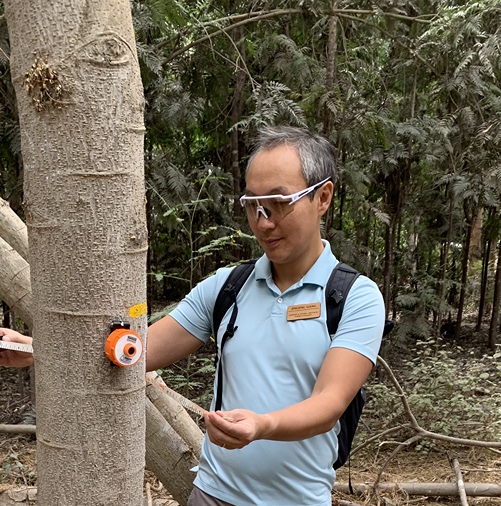
The U.S. Forest Service invested decades of work and tens of millions of dollars to develop a...
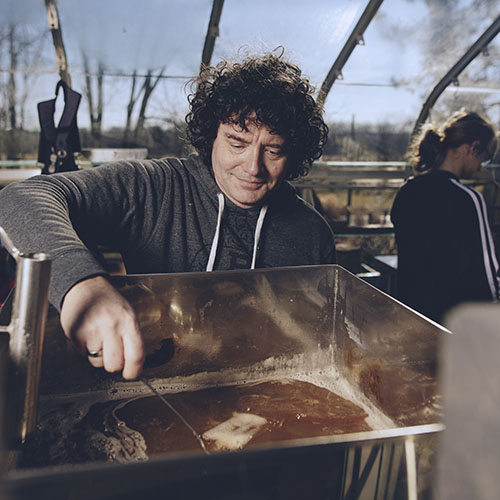
Researchers are working to scale up the green production of maple syrup in the Central Hardwood...
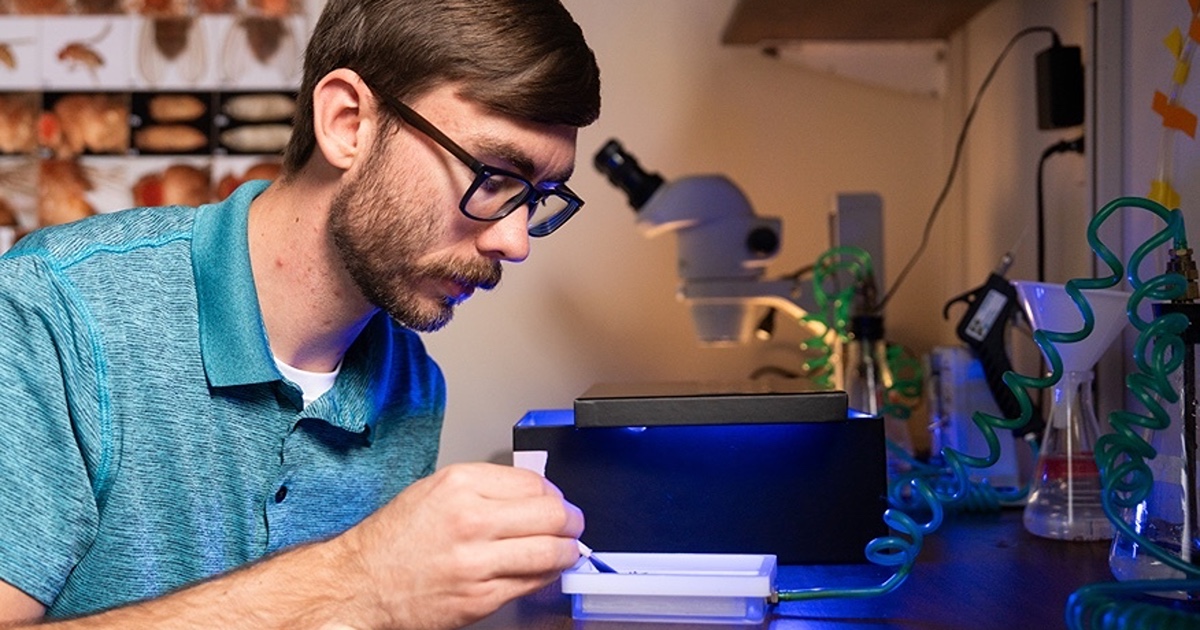
The eyes are the window to the soul, according to an old saying. But Purdue University’s...

For her contributions to and impact on wildlife management in the state of Indiana, Geriann...
PFAS have been shown to increase risks to immunity, reproductive health, developmental delays,...
Senior Isaac Johnson, a forestry major with a concentration in forest management, worked as an...