

Meet Visiting Scholar Rajiv Ranjan
I am a PhD scholar at Plaksha University (Mohali, India), specializing in Computer Vision and Geospatial Intelligence, with a focus on AI and machine learning applications in remote sensing, satellite/UAV-based analytics, and precision agriculture.
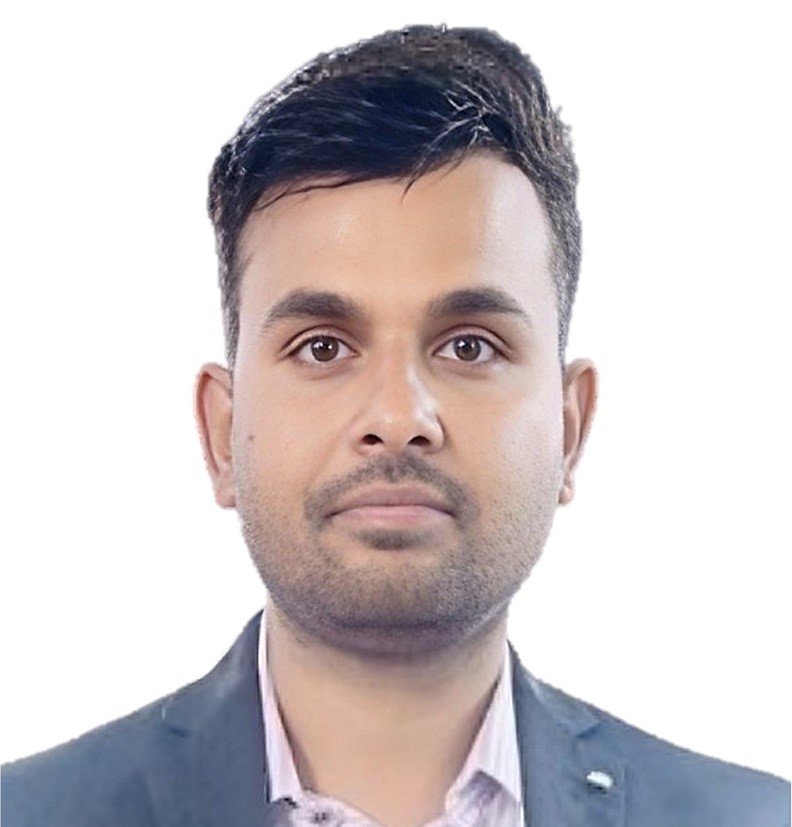 As a visiting scholar in the Department of Agricultural & Biological Engineering (ABE) at Purdue University, I am working under the mentorship of Dr. Dharmendra Saraswat a leading expert in environmental and digital agriculture and geospatial AI.
My research broadly explores the integration of AI‑driven methodologies for crop yield forecasting, crop‑type mapping, stubble burning detection, and environmental monitoring—leveraging multispectral, satellite, and UAV‑derived datasets. I have hands‑on experience with machine learning frameworks including ensemble regressions, CNNs, RNNs, LSTMs, transformers, and generative models. I also work extensively with image preprocessing workflows such as radiometric and geometric corrections, Top‑of‑Atmosphere (TOA) conversions, spectral index analysis, and classification techniques.
I am proficient in geospatial platforms and tools such as Google Earth Engine, QGIS, SNAP, and PIX4D, and I code in Python using frameworks like TensorFlow, PyTorch, RasterIO.
I have presented and published my work at international venues including NeurIPS, IGARSS, ICPR, IEEE GRSL, and ACM COMPASS. Through the fellowship at Purdue, I look forward to collaborating with experts in digital agriculture and geospatial AI, and contributing to scalable, AI‑powered solutions for sustainable, climate‑smart farming systems.
As part of my doctoral work, I am advancing Self‑Supervised Learning (SSL)‑based time‑series Geospatial Foundation Models (GFMs) for sugarcane yield and pol prediction. During my time at Purdue, I will focus on developing and evaluating multi‑scale, multi‑source data fusion techniques, combining satellite and UAV data for sugarcane growth monitoring. I plan to pretrain a Geospatial Foundation Model using paradigms such as SSL, multi‑objective learning, and multimodal fusion, then fine‑tune it on labeled datasets for pre‑harvest yield and pol prediction.
My goals include rigorous model benchmarking, scalability assessment, and performance validation across diverse agro‑climatic conditions—striving to build robust, region‑adaptive geospatial AI systems.
I am thrilled to be working under Dr. Saraswat’s mentorship as a visiting scholar at Purdue University, advancing impactful research in precision agriculture and geospatial intelligence.
Featured Stories
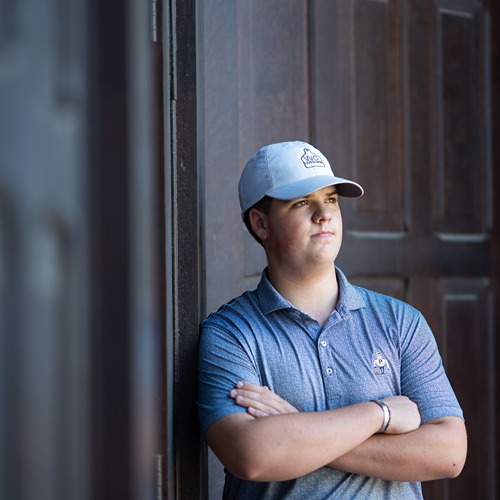
For Brody Cox, preparing for the Indiana State Fair began long before he entered the show...
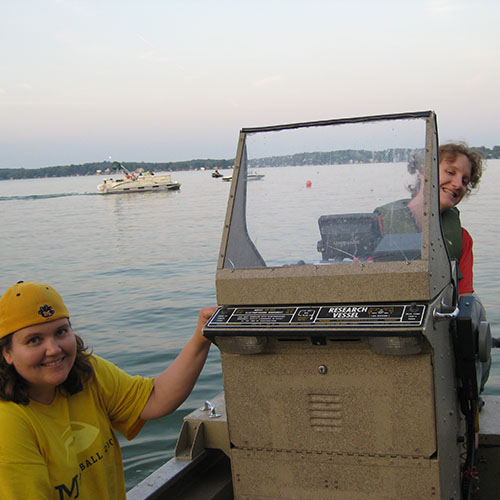
Carolyn Foley, a long-time member of the Purdue Forestry and Natural Resources (FNR) and...

In the September Purdue University/CME Group Ag Economy Barometer survey, 52% of respondents...
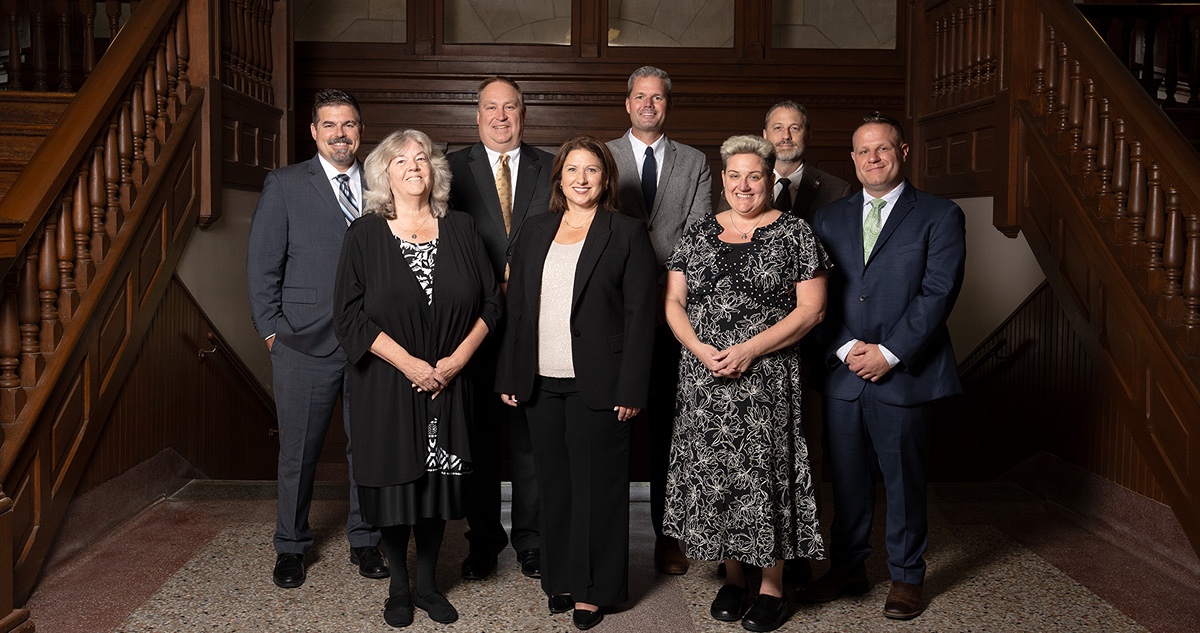
Purdue University’s College of Agriculture recognized nine alumni at the Distinguished...
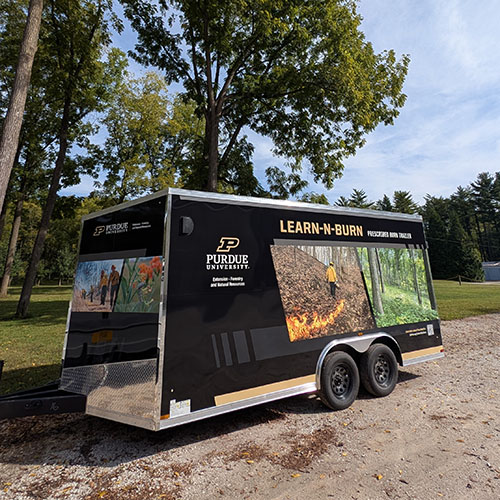
Keep your eyes peeled across Indiana for the newly minted Purdue Forestry and Natural Resources...
“Being at Purdue has changed my thinking entirely,” says Mingyu Zhao, a third-year...