

Student’s research examines influences on decision making in natural resource management
"W
hat I love about my work is I get to interact with people from all different lifestyles, livelihoods and cultures,” said Brooke McWherter, a Ph.D. candidate in forestry and natural resources. “As much as I produce knowledge, I’m learning much more.”
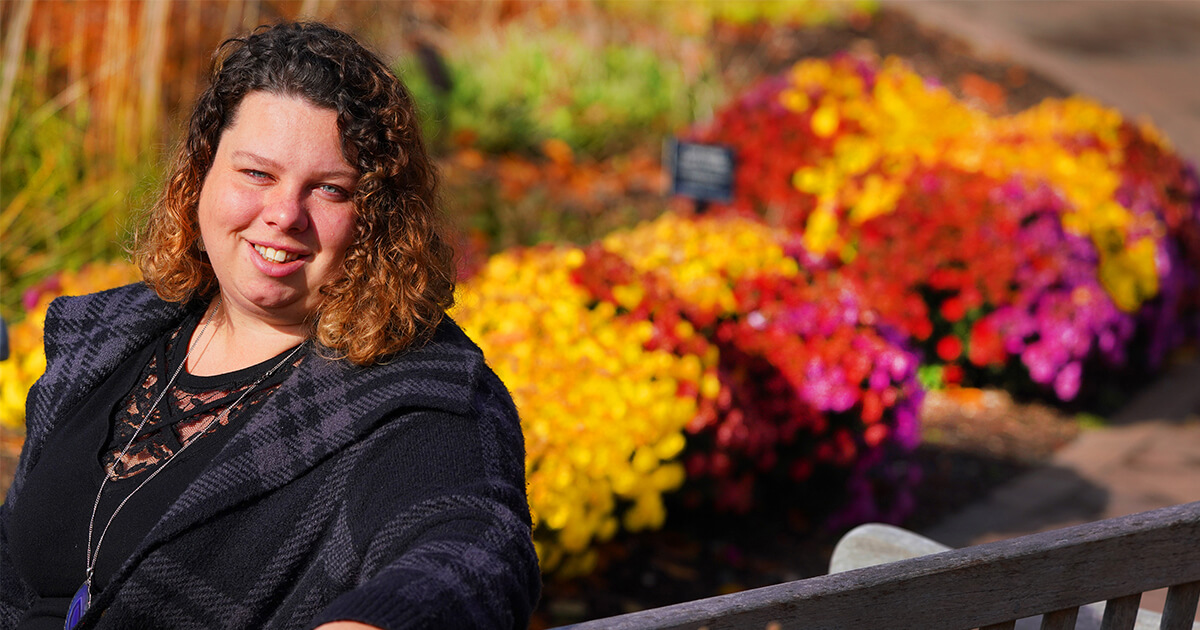 Brooke McWherter (Photo by Tom Campbell)
 Inspired by Jane Goodall, McWherter originally studied wildlife biology. McWherter earned an undergraduate degree at Missouri State University before joining the Peace Corps.
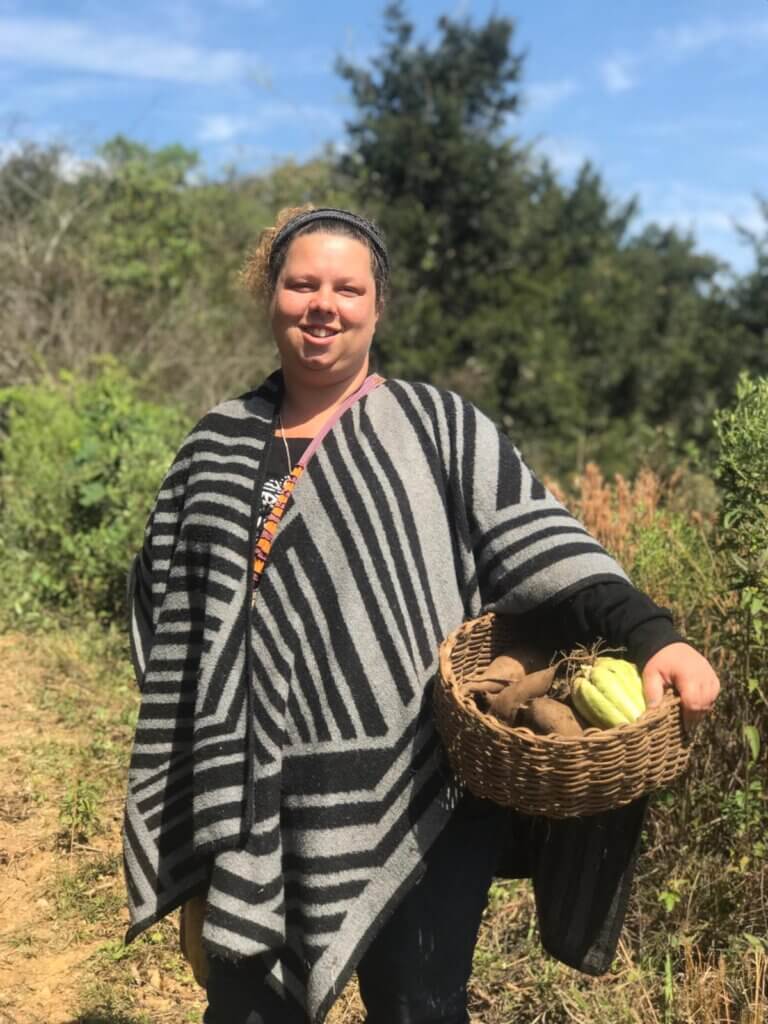
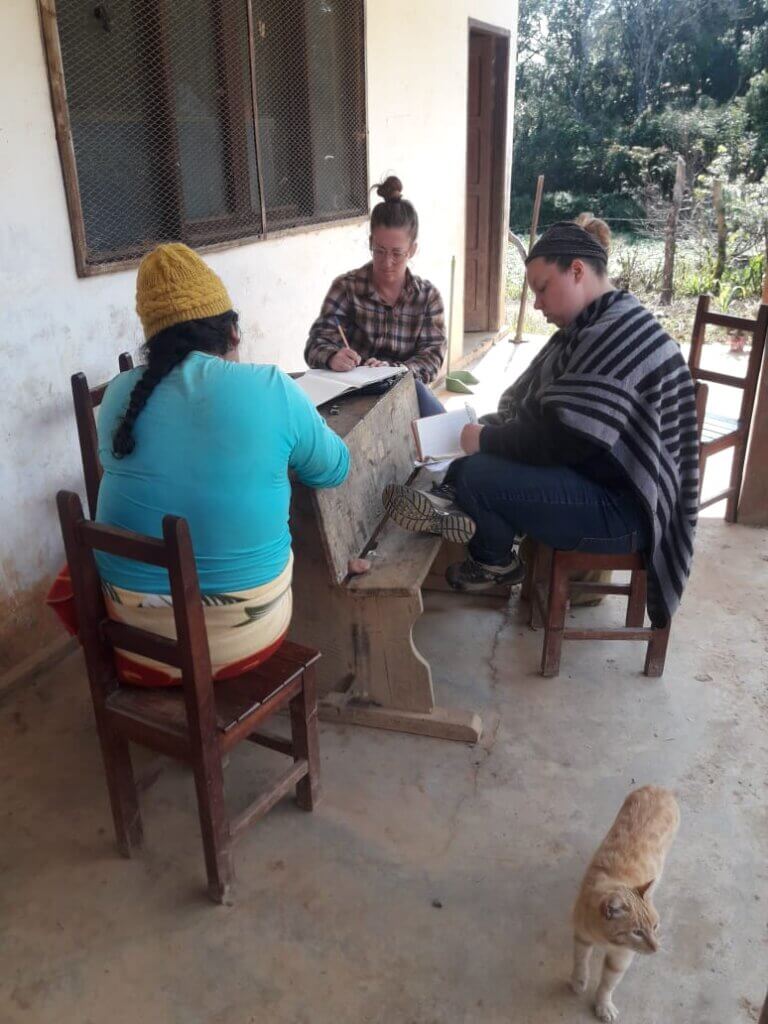
She spent two years as an environmental education and conservation specialist in Paraguay. There, McWherter studied how people’s decisions impact wildlife and wildlife habitats.
“It inspired my interests in more human-focused programs,” McWherter recalled. “I still wanted to conserve nature, but people’s livelihoods are embedded in these landscapes.”
After earning a master’s degree in environmental justice and conservation ecology at the University of Michigan, she moved to Indiana.
In 2017, McWherter began work at Purdue in the Human Dimensions Lab of Zhao Ma, professor of natural resource social science. There, she focuses on understanding human-wildlife and human-environment relationships to improve conservation strategies.
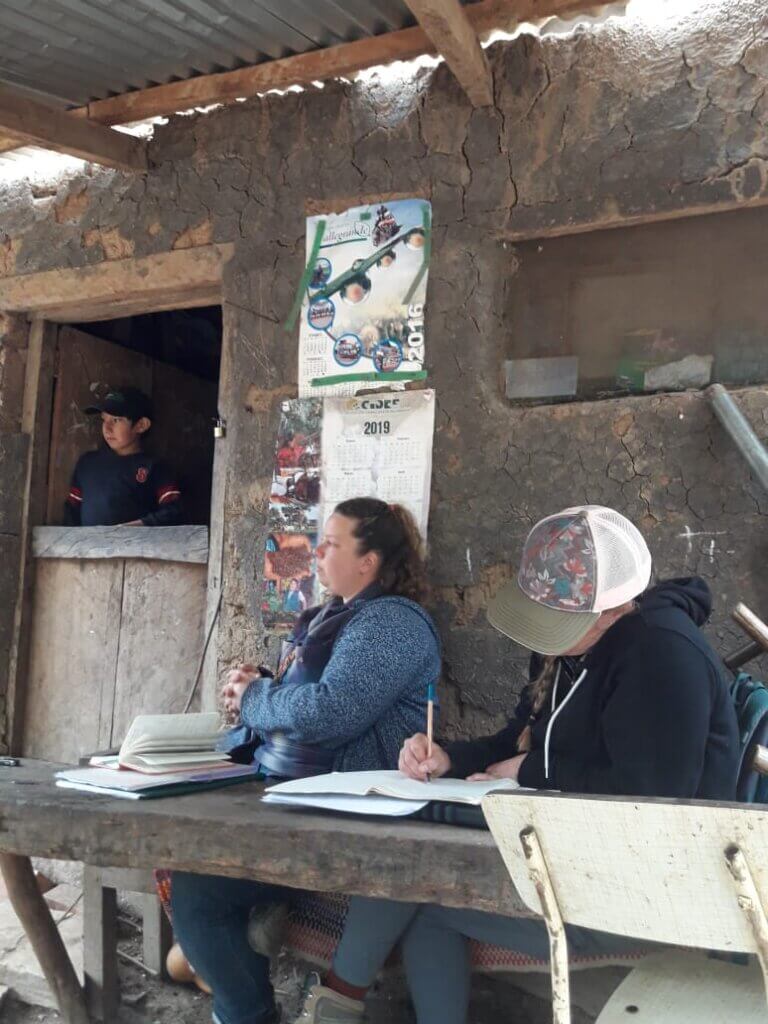
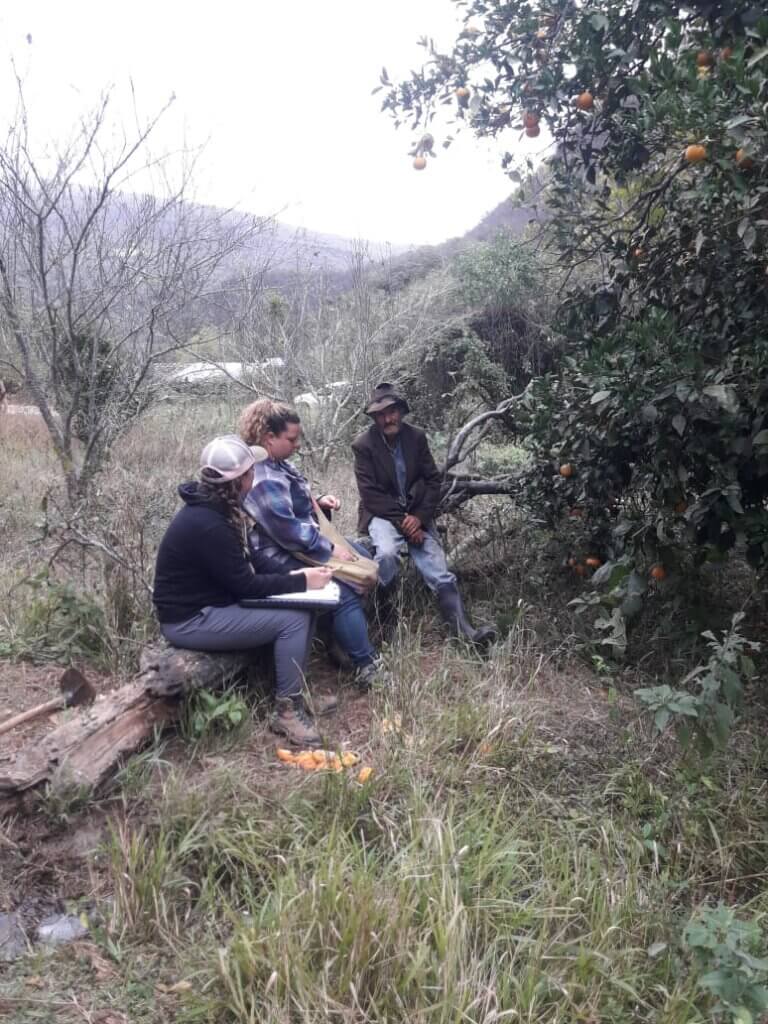
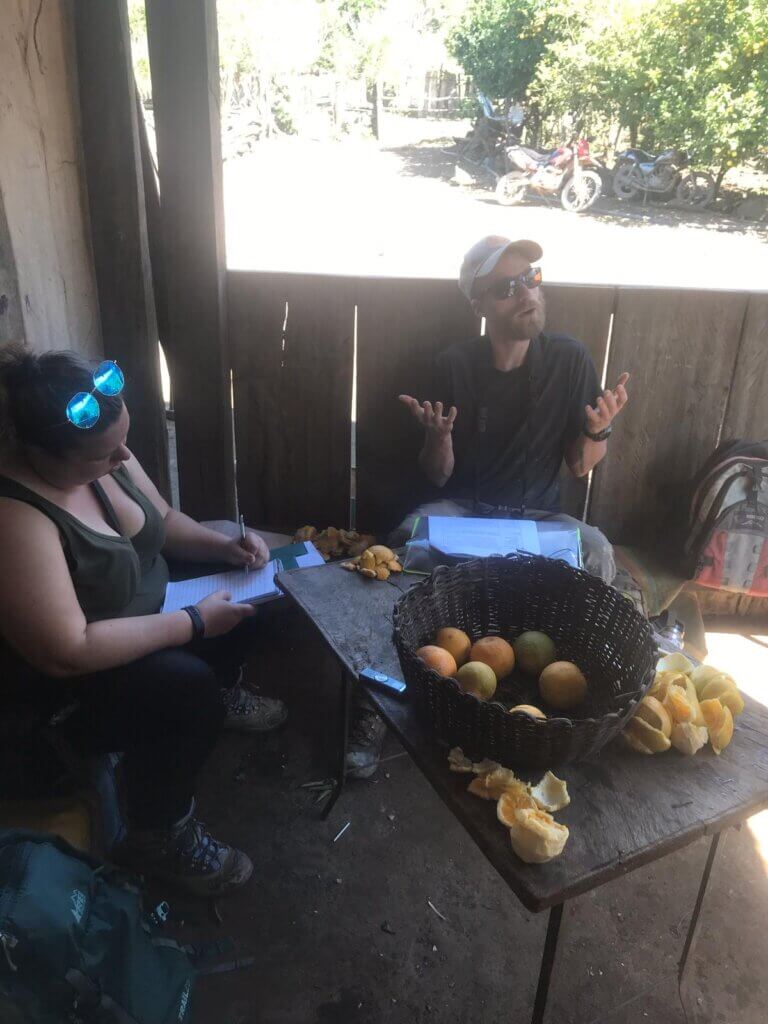
McWherter’s dissertation has three distinct chapters. The first two involved a return to fieldwork in Bolivia where she studied how landowner participation in conservation programs influences trust in implementing organizations. She also examined how nongovernmental organizations and governments leverage shared risk and trust to collaborate in watershed conservation program design.
The third chapter brought McWherter back to Indiana to study how humans interact with –and livestock producers tolerate – black vultures based on cultural values, emotions and economic considerations.
McWherter is active with the Center for the Environment’s signature research area on Building Sustainability Communities and is the graduate student representative on the FNR Diversity, Equity, Inclusion and Justice Committee.
“Diversity always enhances a lab,” McWherter explained. “It means that we’re all learning something new and we are all bringing something to the table.”
In the spring, McWherter will teach an undergraduate course, FNR 375 Human Dimensions of Natural Resource Management. After completing her degree next summer, she hopes to land a postdoctoral position and join the faculty of an R1 institution.
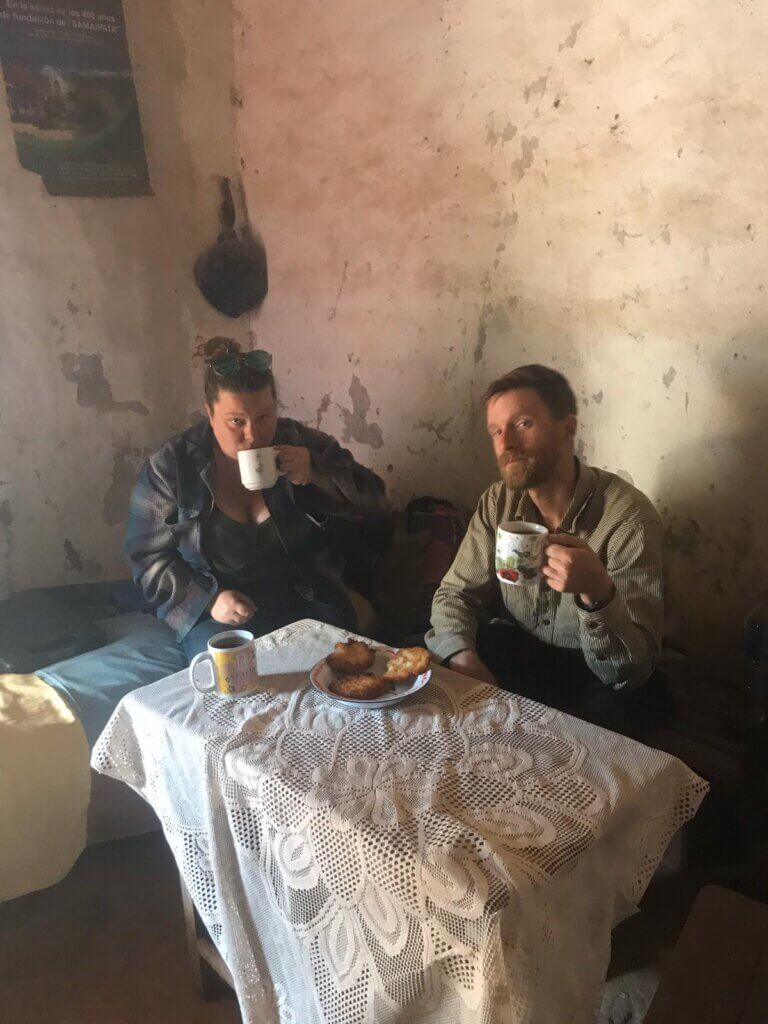
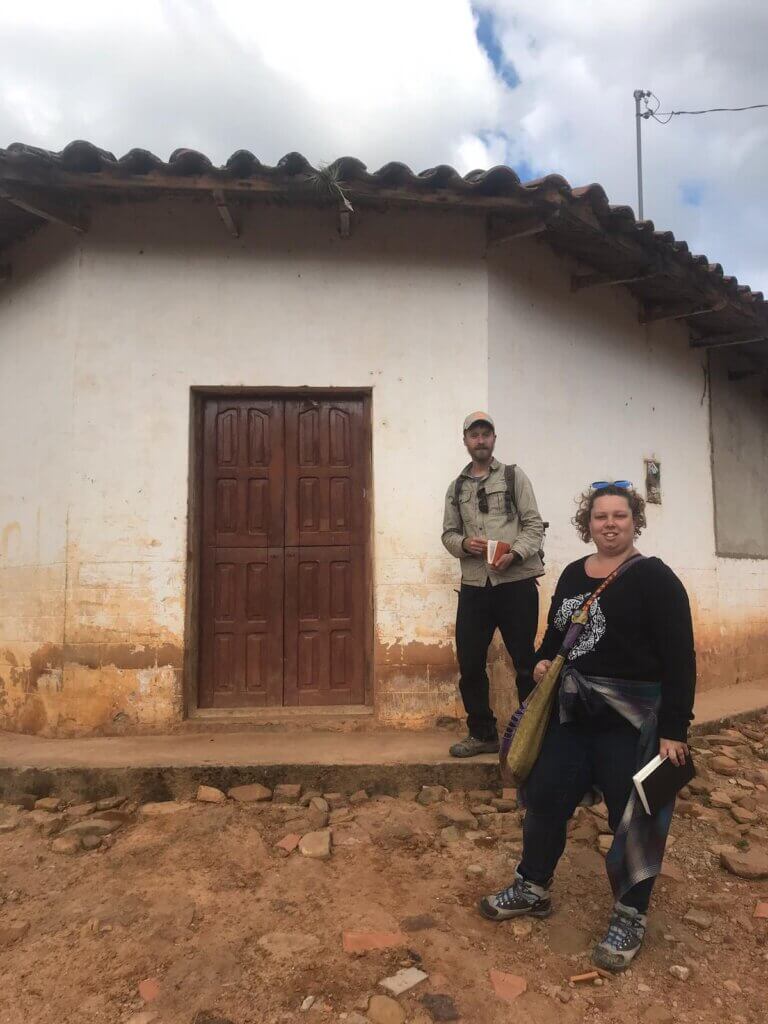
(PHOTOS PROVIDED BY BROOKE MCWHERTER)
Featured Stories

The Office of Indiana State Chemist (OISC) is warning Indiana residents about an illegal...

A prominent protein on most human cells may be key to unlocking the code that makes humans...
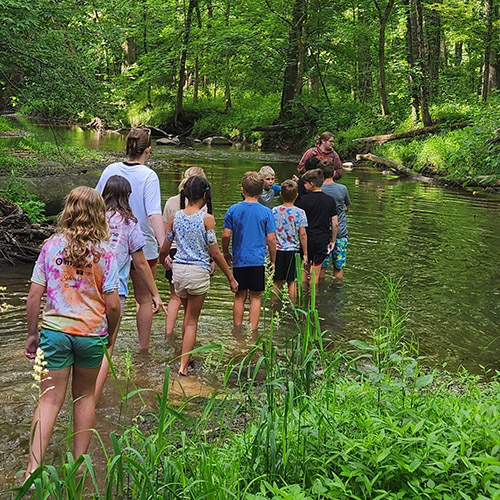
Ava Hoskins, a double major in aquatic sciences (fisheries concentration) and natural resources...
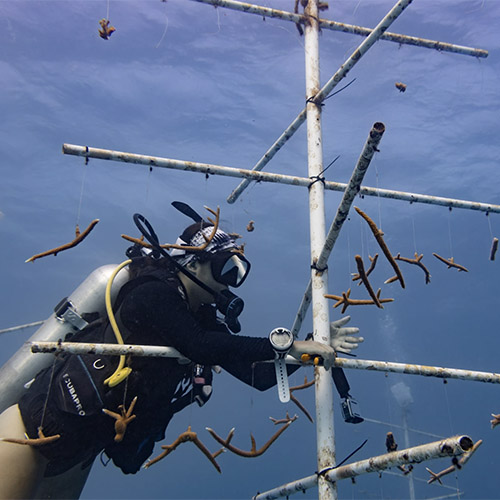
Ashlynn McLaughlin, a senior aquatic sciences major with a concentration in marine and freshwater...
For Brody Cox, preparing for the Indiana State Fair began long before he entered the show...
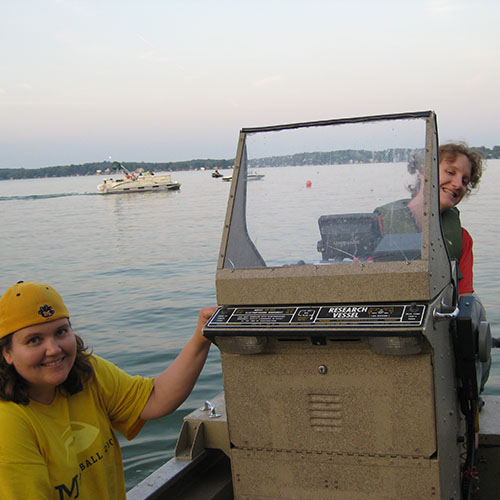
Carolyn Foley, a long-time member of the Purdue Forestry and Natural Resources (FNR) and...