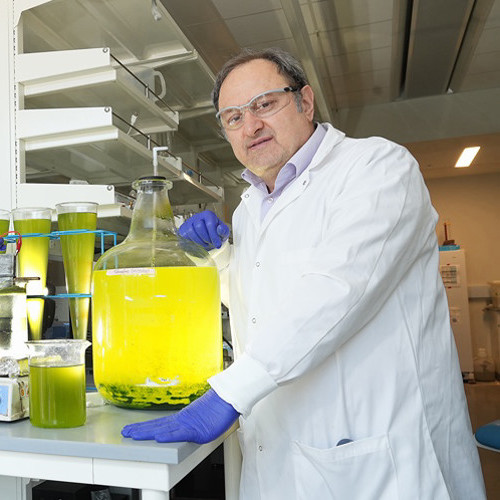
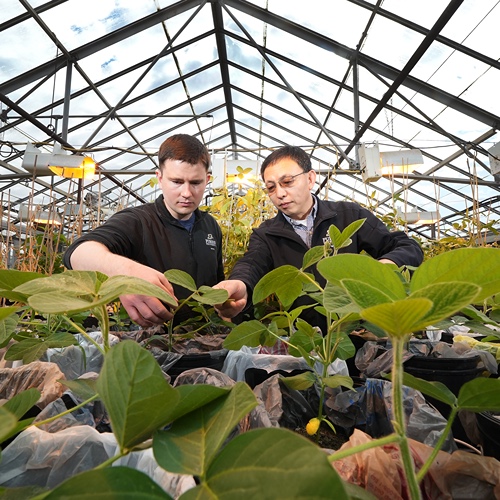
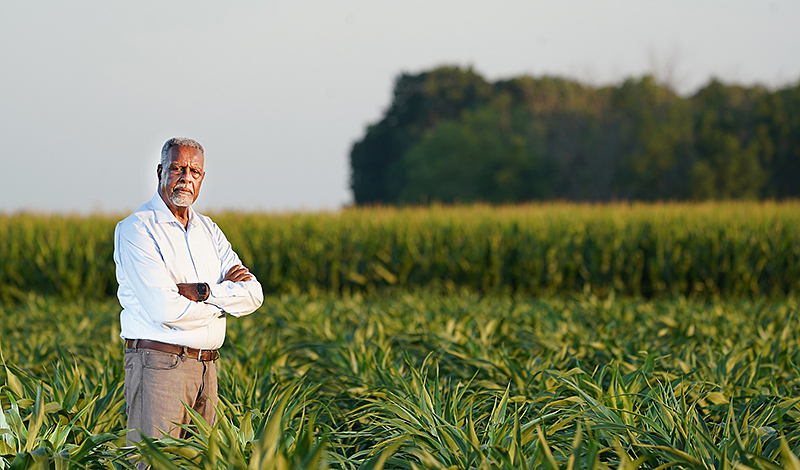
 Gebisa Ejeta, distinguished professor of agronomy
 With the war in Ukraine entering its seventh month and the impact of the COVID-19 pandemic still being experienced, growing challenges threaten the world’s economic and food security.
Purdue University College of Agriculture experts in the areas of food and economic security and energy share their perspectives on these critical issues.
Gebisa Ejeta, World Food Prize laureate and professor of agronomy, is an expert in the areas of food security, international agriculture and global development. He has served at the highest levels of science and policy advisory, including as special adviser to the USAID administrator, science envoy of the U.S. State Department and as a member of the National Academy of Sciences Board on Agriculture and Natural Resources, the U. S. Board for International Agricultural Development and the UN Secretary’s Scientific Advisory Board.
Ejeta emphasizes that combining the work of universities as generators of knowledge and discovery with that of private-sector producers and processors, through the power of markets and trade, is where a win-win can occur in addressing the inequities around the world, both within and between nations.
“The gap is growing. It is a gap in resources and in the knowledge base. For the betterment of humanity, we need to narrow these gaps,” he says. “There are still abundant natural resources and a sufficient knowledge base to support more equitable economic opportunities to feed, nourish and shelter humanity. That is essential if we are to be able to feed humanity and keep our planet in perpetuity.”
 Michael Langemeier, professor of agricultural economics
 Michael Langemeier, professor of agricultural economics and associate director of Purdue’s Center for Commercial Agriculture, specializes in agricultural finance and farm management. He underscores concern for farmers when the margins by which they earn a living have been consistently shrinking.
“Agriculture can’t be rushed and is a relatively slow process,” he says. “The industry can’t respond immediately to changing needs and demand. Farmer sentiment has been volatile since COVID. Supply chain issues from COVID have also not yet been resolved, which puts pressure on all businesses.”
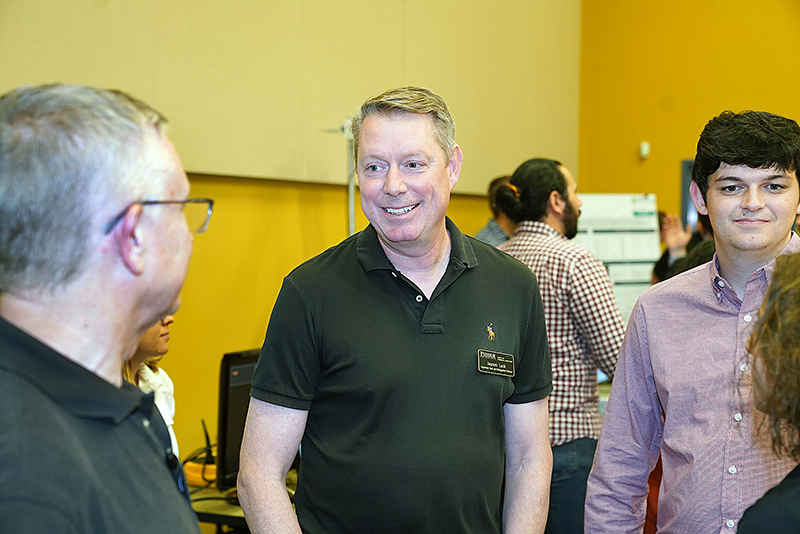 Jayson Lusk, distinguished professor and head of agricultural economics
 Jayson Lusk, distinguished professor and head of agricultural economics, is also the director of the Center for Food Demand Analysis and Sustainability. As he considers the past several years and looks ahead, he speculates about how the United States and the world will respond.
“Economic conditions and food supply disruptions are occurring that could lead to political instability in more countries across the globe. We aren’t there yet, but there is reason to be concerned,” Lusk says. “The agricultural system can’t immediately increase supply. The hamburger you are eating today is the result of decisions made three years ago.”
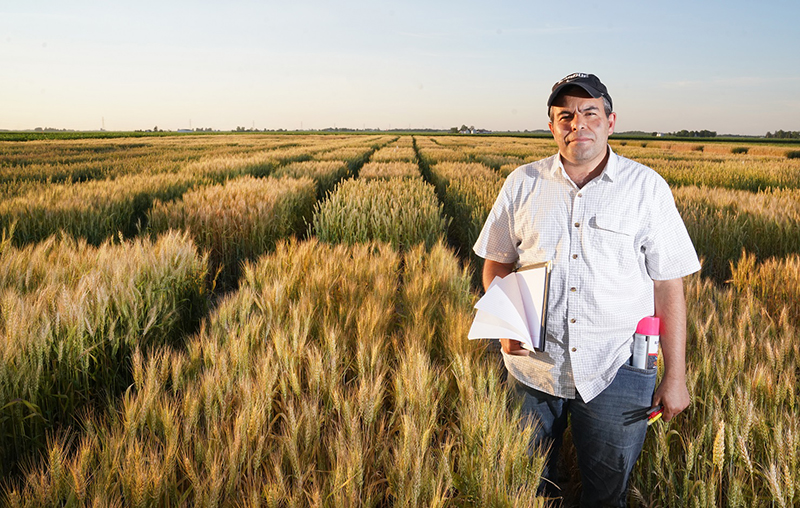 Mohammadi Mohsen, associate professor agronomy
 An agronomy associate professor who specializes in wheat breeding and genetics, Mohsen Mohammadi highlights the gap in productivity between research and growers’ farms.
“International partnership is critical to bridge the gap from here to our full potential. We must open the doors and share our knowledge and innovations,” he says.
Specifically addressing the potential losses with Ukrainian wheat exports, Mohammadi explains the possible impact.
“There is no other supply to substitute for the Ukrainian wheat. This season, the best thing everyone can do for global food security is to collect and facilitate the trade of wheat to get it where it needs to go,” he says.
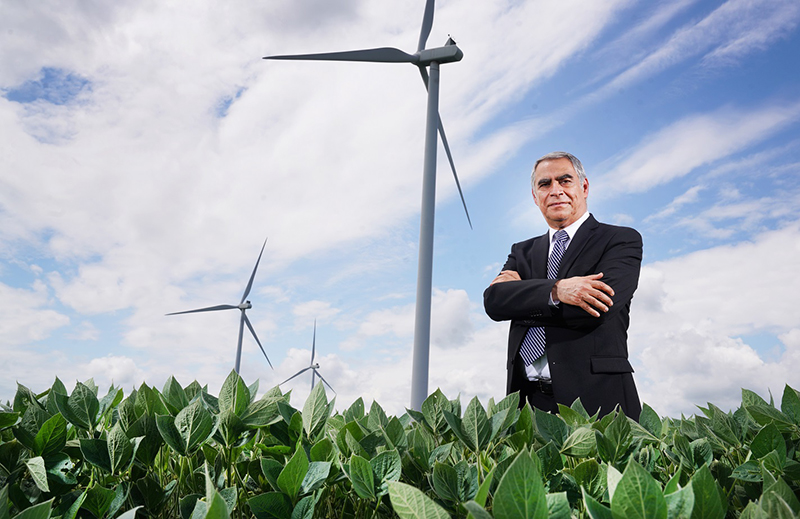 Farzad Taheripour, research professor of agricultural economics
 Research professor Farzad Taheripour’s research bridging energy and agriculture has become increasingly relevant with volatile gas prices and increasing environmental concerns.
“Right now, we have a contradiction of goals,” Taheripour says. “We want to secure a supply of crude oil to maintain consumption of gasoline at lower prices, but for environmental concerns we also want to move away from petroleum products and increase use of cleaner sources of energy.”
Taheripour also emphasizes that these issues are defined by policies across the globe.
“The recent increases in gas and crop prices suggest that we need to implement a set of well-defined policies to manage both the agricultural and energy market as these markets interact in various ways.”