

Beefing over prices: How brisket went from the cheapest to most coveted cut
A king among barbecue platters, the brisket is a finicky cut of meat packed with fat and tissue. When cooked low and slow, the end result nearly melts in your mouth. But this delicious smokehouse staple wasn’t always as famous, nor as expensive, as it is today.
Nicole Olynk Widmar, professor and associate department head of Agricultural Economics, said popularity and fads among various meat cuts have been trends in economic tracking for decades.
The brisket is naturally tough, being the front-end breast meat on beef cattle, leaving it more difficult than most other cuts to perfect when cooking. But the last few years have seen an increasing trend of barbecue enthusiasts opting to smoke their own meat at home, causing prices for brisket to climb out of reach for those who at one time could afford it.
“In recent years we’ve seen similar trends among other cuts of meat, for example the fall and then rise of chicken wing prices,” Widmar said. “Since we are now getting into barbecuing season, brisket is among one of the cuts we’ll see continue to trend upwards while the demand is high.”
Ronald Lemenager, professor of animal sciences and beef cattle Purdue Extension specialist, said since cattle do not have a collar bone, the deep pectoral muscle of the breast is important for supporting around 60 percent of the cow’s weight and movement, making the brisket one of the toughest cuts of meat. Over the last 20 years, Lemenager explained why brisket has slowly found its way onto restaurant menus.
The high collagen content in the brisket gelatinizes through the low and slow method of cooking, breaking down the deep connective tissue in the meat, Lemenager explained. The brisket’s thickness allows for the meat to cook for several hours, resulting in the melt-in-your-mouth texture and flavor.
The meat market is a complicated one though, Widmar explained, as when a particular cut of meat on an animal increases in demand, other cuts of meat from that animal will likely see prices fluctuate, too.
“Consumer demand differs for individual products or cuts of meat. For example, consumers demand more chicken wings or bacon. Well, the livestock sector cannot provide more bacon without providing more of everything else that comes from a pig. While you’re attempting to meet demand for one meat product, you’re potentially oversupplying another.”
- Nicole Olynk Widmar, professor and associate department head of Agricultural Economics
Emily Ford, meat lab manager of the Boilermaker Butcher Block, said their retail space is working to make brisket more accessible and simpler to prepare at home.
“Oven-ready briskets” are currently available at the Boilermaker Butcher Block, Ford said, consisting of a pre-smoked, pre-seasoned, smaller cut of brisket that can be finished off in the oven.
Having purchased a smoker for her own home in recent years, Ford said she understands the craze around brisket.
“People have become a lot more transparent in recent years of how to make things yourself at home, and we saw a lot of people find smoking meat as a hobby through that,” Ford said. “Brisket has definitely become a hot commodity, but there are only two on every animal, so people are continuing to explore other meat options as well.”
One of the keys to a great slice of brisket, Lemenager said, is knowing how to slice it.
“You have to slice the meat across the grain,” he said. “You’re essentially cutting the muscle fibers, so you have to cut across, not with the grain. Once you get all the little pieces into cooking and preparing it right, you’re in for an awesome treat.”
Featured Stories

Alisa Tilson (BS '96, Natural Resources and Environmental Science) works for CDOT’s...
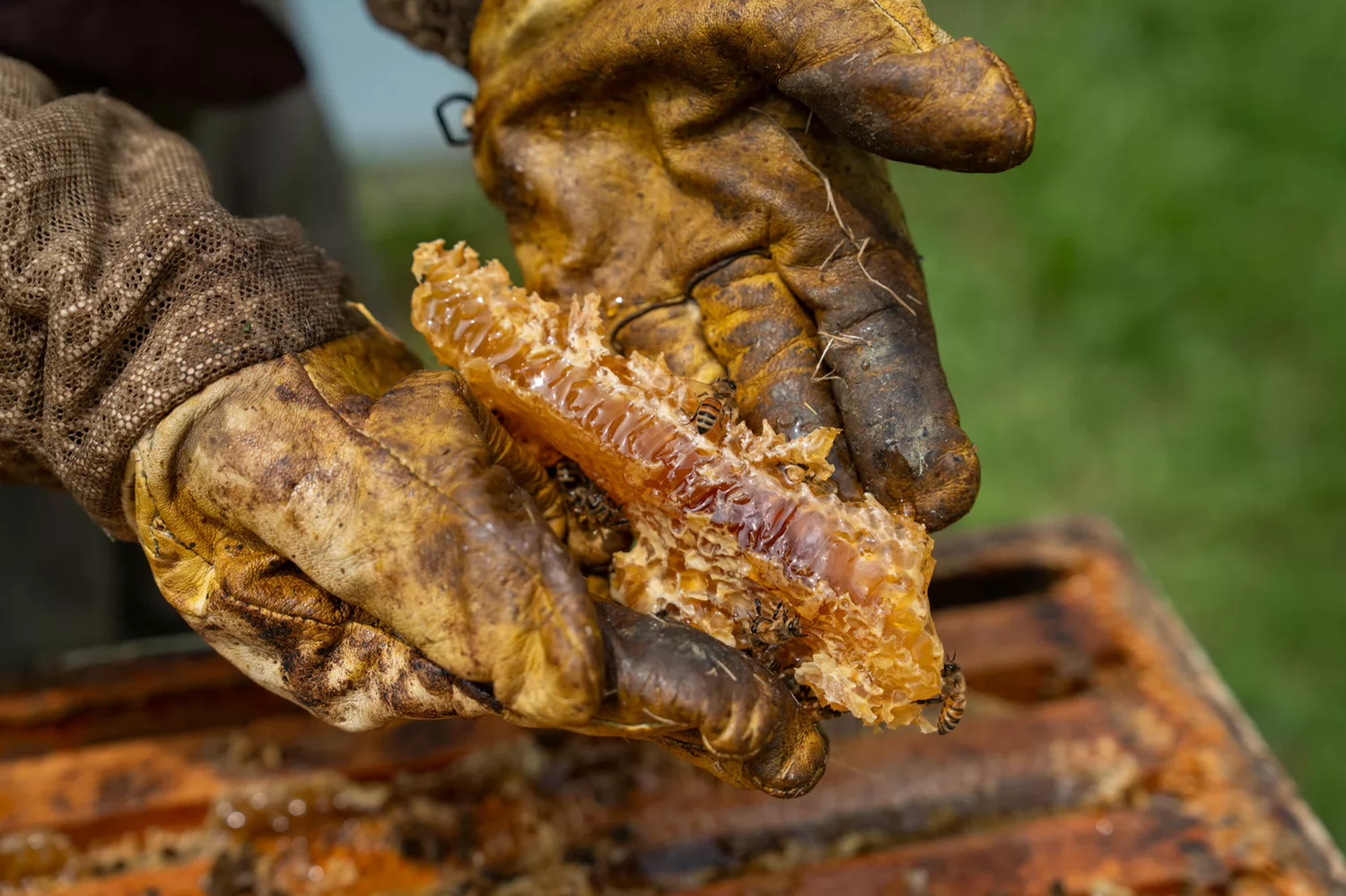
Behind every jar of honey is a fascinating story of pollination, research, and hands-on learning....

Maksym Chepeliev, a leading international scholar recognized prominently for his work in...

In recent years attendees at Purdue Agriculture alumni, donor, and faculty and staff events have...

People think grass is simple. Lawns, right? Mow regularly and add some water and fertilizer. What...

The Office of Indiana State Chemist (OISC) is warning Indiana residents about an illegal...