

Agricultural Research and Graduate Education
Horticulture & Landscape Architecture
Biochemistry
New method probes cancer cell messengers that weaken immune system
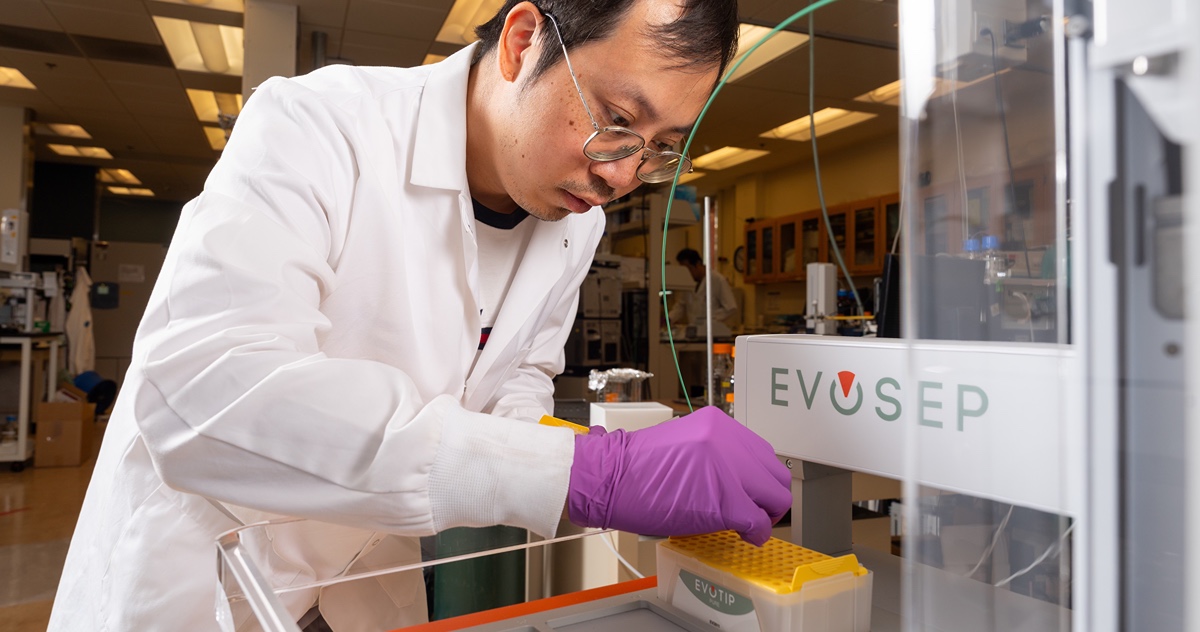 , opens larger image Zheng Zhang, postdoctoral researcher in W. Andy Tao's Department of Biochemistry lab, loads a mass spectrometer as part of research to study cellular messengers and immune system. Zhang is first author of a new paper in the Journal of the American Chemical Society.
WEST LAFAYETTE, Ind. — Certain types of biochemical processes can impair the immune system’s ability to recognize and kill cancer cells. Purdue University’s W. Andy Tao and his associates have developed a new way to study these processes. They demonstrated the validity of their method in experiments involving leukemia and rare liver cancer cell lines.
Tao and 10 co-authors published the details of their new method Aug. 1 in the Journal of the American Chemical Society. Their work provides a system for tracking and identifying the various types of proteins and an unheralded but widely secreted class of bioparticles called extracellular vesicles (EVs) that can compromise immunotherapy.
EVs deliver a wide variety of cargo from one cell to another, including ribonucleic acid (RNA), a biomolecule that plays key roles in cellular and viral processes like protein formation. The new method relies on both RNA-binding proteins and EVs, which biomedical researchers have linked to many types of cancer under abnormal conditions.
“RNA-binding proteins are important since proteins typically do major work for the function of cells,” said Tao, professor of biochemistry and a member of the Purdue Institute for Cancer Research. In recent years, new roles for RNA have been discovered, a trend that is driving many efforts to develop RNA-based tools, profile RNA-binding proteins and determine their functions.
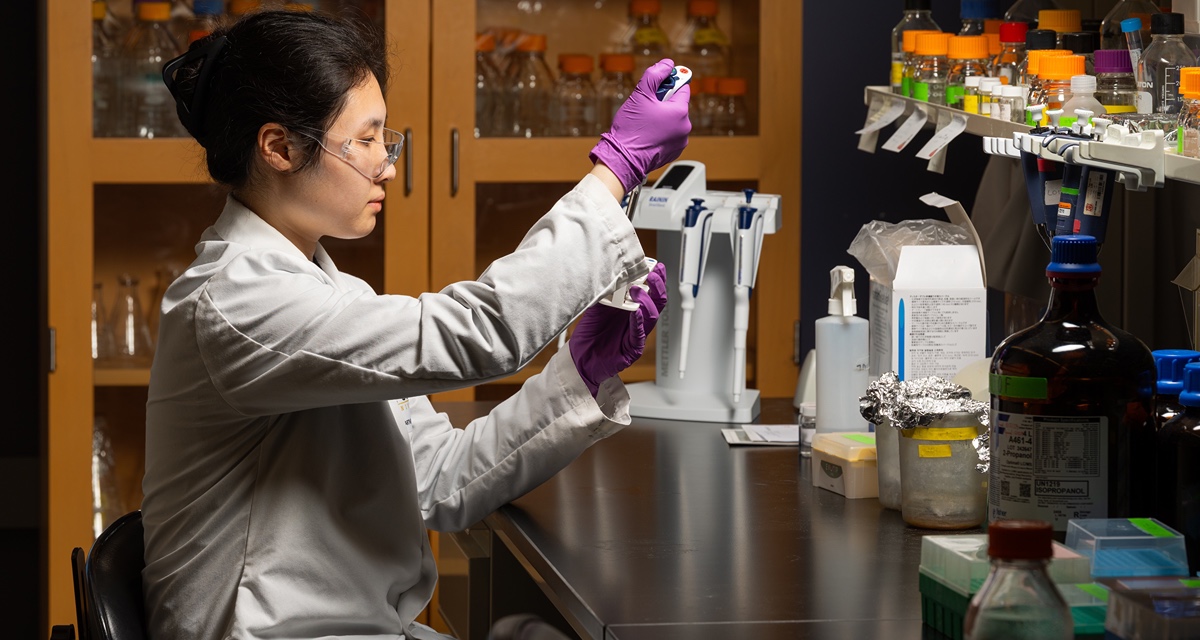 , opens larger image Zhuojun (Lois) Luo, graduate student in the Department of Biochemistry, working in W. Andy Tao's lab. Luo is co-author of a new paper in the Journal of the American Chemical Society.
 The new method helps identify what kind of RNA-interacting proteins carried by EVs affect immune cells. Tao has an interest in EVs derived from tumors, which deliver RNAs that can influence immune responses while interacting with RNA-binding proteins in recipient cells.
“However, systematic profiling of these interactions remains limited largely due to the low-throughput nature of current methods,” Tao and his co-authors reported. The strategies now available for profiling RNA-binding proteins on a large scale were not designed to selectively detect proteins derived from EVs that interact with RNA in recipient cells.
The new method addresses that issue. The method labels the RNA with a synthetic organic molecule that responds to ultraviolet light. Exposure to UV light cross-links (chemically connects) any nearby proteins.
“Through the EVs, these labeled RNAs will be delivered into the immune cells. Then we use UV to crosslink the proteins in the recipient cell,” Tao explained. Isotopically labeling the proteins that come from the recipient cells helps scientists to tell them apart from those contained in the original cells.
Data science requires high-throughput experiments, Tao noted. But along with high throughput comes the need to ensure a low false-discovery rate. “Otherwise, garbage in, garbage out,” he said. “For this high-throughput profiling experiment, we would like to make sure we have a low false-discovery rate. That’s the part we try to control by involving these two labeling steps.”
Tao’s team validated the method’s effectiveness in experiments tracking the interactions between EV RNA-binding proteins and Jurkat T cells, a cell line that researchers widely use to study leukemia. Additional tests similarly verified the method’s ability to identify large numbers of EV RNA-binding proteins in immune cell lines infected with human intrahepatic cholangiocarcinoma. These cells, derived from a rare type of liver cancer, carry a mutation of biomedical interest because they resist immunotherapy, he said.
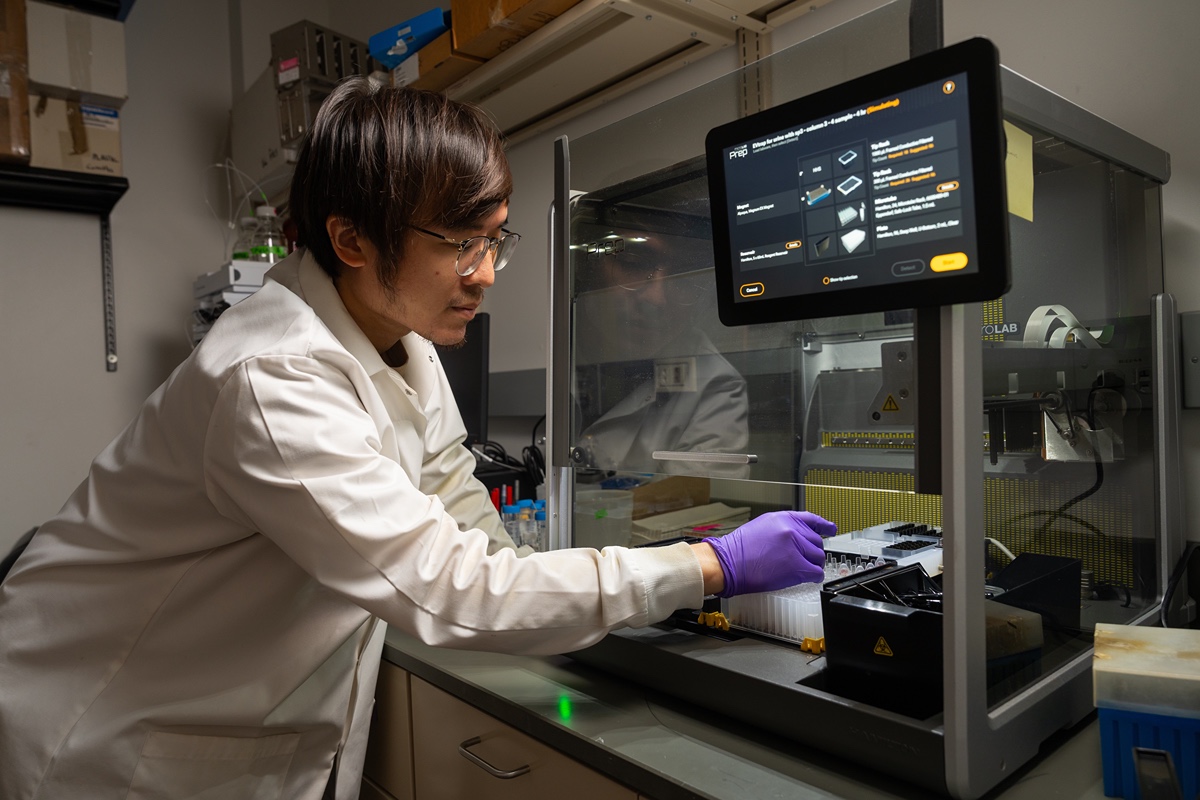 , opens larger image Yi-Kai Liu, graduate student in the Department of Biochemistry, works on an automated extracellular vesicle isolation and protein extraction in W. Andy Tao's lab. Liu is a co-author of a new paper in the Journal of the American Chemical Society.
 Immunotherapy relies on the immune system to recognize and kill cancer cells. Checkpoint proteins play a key role in this process, but their ability to recognize cancer cells can become compromised. EVs carry checkpoint proteins into immune cells, just as they do with RNA-binding proteins. Research in Tao’s lab and elsewhere continues to explore what role EVs may play in similarly compromising immune cells.
“The role of the EV is certainly being recognized more and more,” Tao said.
This research is a part of Purdue’s presidential One Health initiative that involves research at the intersection of human, animal and plant health and well-being.
This project was partially supported by the National Science Foundation and the National Institutes of Health.
About Purdue Agriculture
Purdue University’s College of Agriculture is one of the world’s leading colleges of agricultural, food, life and natural resource sciences. The college is committed to preparing students to make a difference in whatever careers they pursue; stretching the frontiers of science to discover solutions to some of our most pressing global, regional and local challenges; and, through Purdue Extension and other engagement programs, educating the people of Indiana, the nation and the world to improve their lives and livelihoods. To learn more about Purdue Agriculture, visit this site.
About Purdue University
Purdue University is a research institution ranked among the top 10 public universities in the United States. More than 111,000 students study at Purdue across multiple campuses, including more than 57,000 at our main campus locations in West Lafayette and Indianapolis. As a land-grant university committed to affordability and accessibility, Purdue’s main campus has frozen tuition 14 years in a row, enabling more students than ever to graduate debt-free.
Writer: Steve Koppes
Media contact: Devyn Ashlea Raver, draver@purdue.edu
Sources: W. Andy Tao, taow@purdue.edu
Agricultural Communications: Maureen Manier, mmanier@purdue.edu, 765-494-8415
Journalist Assets: Publication quality charts and images image can be obtained at this, link
Related Posts
College of Agriculture
Indiana residents warned about illegal pesticide product — 15 October 2026
Forestry & Natural Resources
FNR Field Report - Ava Hoskins — 15 October 2026
Featured Stories
Inspired by opportunity, driven by purpose
In recent years attendees at Purdue Agriculture alumni, donor, and faculty and staff events have...
Behind the Research: Jada Powlen
People think grass is simple. Lawns, right? Mow regularly and add some water and fertilizer. What...
Indiana residents warned about illegal pesticide product
The Office of Indiana State Chemist (OISC) is warning Indiana residents about an illegal...
Study details surprising human immune cell link to HIV
A prominent protein on most human cells may be key to unlocking the code that makes humans...
FNR Field Report - Ava Hoskins
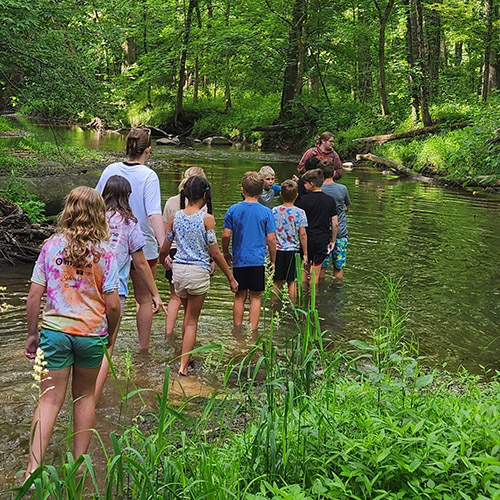
Ava Hoskins, a double major in aquatic sciences (fisheries concentration) and natural resources...
FNR Field Report - Ashlynn McLaughlin
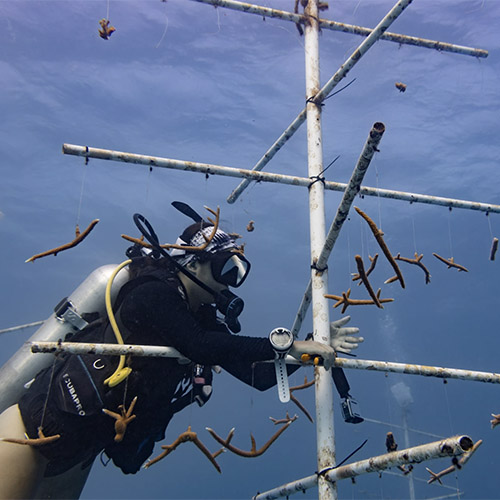
Ashlynn McLaughlin, a senior aquatic sciences major with a concentration in marine and freshwater...
This research is a part of Purdue’s presidential One Health initiative, which involves research at the intersection of human, animal and plant health and well-being.