

What people clicked, watched and read in 2025
Most read Story in 2025
Eat your hemp heart out — the benefits of hemp seeds on gut health
One hundred years ago, fish and shellfish were frequent visitors to dinner plates around the world. While not common knowledge at the time, the fish had oils containing about equal parts omega-3 and omega-6 polyunsaturated fatty acids, essential components for cell membranes, that are primarily absorbed through the diet.
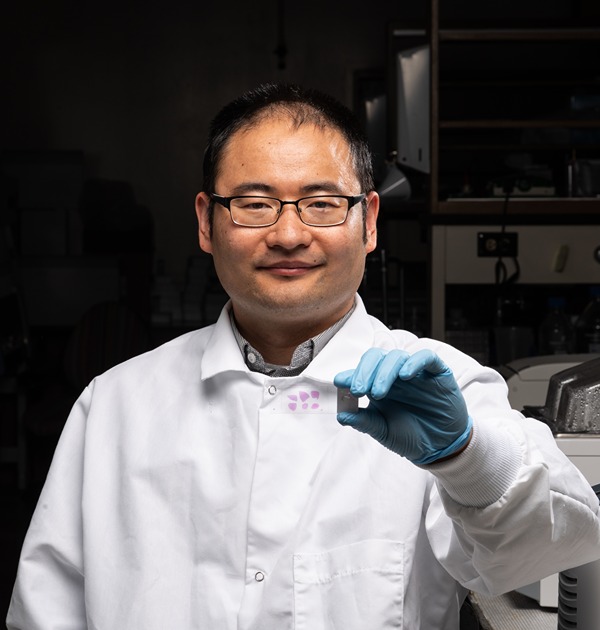 While modern civilizations still love a fresh filet or sushi roll, oils from seed and vegetable sources like sunflowers, canola and corn have become increasingly dominant in the global food supply. These oils are easy to cook with and boast many different health benefits of their own, but they also contain significantly more omega-6 fatty acids than omega-3.
Weicang Wang, an assistant professor in Purdue’s Department of Food Science, says this is a classic case of too much of a good thing. The balance of omega-3 to 6 fatty acids is more important than just getting the nutrients.
“The omega-6 to omega-3 ratio in human diets has changed substantially over the last century, primarily due to industrialization, changes in food processing and the increased use of vegetable oils rich in linoleic acid (omega-6),” Wang said. “Current Western diets often have ratios ranging from 10:1 to 20:1, with excess omega-6 fatty acids. Many emerging studies have shown that too high a ratio in omega-6 fatty acids in our diet is related with increased risk of many inflammatory diseases.”
Fortunately, the potential solution lies in making small changes to the diet. Some seed oils, like those made from flaxseeds, have a more balanced ratio, and other emergent foods could help supplement omega-3 fatty acids.
In collaboration with Senay Simsek, department head and Dean's Chair in Food Science, Wang’s team is currently exploring the health benefits of dietary hemp seeds, which are derived from industrial hemp—a variety of Cannabis sativa that contains no or only trace amounts of tetrahydrocannabinol, or THC.
Top Stories
 College of Agriculture introduces 14 new faculty members
(Fall 2025)
College of Agriculture introduces 14 new faculty members
(Fall 2025) 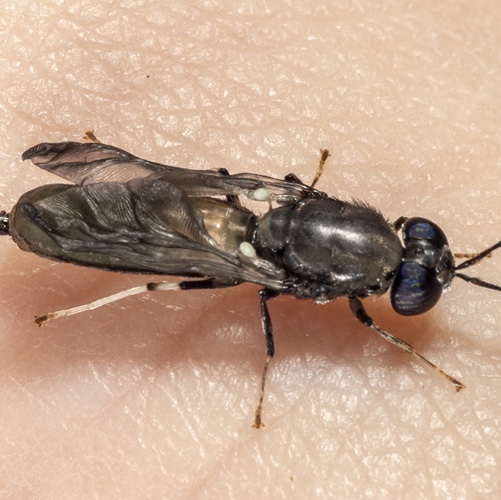 Revolutionizing waste: How black soldier flies transform food waste into sustainable solutions
 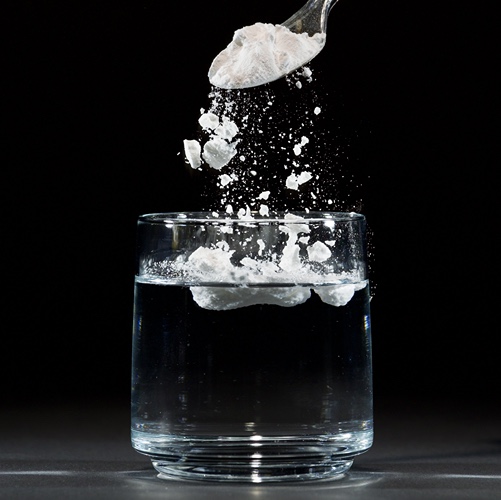 A natural GLP-1 stimulant?
  Ignacio Ciampitti returns to Purdue as co-director of IDAAS and professor of agronomy
  College of Agriculture welcomes seven new faculty members for spring 2025
 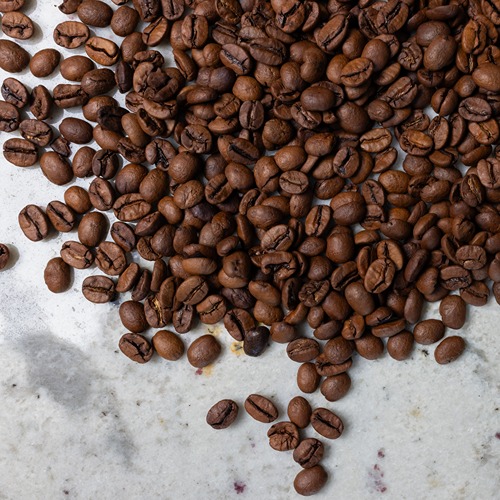 Coffee companions—why Colombian coffee farmers are planting legumes
 Most read News in 2025
Midwestern field trials suggest overuse of rootworm-resistant corn reduces farmers’ profits
WEST LAFAYETTE, Ind. — An analysis of data covering 12 years and 10 U.S. Corn Belt states reveals that farmers suffer economic loss from the overuse of genetically engineered corn designed to combat rootworm pests.
Christian Krupke, a Dean’s Fellow and professor of entomology at Purdue University, and 19 co-authors 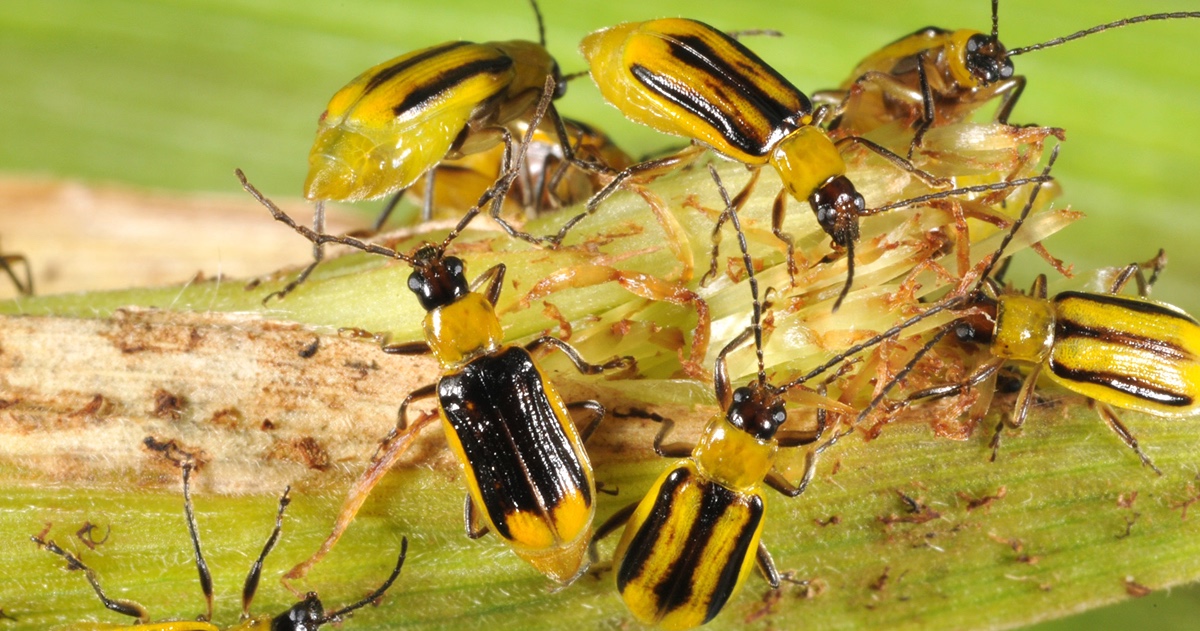 from 12 other universities in the U.S., China and Canada reported their results in the most recent issue of the journal Science. The retrospective study demonstrated that the pest landscape has fundamentally changed in many key corn-growing areas of the U.S. since 2004, the initial year of broad adoption of transgenic corn hybrids targeting corn rootworms. The study shows pest pressures in much of the region declined dramatically following introduction of these hybrids, reducing the need for broad deployment of the rootworm-specific traits.
Top News
 Most consumers see processed foods as potentially unhealthy but buy them anyway
 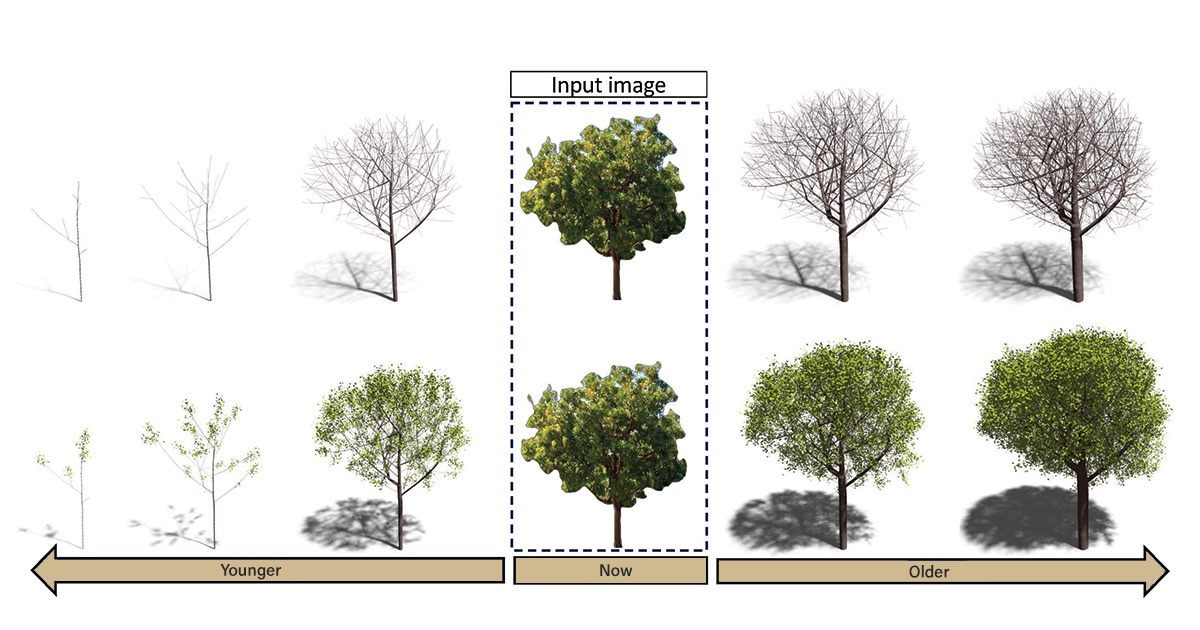 3D tree reconstruction algorithm contributes to a new era of urban planning
 Multimedia Highlights
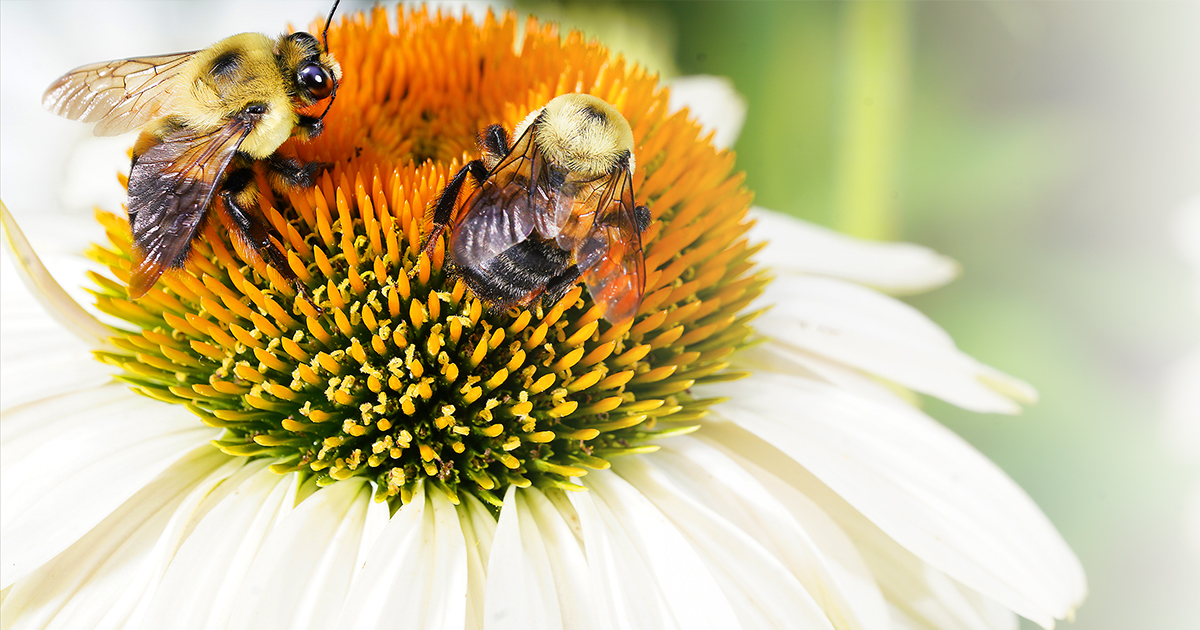 Pollen & pollination: How ancient partnerships shape today's world
  Instagram: Ag Day College Roadshow
 Most Watched Video
Featured Stories

Explore the top stories from 2024 for the Purdue College of Agriculture.

Most read stories of 2022 for the Purdue College of Agriculture.

Read and relive the college’s 21 most-read stories from Purdue’s 152nd year.