

Global analysis network provides leverage for new Thompson Chair in International Agricultural Economics
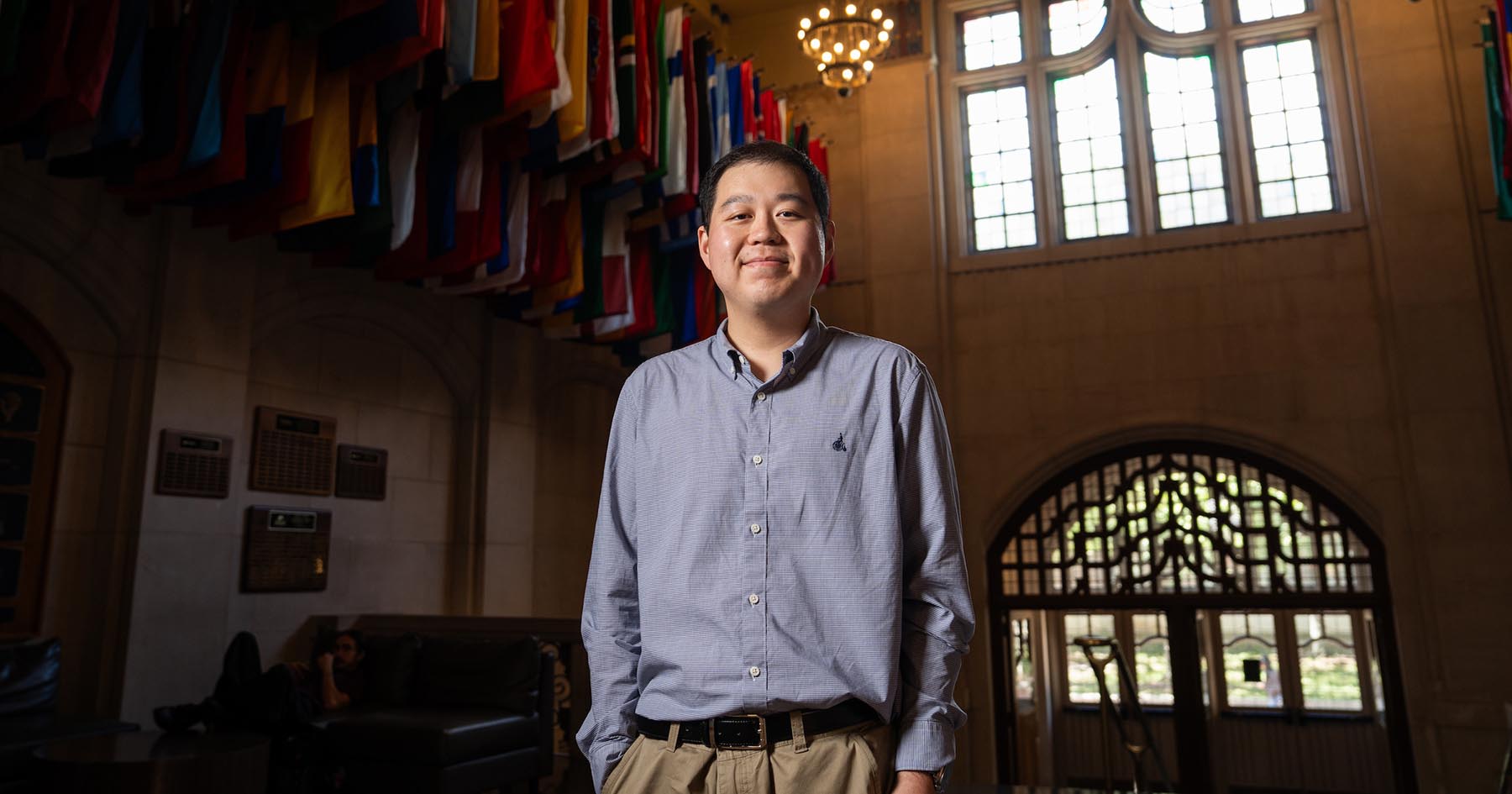
It was fitting when Channing Arndt, research professor in agricultural economics and director of the Global Trade Analysis Project (GTAP), was recently ratified as the inaugural Robert and Karen Thompson Chair in International Agricultural Economics, given the global experience that shaped both Arndt and the chair’s benefactors.
Bob Thompson, professor emeritus and former dean of the College of Agriculture, grew up close to the Canadian border, absorbing the international news he heard there. Arndt, son of a foreign service officer, was born in Taiwan and spent parts of his childhood in India, Sri Lanka and Washington, D.C.
Thompson studied abroad in Denmark, where he met his wife, Karen. They served together in a Peace Corps-type program in Laos before he completed a PhD in agricultural economics at Purdue in 1974. Arndt served in the Peace Corps in Morocco, where he shared an office with a Purdue project team, influencing his decision to complete his doctoral degree at Purdue in 1996. When he left Purdue, Thompson returned to his passion, working in developing agriculture.
Arndt joined the Purdue faculty from 1998–2007 and then worked in international development before returning in 2025 to head GTAP.
“I knew Bob from my time as a student here,” Arndt said, “so I'm really happy to be the first Thompson Chair.”
The Thompsons established the chair to support a leading scholar in an international aspect of agricultural economics, such as trade, development or comparative agricultural policy.
Dr. Arndt is an internationally distinguished scholar whose work aligns precisely with the purpose of the Thompson Chair. His leadership of GTAP further strengthens Purdue’s international visibility and influence in global economic and agricultural policy research.”
- Bernie Engel, Glenn W. Sample Dean of Agriculture and professor of agricultural and biological engineering
More than 30,000 researchers, economists and policymakers in more than 175 countries have relied on GTAP’s data, models, software and training to analyze issues such as global trade patterns, production, consumption, land use and greenhouse gas emissions, among other subjects. Those users work in government, policymaking and international organizations like the World Bank, as well as academia, the private sector and non-profit organizations.
“Dr. Arndt has contributed to a continued raising of the bar for research and engagement scholarship,” said Nicole Widmar, professor and head of the Department of Agricultural Economics. “Purdue’s impact in the discussions and analysis for global trade have never been stronger or more recognized.”
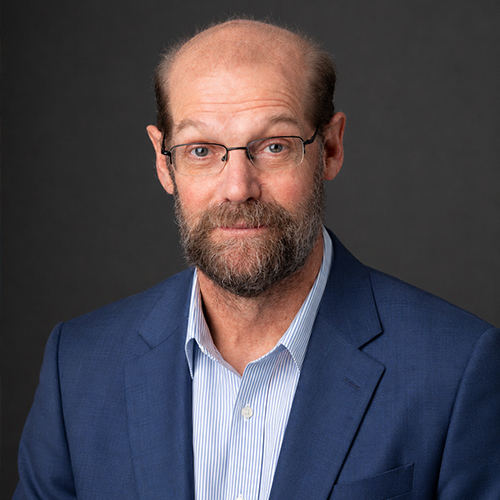 The support of the Thompson Chair allows Arndt to consider, “Where are there skills and opportunities at Purdue and GTAP, and how do I link those together? That's the thinking behind the chair.”
He has identified some key areas where college and university strengths could be amplified by GTAP resources and analysis. The first is advances in biotechnology, including genetically engineered crops for insect resistance, nutritional improvement, and drought tolerance, which can benefit U.S. production and support global food security.
The second is the impact of GLP-1s, a class of drugs used to manage diabetes and weight loss. “The United States is kind of a laboratory for the world. We’re already seeing huge uptake in the U.S. as prices drop,” Arndt said.
GTAP can help trace the implications of dietary shifts at scale. Purdue’s research centers like the Center for Food Demand Analysis and Sustainability, Whistler Center for Carbohydrate Research, and Ingestive Behavioral Research Center are all well positioned to examine the impacts of this pharmaceutical’s widespread uptake.
The third is optimizing policy to benefit both the environment and the economy. “Nature and the economy are connected,” Arndt said, “and by and large, in global policy and decision-making, almost everybody does a bad job of trying to work with them together.”
GTAP’s datasets allow members to analyze data such as land use and crop output in conjunction with trade and tariff patterns, modeling the impacts of different scenarios to help optimize decision-making.
“With massive gains in remote sensing and artificial intelligence, our ability to process and make sense of that data has gone up orders of magnitude,” Arndt said. “You can get better economic outcomes and better environmental outcomes at the same time. We don't need to trade off.”
Featured Stories

For Brody Cox, preparing for the Indiana State Fair began long before he entered the show...
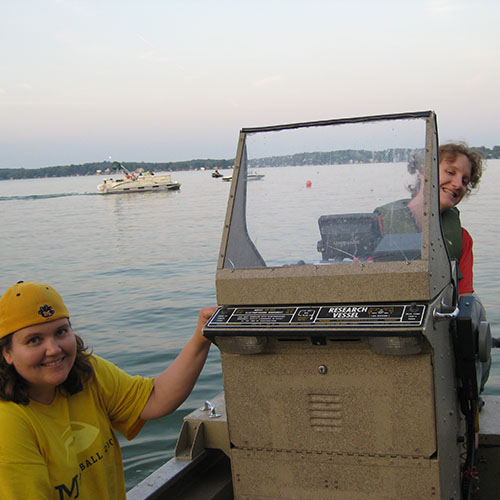
Carolyn Foley, a long-time member of the Purdue Forestry and Natural Resources (FNR) and...

In the September Purdue University/CME Group Ag Economy Barometer survey, 52% of respondents...
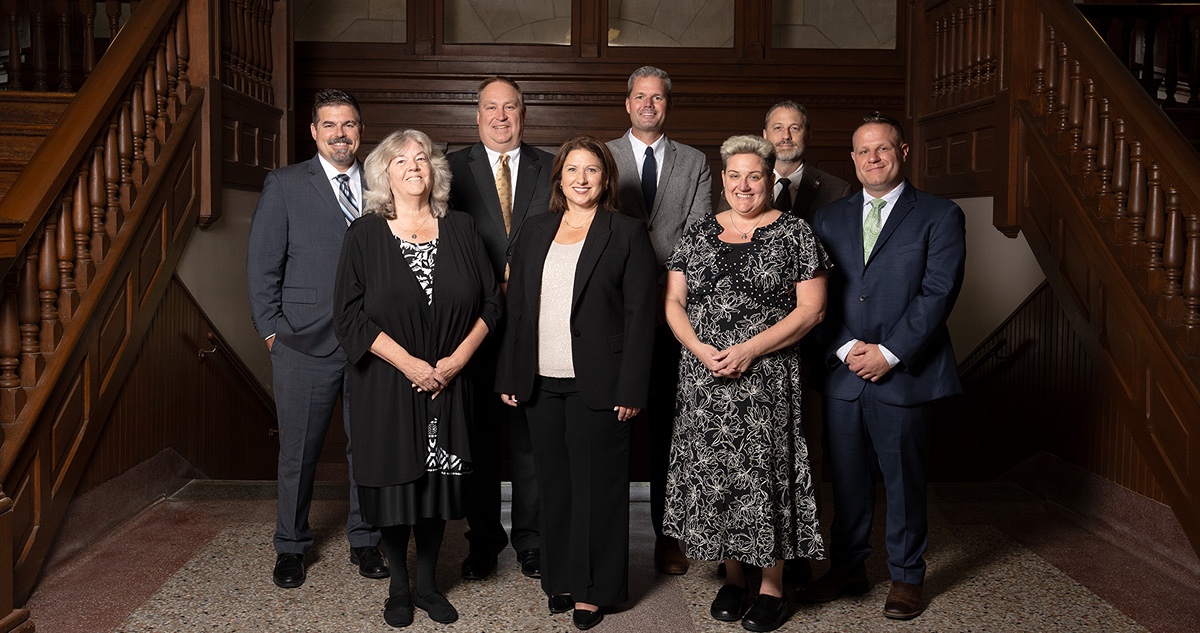
Purdue University’s College of Agriculture recognized nine alumni at the Distinguished...
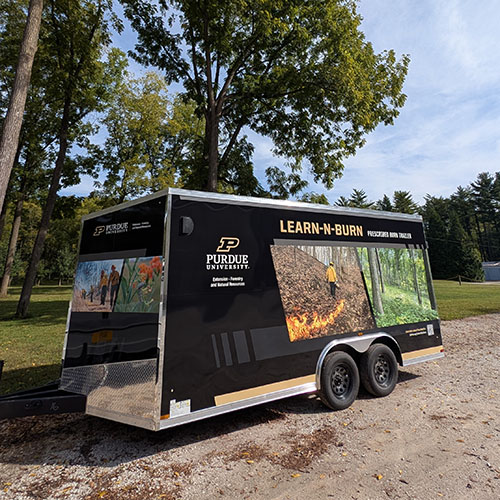
Keep your eyes peeled across Indiana for the newly minted Purdue Forestry and Natural Resources...
“Being at Purdue has changed my thinking entirely,” says Mingyu Zhao, a third-year...