

Mingyu Zhao - Graduate Ag Research Spotlight
At Purdue, they have an interdisciplinary mindset and encourage collaboration. I’ve gotten good training from my advisor, but I also get good training from my collaborators in other departments.
- Mingyu Zhao, Ecological Science and Engineering & Horticulture and Landscape Architecture
The student
“Being at Purdue has changed my thinking entirely,” says Mingyu Zhao, a third-year PhD candidate in ecological science and engineering and horticulture and landscape architecture. “Now, I think like a farmer.”
That’s a major change for Zhao, who grew up in Xuzhou, a post-industrial Chinese city he likens to Pittsburgh or Detroit. Surrounded by tall buildings, he gravitated toward the calmness of green spaces. When it came time for college, he chose to major in horticulture.
“I found I wasn’t interested in botanical knowledge of flowers and trees, but in how humans interact with nature,” he says.
He switched to landscape architecture and earned a master’s degree at the National University of Singapore. After several years working in the bustling city-state, he looked at PhD programs and thought he’d try something new.
“Surrounded by urban landscapes in Singapore, I decided to broaden my perspective to agricultural and rural landscapes, particularly those shaped by conservation efforts,” he says.
Zhao arrived in West Lafayette in 2024.
The Research
Zhao’s research focus is wetland policies. He studies the impacts of the Wetland Reserve Program, a voluntary program launched by the U.S. Department of Agriculture to enable landowners to transition low-productivity and flood-prone cropland into wetlands. His research explores to what extent this wetland policy can protect built assets and crop assets through flood mitigation. He hopes the policy brief from his research can provide empirical evidence to inform the optimization of future farm bills.
“We can help federal institutions better understand that although this policy is effective, it does not benefit farmers in all counties across the Great Lakes region,” he says.
Zhao’s advisor is Aaron Thompson, associate professor of horticulture and landscape architecture, whose work focuses on decision-making in land use planning and natural resource management. Linda Prokopy, now at the University of Vermont, is former head of the Department of Horticulture and Landscape Architecture.
“It’s like a big family tree,” Zhao says of his research community at Purdue. “I’m the third generation, Dr. Thompson is the second, and Dr. Prokopy is the first. She focuses on agricultural conservation research, Dr. Thompson focuses on conservation practice, and I zoom in on wetland conservation policy.”
Zhao is learning about the opportunities and challenges facing farmers across the Corn Belt and Rust Belt.
“As a researcher, you must walk in other people’s shoes,” he says. Living in the Midwest, he feels “an even greater responsibility to pay attention to the Midwest’s largest demographic: farmers. How can you build a resilient ecological-economic system on the agricultural land for the farmer, especially with climate change and urbanization?”
Opportunities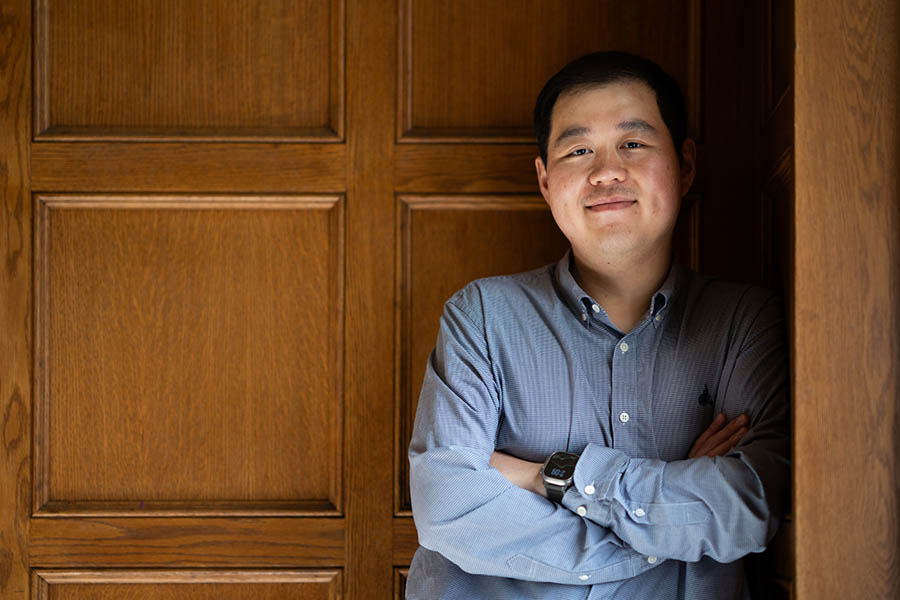
Interdisciplinary teamwork has been key to his research. He’s a recipient of Purdue’s Lynn Fellowship, which brings outstanding PhD students to interdisciplinary graduate programs.
“The problem of wetland conservation is not about a single subject. It takes cooperation from experts in other disciplines,” he says. “At Purdue, they have an interdisciplinary mindset and encourage collaboration. I’ve gotten good training from my advisor, but I also get good training from collaborators in other departments.”
Zhao has won several scholarships and travel grants. This spring, he received Michigan State’s NASA-MSU Professional Enhancement Award for his work on wetland conservation.
Future Plans
After graduation, Zhao hopes for a tenure-track academic job, ideally in the Midwest. He’s open to working as a consultant at a nongovernmental organization or public policy institution.
With two or three years of his doctoral program remaining, Zhao enjoys spending his downtime exploring America’s national park system. He recently returned from a trip to Mammoth Cave. Last spring break he and a friend climbed Mount Rainier. “It was snowing, but we made it!” he says.
After years in cities, Zhao feels much more at home with country life.
“Urban environments make me feel very stressed,” he says. “Rural areas give me some space to think.”
More Graduate Spotlights
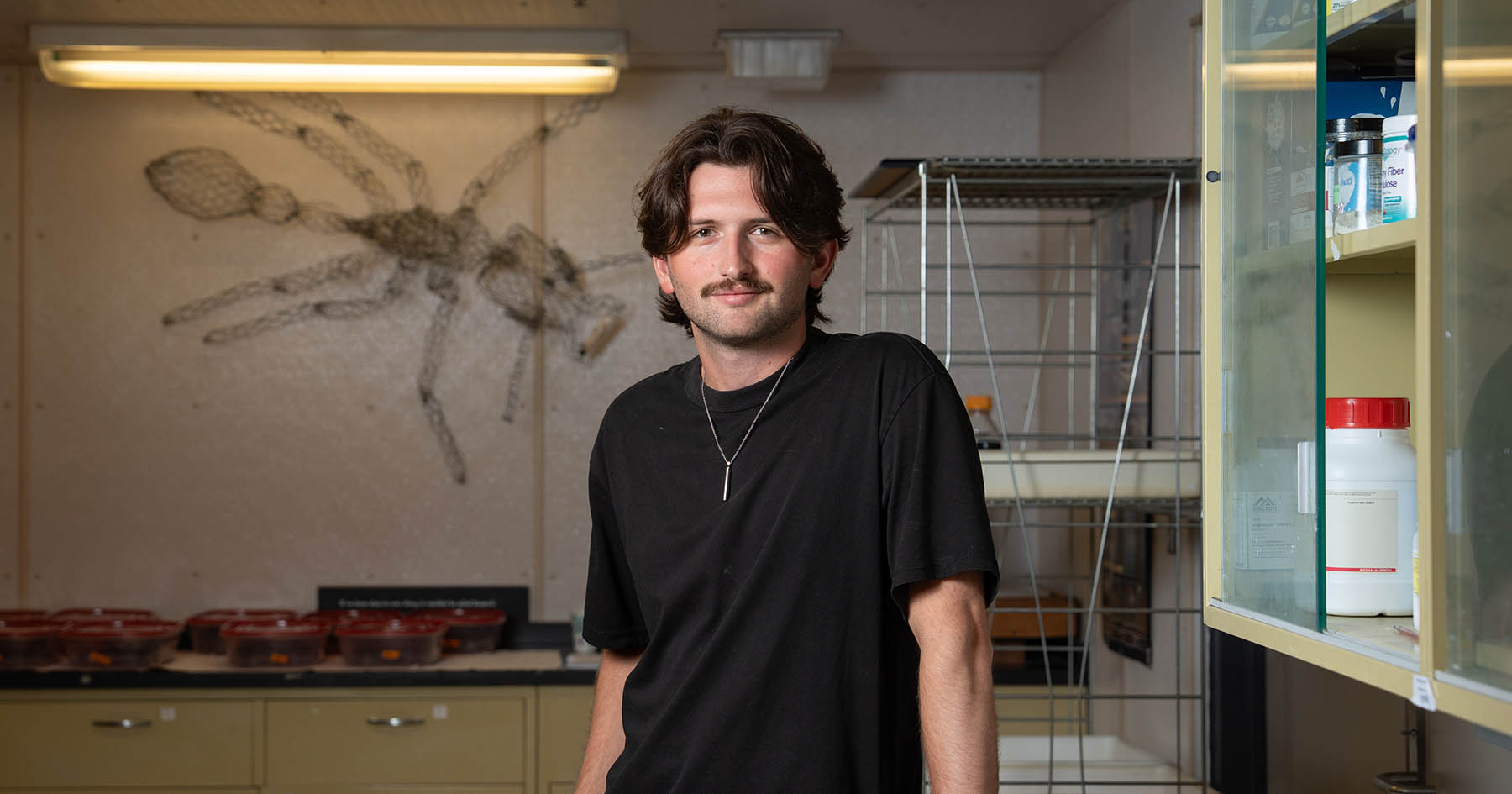
Most parents want to encourage their child’s hobbies, signing them up for chess club,...
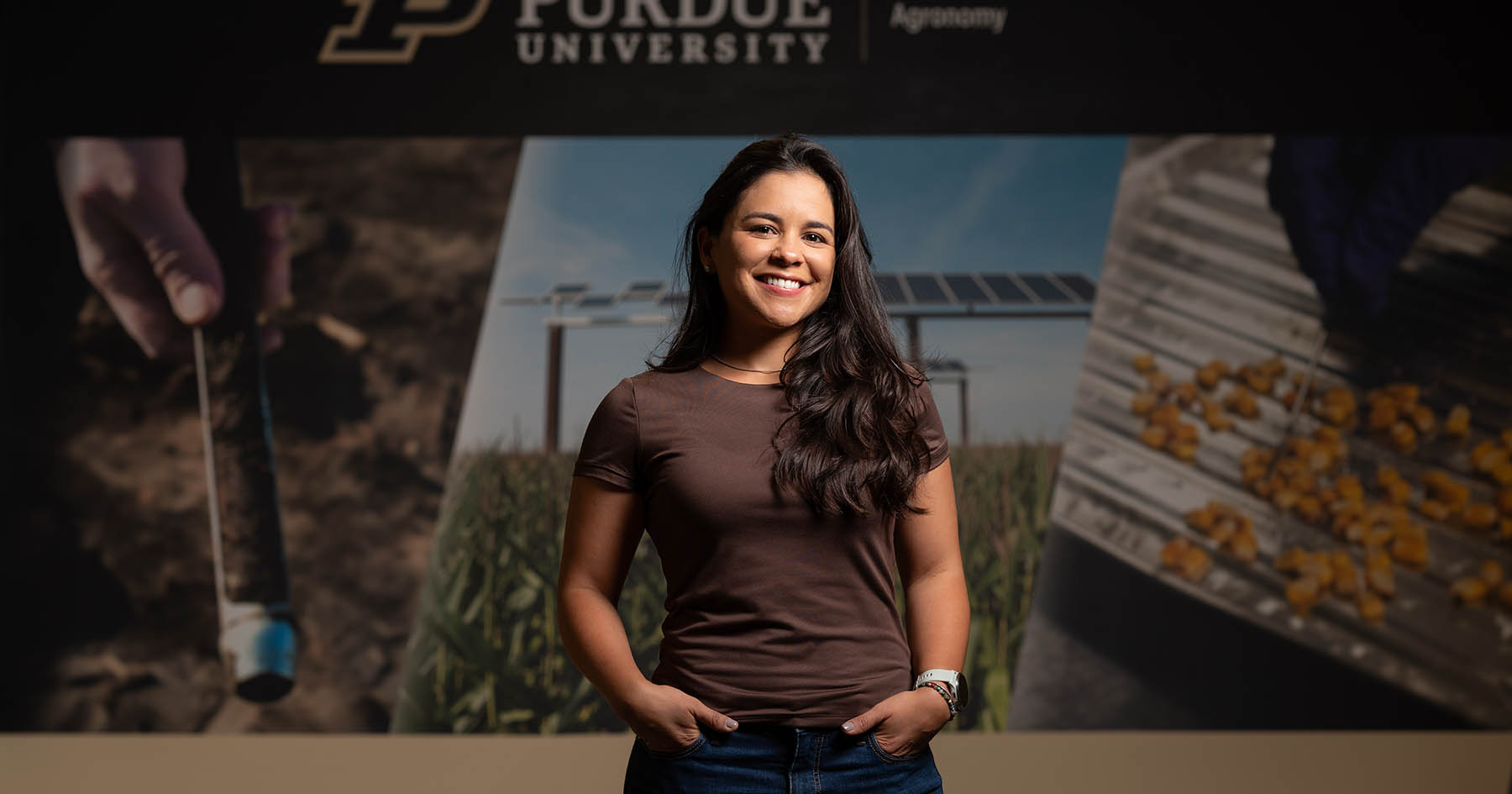
As a child in Rio de Janeiro, Mayara dos Santos Rocha loved animals so much she figured...
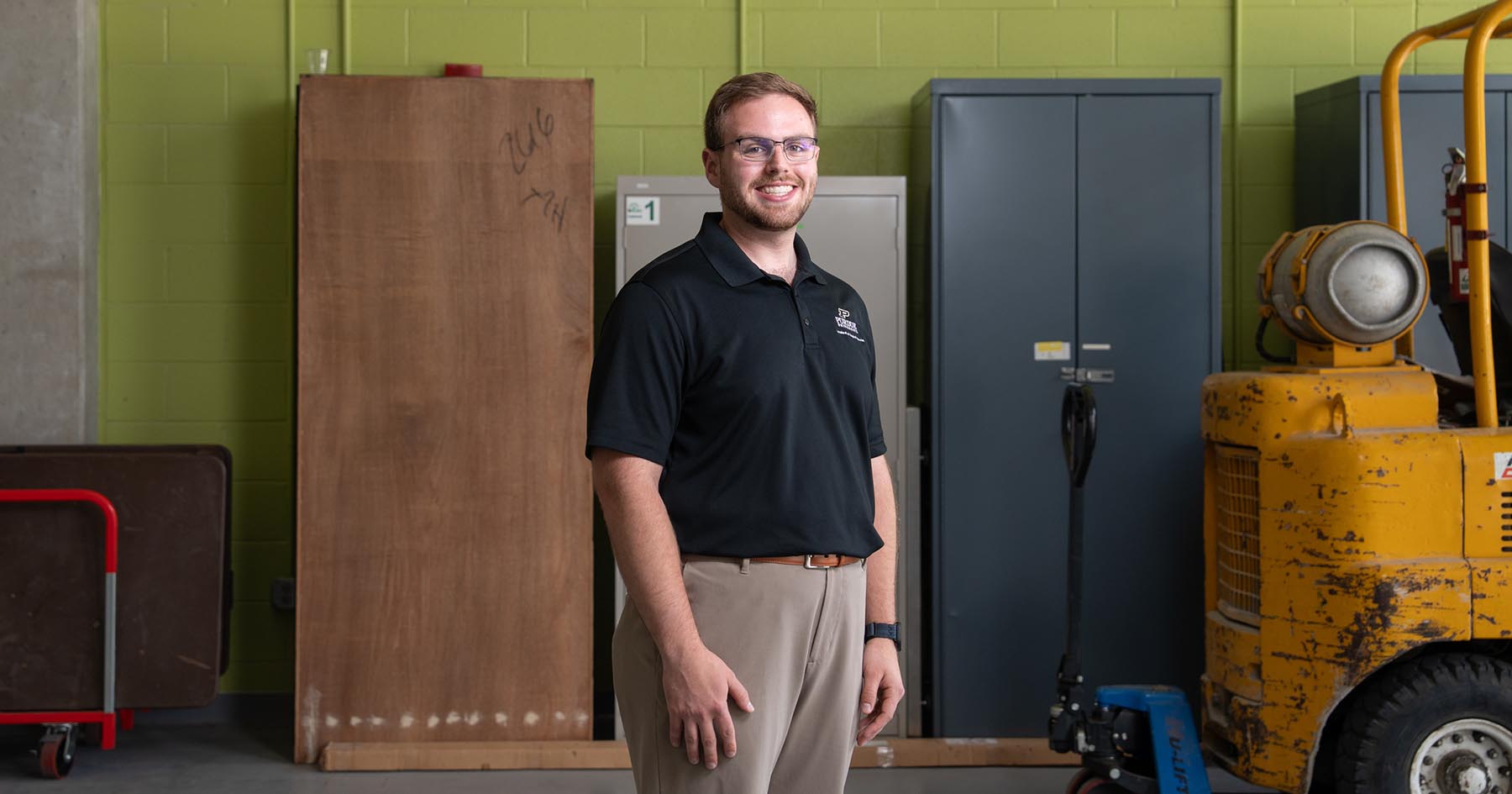
At 25, Noah Berning has already accomplished a goal held since middle school: he’s going to...

Growing up in lush northern Florida, Natalie Allen spent much of her childhood outdoors, catching...

When Elizabeth Ogar was growing up in Nigeria, a weevil infestation hit her family’s corn...

Luping Xu is proud to be from Ningbo, a port city in eastern China with a long history of...